
Best Kitchen Stove Hood for Optimal Cooking Experience?

Time:2026-07-22 Author:Amelia
0%

A Kitchen Stove Hood is essential for an optimal cooking experience. It efficiently removes smoke, odors, and grease, enhancing the air quality in your kitchen. This improvement is not only about comfort; it also impacts health by minimizing pollutants.

Choosing the right kitchen stove hood can be overwhelming. With numerous styles and features available, finding the perfect match for your kitchen can feel daunting. Many factors come into play, such as size, power, and design. Reflecting on these aspects is vital.

Consider your cooking habits. Do you often fry or grill? A more powerful hood may be necessary. However, aesthetics and noise levels also matter. Finding a balance between performance and appearance can lead to better satisfaction in your cooking space.
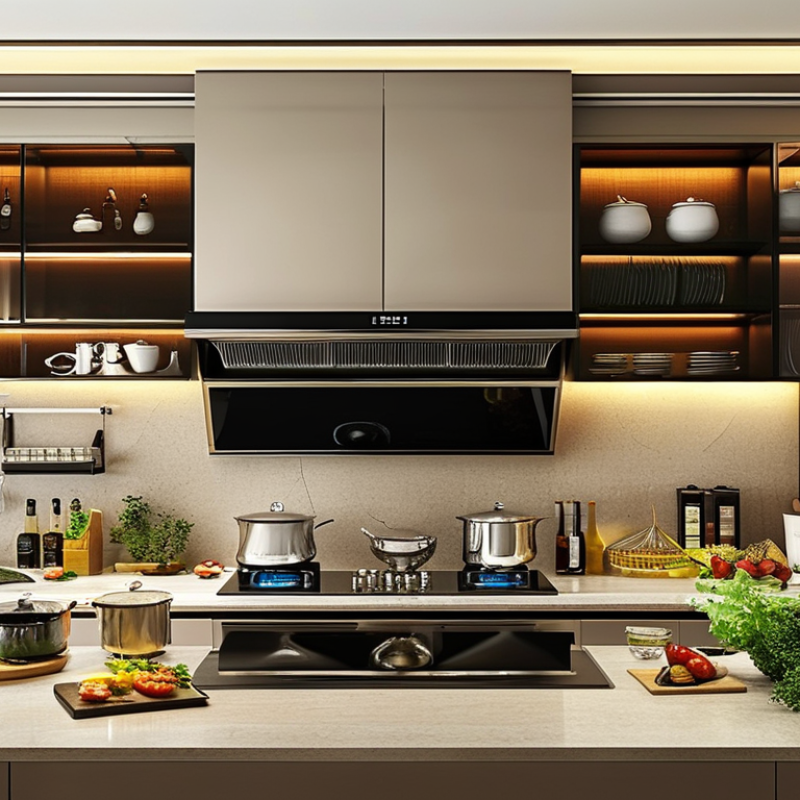
Best Kitchen Stove Hood for Optimal Cooking Experience?

Best Kitchen Stove Hood: Essential Features for Optimal Performance

Choosing the best kitchen stove hood can significantly enhance your cooking experience. Essential features play a vital role in this decision. Consider the airflow rate, measured in CFM (cubic feet per minute). A higher CFM often means better ventilation. However, that doesn’t always equate to quieter operation. Sometimes, a powerful hood can be noisy, which may detract from the cooking atmosphere.

Filters are another crucial aspect. Stainless steel or aluminum filters are preferred for their durability. They must be cleaned regularly to ensure optimal performance. Some hoods may give off disappointing results if the filters are neglected. This requires attention from the user, as maintenance is key to effective functioning.

Installation height also matters. A hood too high will not capture smoke efficiently. Conversely, a hood too low can hinder cooking space. Both factors must be carefully measured during your setup. Having the right dimensions ensures that your kitchen remains a pleasant environment. Remember, every kitchen is unique, and a bit of trial-and-error may be needed to achieve the best results.

Types of Kitchen Stove Hoods and Their Efficiency in Air Filtration

When it comes to kitchen stove hoods, understanding their types and efficiency is crucial for optimizing cooking experiences. Range hoods can be broadly categorized into ventilation hoods and ductless hoods. Ventilation hoods are known for superior air filtration. They draw in smoke, grease, and odors, expelling them outside. According to the U.S. Department of Energy, effective venting reduces indoor airborne pollutants by up to 50%.

Ductless hoods, on the other hand, recirculate the air after filtering it through charcoal or mesh. While easier to install, they may not capture all harmful particulates. A study from the Home Ventilating Institute suggests that ductless systems may only achieve 60% efficiency in trapping odor and smoke particles. This raises concerns about air quality in the kitchen.

Installation height also plays a significant role. Hoods must be positioned correctly to maximize their effectiveness. A hood placed too high might fail to capture contaminants efficiently. A report from the National Kitchen & Bath Association highlights that many homeowners overlook these installation guidelines. Thus, making the right choices begins with informed decisions about hood type and placement.

Decibel Levels: Impact of Noise on Cooking Experience and Comfort

Cooking is an experience that engages all the senses, and noise can significantly affect it. Studies indicate that decibel levels from kitchen stove hoods can range from 30 dB to over 70 dB. A quieter range, around 40-50 dB, provides a comfortable cooking environment. At this level, conversation remains easy, letting you enjoy the process. In contrast, noise levels above 60 dB can create distractions, making cooking less enjoyable.

Experts emphasize the importance of noise management. Research shows that prolonged exposure to high decibel levels can lead to stress and irritation. A report from the World Health Organization highlights that consistent exposure to noise can disrupt focus. This can result in cooking errors or mishaps. A low-noise hood can turn cooking into a peaceful, almost meditative act.

Nevertheless, achieving the perfect balance between noise and efficiency is challenging. Some hoods that operate quietly may not provide optimal airflow. Home cooks often face this dilemma: how to minimize noise without sacrificing performance. Understanding these trade-offs can help in selecting the best kitchen stove hood for your cooking space while ensuring a more enjoyable experience.

CFM Ratings: Understanding Airflow Requirements for Different Cooking Styles

When it comes to cooking, the right kitchen stove hood can significantly enhance your experience. One key factor to consider is the CFM rating, which measures airflow. Different cooking styles can demand varying CFM ratings. For instance, frying and grilling produce more smoke and odors, necessitating a higher CFM to effectively ventilate the area.

For home cooks who frequently sautée or fry, a range hood with at least 600 CFM is ideal. This level helps manage heat and odors effectively. Conversely, if you mainly use low-heat cooking methods, a lower CFM, around 300-400, may suffice. Understanding your cooking habits is essential for choosing the right unit.

It’s worth noting that many homeowners overlook the importance of matching the CFM to their cooking style. An insufficiently powerful hood can lead to lingering smells and smoke. On the other hand, excessive power can be noisy and uncomfortable. Thus, striking the right balance is vital. Therefore, assessing your cooking style and the corresponding airflow needs should guide your decision.

Energy Efficiency in Kitchen Stove Hoods: Cost Savings and Performance

When selecting a kitchen stove hood, energy efficiency is paramount. A study from the U.S. Department of Energy indicates that efficient hoods can reduce energy costs by up to 25%. This is significant, especially in homes where cooking is frequent. An efficient kitchen hood improves indoor air quality while ensuring optimal performance during cooking.

However, many consumers overlook the importance of proper installation and maintenance. An improperly installed hood may lead to higher energy consumption, negating its benefits. Regular cleaning is also essential. A dirty filter can reduce airflow, making the hood work harder and increasing energy usage. This reflects a common oversight in many kitchens.

Choosing the right fan speed is crucial. Many modern hoods offer multiple speed settings. Operating on a higher speed continuously may increase energy bills unnecessarily. Users should choose the speed that meets their cooking needs without wasting energy. In essence, while energy-efficient kitchen hoods offer savings, mindful usage and maintenance are key to maximizing their potential.

Energy Efficiency Comparison of Kitchen Stove Hoods

This bar chart illustrates the performance metrics of various kitchen stove hoods, including airflow (CFM), energy consumption (W), noise level (dB), and filter efficiency (%). Selecting a stove hood with optimal energy efficiency not only enhances your cooking experience but also contributes to cost savings in the long run.

FAQS

: What is the importance of airflow rate in a kitchen stove hood?

: Airflow rate, measured in CFM, affects ventilation. Higher CFM improves air movement but can increase noise.

How often should hood filters be cleaned?

Filters must be cleaned regularly. Neglecting them can lead to disappointing ventilation and performance issues.

What materials are recommended for stove hood filters?

Stainless steel and aluminum filters are durable choices. They last longer and are easier to maintain than others.

How does the installation height of the hood affect its performance?

If the hood is too high, it won't capture smoke well. Too low, it interferes with cooking space.

Why is energy efficiency important in kitchen stove hoods?

Efficient hoods can reduce energy costs by up to 25%. This is valuable for frequent cooking at home.

Can improper installation affect energy consumption?

Yes, incorrect installation can increase energy usage. Maintenance efforts can be wasted if the setup is wrong.

What should users consider when selecting fan speed?

Users should choose a speed matching their cooking needs. Continuous high speeds can unnecessarily raise energy bills.

What common oversight affects the performance of kitchen hoods?

Many consumers overlook regular cleaning. Dirty filters cause reduced airflow and make hoods work harder.

Is it essential to measure dimensions before installation?

Yes, measuring is vital. Unique kitchen layouts may require adjustments to achieve optimal ventilation and comfort.

How can trial-and-error help with kitchen hood performance?

Every kitchen is different. A bit of trial-and-error can lead to finding the best setup for your space.

Conclusion

A Kitchen Stove Hood plays a crucial role in enhancing the cooking experience by ensuring optimal performance and air quality in the kitchen. Essential features to consider include effective air filtration, which varies based on the type of hood selected. Understanding the different types—such as ducted and ductless hoods—will help in choosing the most efficient option for specific cooking styles.

Another key factor is the decibel levels produced by the hood, as excessive noise can detract from the overall comfort while cooking. Additionally, CFM (Cubic Feet per Minute) ratings reflect the airflow requirements needed for different culinary activities, allowing for tailored ventilation solutions. Lastly, energy efficiency is a vital consideration, as it not only contributes to cost savings but also enhances the performance of the Kitchen Stove Hood, making it an integral component of any well-designed kitchen.

Amelia

Amelia

Amelia is a seasoned marketing professional with a wealth of expertise in our company’s core offerings. With an unwavering passion for driving growth and innovation, she plays a pivotal role in shaping our marketing strategies and enhancing brand visibility. A key aspect of her responsibilities......