
How to Choose a Carbon Steel Fan for Industrial Use

Time:2026-11-02 Author:Sophia
0%

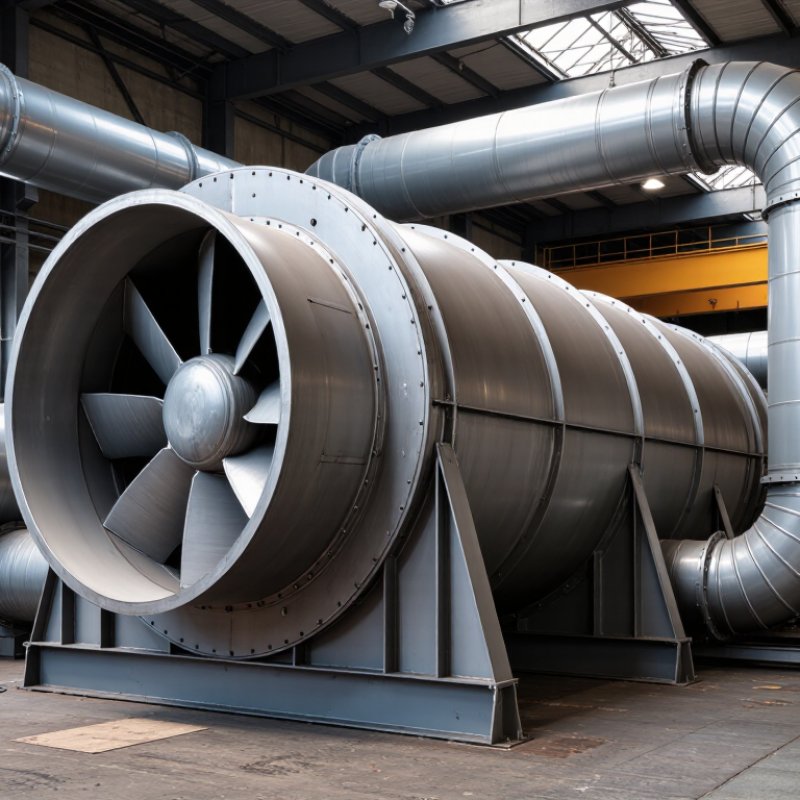
Choosing a Carbon Steel Fan for industrial service begins with the work it must perform, not a catalogue label. A fan moving warm, dusty air in a fabrication shop faces different demands from one handling clean air in a warehouse. Airflow, static pressure, operating temperature, dust load, and daily running hours all shape the choice. Details matter. So do the duct layout and available space around the inlet and outlet.

Carbon steel can offer a practical balance of strength, availability, and cost, but it is not suitable for every environment. Moisture and corrosive gases may require protective coatings, more frequent inspections, or another material. A coating is not a cure-all. Buyers should compare fan curves at the actual duty point, check motor and drive compatibility, and review vibration, noise, access, and maintenance needs. Ask for documented performance data, material details, and clear operating limits. Then check whether the proposed installation matches them. Small mismatches can mean poor airflow, excess energy use, or avoidable wear.

A sound decision also depends on the people and evidence behind the equipment. No verifiable source was provided for a named Carbon Steel Fan specialist’s quotation, so this introduction does not invent one. Any expert quote should be checked against a reliable publication or direct interview before use. That caution is part of good engineering practice: confirm the conditions, question assumptions, and leave room for what the site may reveal after installation.
How to Choose a Carbon Steel Fan for Industrial Use

Define Airflow and Static Pressure Duty Points Using AMCA 210 Test Ratings

Choose a carbon-steel fan by matching its tested duty point to the actual system, not by comparing motor horsepower alone. Specify airflow in cubic feet per minute or cubic metres per second, plus required static pressure at that flow. AMCA 210, also published as ASHRAE 51, sets laboratory methods for measuring fan airflow, pressure, and power. Its ratings provide a consistent comparison, but they do not predict every installed condition.

The U.S. Department of Energy’s Improving Fan System Performance sourcebook estimates that fans account for about 15% of electricity used by industrial motor-driven systems. That figure makes accurate selection worthwhile. List pressure losses from ducts, filters, dampers, and outlets, then allow for expected filter loading. A clogged filter can shift the operating point. Small details matter.

Compare the required point with the AMCA 210 performance curve, checking both airflow and static pressure at the specified air density. Confirm whether the published pressure is fan static pressure or fan total pressure; they are not interchangeable. Also check the test configuration and speed. A tight elbow beside the inlet may reduce installed performance, even when the laboratory rating looks right. The curve is useful, not infallible. Real ductwork is messier than a test setup.

Compare Steel Grades: ASTM A36 Has a Minimum Yield Strength of 36 ksi

When choosing a carbon steel fan, start with the loads on its wheel, blades, and support structure. ASTM A36 has a minimum yield strength of 36 ksi, or about 248 MPa, in applicable thickness ranges. Yield strength describes when steel begins to deform permanently. It is not a complete measure of fan performance.

That distinction matters. A fan wheel may face vibration, repeated starts, abrasive dust, or changing airflow. A36 can suit many fabricated components, but grade alone cannot confirm that a design will withstand those conditions. Check the component thickness, operating speed, expected stresses, and fabrication details. Small weld defects can matter. So can an overlooked vibration source.

Consider the environment, too. Carbon steel can corrode when moisture or process chemicals reach bare surfaces. A protective coating may help, but damaged coating around welds or edges needs attention. Ask for material certificates and verify that the specified grade matches the parts being supplied. Then review the fan’s load calculations and inspection plan. A 36 ksi minimum is a useful starting point, not a promise that every A36 fan will be suitable. The part that seems overbuilt on paper may still need a closer look.

How to Choose a Carbon Steel Fan for Industrial Use

Minimum specified yield strength of selected structural carbon steel grades

ASTM A36 has a minimum yield strength of 36 ksi. Higher-strength grades may support different structural design choices, but yield strength alone does not determine fan suitability. Consider fabrication, corrosion protection, operating temperature, load, and the steel’s product form and thickness. Confirm applicable requirements against the current ASTM specification and material certificate.

Apply Fan Laws: At Similar Conditions, Flow Scales with RPM and Power with RPM³

How to Choose a Carbon Steel Fan for Industrial Use

For a carbon steel industrial fan, speed changes can affect power use much faster than airflow. Under similar conditions, fan laws state that flow varies with RPM, while power varies approximately with RPM cubed. Raising speed from 1,000 to 1,200 RPM may increase flow by about 20%. Power demand may rise about 73%. That is substantial. The U.S. Department of Energy and AMCA discuss these relationships in Improving Fan System Performance: A Sourcebook for Industry (2003). Treat the figures as estimates: air density, system resistance, and efficiency changes affect actual performance.

When choosing a fan, record the required airflow and static pressure at normal production conditions, then check that the fan can meet both without excessive speed. A speed increase can look modest on a control panel but add significant motor load. Check the motor’s rated capacity and confirm the operating point against the system curve. Real ducts are less tidy than calculations suggest. A carbon steel impeller may suit dry, ordinary service, but moisture can bring corrosion; specify a suitable finish and inspect wear points. One caveat is easy to miss: fan laws compare similar conditions, so a changed damper or duct layout can make a neat RPM calculation misleading.

Assess Operating Temperature, Corrosion Exposure, and Protective Coatings

Choose a carbon steel fan against measured operating conditions, not a catalog temperature alone. Record continuous and peak air temperatures, startup spikes, humidity, and possible condensation. Heat can affect clearances, bearings, seals, and coating adhesion. Ask the supplier to confirm the full assembly’s temperature limits, including the motor and bearings. Small details matter.

Corrosion exposure deserves equal attention. Salt-laden air, chemical vapors, and frequent washdowns can attack exposed steel, especially around seams and fasteners. ISO 12944-2 provides a framework for classifying atmospheric corrosivity, but its categories do not select a fan coating by themselves. Specify surface preparation, coating type, and dry-film thickness, then confirm their suitability for the actual chemicals and temperatures. The NACE IMPACT study estimated corrosion costs at US$2.5 trillion annually, or 3.4% of global GDP; it also estimated that better corrosion management could save 15–35% of those costs. That is a broad industry estimate, not a fan-specific forecast. I would still check site conditions carefully: a neat coating specification can miss wet dust collecting behind a guard.

Check Balance and Vibration Limits Against ISO 14694 for Industrial Fans

A carbon steel fan can suit industrial duties where strength, cost, and repairability matter. Match the casing and impeller to airflow, temperature, and dust conditions. In humid or corrosive service, confirm that the protective coating and maintenance plan fit the environment. A sound material choice cannot compensate for poor balance.

ISO 14694 gives a framework for classifying industrial fans and assessing balance quality and vibration. The applicable limits depend on fan category, operating speed, and support arrangement; do not apply one threshold to every installation. Check the relevant standard edition and equipment documentation before acceptance. Measure vibration at consistent bearing locations while the fan runs at its specified speed and load. Record the readings during commissioning. That baseline helps distinguish later wear from normal machine behavior. Rising vibration may point to deposits on the blades, looseness, misalignment, or bearing damage. Sometimes the cause is less obvious.

Tips: Keep the impeller clean, verify mounting bolts, and compare readings under the same operating conditions. If vibration exceeds the applicable limit, investigate before increasing speed. Small differences can matter. A rushed reading can mislead, so document the setup and instrument location.

FAQS

What does A36’s 36 ksi minimum yield strength tell me?

It indicates when steel may begin permanent deformation. It does not prove a fan will perform safely under every load.

Is A36 suitable for a fan wheel or support structure?

It can suit many fabricated parts. Check thickness, operating speed, expected stresses, and fabrication details before choosing it.

What operating details should I check before selecting a fan?

Record continuous and peak air temperatures, startup spikes, humidity, and possible condensation. Small details matter.

Why should the full assembly’s temperature limits be confirmed?

Heat can affect clearances, bearings, seals, and coating adhesion. Ask about the motor and bearings, too.

Which site conditions can increase corrosion risk?

Salt-laden air, chemical vapors, and frequent washdowns can attack exposed steel. Moist dust behind a guard may be easy to miss.

What should a coating specification include?

State the surface preparation, coating type, and dry-film thickness. Confirm they suit the site’s chemicals and temperatures.

Where should I inspect a protective coating closely?

Check welds, edges, seams, and fasteners. Damaged coating in these areas deserves attention.

What documents and design checks should I request?

Request material certificates and verify the specified grade matches the supplied parts. Review load calculations and the inspection plan. I would double-check the vibration sources, too.

Conclusion

Choosing a Carbon Steel Fan for industrial use begins with defining the required airflow and static pressure at the actual operating duty point. Use performance data based on AMCA 210 test ratings to compare options consistently. Material selection also matters: ASTM A36 steel, for example, has a minimum yield strength of 36 ksi, making its strength one factor to consider alongside the fan’s construction and service demands.

Evaluate the operating temperature, corrosion exposure, and need for protective coatings before finalizing a design. Fan laws can help estimate performance changes: under similar conditions, airflow varies with rotational speed, while power varies approximately with the cube of speed. Finally, check that balance and vibration performance meet the applicable ISO 14694 limits for industrial fans. Together, these steps help align fan capacity, material, and operating reliability with the application.

Sophia

Sophia

Sophia is a dedicated marketing professional with an exceptional depth of knowledge about her company's products and services. With a keen understanding of market trends and customer needs, she crafts insightful blog posts that not only inform but also engage readers, enriching the company’s online......