Choosing the right Hood Fan Range for your kitchen is essential for both functionality and aesthetics. Chef James Thompson, a renowned culinary expert, emphasizes, "A great hood fan not only improves air quality but also enhances your cooking experience." The right fan can eliminate smoke, odors, and grease.
Hood Fan Ranges come in various styles, sizes, and features. Each kitchen is unique, making the selection process daunting. You want a model that complements your design while effectively venting your cooking space. Consider your cooking habits and kitchen layout carefully. Are you a passionate chef or a casual cook?
Many overlook noise levels when selecting a Hood Fan Range. Finding a balance between efficiency and quiet operation can be challenging. Some fans may perform well but can be far too loud for comfort. This requires reflection on what matters most in your culinary space—performance or peace? Ultimately, the right Hood Fan Range transforms your kitchen, combining style with practicality.
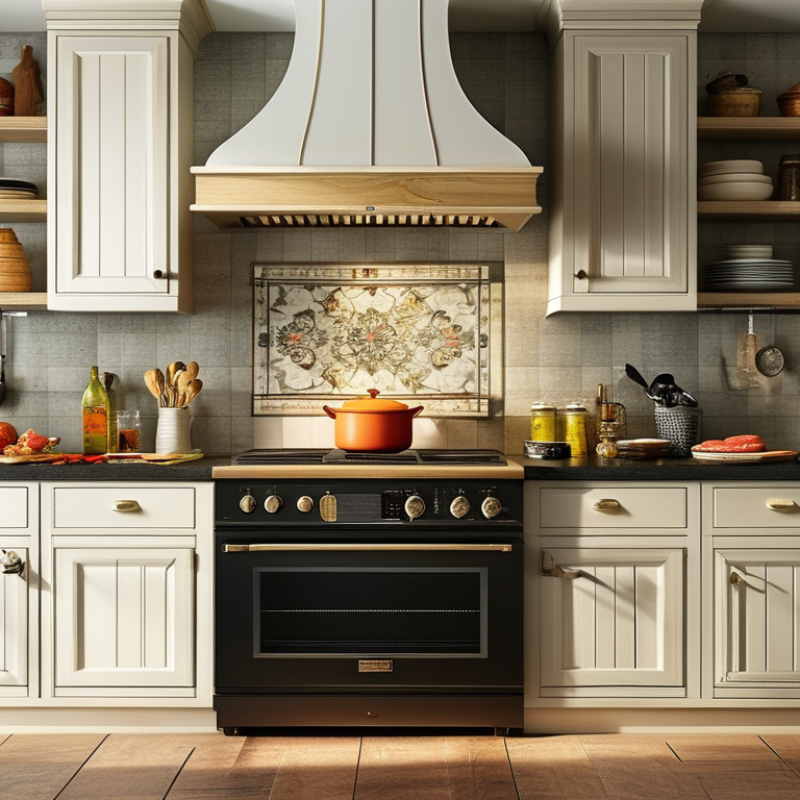
Understanding the Different Types of Hood Fans for Kitchens
When selecting a hood fan for your kitchen, understanding the various types is crucial. Wall-mounted fans are popular for their efficiency. They are ideal for traditional kitchens and provide a strong airflow. Under-cabinet models save space and integrate well with existing cabinetry. Then there are island hoods, perfect for kitchens with an open layout. They create a central focal point while effectively removing smoke and grease.
Tips: Always consider the size of your kitchen and cooking habits. Match the fan size to your stovetop dimensions for optimal performance. Think about noise levels, especially during heavy cooking sessions. A fan that is too loud can disrupt family conversations.
Ducted models vent air outside, offering superior odor control. However, they require installation and can be costly. Ductless options recycle air, using filters to clean it. They work well in apartments but need regular maintenance. Each type has pros and cons. It's essential to assess your kitchen layout and cooking style carefully before deciding.
Key Features to Consider When Selecting a Kitchen Hood Fan
Choosing the right kitchen hood fan can greatly impact your cooking experience. When selecting one, consider its power and efficiency. Look for a fan that matches your kitchen size and cooking habits. A higher CFM (Cubic Feet per Minute) rating indicates stronger airflow. This is essential for ventilating smoke and odors.
Noise level is another crucial factor. A powerful fan should not be overly loud. Consider models with noise ratings under 60 decibels for a more pleasant kitchen environment. Additionally, ease of cleaning is vital. Choose a stainless steel fan with removable filters. This ensures your hood remains in top condition.
Make sure to also assess the design. A stylish fan can enhance your kitchen aesthetics. However, it should not overshadow functionality. You may find that a sleek design sacrifices performance. Balance beauty and utility for the best outcome. Remember, your choice should reflect how you cook and your kitchen's unique style.
Evaluating the Appropriate Size for Your Kitchen Hood Fan
When choosing a kitchen hood fan, the size is crucial. A fan that's too small won't effectively remove smoke or odors. Conversely, an oversized fan can be noisy and may disrupt the kitchen aesthetics. Measuring your cooktop is a good starting point. Ideally, the hood should extend at least 3 inches beyond the sides of the cooktop. This ensures better capture of cooking fumes.
Ceiling height also plays an important role. Standard installations assume a height of 24-30 inches above the cooktop. If your kitchen has high ceilings, you may need a taller hood or an adjustable model. Consider the fan's CFM rating, which indicates airflow. A higher CFM is necessary for gas stoves than electric ones. Ultimately, these factors create a more comfortable cooking environment.
Don't forget about the kitchen layout. Open-concept spaces might require more powerful fans to cover the larger area. It's essential to evaluate how often you cook and what types of meals you prepare. Frequent frying requires stronger ventilation compared to occasional baking. Each kitchen has unique needs that must be met.
Assessing Ventilation Options: Ducted vs. Ductless Hood Fans
When choosing a hood fan for your kitchen, consider the two main ventilation options: ducted and ductless. Ducted fans use external ducts to expel air outside. This method effectively removes smoke, odors, and heat. It ensures better air quality in the kitchen. However, installation can be complex and costly. Sometimes, older homes cannot accommodate ductwork.
On the other hand, ductless hood fans filter air and recirculate it back into the kitchen. They are easier to install and more flexible for various kitchen layouts. You can place them anywhere, even in apartments. However, the filtration system may not eliminate smoke effectively. This limitation could lead to lingering odors. It's essential to assess your cooking style and kitchen size before making a decision. Ducted fans provide superior airflow, while ductless models offer convenience. Balancing effectiveness with practicality is key.
How to Choose the Best Hood Fan Range for Your Kitchen? - Assessing Ventilation Options: Ducted vs. Ductless Hood Fans
| Feature |
Ducted Hood Fans |
Ductless Hood Fans |
| Installation Cost |
Higher due to ductwork |
Lower as no ductwork is needed |
| Air Quality |
Excellent, vents air outside |
Good, filters recirculate air |
| Maintenance |
Moderate, ducts may need cleaning |
Low, mainly filter changes |
| Noise Level |
Can be quieter due to extensive ducting |
Often noisier, compact design |
| Flexibility |
Limited to duct locations |
Highly flexible, can be installed anywhere |
| Efficiency |
High, removes smoke and odors |
Moderate, relies on filters |
Tips for Installing and Maintaining Your Kitchen Hood Fan
Installing and maintaining a kitchen hood fan is essential for a functional cooking space. Proper installation helps in effective ventilation, which is crucial for removing smoke and odors. Pay attention to the ductwork when installing your fan. Ensure that it is correctly sized and sealed to prevent leaks. This step is often overlooked but can significantly affect the fan's performance.
Cleaning your hood fan regularly will prolong its lifespan. Grease and grime build up can diminish its efficiency. Use a soft cloth and a natural cleaner to wipe down the exterior. For the filters, check the manufacturer's instructions. Many filters are dishwasher safe, making maintenance easier. If your filters become excessively dirty, consider replacing them altogether.
Monitor noise levels too. If you notice an increase in sound, the motor might be struggling. This can indicate a need for professional inspection. Don't ignore strange noises; they often signify underlying issues. Regular checks can save you future troubles and expenses. Keeping your kitchen hood fan in good condition isn't just about function; it also enhances your cooking experience.
FAQS
: Focus on power, efficiency, size, and cooking habits.
A higher CFM rating means better airflow, essential for smoke and odor removal.
A quieter fan creates a pleasant cooking environment. Look for models under 60 decibels.
Choose stainless steel models with removable filters for easier maintenance.
Balance aesthetics with functionality. A stylish fan shouldn’t compromise performance.
Ducted fans expel air outside, improving air quality. Ductless fans recirculate filtered air.
Complex installation can be costly, particularly in older homes lacking ductwork.
Ductless fans filter and recirculate air but may not eliminate smoke completely.
Assess your cooking style and kitchen size. Consider airflow vs. convenience.
Many prioritize design over functionality, affecting overall performance.
Conclusion
When selecting the best Hood Fan Range for your kitchen, it's essential to understand the different types of hood fans available, including wall-mounted, island, and under-cabinet models. Key features to consider include noise levels, lighting options, and fan speed settings. Additionally, evaluating the appropriate size for your kitchen hood fan ensures optimal performance and efficiency in eliminating smoke and odors.
Ventilation options are another critical aspect; you can choose between ducted and ductless hood fans based on your kitchen layout and needs. Finally, proper installation and regular maintenance are vital for keeping your hood fan in peak condition. By following these guidelines, you can confidently choose a Hood Fan Range that enhances both the functionality and ambiance of your kitchen.
 Chiye Fan
