Choosing the right Heat Recovery Ventilator (HRV) for your home is crucial for indoor air quality. A well-designed HRV can efficiently exchange stale indoor air with fresh outdoor air while recovering energy. According to the U.S. Department of Energy, proper ventilation can improve air quality by reducing pollutants and controlling humidity levels.
Many homeowners underestimate the importance of selecting an appropriate HRV. A poorly chosen system may lead to excessive energy loss or inadequate ventilation. In fact, a study from the Home Ventilating Institute shows that almost 40% of homes are not effectively ventilated. This can result in higher energy costs and compromised indoor air quality.
Before making a choice, consider your home’s specific needs. Factors like size, layout, and existing insulation play critical roles. While fancy features in some HRVs may seem appealing, the primary goal should be energy efficiency and effectiveness. Reflect on your environment—does your home struggle with moisture or airborne pollutants? This awareness will guide you in selecting the right HRV for your unique circumstances, ensuring both comfort and health.
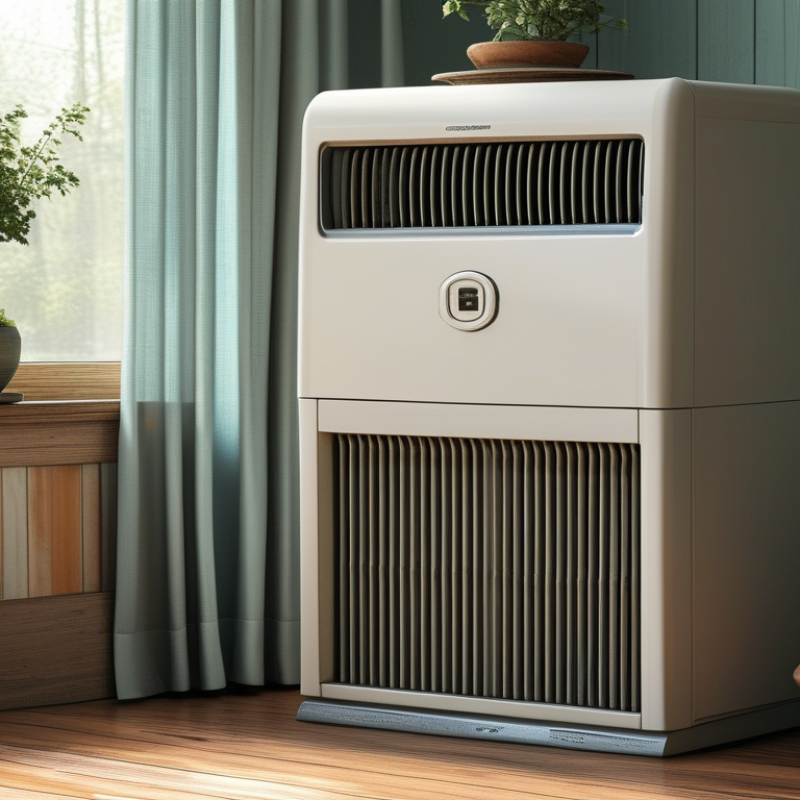
Understanding the Basics of Heat Recovery Ventilators
Heat recovery ventilators (HRVs) are essential for maintaining indoor air quality. Understanding how they work helps in choosing the right one. HRVs exchange stale indoor air with fresh outdoor air while retaining heat. This process enhances comfort in your home, especially during extreme weather conditions.
When selecting an HRV, consider your home's size and ventilation needs. Smaller spaces might not need large units. A unit that is too powerful can lead to over-ventilation, causing discomfort and higher energy bills. Noise levels are another important factor. Some models produce more sound than others, which may disrupt your peaceful environment.
Efficiency ratings are vital as well. Units with higher ratings perform better in conserving energy. However, balancing efficiency with cost can be tricky. While investing in a high-quality HRV is beneficial, not all expensive models provide significant advantages. Research and read reviews to find a reliable option that suits your specific needs. This process can feel overwhelming, but taking the time to understand your options will lead to a better choice.
Heat Recovery Ventilators Performance Comparison
Key Considerations for Choosing a Heat Recovery Ventilator
Choosing the right heat recovery ventilator (HRV) for your home involves several key considerations. Start with your home’s size. A system too small for your space won’t efficiently ventilate. Conversely, an oversized HRV can lead to excessive air changes, wasting energy. Measure your home’s square footage and determine your ventilation needs accordingly.
Pay attention to the efficiency ratings of different models. Look for systems with high heat recovery efficiency. This will ensure better energy savings during operation.
Noise level is another critical factor. An HRV that operates quietly can significantly improve your overall comfort. Check the decibel ratings to find a suitable model.
Installation requirements can vary. Some HRVs demand specific ductwork, while others may be more adaptable to existing structures. Assess whether your home can accommodate the necessary setup. It’s also wise to consider maintenance needs. Systems that require frequent servicing can become burdensome over time. Evaluate how accessible filters are for replacement to ensure it fits your lifestyle.
Small details matter; they can impact your long-term satisfaction with the system.
Evaluating the Size and Capacity of Ventilation Systems
Choosing the right heat recovery ventilator (HRV) for your home involves careful evaluation of size and capacity. Proper sizing ensures that the system effectively balances indoor air quality and energy efficiency. An undersized unit may struggle to ventilate your home, leading to stale air. Conversely, an oversized unit can waste energy and create drafts.
Tips: Measure the square footage of your home. Consider the number of occupants and daily activities. A larger family or home generates more moisture and requires better ventilation. Use online calculators, but consult with an expert for precise requirements.
Pay attention to the airflow rates. A good HRV should match your home’s needs. The measured airflow is often listed in cubic feet per minute (CFM). If you are unsure, seek professional help to determine the right fit. Installation mistakes can diminish the system's efficiency.
Tips: Review local building codes regarding ventilation systems. Ensure that all vents are properly installed and not obstructed. An overlooked detail here can lead to performance issues later. Consider your climate; areas with high humidity need different systems than dry regions.
Assessing Energy Efficiency Ratings and Specifications
When choosing a heat recovery ventilator (HRV) for your home, energy efficiency is key. Look for models that have high efficiency ratings, such as the ERV or HRV systems with an Efficiency Rating (ERV) above 80%. A report from the U.S. Department of Energy notes that efficient ventilation systems can reduce energy costs by up to 30%. This can translate to significant savings over time.
Specifications matter too. Many units require specific airflow rates, often measured in cubic feet per minute (CFM). A standard recommendation suggests around 1 CFM per person in a space. However, many homeowners overlook this detail. Additionally, consider the noise level, expressed in decibels (dB). Units that exceed 50 dB can be distracting. Make sure your choice balances efficiency and comfort.
Installation and duct layout also influence overall performance. Poorly designed systems can lead to energy loss. This is a common oversight. Regular maintenance matters as well. Dust and debris can severely affect efficiency. Ignoring these details may reduce your HRV's effectiveness. Understanding these specifications will guide you to a better decision for your home.
Installation and Maintenance Factors for Heat Recovery Ventilators
When selecting a heat recovery ventilator (HRV) for your home, installation and maintenance are critical. Proper installation ensures optimal efficiency. According to the American Council for an Energy-Efficient Economy (ACEEE), improper installation can reduce air exchange efficiency by up to 30%. This loss leads to higher energy bills. Professional installation is advisable for safety and performance. Many homeowners overlook duct placement, which is vital for balanced airflow.
On the maintenance front, regular checks are necessary to keep an HRV functioning well. The Energy Star program suggests changing filters every 6 to 12 months. Clogged filters can decrease airflow and increase operation costs. Additionally, inspecting the core annually can prevent costly repairs. Dust buildup can impair efficiency and indoor air quality. Studies show that neglected HRVs can lose 10%-20% of their efficiency over time. Regular maintenance sounds basic, but many homeowners miss this step, leading to issues later. Always take a proactive approach to ensure your system runs efficiently.
FAQS
: An HRV exchanges stale indoor air for fresh outdoor air while retaining heat.
A unit too small won't ventilate properly. An oversized unit may waste energy.
Measure your home’s square footage. Evaluate the number of rooms and airflow requirements.
Some HRVs are noisier than others. Check decibel ratings to find a quiet model.
Higher efficiency ratings mean better energy savings. However, balancing cost and efficiency can be challenging.
Some HRVs need specific ductwork. Others may fit existing structures better.
Some systems need frequent servicing. Ensure filters are easy to replace for convenience.
Not all high-priced models offer significant advantages. Research and reviews are essential.
HRVs enhance comfort during extreme weather. Performance may vary based on seasonal air quality.
The variety of options can make decision-making tough. Take time to research thoroughly.
Conclusion
Choosing the right Heat Recovery Ventilator (HRV) for your home requires a solid understanding of its fundamental principles and various key factors. Begin by familiarizing yourself with how HRVs work, focusing on their ability to improve indoor air quality while conserving energy. Essential considerations include the size and capacity of the ventilation system, as well as the energy efficiency ratings that will help minimize operational costs.
Additionally, it's crucial to evaluate installation and maintenance requirements to ensure optimal performance and longevity of the Heat Recovery Ventilator. By taking these aspects into account, homeowners can make informed decisions that align with their specific needs, ultimately enhancing comfort and air quality in their living spaces while reducing energy consumption.
 Chiye Fan
