
In the quest for sustainable living, the choice of appliances matters significantly. Among these, environmentally friendly fans stand out. These fans offer a blend of efficiency and responsibility toward our planet. They are designed to consume less energy and to have a smaller carbon footprint than traditional options.
Selecting the right fan can be overwhelming. With numerous designs and technologies available, it’s easy to feel lost. However, understanding the benefits of environmentally friendly fans helps narrow down your options. Many of these fans not only reduce energy consumption but also incorporate materials that are recyclable and non-toxic.
Exploring the top ten options reveals various features tailored for eco-conscious consumers. There are fans equipped with energy-efficient motors and those that use renewable resources. While making choices, it’s essential to reflect on the impact of these products. Are they truly sustainable? Are we making educated choices, or just following trends? Let’s dive deeper into a selection that champions a greener future.
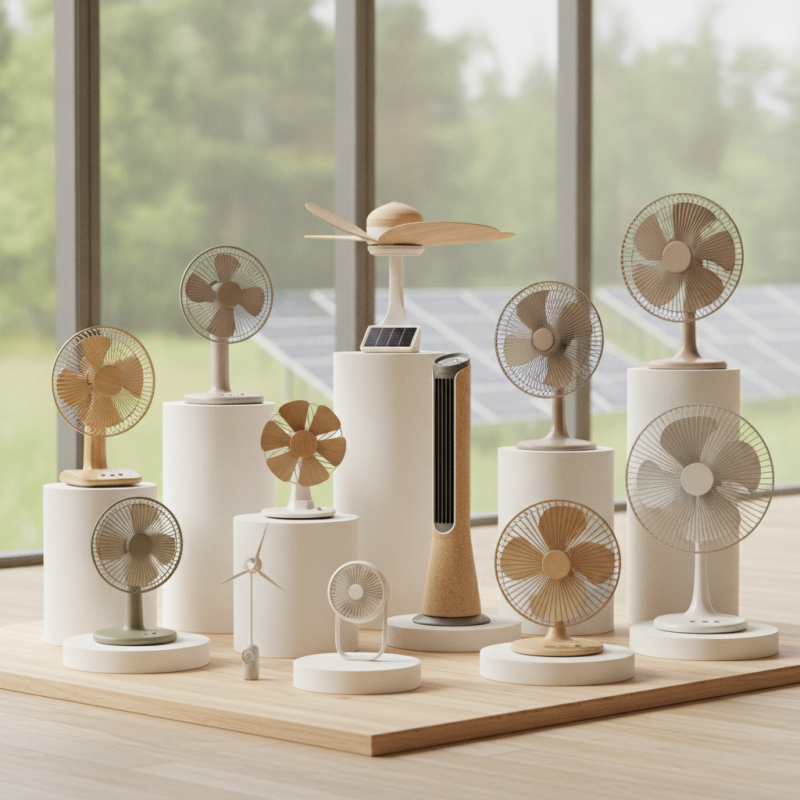
When choosing environmentally friendly fans, consider key features that enhance energy efficiency. Look for models with Energy Star certification. These fans use up to 60% less energy than traditional ones. Additionally, opt for fans made from recycled or sustainably sourced materials. This can significantly reduce your carbon footprint and environmental impact.
Another important feature is the noise level. Quiet operation can enhance comfort and reduce distractions. Check the fan's decibel level, aiming for models below 40 dB. Remote control features add convenience, enabling users to adjust settings without moving. This small detail can lead to a more efficient energy use pattern.
Finally, consider fan size and airflow design. A fan that efficiently circulates air can create a comfortable atmosphere without relying on air conditioning. Studies indicate that proper airflow can reduce indoor temperatures by several degrees. However, selecting the right size for your space is crucial. Larger fans in small rooms may waste energy, while small fans in larger areas might underperform. Balancing these factors is essential for sustainable living.
When it comes to sustainable living, fans play a surprising role in energy efficiency. According to the U.S. Department of Energy, ceiling fans can save up to 15% on cooling costs. This makes eco-friendly fans an important choice for environmental-conscious consumers. Look for fans made from sustainable materials like bamboo or recycled metals. These materials not only reduce waste but also enhance durability.
Some brands focus on energy-efficient technology. Energy Star-rated fans consume about 60% less energy than traditional models. By choosing these, you contribute to lower carbon footprints. However, market trends indicate a rising concern regarding the durability of eco-friendly products. Some consumers find that cheaper options do not last long, which raises questions about long-term sustainability.
Tips for your fan purchase: always check the wattage. Lower wattage often means less energy usage. Prioritize fans with reversible motors. They can serve you well in both summer and winter. Consider the size of the fan as well, as properly sized fans can maximize airflow efficiency.
Energy efficiency is a crucial factor when choosing environmentally friendly fans. These fans offer significant advantages over traditional models. They often consume less electricity, helping to reduce carbon footprints. When evaluating their performance, look at power consumption and airflow efficiency.
Some eco-friendly fans use advanced motor technology. This technology allows them to operate at lower wattages. Users may notice a difference in indoor comfort without increasing energy costs. Various designs also contribute to energy savings by enhancing airflow dynamics. However, it's essential to acknowledge that not all models are created equal. Some may promise efficiency but deliver mediocre performance.
Testing airflow and power ratings is necessary for making informed choices. It's not just about the initial purchase price. Long-term energy consumption can impact sustainability efforts. Choosing an energy-efficient fan can significantly lower household energy bills. Yet, consumers need to research and compare options carefully. In some cases, the most promoted models are not the most efficient. Always aim for transparency in specifications before making a decision.
| Model | Power Consumption (W) | Airflow (CFM) | Energy Star Rated | Material | Noise Level (dB) |
|---|---|---|---|---|---|
| Model A | 30 | 1500 | Yes | Bamboo | 35 |
| Model B | 25 | 1200 | Yes | Recycled Plastic | 40 |
| Model C | 20 | 1000 | No | Aluminum | 32 |
| Model D | 28 | 1400 | Yes | Wood | 38 |
| Model E | 22 | 1100 | Yes | Fabric | 30 |
| Model F | 18 | 900 | No | Bamboo | 28 |
| Model G | 24 | 1300 | Yes | Recycled Metal | 31 |
| Model H | 26 | 1150 | Yes | Compostable Materials | 29 |
| Model I | 21 | 1020 | No | Natural Fibers | 33 |
| Model J | 19 | 940 | Yes | Recycled Plastic | 34 |
In the quest for sustainable living, selecting fans made from eco-friendly materials is vital. Many fans on the market now integrate sustainable components. These materials reduce environmental impact and often enhance the overall durability of the product.
Wood, bamboo, and recycled metals are popular choices. Bamboo, for instance, grows rapidly and does not require pesticides. Recycled metals, such as aluminum, minimize waste. Manufacturers often showcase these materials in design. It gives fans not only a unique look but also a greener footprint. However, some companies still use plastic, raising concerns. While plastic may be cheaper, it generates significant waste.
The production process also matters. Eco-friendly fans often utilize energy-efficient methods, reducing their carbon footprint. This includes using renewable energy sources during manufacturing. However, consumers must remain vigilant. Not all marketing claims are accurate. Verifying sustainability claims is essential in today's marketplace. Ultimately, choosing the right materials truly supports sustainable living.
Many consumers are seeking eco-friendly fans to enhance their sustainable lifestyle. Reviews indicate varying levels of performance among these products. Some users appreciate energy-efficient fans for their low operating costs. According to a 2022 study by the Energy Star program, efficient fans can reduce energy use by up to 60%. This statistic highlights the importance of selecting the right product.
However, performance can vary based on design and features. Customers have reported occasional shortcomings, such as insufficient airflow at higher speed settings. Feedback suggests that while many fans claim to be eco-friendly, their efficiency in real-world conditions can differ from expectations. Additionally, experts warn that some materials, though marketed as green, may not be as sustainable in production or disposal.
In reviewing user experiences, it’s clear that some fans deliver exceptional results, while others fall short. These real-world assessments help guide potential buyers in making informed choices. Environmental performance is crucial, but practicality should not be overlooked. A focus on both aspects can lead to more satisfying and sustainable selections.
: Fans can save up to 15% on cooling costs, helping reduce overall energy consumption.
Choose fans made from sustainable materials like bamboo or recycled metals for durability and waste reduction.
Checking wattage helps identify energy usage. Lower wattage usually means lower energy consumption.
Prioritize fans with reversible motors; they can efficiently provide airflow in both summer and winter.
Look at power consumption, airflow efficiency, and advanced motor technology to assess overall performance.
No, some models may promise efficiency but fail to deliver. Always research before purchasing.
Properly sized fans maximize airflow efficiency, leading to better performance and energy savings.
Beware that cheaper options might lack durability and lead to a cycle of replacements over time.
No, consider long-term energy consumption as it impacts sustainability and expenses in the long run.
Transparency is crucial. Always verify specifications to ensure you're choosing an efficient product.
In today's eco-conscious world, the demand for Environmentally Friendly Fans is rising as consumers seek sustainable living solutions. When selecting these fans, key features to consider include energy efficiency ratings, noise levels, sustainable materials, and design aesthetics. A comparative analysis of energy efficiency highlights how these fans can significantly reduce electricity consumption while maintaining optimal performance.
Additionally, the choice of materials used in fan manufacturing plays a crucial role in their environmental impact. Fans made from recycled or sustainably sourced components offer a lower carbon footprint. Customer reviews provide valuable insights into the real-world effectiveness of these green fans, emphasizing their performance and durability. Overall, investing in Environmentally Friendly Fans not only contributes to a healthier planet but also enhances living spaces with style and functionality.

Chiye Fan