
What is a Low Noise High Pressure Fan and Why You Need One?

Time:2026-06-19 Author:Oliver
0%

In a world where noise pollution is a growing concern, finding the right ventilation solution is crucial. A Low Noise High-Pressure Fan emerges as a practical choice. It not only operates quietly but also delivers efficient airflow. This balance is vital for various settings, including industrial spaces, offices, and homes.

Many may underestimate the impact of sound on productivity and comfort. A typical fan can create distracting noise levels. In contrast, a Low Noise High-Pressure Fan minimizes this intrusion while maximizing performance. It provides a calmer environment, enhancing focus and well-being.

Understanding the specific needs of your space is essential. Not every high-pressure fan can offer low noise. Each model varies significantly in design, materials, and technology. Awareness of these differences allows for informed decisions. Investing in a quality fan can lead to long-term benefits. Consider the role of a Low Noise High-Pressure Fan in your environment; it could make all the difference.
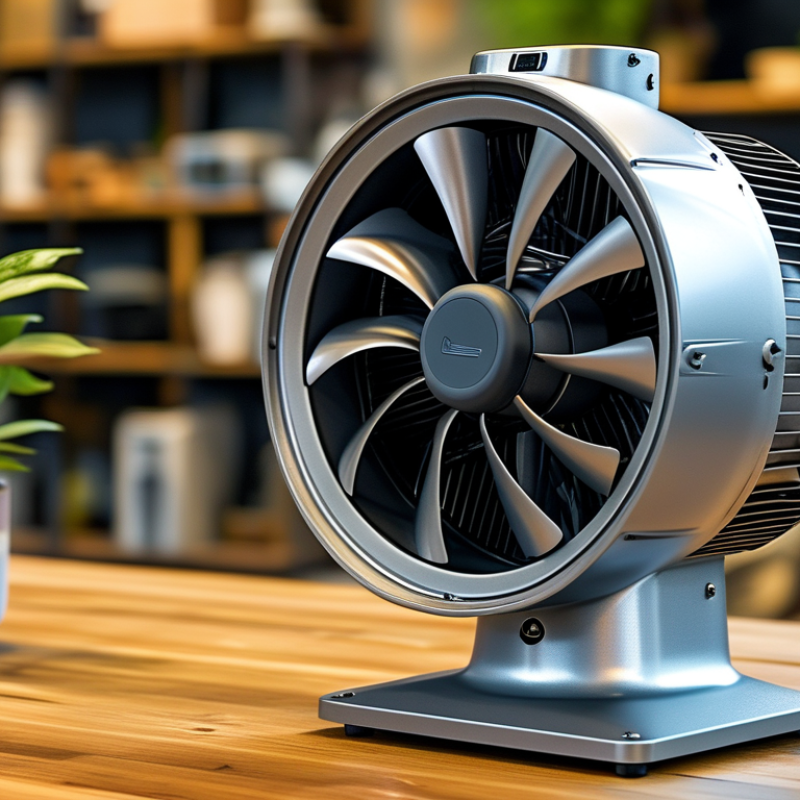
What is a Low Noise High Pressure Fan and Why You Need One?

Definition of a Low Noise High Pressure Fan

A low noise high pressure fan is designed to operate quietly while providing significant airflow resistance. This type of fan is essential in environments where noise reduction is critical. For instance, hospitals, libraries, and office spaces often rely on these fans to ensure comfort without disturbing occupants. The ability to maintain high pressure while minimizing sound output showcases advanced engineering techniques.

These fans utilize specialized materials and design features to achieve their goals. The blades are often shaped to optimize airflow while reducing turbulence, which is a significant source of noise. Moreover, advanced motor technology helps in lowering vibrations, further contributing to a quieter operation. However, finding the right balance between air pressure and noise level can be challenging. There may be instances where achieving the desired pressure compromises noise levels or vice versa.

In certain applications, users may struggle to select an appropriate option. Sometimes, they overlook the importance of fan positioning or duct design, which can affect performance. Reflecting on these choices is key. The right low noise high pressure fan improves not just air quality but also overall productivity in various settings.

Key Features and Benefits of Low Noise High Pressure Fans

Low Noise High Pressure Fans are engineered for efficient air movement in various applications. One of their key features is the ability to deliver high airflow rates while maintaining low noise levels. This is vital in environments where sound control is critical, like hospitals or libraries. According to a report by the American Society of Heating, Refrigerating and Air-Conditioning Engineers (ASHRAE), noise levels in these settings can adversely affect patient recovery and concentration. A well-designed fan can operate under 30 decibels, comparable to a whisper.

The benefits extend beyond noise reduction. These fans often feature advanced motor technology, which ensures they consume less energy. Data from the U.S. Department of Energy shows that energy-efficient fans can reduce operational costs by up to 50%. In industrial settings, where air pressure is crucial, these fans provide the necessary thrust without compromising quiet operation. This creates a sustainable approach to energy usage and builds a more comfortable work environment.

Choosing the right fan involves considering more than just specifications. Installation and maintenance are equally critical. Improper installation can lead to increased noise and reduced efficiency. Regular maintenance is often overlooked but is essential for durability. It's important to reflect on these factors, as neglect can result in performance issues and higher costs over time.

Applications of Low Noise High Pressure Fans in Various Industries

Low noise high pressure fans play a vital role in various industries. These fans produce minimal sound while delivering air at high pressure. This feature is crucial in environments where noise control is paramount. In laboratory settings, for example, a quiet fan can help maintain a calm atmosphere. This allows researchers to focus on their experiments without distraction.

In manufacturing, these fans are used for cooling and ventilation. They keep equipment operational while minimizing noise pollution. Workers benefit from a more comfortable environment. However, ensuring proper installation is essential. Poor installation might lead to inefficiencies or unexpected noise levels. Regular maintenance also cannot be overlooked. Neglecting these aspects can result in decreased performance.

In the food industry, low noise high pressure fans help maintain airflow in processing plants. They prevent contamination while ensuring product quality. Yet, achieving this balance is complex. Each facility has unique requirements that may necessitate custom solutions. Addressing these challenges requires expertise. Collaboration with professionals can lead to optimal results.

Applications of Low Noise High Pressure Fans in Various Industries

Comparing Low Noise High Pressure Fans with Traditional Fans

Low noise high pressure fans offer distinct advantages over traditional fans, particularly in applications requiring quiet operation. These modern fans are engineered to generate high pressure, making them suitable for environments like hospitals and libraries. Unlike traditional fans, which can be noisy and disruptive, low noise models maintain a peaceful atmosphere.

One key difference lies in design and technology. Low noise high pressure fans often feature advanced blade shapes and motor designs. These innovations reduce sound while improving airflow efficiency. In contrast, traditional fans might neglect sound insulation, creating a cacophony in quiet settings. Users might notice that traditional fans struggle to maintain effective airflow at higher pressures, leading to inefficiencies.

Though low noise fans provide many benefits, their initial costs may be higher. Users must weigh the long-term benefits against upfront expenses. There is a learning curve when transitioning to this type of technology. The decision should consider specific needs, such as space and application. For environments demanding low sound levels, investing in a low noise high pressure fan often proves worthwhile.

Comparison of Low Noise High Pressure Fans and Traditional Fans

Feature Low Noise High Pressure Fans Traditional Fans
Noise Level Below 30 dB Above 40 dB
Air Pressure Up to 500 Pa Up to 300 Pa
Energy Efficiency High (60-80%) Moderate (30-50%)
Lifespan Over 50,000 hours Around 30,000 hours
Applications Medical, Electronics, HVAC Industrial, Household
Price Range $150 - $500 $50 - $200

Maintenance Tips for Optimizing Performance of High Pressure Fans

Maintaining a high-pressure fan is essential for optimal performance. Research indicates that proper maintenance can enhance efficiency by up to 30%. Regular cleaning of fan blades and housings is crucial. Dust and grime can increase noise and reduce airflow. Schedule cleaning every few months, especially in dusty environments.


Check the fan’s bearings and lubrication levels. Bearings that lack lubrication can lead to friction, generating extra heat and noise. Inadequate lubrication can shorten the fan's lifespan. Using the right type of lubricant is vital. It ensures smooth operation and minimizes wear and tear.


Monitoring vibrations is another key aspect. Excessive vibrations can signal mechanical issues. They may also affect system performance. Using vibration analysis tools can help identify problems early. Pay attention to unusual sounds or increased energy consumption as signs of potential failure. Addressing these issues promptly can save on costly repairs.

FAQS

: What is a low noise high pressure fan?

: It is designed for efficient air movement with minimal sound.

Why is noise control important in certain environments?

High noise levels can affect patient recovery and concentration in places like hospitals and libraries.

How does energy-efficient fan technology benefit users?

It can reduce operational costs by up to 50%, providing significant savings.

What is essential for the installation of a high pressure fan?

Proper installation is crucial to avoid increased noise and reduced efficiency.

How can regular maintenance impact fan performance?

Regular maintenance can enhance efficiency by up to 30%, ensuring longevity and optimal operation.

What cleaning schedule is recommended for high pressure fans?

Clean fan blades and housings every few months, especially in dusty areas.

How does lubrication affect fan operation?

Proper lubrication prevents friction, reducing noise and extending the fan's lifespan.

What should you monitor to ensure fan efficiency?

Check for vibrations and unusual sounds which might indicate mechanical problems.

Why collaborate with professionals for fan solutions?

Each facility’s needs are unique, and expert input can lead to optimal performance.

What can happen if maintenance is neglected?

Neglect can lead to performance issues, increased noise, and higher costs over time.

Conclusion

A Low Noise High-Pressure Fan is designed to operate efficiently while minimizing sound levels, making it an ideal choice for environments where noise control is crucial. These fans are characterized by their ability to deliver high static pressure while maintaining a quieter operation, making them suitable for a variety of applications across different industries such as HVAC systems, industrial processes, and cleanrooms.

The key features of Low Noise High-Pressure Fans include advanced aerodynamic designs, noise-reducing technologies, and energy efficiency. They offer significant benefits, including enhanced performance, prolonged service life, and lower operating costs compared to traditional fans. Regular maintenance is essential for optimizing the performance of these fans, ensuring they continue to operate effectively regardless of the demanding conditions they may face.

Oliver

Oliver

Oliver is a seasoned marketing professional with a wealth of expertise in driving brand awareness and engagement. With a deep understanding of our company's product offerings, he consistently delivers high-quality content that enriches our professional blog. His insights not only shed light on......