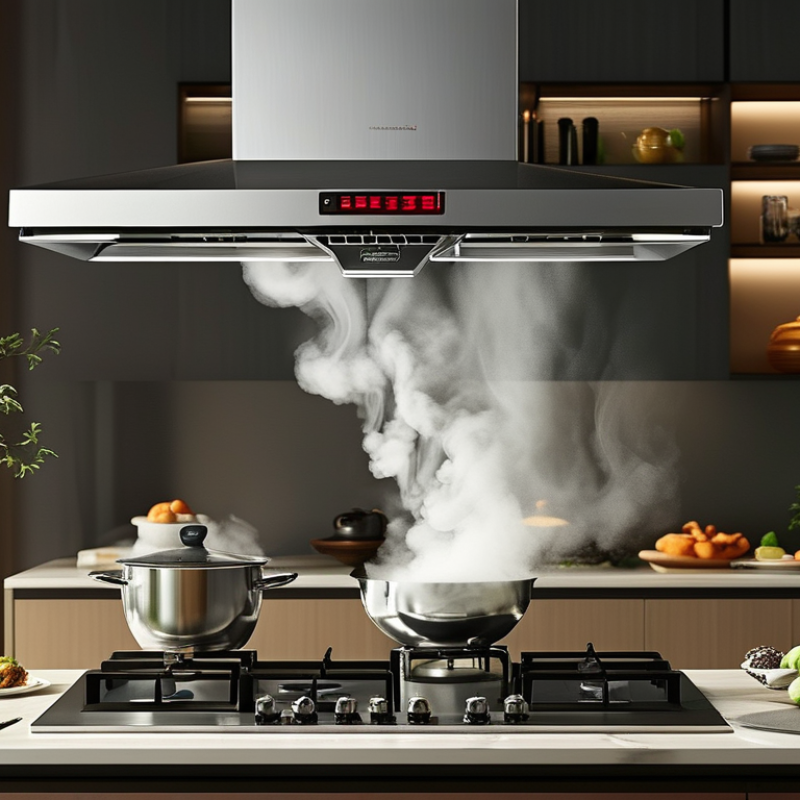
A Range Exhaust Hood is an essential appliance in modern kitchens. It efficiently removes smoke, steam, and odors during cooking. This device works by pulling air through filters, ensuring a cleaner environment.
Many homeowners overlook the importance of a Range Exhaust Hood until issues arise. A proper installation is crucial. An ineffective hood can lead to grease buildup and poor air quality. Regular maintenance is vital for optimal performance.
Understanding its functionality can enhance your cooking experience. A Range Exhaust Hood not only improves air quality but also protects your kitchen. Educating yourself about different models can help you make informed choices. Investing in a quality exhaust hood may sometimes feel overwhelming, yet it is key to a healthy kitchen.
What is a Range Exhaust Hood?
A range exhaust hood is an essential kitchen appliance. It is designed to remove smoke, steam, and odors generated during cooking. Installed above the cooktop, it works by drawing air up and filtering it. This process keeps your kitchen environment comfortable and safe.
The mechanism starts with a fan that creates airflow. When you cook, the hood activates, capturing the harmful elements immediately. Filters inside the hood trap grease and particulates, preventing them from dispersing into the air. Regular cleaning of these filters is vital for optimal performance. Neglecting this maintenance can lead to reduced efficiency.
Inadequate lighting can also be a concern. Some hoods come with built-in lights, enhancing visibility while cooking. A poorly lit area may increase cooking accidents. Choosing the right size for your kitchen and range is crucial. An oversized or undersized hood can disrupt airflow and performance. Consider your cooking habits when selecting a range exhaust hood for a better experience.
Key Components of a Range Exhaust Hood
A range exhaust hood is crucial in maintaining a safe cooking environment. It effectively removes smoke, heat, and odors from the kitchen. Some key components play vital roles in its operation.
The fan or blower is the heart of the exhaust hood. It draws air from the kitchen into the hood. This air often carries grease and other particulates. A study by the National Fire Protection Association highlights that over 45% of kitchen fires originate from cooking equipment. A powerful fan helps mitigate this risk.
Filters are another essential component. They capture grease and prevent it from accumulating in the ductwork. There are various types of filters, including baffle and mesh styles. Each has unique efficiencies. According to a report from the American Society of Heating, Refrigerating and Air-Conditioning Engineers, proper filtration can improve indoor air quality significantly. Regular maintenance of filters is necessary, as clogged filters can reduce airflow and increase fire risks.
Ductwork is also crucial for ventilation. It allows for efficient air flow from the hood to the outdoors. Poorly designed ductwork can lead to increased resistance. Many homes might skimp on this part, not realizing the long-term consequences. Proper installation and materials are necessary for optimal performance.
Key Components of a Range Exhaust Hood
How Does a Range Exhaust Hood Work?
A range exhaust hood plays a critical role in kitchen ventilation. It works by capturing airborne contaminants produced during cooking, including smoke, steam, and odors. According to the U.S. Environmental Protection Agency (EPA), cooking can release harmful particles that impact indoor air quality. An efficient hood can remove up to 90% of these pollutants, making your kitchen healthier.
When a range exhaust hood is in operation, it uses a fan to pull air through filters. These filters trap grease and debris, preventing them from circulating back into your home. A study by the American Society of Heating, Refrigerating and Air-Conditioning Engineers found that proper ventilation can significantly reduce the concentration of indoor pollutants. However, many homeowners fail to maintain their exhaust systems regularly. This neglect can lead to decreased performance and increased fire risk due to grease buildup.
The effectiveness of a range exhaust hood depends on proper installation and usage. Many factors affect airflow rates, including duct length and filter cleanliness. A common misstep is relying solely on the hood’s fan without opening windows for cross-ventilation. Simple mistakes like these can hinder a hood's ability to maintain air quality, reflecting the importance of combining technology with awareness for optimal results.
What is a Range Exhaust Hood and How Does it Work?
| Feature |
Description |
Function |
| Ventilation |
Removes smoke, steam, and odors from the kitchen |
Improves air quality and comfort while cooking |
| Filters |
Uses grease and charcoal filters to clean the air |
Traps grease particles, preventing buildup |
| Suction Power |
Measured in cubic feet per minute (CFM) |
Determines how effectively air is removed |
| Installation Type |
Can be wall-mounted, under-cabinet, or island style |
Affects kitchen layout and aesthetics |
| Noise Level |
Measured in sones |
Indicates how loud the hood operates |
| Lighting |
Includes built-in lights for illuminating the cooking area |
Enhances visibility for cooking |
Benefits of Using a Range Exhaust Hood
Using a range exhaust hood in your kitchen has many advantages. These hoods effectively remove smoke, steam, and odors created during cooking. This process enhances air quality, making your kitchen a more pleasant environment. Poor ventilation can lead to lingering smells and humidity, which can harm your health over time.
One important benefit is that range exhaust hoods can prevent grease buildup. When grease accumulates on surfaces, it becomes a fire hazard. Regularly cleaning these hoods can greatly reduce this risk. Proper installation also matters. If the hood doesn’t fit well, it may not function efficiently.
Tip: Ensure your hood is the right size for your range. A hood that is too small will struggle to capture the smoke and odors. Additionally, clean or replace filters as needed. This will help maintain optimal performance. Sometimes people overlook maintenance, thinking it's unnecessary. Yet, neglecting this can lead to poor air quality.
Investing in a range exhaust hood provides both immediate and long-term benefits. It enhances the cooking experience while ensuring safety in your home. Many homeowners realize its importance only after experiencing issues with air quality. Reflect on this aspect, as it can make a significant difference.
Maintenance Tips for Range Exhaust Hoods
Proper maintenance of a range exhaust hood is crucial for optimal performance. Regularly cleaning the filters is essential. Grease buildup can hinder airflow and efficiency. Use warm, soapy water to scrub the filters at least once a month. Rinse and dry them thoroughly before reinstalling. This simple task can drastically improve the hood’s effectiveness.
Inspect the ductwork routinely. Check for any clogs or blockages that may impede airflow. A professional cleaning every year is a wise choice. This ensures all grease is removed from hard-to-reach areas. It might be easy to overlook this maintenance, but neglecting it could lead to costly repairs.
Pay attention to the hood’s lights. If they dim or flicker, it may indicate a need for bulb replacement. Keeping the lighting functional helps in monitoring cooking conditions. Also, examine the fan functionality. A noisy or unresponsive fan calls for immediate attention. Consistent maintenance is the key to a long-lasting range exhaust hood. Ignoring these aspects may result in reduced efficiency and increased energy costs.
FAQS
: A range exhaust hood is a kitchen appliance that removes smoke, steam, and odors during cooking.
It uses a fan to draw air up, filtering out harmful elements and keeping the kitchen safe.
Cleaning filters prevents grease buildup, which can reduce airflow and the hood's efficiency significantly.
It's recommended to clean the filters at least once a month for optimal performance.
If the lights are dim, it may be time to replace the bulbs for better visibility while cooking.
Inspect the ductwork for clogs or blockages regularly to ensure good airflow and prevent issues.
A noisy or unresponsive fan indicates a problem that should be addressed immediately.
Routine cleaning, inspecting the ductwork, and checking the lights and fan functionality are crucial.
Neglected maintenance could lead to reduced efficiency, costly repairs, and increased energy costs.
An improperly sized hood can disrupt airflow, so it's essential to choose the right size for your kitchen.
Conclusion
A Range Exhaust Hood is an essential kitchen appliance designed to remove smoke, grease, steam, and odors generated during cooking. It typically consists of key components such as the hood itself, a fan or blower, filters, and ductwork that help to efficiently ventilate the cooking area. The Range Exhaust Hood operates by drawing air from the kitchen, passing it through filters to trap contaminants, and expelling the cleaned air outside or recirculating it back into the kitchen.
Using a Range Exhaust Hood offers numerous benefits, including improved indoor air quality, reduced heat and humidity, and a cleaner cooking environment. Regular maintenance, such as cleaning filters and inspecting the fan, is crucial for optimal performance and longevity of the unit. Investing in a Range Exhaust Hood not only enhances cooking comfort but also contributes to a healthier home.
 Chiye Fan