 Chiye Fan
What is a Stainless Steel Fan and Why Choose One?
A Stainless Steel Fan is more than just a cooling appliance. It combines functionality with aesthetic appeal, making it a popular choice for both homes and businesses. These fans are known for their durability and resistance to rust and corrosion, which is essential in humid environments. Choosing a Stainless Steel Fan can elevate your space while providing reliable airflow.
Many homeowners appreciate the sleek design of stainless steel. It complements modern and industrial decor styles. These fans often require less maintenance than traditional options, thanks to their robust materials. However, potential buyers should consider the initial investment, as stainless steel fans can be pricier than their plastic counterparts.
While the benefits are clear, not all stainless steel fans perform equally. Researching reputable brands and reading user reviews can guide your decision. Selecting a fan that meets both your aesthetic and functional needs takes time. Therefore, investing in quality should be a priority for any discerning buyer.
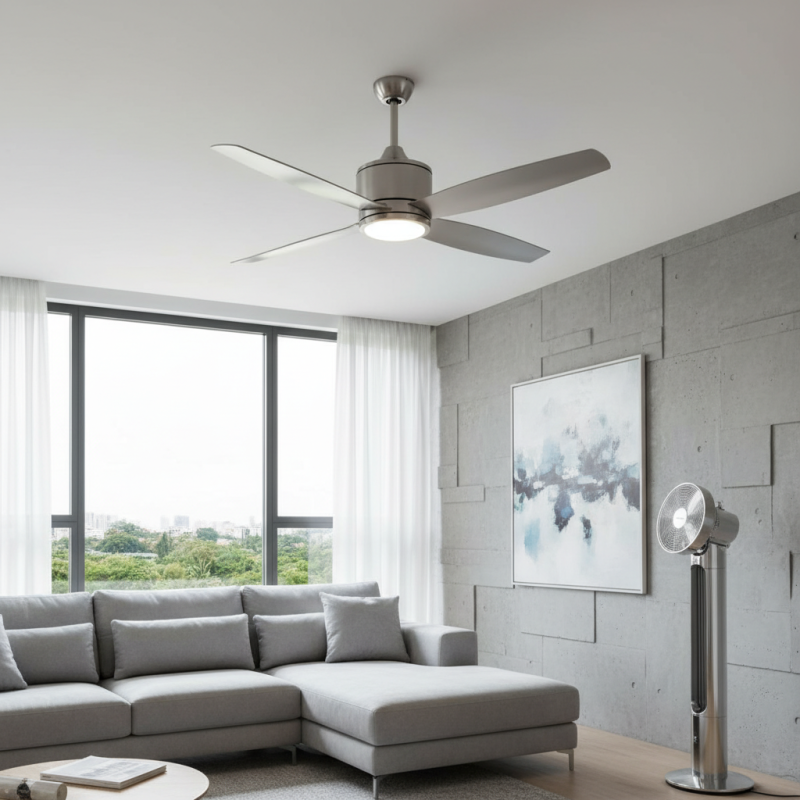
What is Stainless Steel and Its Properties in Fan Manufacturing?
Stainless steel is a popular material in fan manufacturing due to its unique properties. This metal is highly resistant to corrosion, making it ideal for various environments. Fans made of stainless steel can withstand moisture and heat, ensuring longevity and reliability. Additionally, stainless steel is strong and durable, allowing for the construction of fans that can operate under demanding conditions.
The aesthetic appeal of stainless steel cannot be overlooked. It has a sleek, modern finish that fits well in both industrial and residential settings. This versatility is a significant advantage, as many consumers prefer products that blend functionality with style. However, not all stainless steel fans are the same. Some may lack the robust quality required for heavy-duty usage.
It's essential to consider the specific needs before choosing a stainless steel fan. Not every design offers the same level of performance or durability. Some models may be cost-effective but might sacrifice key features. Assessing the materials used in construction can reveal insights into the fan's reliability. Consumers should weigh their options when investing in this type of product.
FAQS
: Stainless steel is corrosion-resistant, strong, and durable. It withstands heat and moisture, ensuring longevity.
The sleek, modern finish fits both industrial and residential settings. Consumers prefer products that are functional and stylish.
There are ceiling fans, oscillating fans, and industrial fans. Each type serves different purposes and environments.
Ceiling fans enhance the look of a room and provide airflow. They usually have elegant blades made of stainless steel.
Consider material quality, design style, size, and energy efficiency to ensure the right fit for your space.
Energy-efficient models save on bills. However, balancing cost and performance is essential to avoid disappointment.
Yes, some stylish models may lack proper airflow. Testing different styles in your space helps find the best fit.
High-grade stainless steel withstands wear better than plastic. Quality impacts performance in humid environments.
Yes, various designs impact airflow and aesthetics. Choosing the right design can enhance overall function and satisfaction.
Reviews provide insights into reliability and performance. They help identify models that meet consumer expectations effectively.
Conclusion
A Stainless Steel Fan is a durable and efficient ventilation solution known for its resistance to corrosion and long-lasting performance. Stainless steel, known for its strength and aesthetic appeal, provides several advantages when used in fan manufacturing, including enhanced durability, ease of maintenance, and ability to withstand harsh environmental conditions. Various types of stainless steel fans are available in the market, catering to diverse needs across multiple industries.
Applications of stainless steel fans range from industrial settings, where heavy-duty performance is needed, to commercial spaces requiring reliable airflow. When selecting a stainless steel fan, consider factors such as size, airflow capacity, and specific environmental conditions to ensure optimal performance and longevity. Choosing the right stainless steel fan can significantly impact efficiency and cost-effectiveness in any application.
