
Top Tips for Choosing the Right Dust Exhaust Fan?

Time:2026-06-22 Author:Henry
0%

When selecting the right Dust Exhaust Fan, understanding your needs is crucial. Dust accumulation can lead to health issues and equipment damage. Thus, a suitable exhaust fan is essential for a clean and safe environment.

Consider the environment where the fan will operate. Factors like dust type, volume, and airflow requirements play a significant role. You may find specific fans designed for particular dust types. This attention to detail can enhance performance and longevity. Brands often advertise features that may seem impressive but not essential.

Reliability is key when working with Dust Exhaust Fans. It’s wise to review customer feedback and expert opinions. Look for trusted brands that have a proven track record. Keep in mind that the cheapest option may not always be the best. Balancing cost and quality is a common struggle. Reflect on your priorities, and choose wisely to create a healthier workspace.
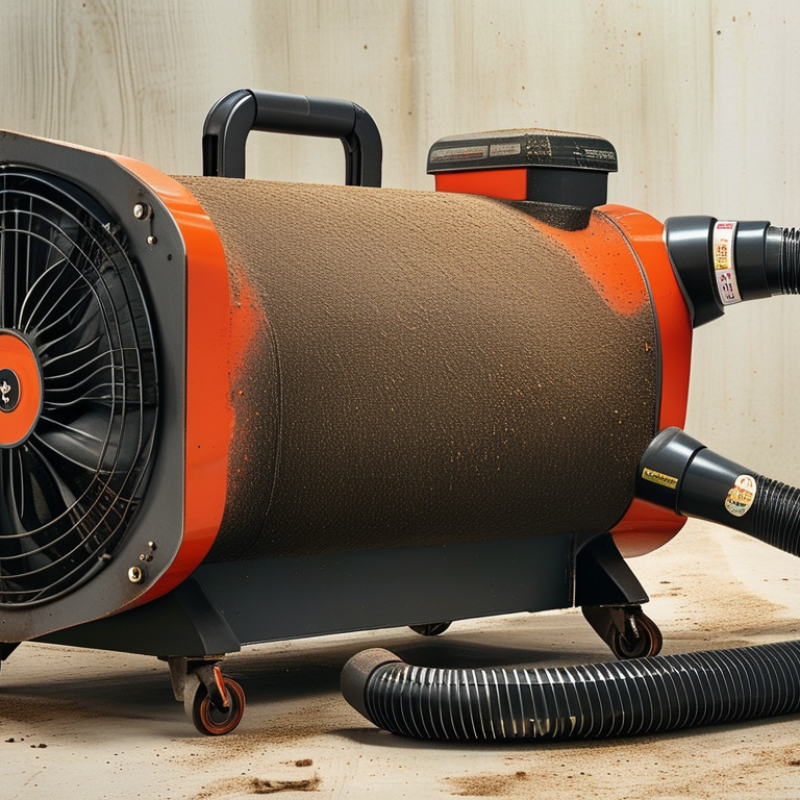
Top Tips for Choosing the Right Dust Exhaust Fan?

Understanding the Importance of Dust Exhaust Fans in Industrial Settings

Dust exhaust fans play a crucial role in maintaining safe industrial environments. These fans help remove harmful dust particles, preventing respiratory issues and ensuring compliance with health regulations. Effective dust management is vital to workplace safety and efficiency.


When choosing a dust exhaust fan, consider the specific dust type generated in your facility. Some dust may be flammable or toxic, requiring specialized equipment. It's important to assess the dust load as well. A fan that’s too small won't effectively manage the dust. An oversized unit may waste energy and space.


Another key factor is the fan's placement. Positioning it incorrectly can lead to poor airflow and dust accumulation. Regular maintenance is necessary to ensure optimal performance. Neglecting this can result in increased operational costs and safety risks. Seek advice from industry experts to make informed choices. Your health and safety depend on it.

Key Factors to Consider When Selecting a Dust Exhaust Fan

When selecting a dust exhaust fan, there are several key factors to keep in mind. Understanding the type of dust generated in your environment is crucial. Different materials create varying dust sizes and weights. A fan designed for wood particles will differ from one suited for metal shavings. This specificity ensures efficient air movement and effective dust removal.

Consider the fan's airflow capacity. You should measure the space where the fan will be installed. An underpowered fan won't effectively clear dust. An excessively powerful fan might lead to energy waste and noise issues. It's essential to find a balance. Pay attention to the suggested airflow rates provided by manufacturers as a baseline.

Additionally, think about maintenance requirements. Some fans come with accessible filters and easy-to-clean designs. Regular maintenance prevents dust buildup, ensuring optimal performance. Sometimes, the best options may require more effort. It's worth assessing how often you can maintain the system. A reliable fan is not just about initial purchase; it’s about long-term usability. Choose wisely based on these complexities.

Types of Dust Exhaust Fans and Their Applications

Dust exhaust fans come in various types, each designed for specific applications. Understanding these can enhance workplace safety and efficiency. One common type is the centrifugal fan. It is effective for high-volume air movement and works well in industrial settings. These fans can handle large amounts of dust while maintaining consistent airflow.

Another option is the axial fan. These are typically used in ventilation systems. Axial fans are compact and suited for low-pressure applications. They effectively remove airborne dust in areas with limited space. Both types have their strengths, but recognizing your environment's needs matters.

Choosing the right fan requires careful thought. Factors like dust type, volume, and surrounding space need evaluation. Ask yourself: is your environment constantly dusty? Are there specific regulations to follow? Evaluating these questions can lead to better choices, minimizing health risks and enhancing efficiency. Sometimes, the perfect fan isn't available. In such cases, adjustments and creativity become essential.

Calculating the Needed Airflow for Effective Dust Control

Choosing the right dust exhaust fan is essential for effective air quality control in various environments. Calculating the needed airflow is crucial for this process. It begins with assessing the area size where the fan will operate. Accurate measurements of the space are necessary. Are you working in a large workshop or a smaller facility? This will influence your airflow requirements.

To determine the necessary airflow, consider the type of dust generated. Different materials produce varying dust loads. Use the formula for cubic feet per minute (CFM) to calculate. Take the volume of the space and the recommended air change rate into account. For most workplaces, aiming for 6 to 10 air changes per hour is a good standard.

One practical tip is to overestimate your airflow needs. This allows for unexpected peaks in dust generation. Additionally, ensure the fan's ductwork is not overly complicated. Short, direct duct paths minimize airflow resistance. Monitor performance regularly. Dust buildup over time can affect efficiency, so regular cleaning is essential. Balancing airflow can be challenging, but an effective setup leads to a healthier workspace.

Top Tips for Choosing the Right Dust Exhaust Fan? - Calculating the Needed Airflow for Effective Dust Control

Dimension Value Unit
Airflow Requirement 4000 CFM
Total Dust Load 2.5 lbs/hr
Duct Diameter 12 inches
System Efficiency 85 %
Fan Static Pressure 5 inches WG
Noise Level 70 dB
Power Consumption 1.5 kW

Maintenance Tips for Ensuring Optimal Performance of Dust Exhaust Fans

Regular maintenance is crucial for ensuring optimal performance of dust exhaust fans. Studies reveal that approximately 30% of industrial downtime occurs due to equipment failures. Neglect can lead to reduced efficiency and increased operational costs. A consistent maintenance schedule can help preempt these issues.


Cleaning dust exhaust fans regularly is essential. Dust accumulation not only hampers performance but can also pose safety risks. For instance, a heavily soiled fan may lose up to 50% of its efficiency. Checking components such as filters, belts, and bearings is equally important. Early identification of wear and tear can prevent significant breakdowns.


Monitoring noise levels can also serve as an effective maintenance strategy. Unusual sounds may indicate mechanical issues needing immediate attention. Employing vibration analysis further aids in diagnosing potential failures. Involving technology, like condition monitoring systems, can provide real-time data. This approach is becoming increasingly vital in industrial settings, as it leads to more informed decisions regarding maintenance practices.

FAQS

: Why are dust exhaust fans important in industrial settings?

: They remove harmful dust particles, prevent respiratory issues, and ensure compliance with health regulations.

What should I consider when choosing a dust exhaust fan?

Consider the type of dust generated, its properties, and the appropriate fan size for effective management.

Can dust type affect fan selection?

Yes, dust size and weight vary by material. Fans must match the specific dust type for efficient performance.

What happens if I choose the wrong fan size?

A small fan may not clear dust effectively, while an oversized unit wastes energy and space.

How does fan placement affect performance?

Incorrect positioning can lead to poor airflow and dust buildup, impacting overall efficiency and safety.

Why is regular maintenance necessary?

It prevents dust accumulation, ensures optimal performance, and reduces long-term operational costs and safety risks.

Are there easy-to-maintain fan options?

Some fans have accessible filters and designs that simplify cleaning and maintenance efforts.

How often should I maintain my dust exhaust fan?

It depends on usage and dust levels. Regular maintenance is crucial for long-term durability and function.

What could go wrong if I neglect maintenance?

Neglecting maintenance can lead to increased costs, reduced efficiency, and higher safety risks in the workplace.

Is investing in a reliable fan worth it?

Yes, a good fan ensures long-term usability and safety, making it a valuable investment for any industrial setting.

Conclusion

Dust Exhaust Fans play a crucial role in industrial settings by ensuring effective dust control and maintaining a safe working environment. When selecting a Dust Exhaust Fan, it is important to consider factors such as airflow requirements, the type of dust being collected, and the specific application of the fan. Understanding the diverse types of Dust Exhaust Fans available can greatly impact their efficiency and suitability for different situations.

To determine the right airflow for effective dust control, calculations based on the workspace dimensions and dust generation levels are essential. Additionally, regular maintenance is vital for ensuring that Dust Exhaust Fans perform optimally over time. By following these guidelines, industries can select and maintain the right Dust Exhaust Fan to enhance workplace safety and productivity.

Henry

Henry

Henry is a dedicated marketing professional with a profound expertise in the company's offerings. With years of experience in the industry, he possesses an impressive understanding of the market dynamics and consumer behaviors that drive success. Henry is committed to sharing his insights through......