 Chiye Fan
The Future of Industrial Ventilation: Kitchen Fan Service Excellence in the Tokyo Market
As the "Kitchen Fan Service & Company" landscape undergoes a digital and environmental transformation, the Tokyo market stands as a global benchmark for stringent fire safety codes, space-saving innovations, and high-efficiency ventilation requirements. This white paper explores the critical nexus between advanced fan manufacturing and the operational demands of one of the world's most dense urban centers.
🏢 1. Tokyo Market Status: Complexity and Density
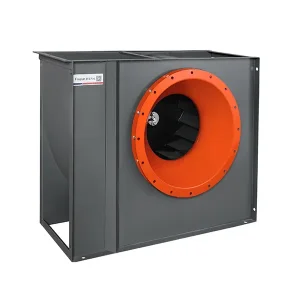
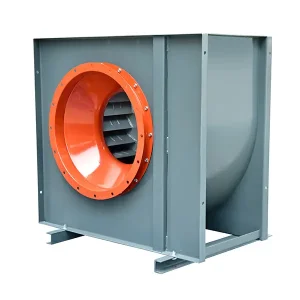
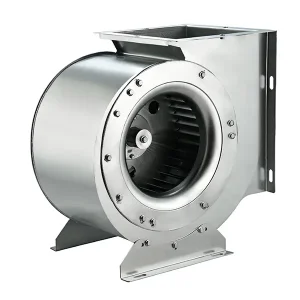
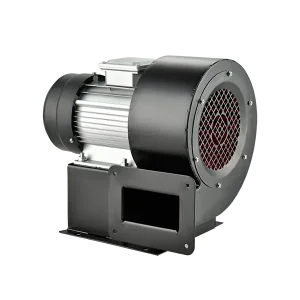
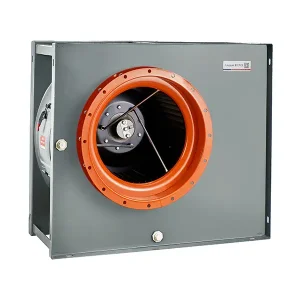
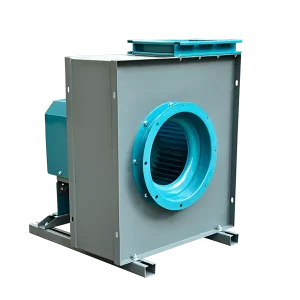
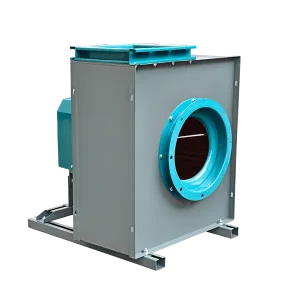
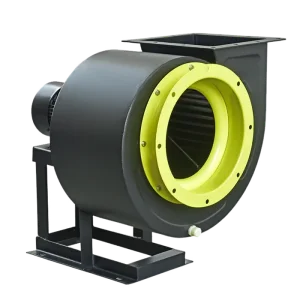
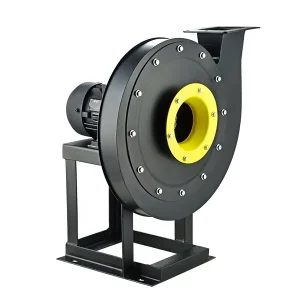
In Tokyo, kitchen ventilation is not merely a utility; it is a critical infrastructure component. The market is currently defined by Compact Urban Design. From the underground food halls of Ginza to the high-rise central kitchens in Shinjuku, fans must provide maximum static pressure with a minimal footprint. Our centrifugal fan series, specifically the BCF Multi-Wing and DF Low Noise models, are engineered to overcome the high duct resistance common in Japan's narrow building designs.
⚙️ 2. Localized Application Scenarios & Challenges
Tokyo's commercial landscape presents unique challenges for fan longevity:
- Izakaya High-Humidity Environments: Constant steam and oil vapor require fans with anti-corrosion coatings and specialized oil-drainage ports.
- Seismic Resilience: Every kitchen fan installation in Tokyo must comply with seismic mounting standards. Our heavy-duty fans are balanced using computer digital balancing machines (6 sets) to ensure zero-vibration operation even during mild tremors.
- Noise Pollution Zoning: With residential and commercial zones tightly packed, "Low Noise" is the #1 requirement for midnight kitchen operations.
🚀 3. Technology Roadmap: The AI & IoT Integration
At Taizhou Chiye Electromechanical, we are moving beyond mechanical fan production toward Smart Ventilation Ecosystems. Our roadmap includes:
- Predictive Maintenance: Integrated sensors that monitor motor temperature and vibration, alerting Tokyo facility managers before a failure occurs.
- Variable Frequency Control (VFD): Synchronizing fan speed with real-time cooking loads to reduce energy consumption by up to 40% in industrial kitchens.
- Laser Precision: Utilizing our 4 CNC laser cutting machines and automatic welding robots to achieve tolerances within 0.05mm, ensuring airtight housing and peak aerodynamic efficiency.
🛡️ 4. Supply Chain Resilience: The China Factory Advantage
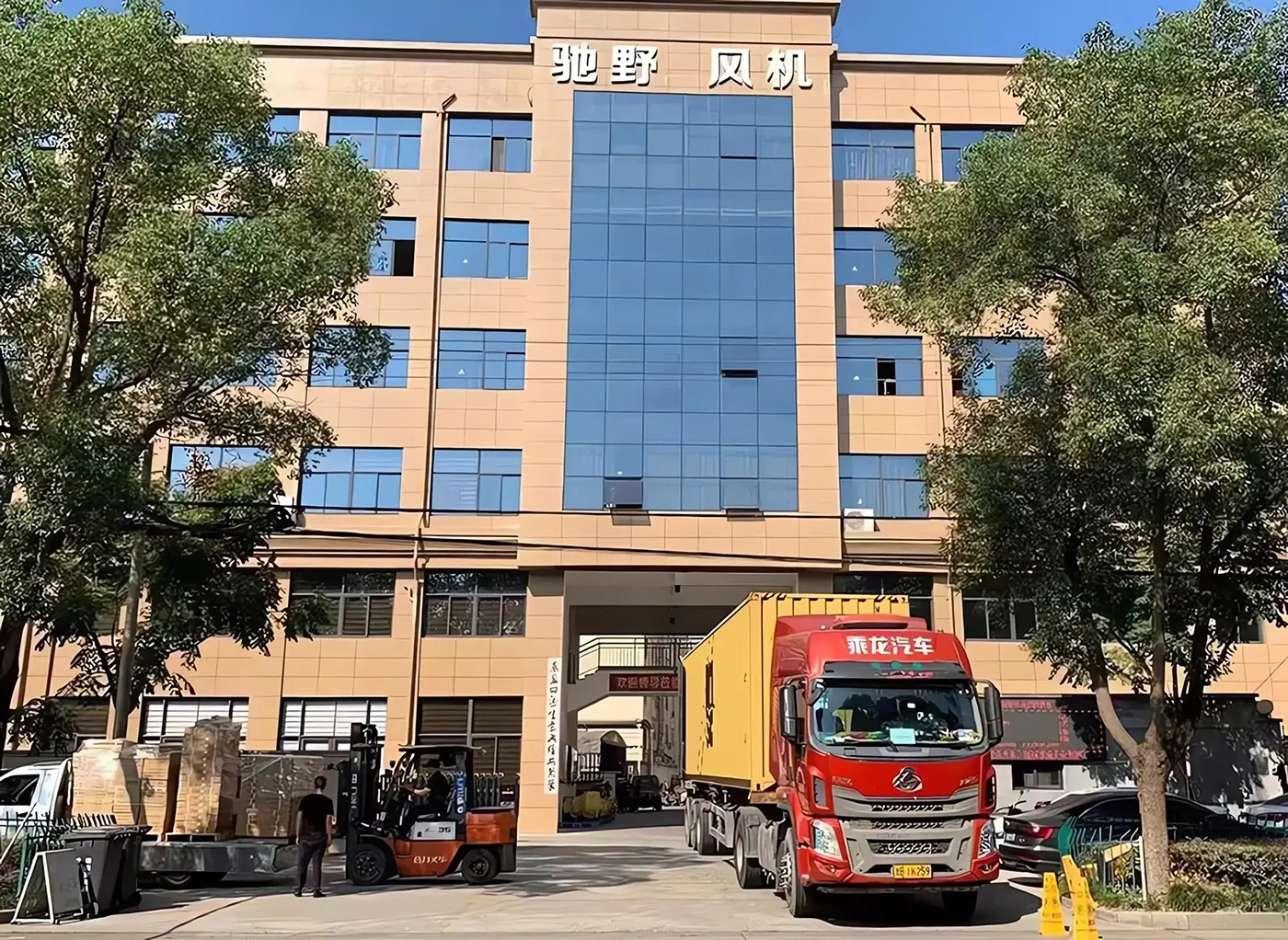
Taizhou Chiye Electromechanical Co., Ltd. (founded in 1995) serves as a vital manufacturing hub for the Tokyo market. Our 20,000 square meter plant provides:
Our supply chain resilience is built on 29 years of experience, ensuring that even during global logistics disruptions, our "Ready-to-Ship" inventory of 59 fan types remains available for our Japanese partners.
About Taizhou Chiye Electromechanical
Chiye Enterprise was founded in 1995, formerly known as Wenling Zeguo Wanfang Mechanical and Electrical Parts Factory. The company has standard factory buildings and warehouses, a strong technological center, and a specialized wind turbine processing center. It now has 4 CNC laser cutting machines, 2 CNC spinning machines, 2 bending machines, 2 shearing machines, 1 turret punch machine, 6 computer digital balancing machines, and purchased automatic welding robots in 2013.
We mainly produce various types of fans, industrial fans, air conditioning fans, and kitchen dedicated fans, supporting major fan manufacturers and environmental protection equipment across the globe.
🌐 5. Global Commercial Context & Future Outlook
Globally, the shift toward "Green Kitchens" is accelerating. The Tokyo market is no exception. Our future strategy involves the adoption of EC (Electronically Commutated) Motors, which are now becoming the standard for LEED-certified buildings in Tokyo's Marunouchi district. We are committed to assisting in the optimization and sustainable development of global energy structures through reliable wind turbine solutions.
❓ Q&A: Addressing Tokyo Kitchen Fan Challenges
Q1: Are your fans compliant with Tokyo noise control ordinances?
Yes. Our "Multi-Wing Low Noise" series is specifically designed with curved impeller blades and sound-dampening housings to operate below 65dB(A) at peak performance, making them ideal for dense Tokyo neighborhoods.
Q2: How do you handle grease accumulation in commercial kitchen fans?
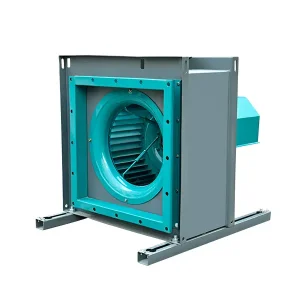
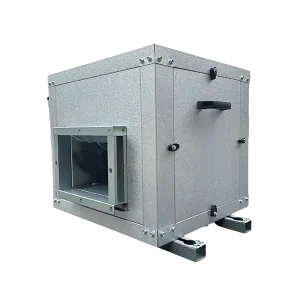
Our fans for Tokyo kitchens (SRF and SRE series) feature easy-access cleaning hatches and centrifugal designs that naturally shed oil particles into integrated drainage channels.
Q3: Can Chiye Fans be integrated into Japanese BMS systems?
Absolutely. Our motor control units are compatible with common building management system (BMS) protocols used in Japan, allowing for centralized control and monitoring.
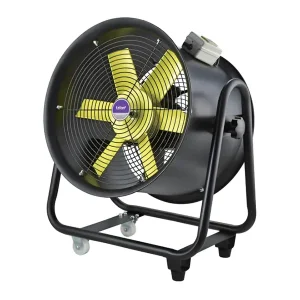
Explore Our Tokyo-Optimized Product Lineup
Ready to Upgrade Your Tokyo Kitchen Ventilation?
Join 2,000+ satisfied clients across Japan and the globe. Expertise, reliability, and innovation since 1995.
Send Inquiry Now