 Chiye Fan
High-efficiency exhaust systems built to withstand the high-temperature and salt-corrosive environments of the Horn of Africa.
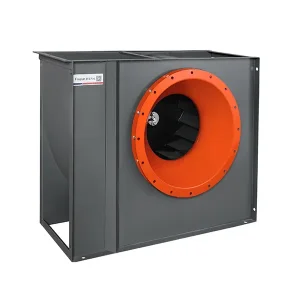
Djibouti Wholesale 4-82 Multi Wing Low Noise Centrifugal Fan
View Technical Details →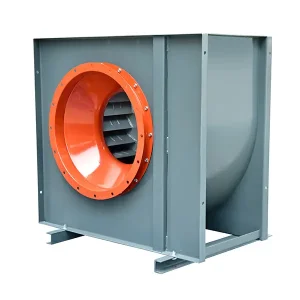
Djibouti Custom BCF Multi Wing Low Noise Centrifugal Fan
View Technical Details →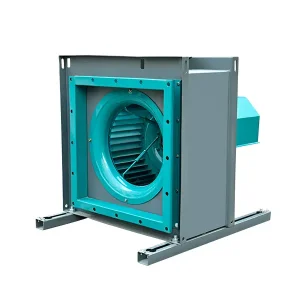
Djibouti CY-16 Specialized Centrifuge for Oil Fume Purification
View Technical Details →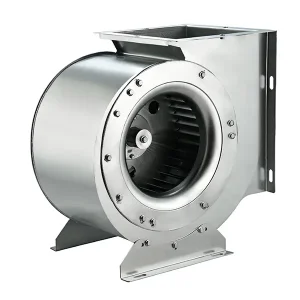
Djibouti DFA High-Quality Kitchen Lampblack Extraction Fan
View Technical Details →Djibouti Industrial Market & Commercial Ventilation Demands
Strategically situated in the Horn of Africa, Djibouti serves as a critical maritime shipping hub and logistics corridor connecting the Red Sea, the Gulf of Aden, and East African landlocked nations like Ethiopia. The rapid expansion of port infrastructure, including the Port of Djibouti and the Doraleh Multipurpose Port, along with new special economic zones (SEZs), has catalyzed a boom in commercial development, logistics operations, and military logistics hubs. This infrastructure growth drives an urgent requirement for high-performance industrial ventilation systems, particularly specialized kitchen fans and exhaust systems.
The climate profile of Djibouti presents extreme challenges for standard mechanical components. With ambient summer temperatures regularly exceeding 45°C (113°F), combined with high humidity and high salinity from the surrounding marine air, commercial and industrial kitchens operate under demanding conditions. Standard ventilation equipment fails prematurely under these stressors. Specialized design considerations—such as heavy-gauge marine-grade stainless steel (SUS304/SUS316), anti-corrosive powder coatings, and high-temperature insulation class F or H motors—are essential to ensure equipment longevity and reliability.
In addition to marine logistics and free zone growth, Djibouti's tourism and hospitality sectors are expanding rapidly. Modern hotels, military base catering complexes, and international dining establishments require oil-fume extraction systems that maintain stable static pressure, minimize noise in urban settings, and filter grease and smoke efficiently to comply with strict international fire safety and environmental codes.
Thermally Insulated Motors
Class F and H continuous-duty copper winding motors designed to operate reliably in ambient temperatures exceeding 50°C.
Corrosion & Saline Resistance
Thicker powder coatings and SUS304 housings prevent rust and pitting caused by the highly saline coastal atmosphere of Djibouti.
Global Sourcing Trends & Supply Chain Resilience
Global procurement teams managing mechanical installations in East Africa look for supply chain reliability and robust product engineering. The conventional approach of selecting low-cost components often leads to high maintenance costs and unplanned system downtime. Major engineering contractors and procurement departments are shifting toward factories that offer direct custom modifications, comprehensive certification portfolios (such as ISO9001 and CE), and strong post-sale support.
Taizhou Chiye Electromechanical Co., Ltd. has adapted its manufacturing capabilities to meet these global standards. With automated CNC laser cutting, specialized dynamic balancing, and robotic welding, we construct kitchen fans with precise tolerances. This precision reduces mechanical friction and bearing wear, minimizing power draw and vibration—factors that directly lower operational costs in high-tariff energy markets like Djibouti.
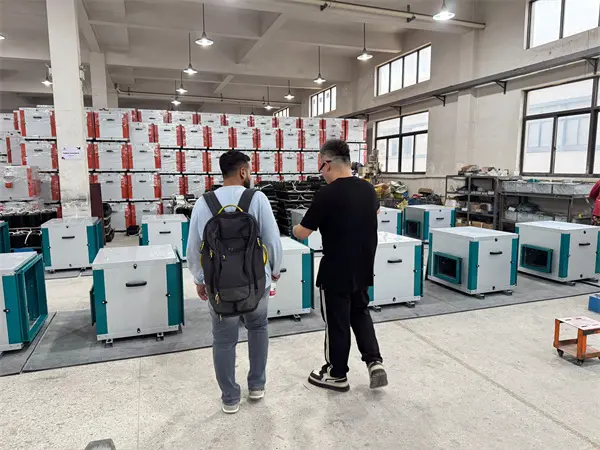
For international buyers importing kitchen ventilation equipment, transit logistics represent a major cost factor. Our production facility features high-density warehousing and specialized shipping packaging designed to withstand container shipping moisture, protecting electrical windings during their ocean transit to ports like Doraleh.
For nearly three decades, Chiye has delivered high-performance industrial ventilation systems worldwide.
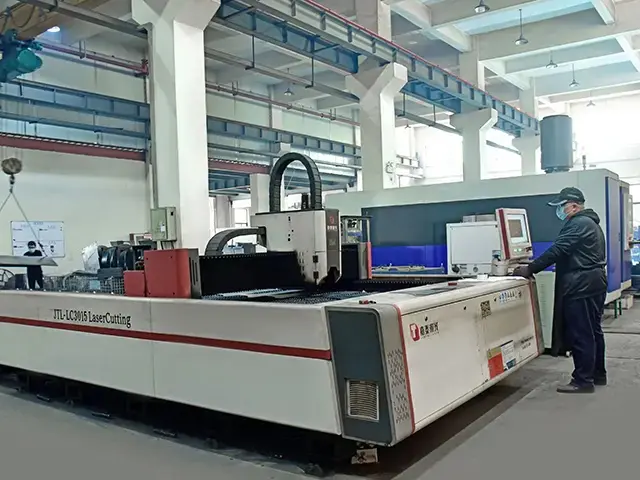
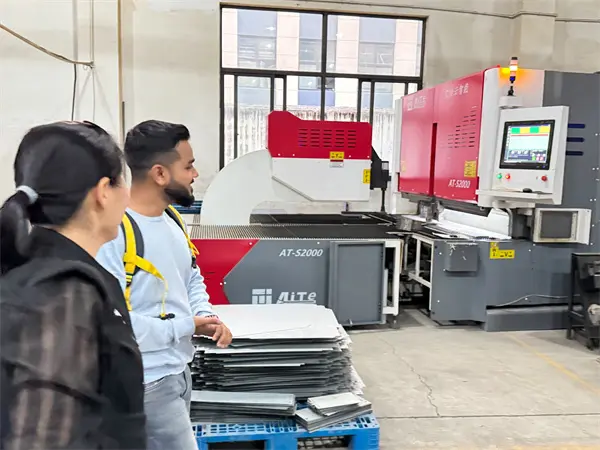
Chiye Enterprise was founded in 1995, formerly known as Wenling Zeguo Wanfang Mechanical and Electrical Parts Factory. Today, the company features standard factory buildings, extensive raw material warehouses, a specialized technological center, and a dedicated wind turbine processing facility. To support production demands and ensure high manufacturing tolerances, Chiye utilizes 4 CNC laser cutting machines, 2 CNC spinning machines, 2 bending machines, 2 shearing machines, 1 turret punch machine, and 6 computer digital balancing machines.
In 2013, the company integrated automatic welding robots and a complete set of automated welding equipment. Chiye also independently designs and builds advanced CNC automation systems, including 4 sets of specialized welding rigs tailored for high-output wind turbine manufacturing. We produce industrial fans, air conditioning fans, and specialized kitchen exhaust fans. These units support boiler manufacturers, dust removal system suppliers, and commercial HVAC projects worldwide.
We work to align our manufacturing capacity with customer specifications. Our engineering team develops tailored solutions for projects ranging from standard commercial restaurants to heavy industrial dust-extraction plants, using a pragmatic approach to partner with domestic and international distributors.
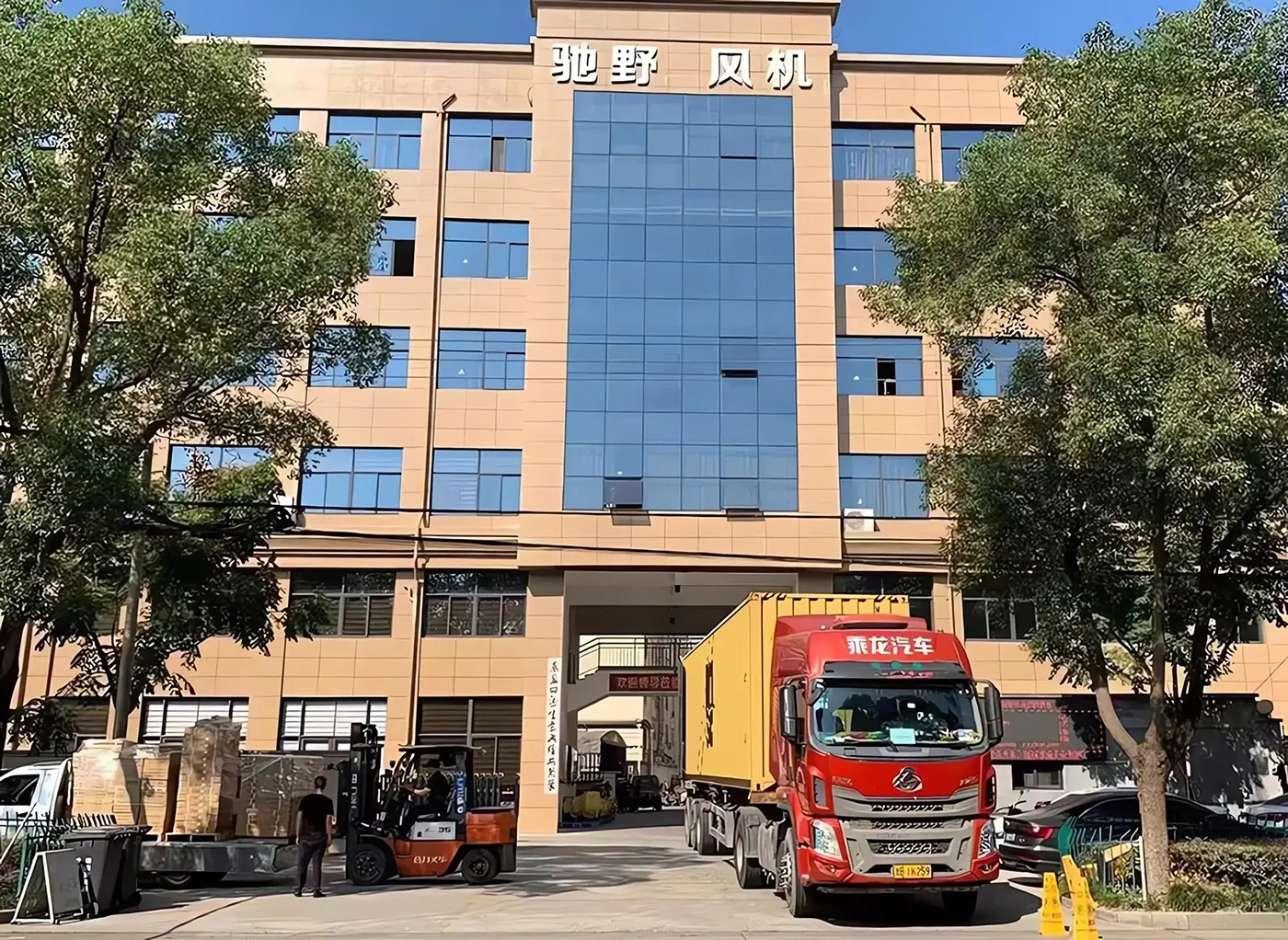
How our smart manufacturing process ensures stable performance under high load conditions.
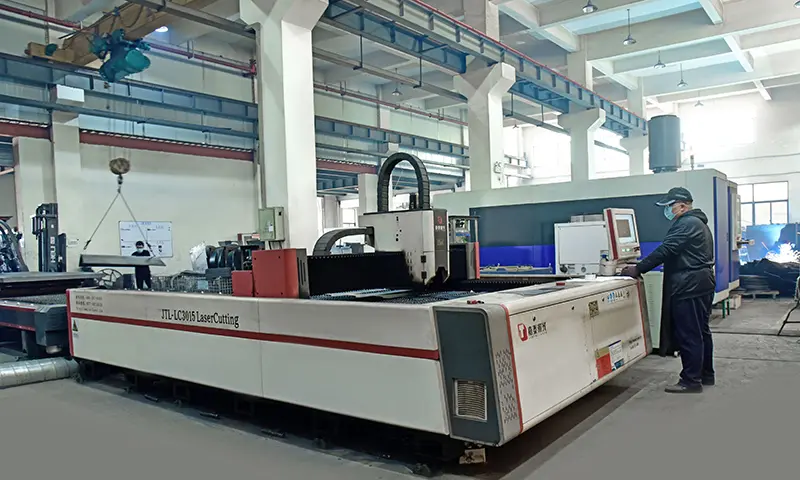
Laser Cutting
CNC laser cutters maintain plate-cutting tolerances within ±0.05 mm, ensuring casing and impeller alignment.
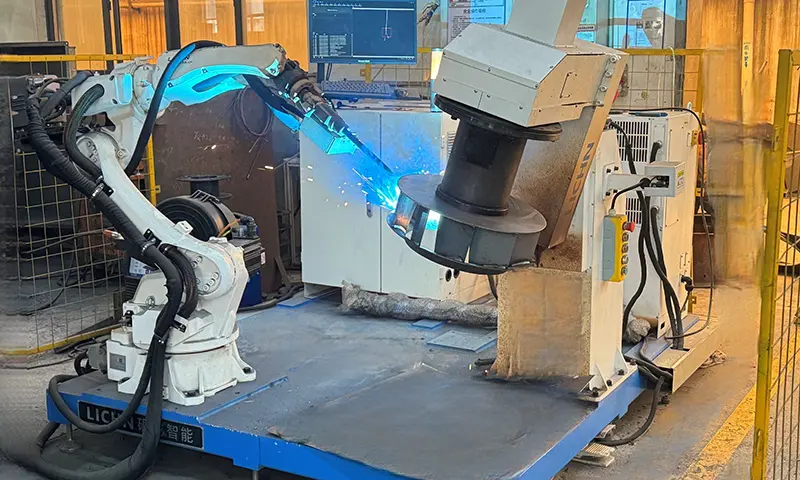
Welding Robot
Automated robotic welding lines deliver uniform structural joints that withstand intense vibration and pressure loads.
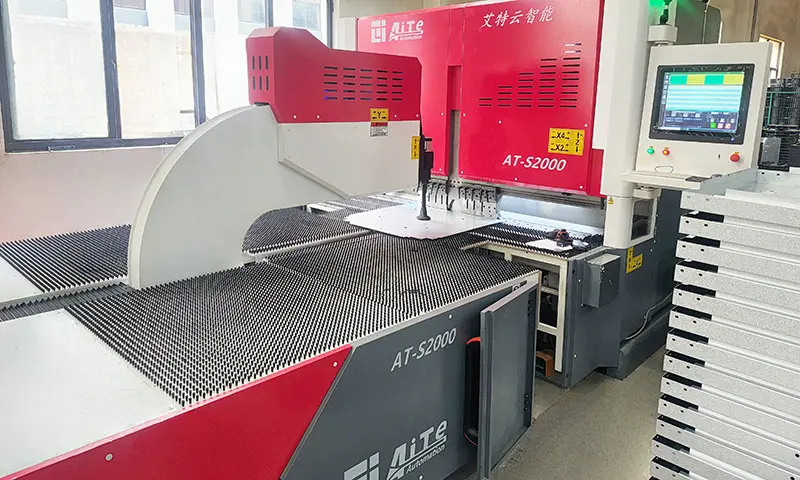
Automatic Bending
Programmable bending machines maintain structural geometry for scrolls and discharge outlets.
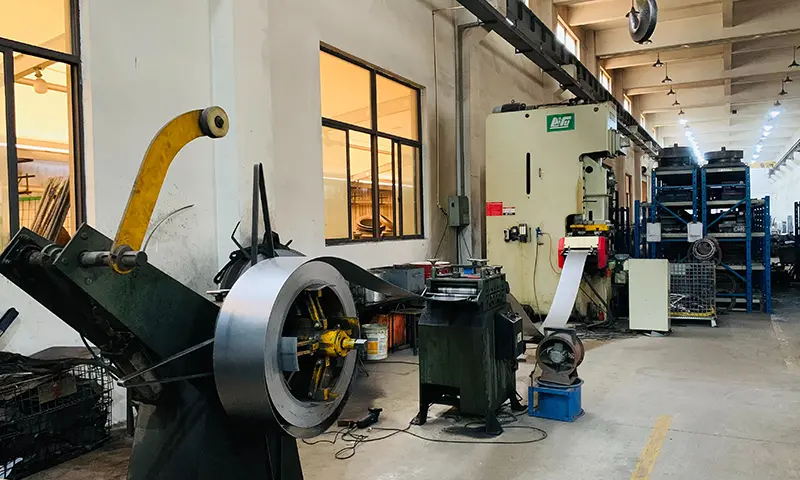
Coiler & Spinning
CNC metal spinning forms high-efficiency bellmouth inlets to optimize airflow dynamics and reduce noise.
Chiye ventilation products are engineered for major commercial and municipal infrastructure applications.
Port Facility Mess Halls
Doraleh Multi-Purpose Port and local free trade zone kitchens require large-volume fume extractors to handle high-frequency, continuous meal prep under severe ambient salt conditions.
Coastal Resort Kitchens
High-end hotels in Djibouti City utilize multi-wing, low-noise centrifugal fans to maintain quiet, comfortable environments for guests while removing high-temperature exhaust.
Logistics & Military Hubs
International logistics depots and support base canteens require reliable ventilation equipment. High static pressure models ensure effective air change rates through long duct systems.
Corporate Values & Development Philosophy
We aim to deliver reliable ventilation technology to every enterprise and project that requires stable performance under high load conditions. Our engineering and manufacturing processes are guided by five core values:
-
✓
Innovation Leadership: We adapt our motor designs and aerodynamic housing shapes to enhance fan efficiency and durability.
-
✓
Quality First: We source premium components and verify dynamic balance limits to extend bearing lifecycle.
-
✓
Customer Centricity: We custom-tailor fan configurations, voltages, and mounting brackets to match specific installation constraints.
-
✓
Integrity-Based: We work to build long-term relationships with regional distributors by providing honest engineering specifications.
-
✓
Green Development: We refine impeller designs to lower electricity consumption and support global energy conservation efforts.
Our Global Commitment
As commercial ventilation demands evolve, Chiye develops air-moving solutions that balance volume output, power efficiency, and long-term durability. We design our systems to meet the demands of operations in high-heat and high-salinity regions like East Africa.
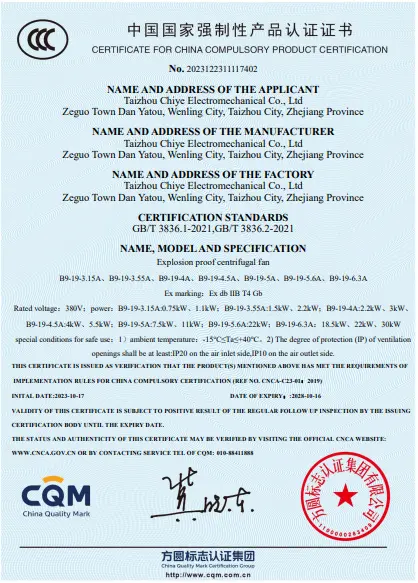
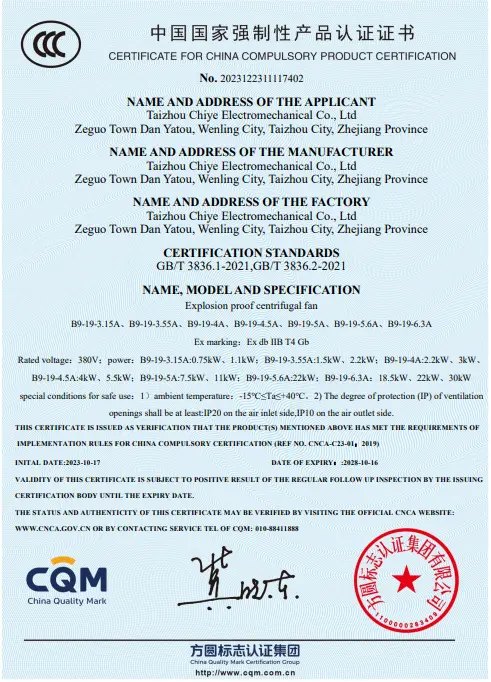
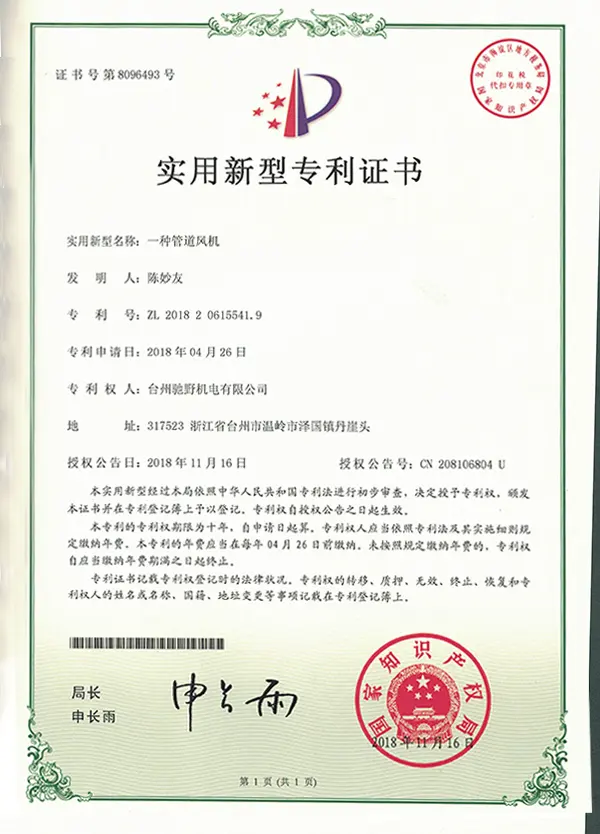
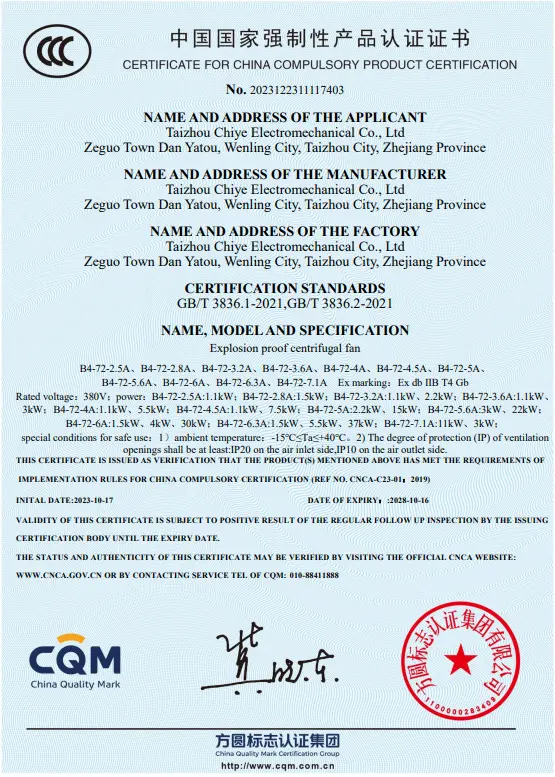
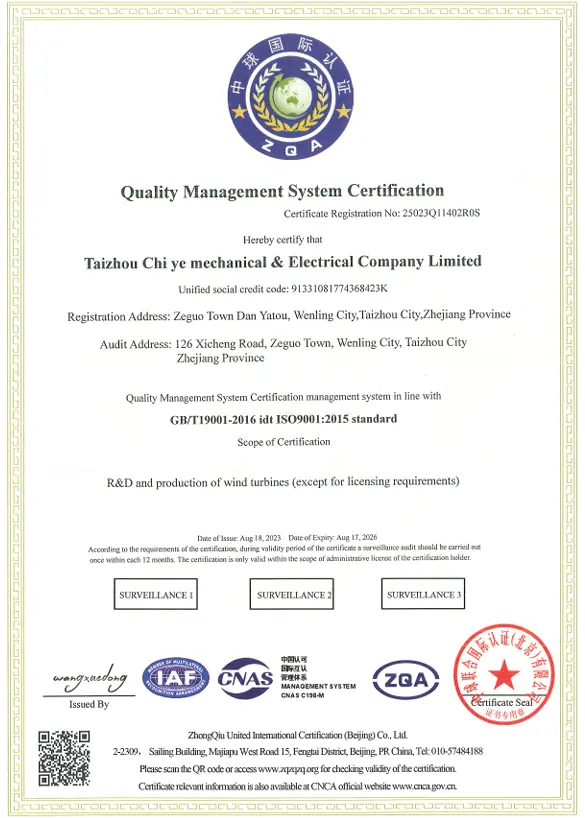
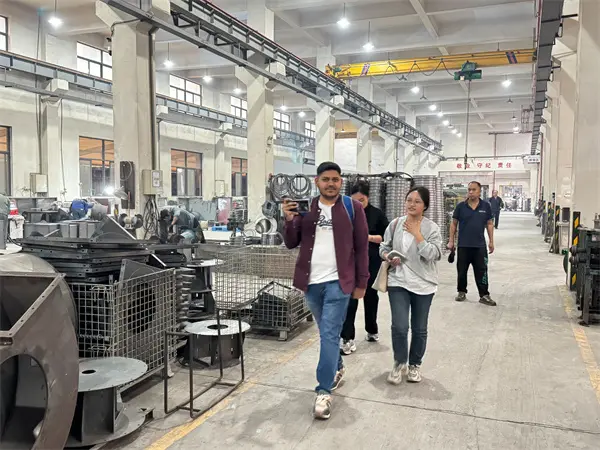
Our production processes follow certified quality protocols. Here is a look at our plant operations and qualification documents.
Engineering partnerships with global developers and regional industrial distributors.
Explore our technical range, featuring dynamic balancing, low-vibration construction, and energy-efficient motor configurations.
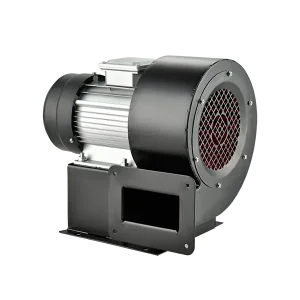
Djibouti DF Low Noise Multi Wing Air Supply Fan
Technical Drawings →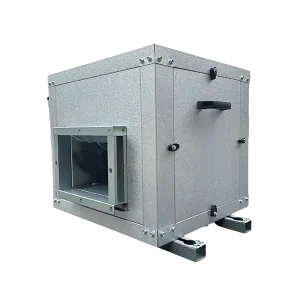
Djibouti OEM HCF Kitchen Cabinet Fan – Circulation Solution
Technical Drawings →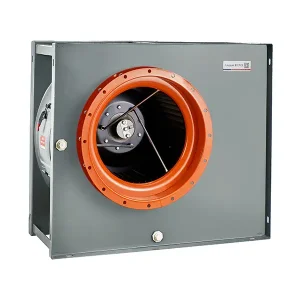
Djibouti I3-48 Centrifugal Fan For Kitchen Lampblack Extraction
Technical Drawings →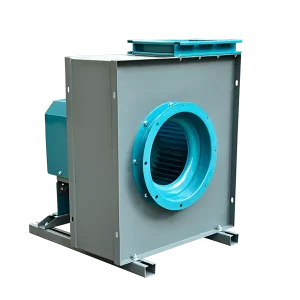
Djibouti OEM SRE Commercial Kitchen Centrifugal Fan
Technical Drawings →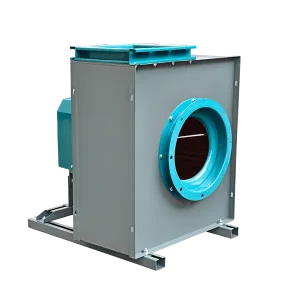
Djibouti Wholesale SRF Kitchen Specific Centrifugal Fan
Technical Drawings →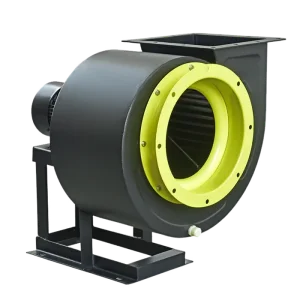
Djibouti ODM Kitchen Fan 11-62 Custom Series
Technical Drawings →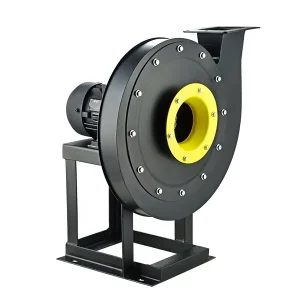
Djibouti Wholesale 9-19A High Pressure Centrifugal Fan
Technical Drawings →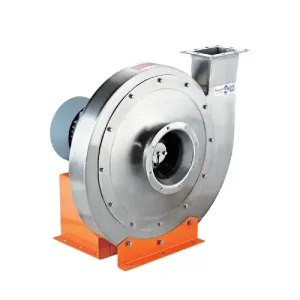
Djibouti Custom 9-19A Stainless Steel (SUS304) High Pressure Fan
Technical Drawings →Common questions from project managers, engineers, and distributors importing industrial kitchen fans to Djibouti.
How do you customize kitchen fans for Djibouti's high-salinity coastal environment?
We use heavy-gauge SUS304 or SUS316 stainless steel for the housing and impeller blades. In addition, we apply a double-layer epoxy powder coating baked at high temperature, which seals the metal surfaces against salt spray and moisture, preventing pitting corrosion in port cities like Djibouti.
Can your motors withstand ambient temperatures of over 45°C without overheating?
Yes. All kitchen fans configured for hot climates utilize Class F or Class H insulated pure copper motors. These motors are rated for continuous operation at high temperatures. They feature built-in thermal overload protection and cooling fans to dissipate heat efficiently.
How does Chiye control dynamic balancing for large multi-wing centrifugal fans?
We use 6 computer digital balancing systems to analyze and balance every impeller dynamically. By maintaining residual unbalance below G2.5 standards (ISO 1940), we reduce bearing wear, vibration, and mechanical noise, extending the fan's operating life.
What certifications do you provide for commercial project compliance?
We supply complete documentation packages including ISO9001 quality management certificates, ISO14001 environmental management records, CE conformity certificates, and factory test reports detailing electrical performance, static pressure, and air volume parameters.
What is the lead time for custom container orders to the Port of Djibouti?
Our standard manufacturing cycle is 15 to 25 days, depending on custom electrical and motor specifications. Shipping from Ningbo or Shanghai port to the Doraleh Multipurpose Port in Djibouti typically takes 20 to 30 days via direct ocean freight services.
How do you support local distributors and engineering contractors with technical drawings?
We provide full technical support, including 2D AutoCAD layouts and 3D step files, to assist mechanical designers. This allows engineers to verify duct dimensions, flange alignments, electrical connections, and mounting bracket tolerances before production begins.
Select the Right Ventilation Specification for Your Project
Consult with our engineering team to design, configure, and import high-capacity, low-noise kitchen centrifugal and axial fans built for the environmental conditions of the Djibouti market.