 Chiye Fan
Industrial Kitchen Fan Catalogue - Series I
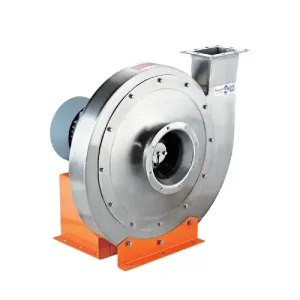
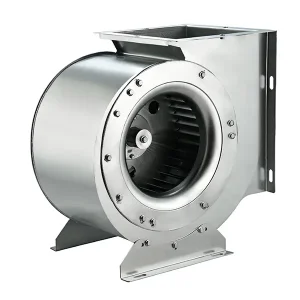
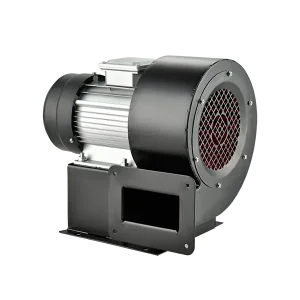
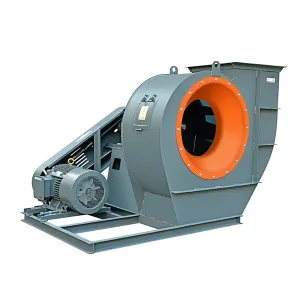
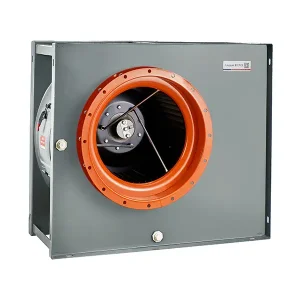
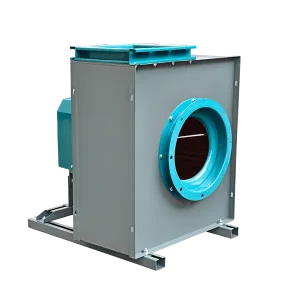
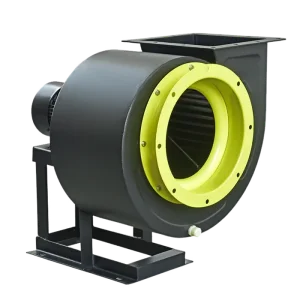
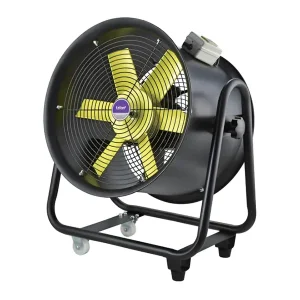
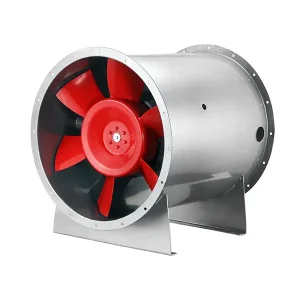
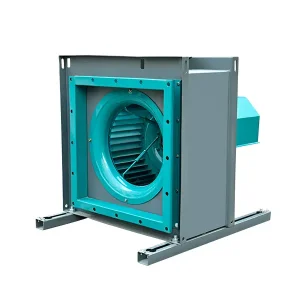
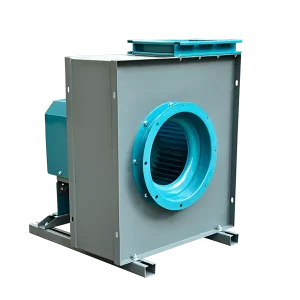
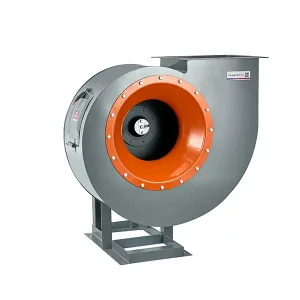
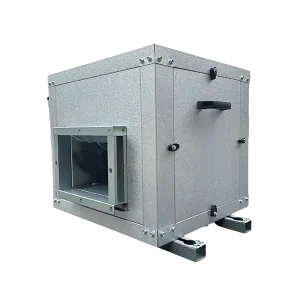
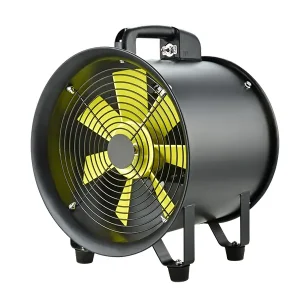
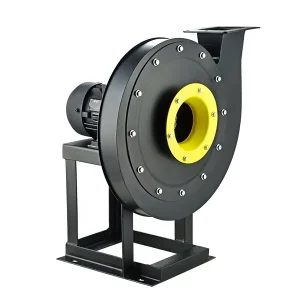
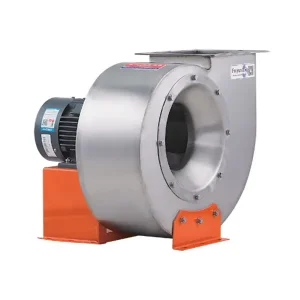
Premium aerodynamic centrifugal designs and high-temperature smoke extraction fans engineered for maximum air purification efficiency.
The Science of Commercial Kitchen Exhaust Systems
An Industrial Guide on Aerodynamics, Grease Control, and Dynamic Load Balancing in Modern Vent Hood Systems.
Understanding Static Pressure & Boundary Layer Control
In high-capacity culinary spaces, kitchen ventilation is not merely about moving air; it is about managing complex, multi-phase fluids containing steam, suspended oils, and combustion byproducts. This requires a deep understanding of system static pressure. Kitchen exhaust runs are often winding, traversing filtration baffles, carbon cells, and electrostatic precipitators (ESP). Normal axial fans stall under such resistance.
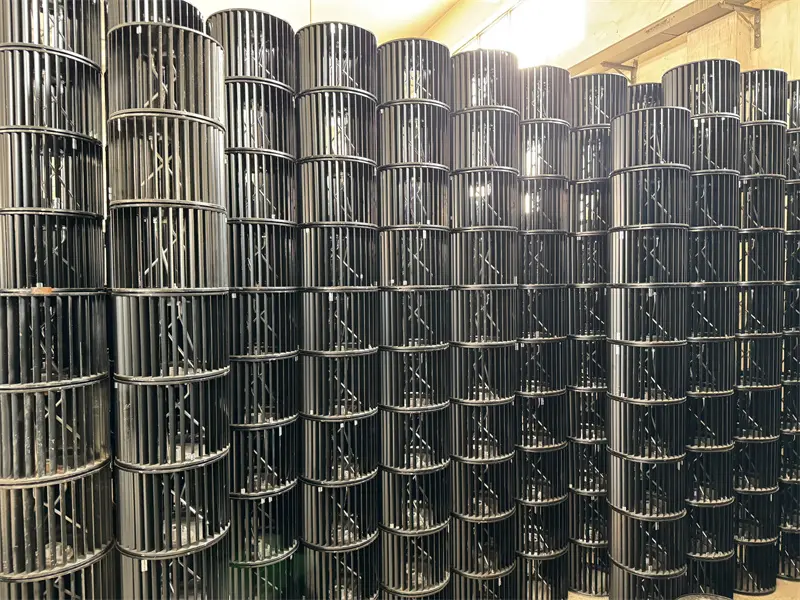
This is where specialized multi-wing centrifugal fans (such as our SRE or DFA series) are mandatory. By utilizing backwards-curved or forwards-curved multi-wing impellers, these fans transform kinetic rotational energy into static pressure head. We design our impellers to optimize boundary layer control, reducing separation bubbles on the fan blades that lead to turbulent noise and localized grease deposits. This keeps the fan cleaner, reduces maintenance intervals, and preserves static head efficiency over continuous run-cycles.
Technical Metrics for Ventilation Buyers:
- Airflow Capacity Range: 1,200 m³/h up to exceeding 80,000 m³/h per unit.
- Static Pressure Threshold: Rated up to 3500 Pa for multi-stage filtration compatibility.
- Dynamic Balance Grade: Optimized to ISO 1940 G2.5/G4.0 standard to minimize housing vibration and structure-borne noise.
- Material Formulations: Thick-gauge carbon steel hot-dip galvanized or SUS304/SUS316 stainless steel for chemical corrosion environments.
About Us
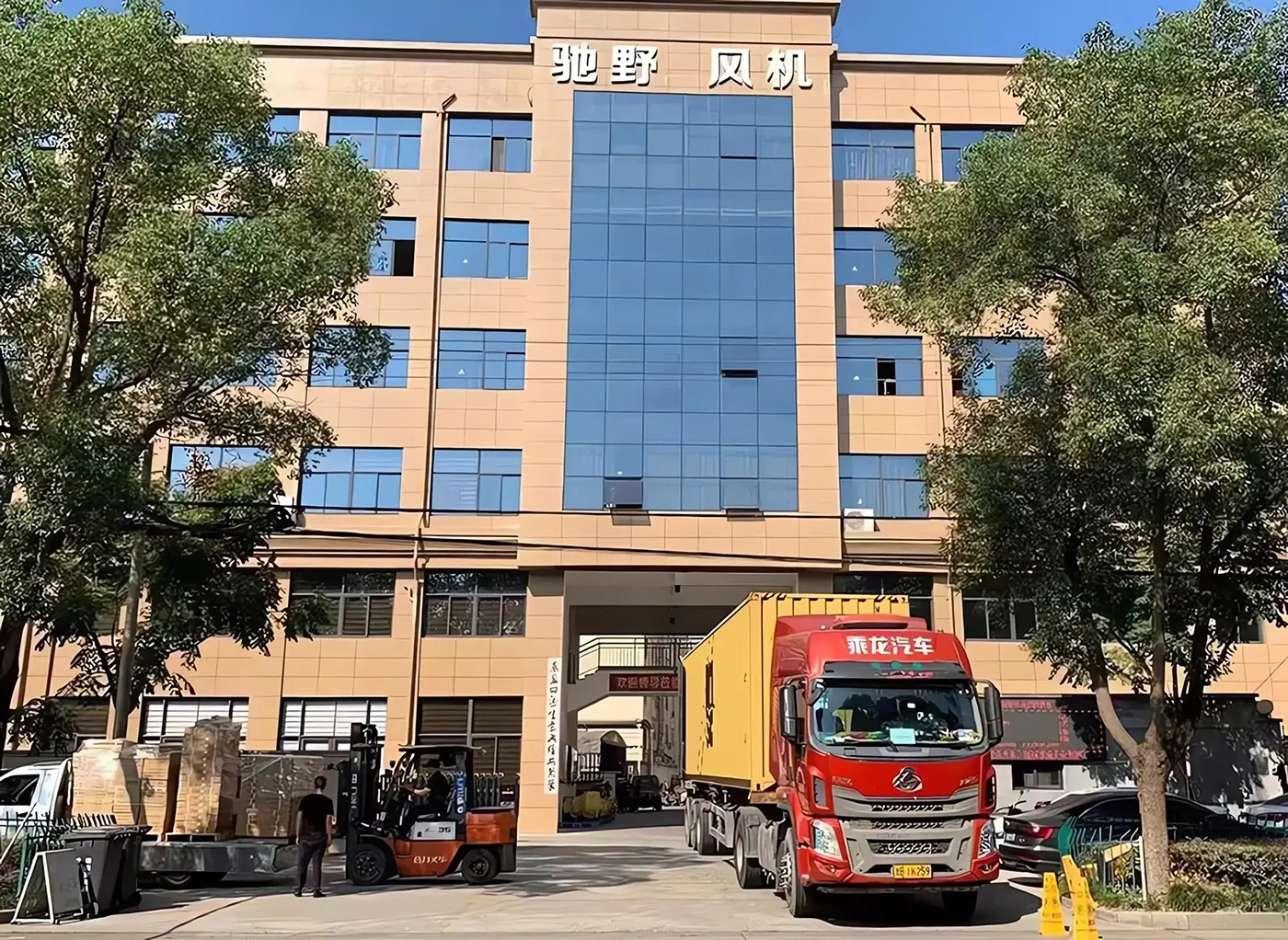
TAIZHOU CHIYE ELECTROMECHANICAL CO., LTD.
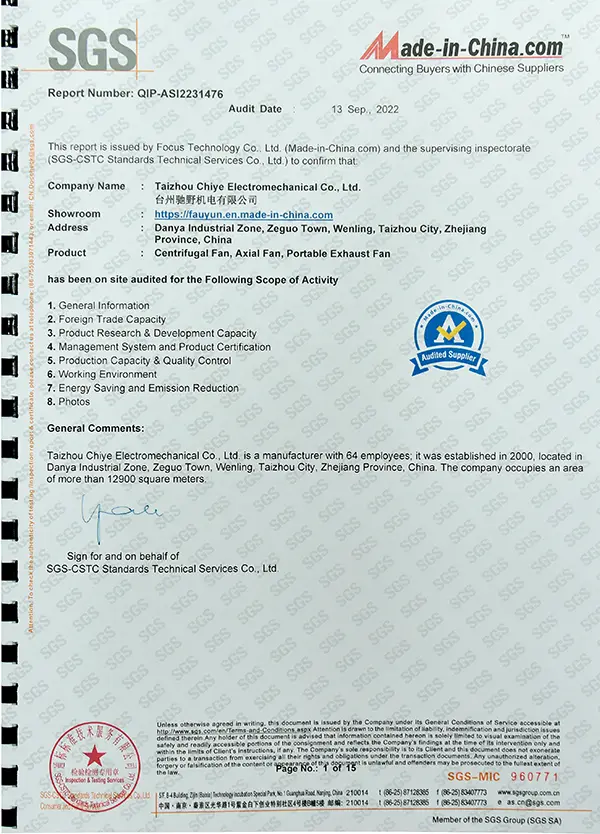
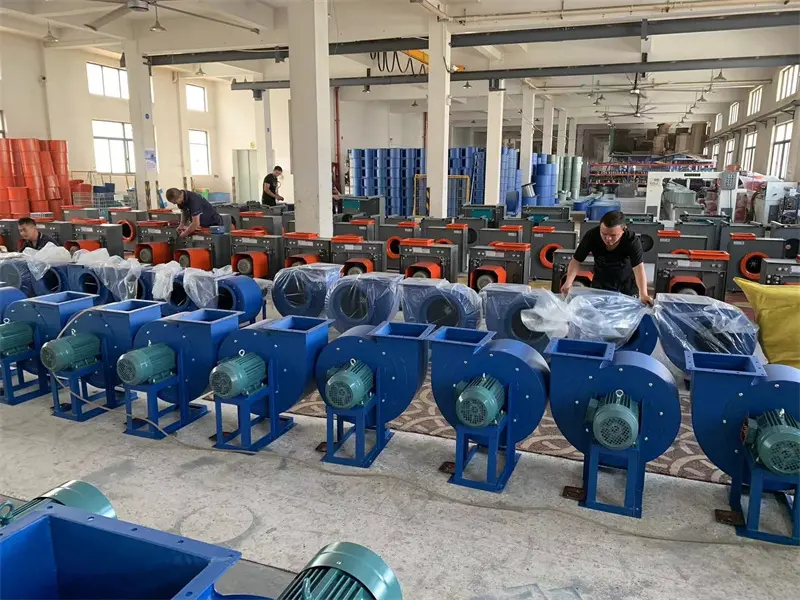
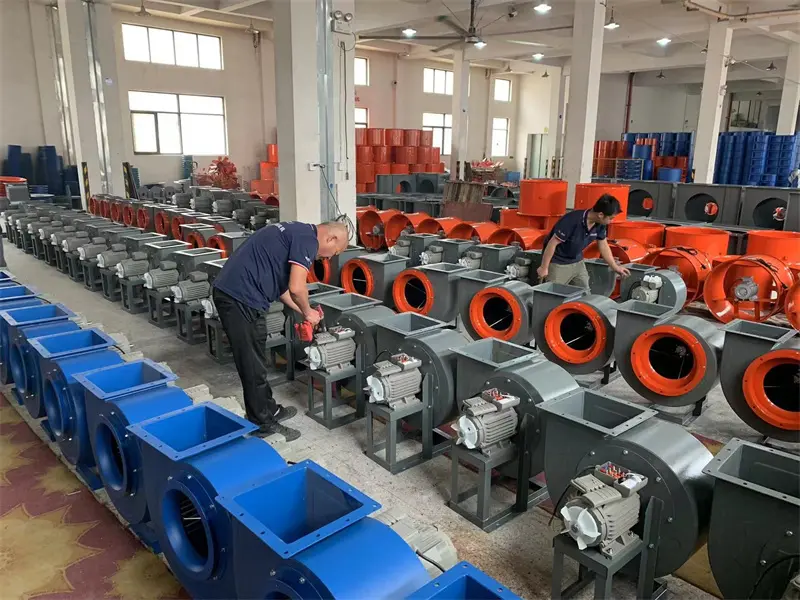
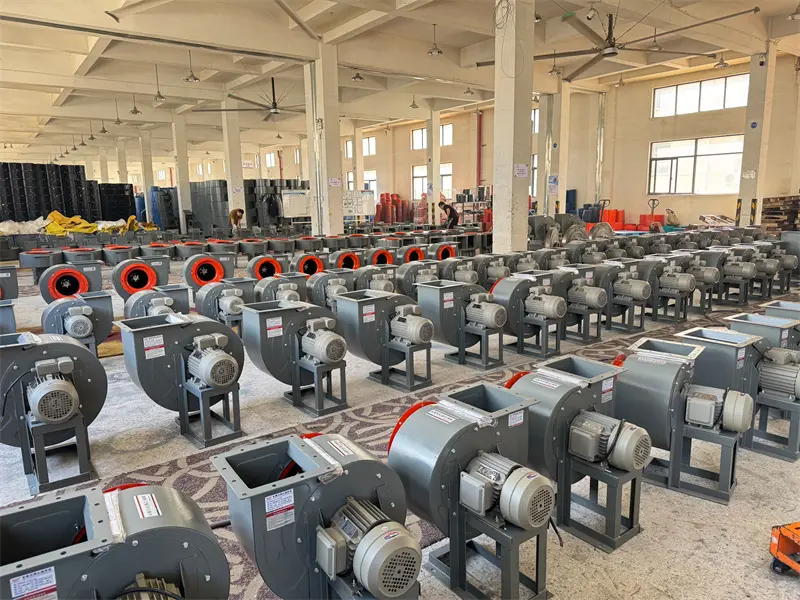
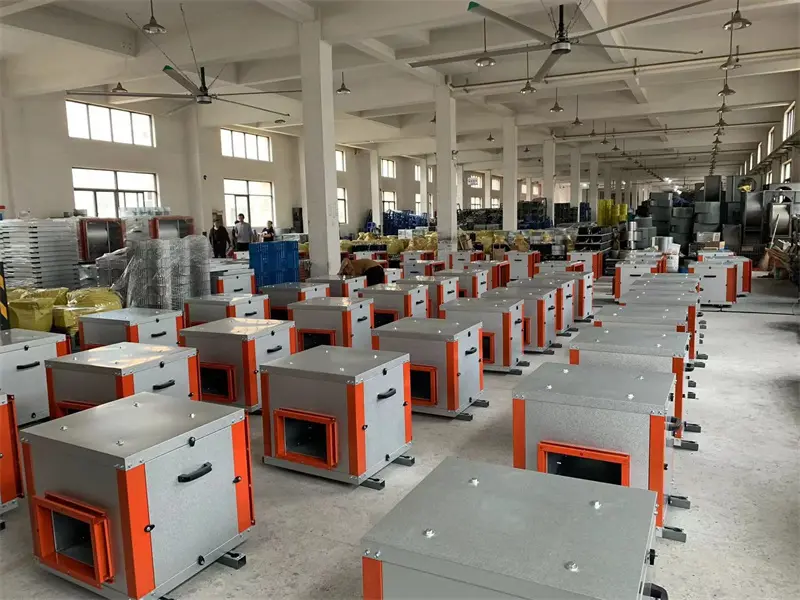
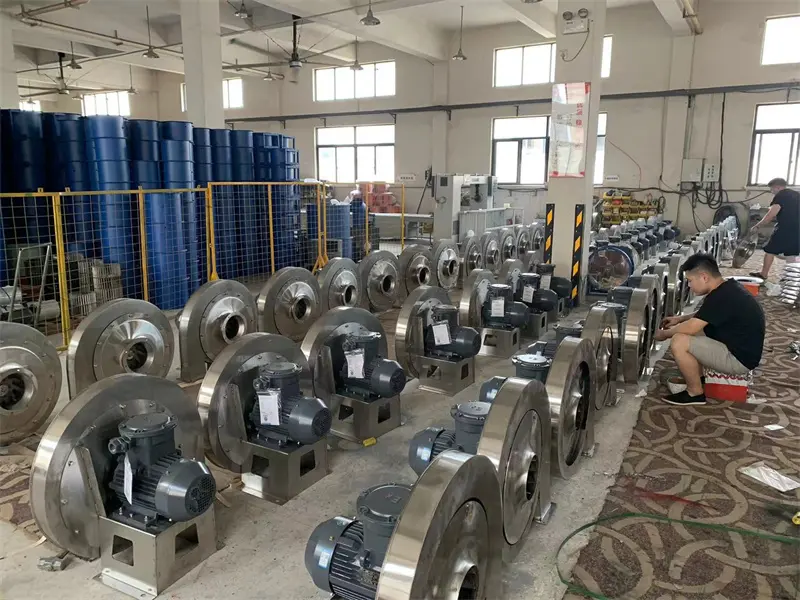
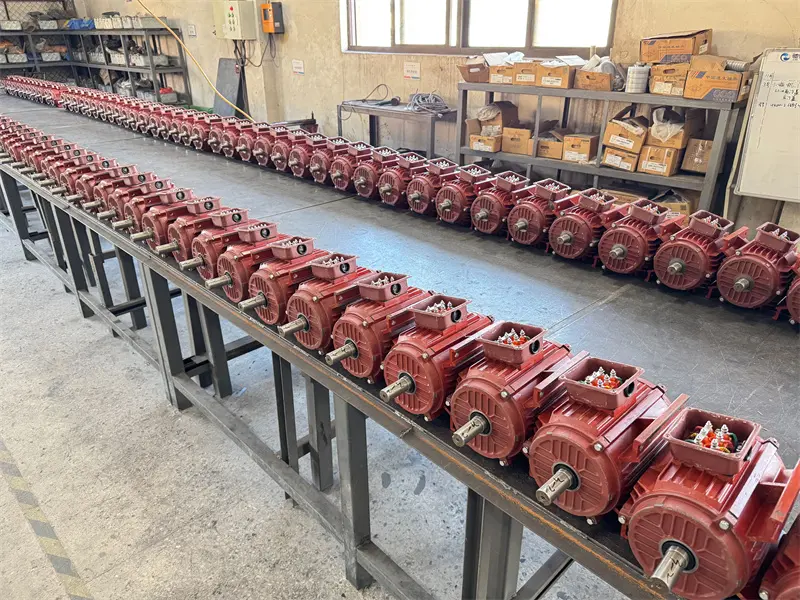
Founded in 1995, and formerly known as Wenling Zeguo Wanfang Mechanical and Electrical Parts Factory, Chiye Enterprise has spent over 29 years cementing its place as a cornerstone of the fan manufacturing sector. Our modern facility features standardized production floors and dedicated warehousing space, anchored by a state-of-the-art aerodynamic technology center and a highly specialized wind turbine processing station.
To support major HVAC and environmental protection systems manufacturers globally, we have continuously modernized our tooling. We currently operate:
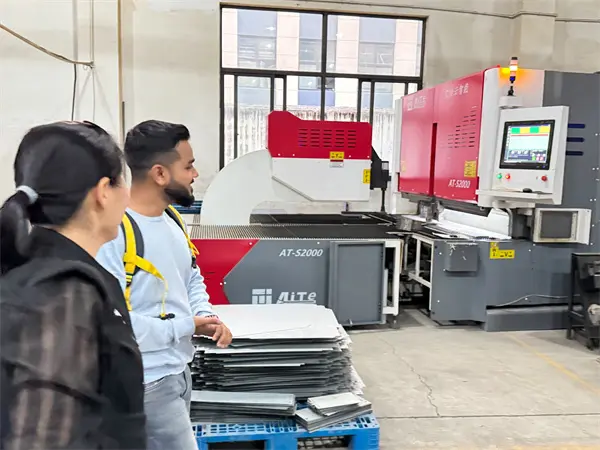
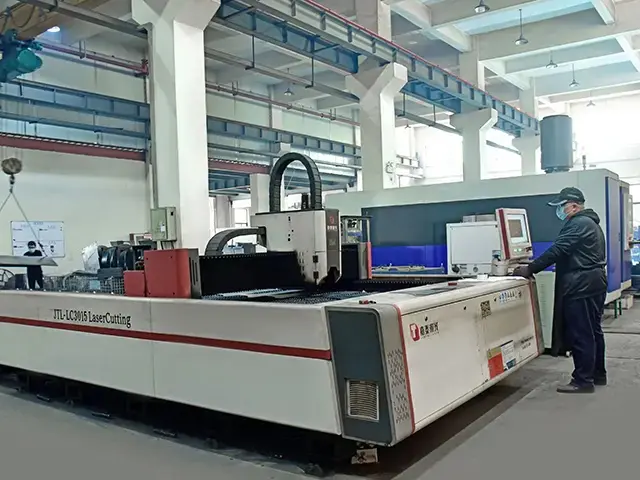
- 4 CNC high-precision laser cutting machines for perfect sheet metal geometries.
- 2 CNC metal spinning machines to ensure seamless, aerodynamic intake cones.
- 2 CNC bending machines & 2 heavy-duty shearing machines for high-tolerance outer housings.
- 6 computer-assisted digital dynamic balancing machines to guarantee vibration-free fan operation.
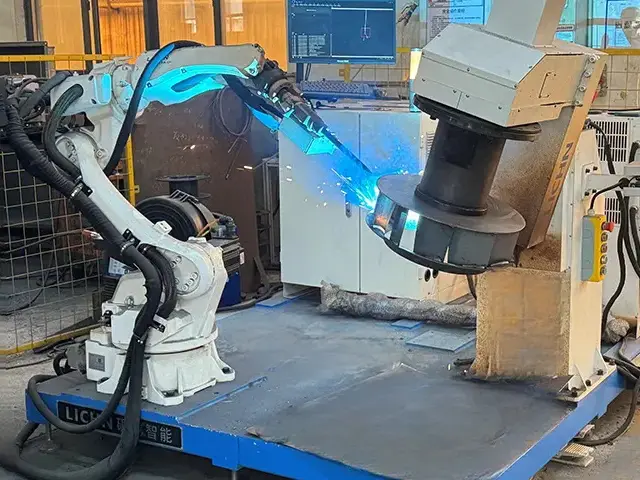
- An integrated suite of automatic welding robots acquired in 2013, alongside 4 sets of proprietary automation machines engineered in-house.
China's Manufacturing Synergy & Supply Chain Dominance
Leveraging the Taizhou/Wenling Industrial Cluster to deliver cost efficiencies and technical innovations.
1. Direct Material Integration
By working closely with regional foundries and steel mills, we bypass middle-market handlers, acquiring premium electrical sheet steel and pure aluminum coils at base commodity pricing.
2. Advanced Precision Tooling
Our state-of-the-art CNC laser cutters and robotic welding stations significantly reduce human error, allowing us to keep assembly tolerances within 0.05mm.
3. Rigorous Quality Auditing
Every manufactured impeller is subjected to double-plane dynamic balance trials and runtime testing to eliminate resonant vibration before warehouse packaging.
Global Enterprise Purchasing Standards
Aligning Fan Engineering with International Specifications for EPC Contractors, HVAC Distributors, and Industrial Kitchen OEM/ODM Partnerships.
Demands of High-Volume Procurement
Global procurement offices do not merely purchase fans; they select structural systems partner that mitigate installation risks. In large-scale kitchen projects (e.g., hotel chains, university food halls, airport terminals), fans must comply with architectural drawings and building management systems (BMS).
Key integration parameters requested by procurement engineers include:
- Modbus or BACnet Compatibility: Seamlessly interface EC motors with centralized facility climate management.
- Motor Efficiencies: High-efficiency Premium IE3 or IE4 standard motors, reducing operating expenses across multi-fan commercial kitchens.
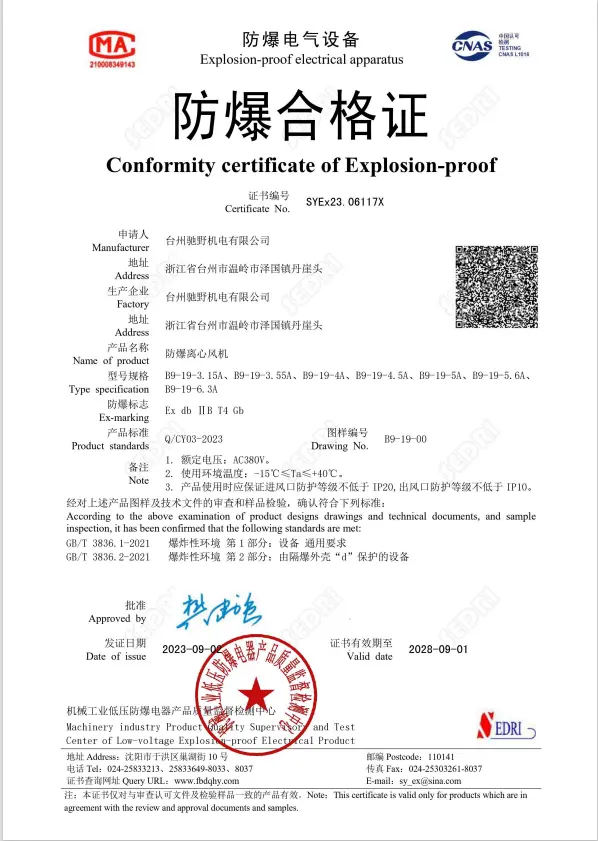
- Explosion-Proof (ATEX/IECEx): Crucial when fans vent volatile organic vapors or gaseous byproducts in industrial bakeries and processing zones.
Localization and Application Adaptation
Different markets present unique regional challenges. Our design department customizes motor electrical coils for regional grids: 380V/415V/460V at both 50Hz and 60Hz configurations. Additionally, for marine applications (galley exhaust fans on cruise liners or drilling vessels), we customize housings with marine-grade structural coatings or use 316-grade stainless steel to resist salt-fog damage.
Localization Support & Compliance Assurance
Ensuring compliance with global building codes and international environmental standards.
Grease Extraction Compliance (UL 762)
Commercial cooking produces heavy grease-laden air. Our kitchen fans are designed with drain plugs at the lowest point of the housing to prevent structural accumulation, mirroring UL 762 criteria for grease run-off safety.
EU Standard Conformity (CE & EN 12101-3)
For European installation configurations, our high-temperature fans (HTF series) satisfy standard test criteria to operate reliably at elevated temperatures (up to 400°C for over 2 hours) during emergency smoke events.
IP55 Protection Rating & Class F Insulation
Motors on kitchen utility blowers are exposed to high humidity and oily environments. We offer sealed IP55 rated terminal boxes and Class F insulation windings to prevent electrical degradation.
Technical Application Scenarios & Case Studies
How our centrifugal and axial fans are deployed across critical public and industrial environments.
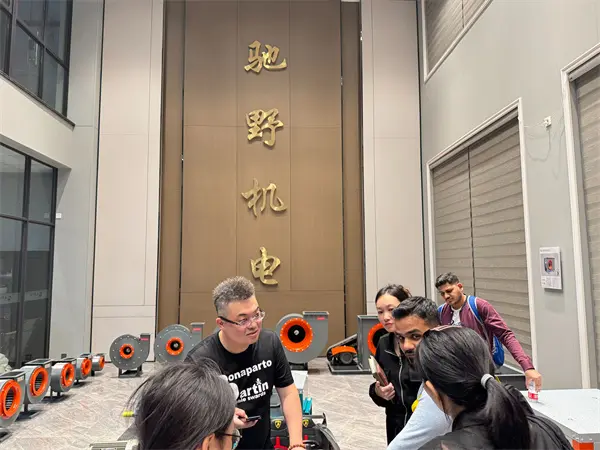
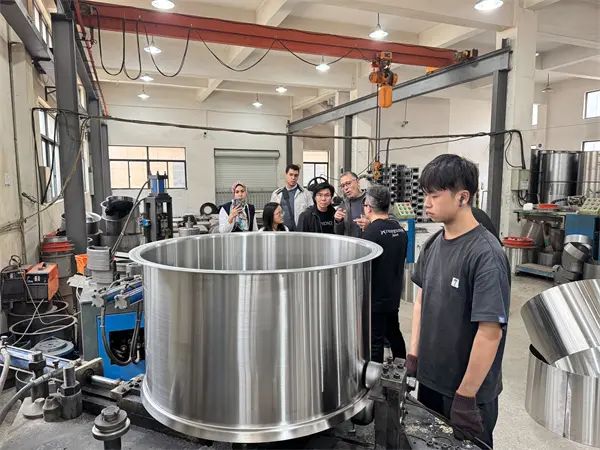
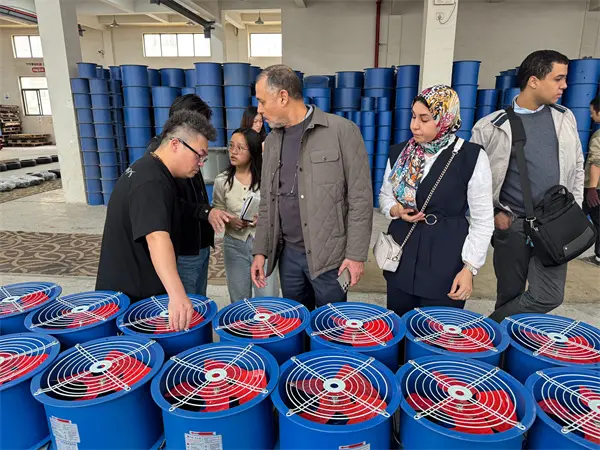
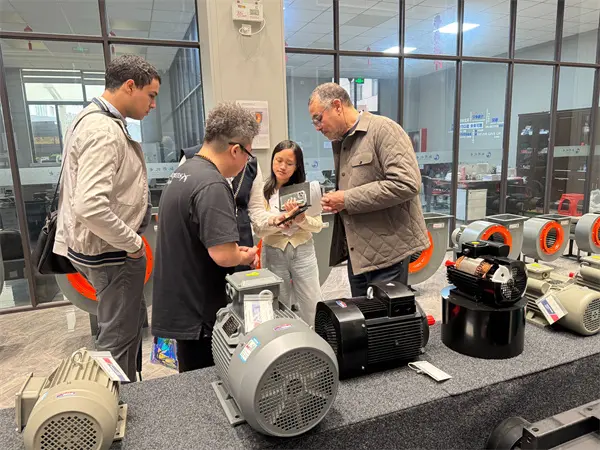
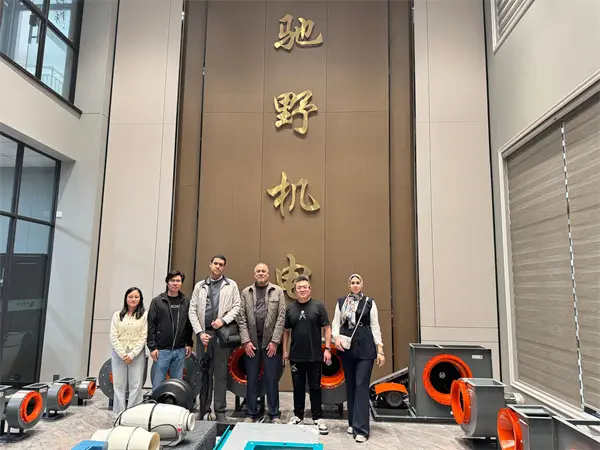
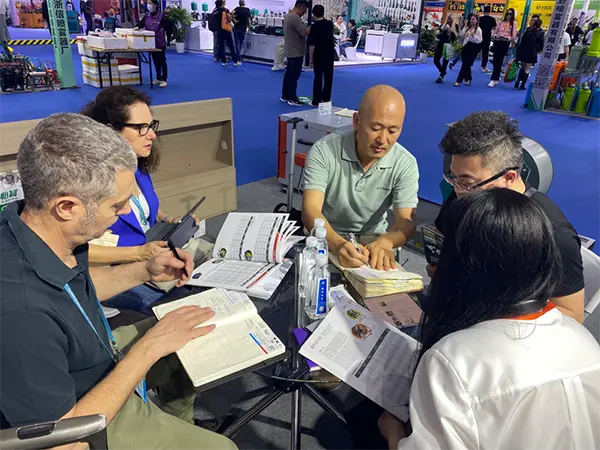
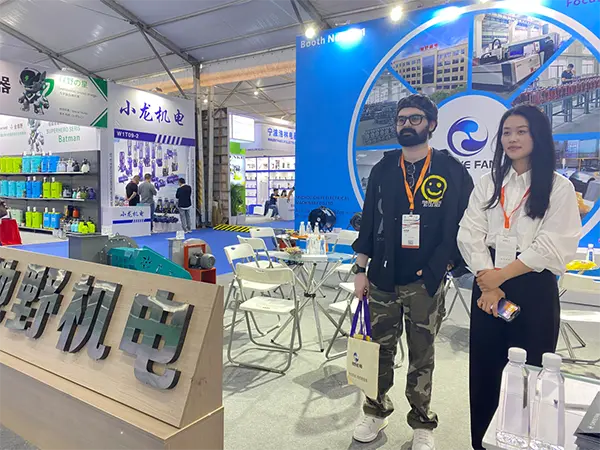
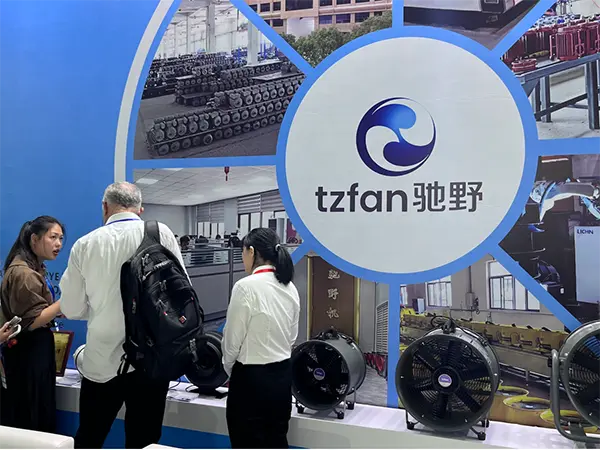
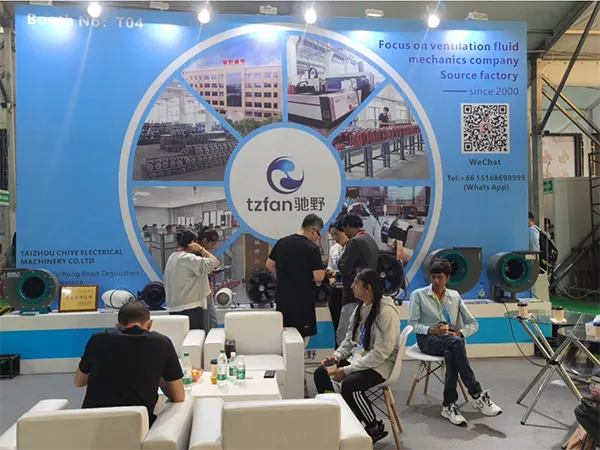
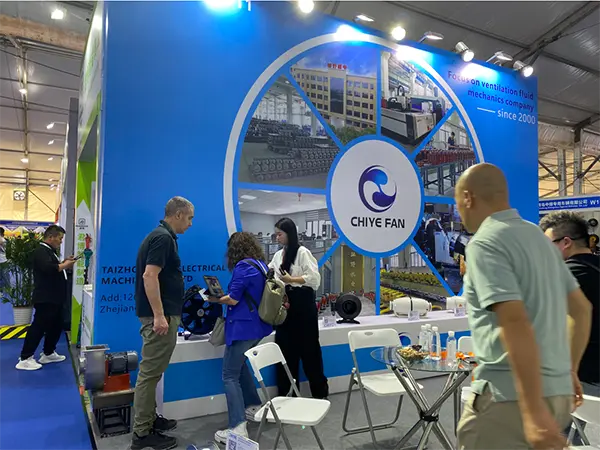
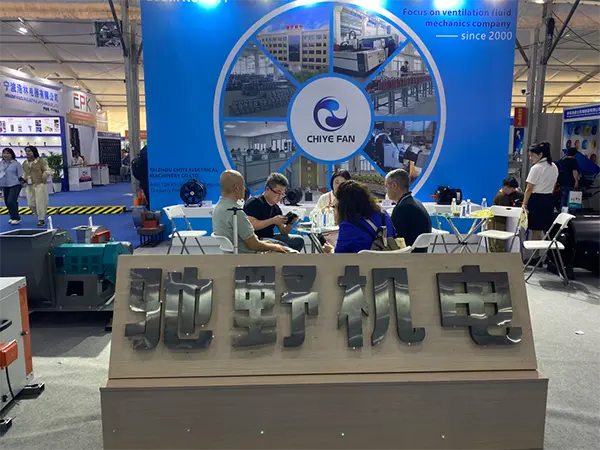
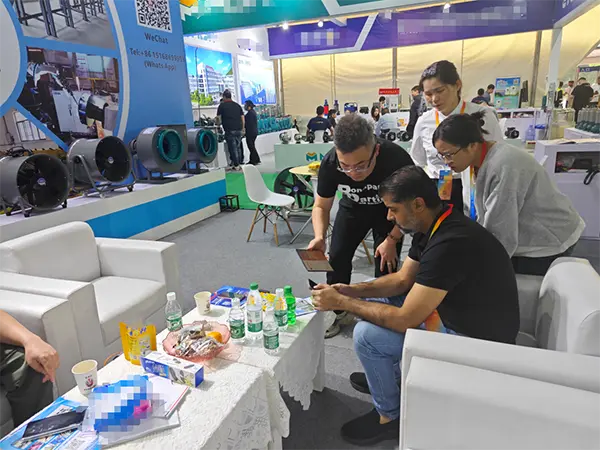
Exhibition Presence & Global Trade
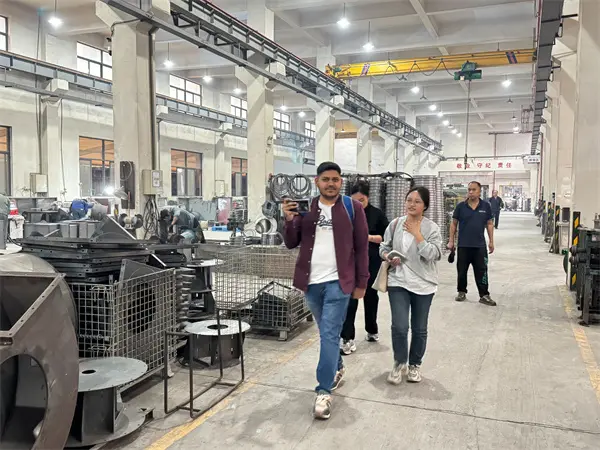
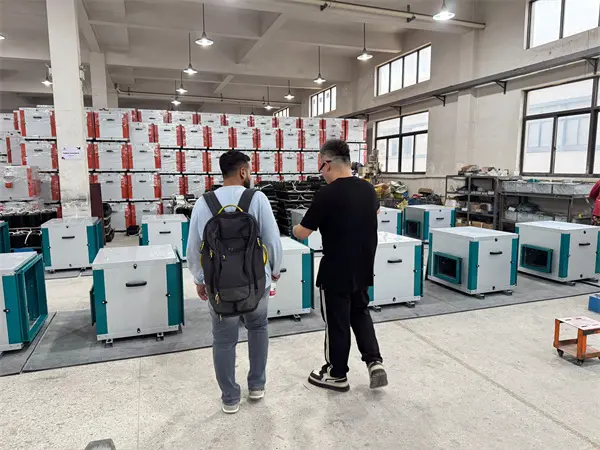
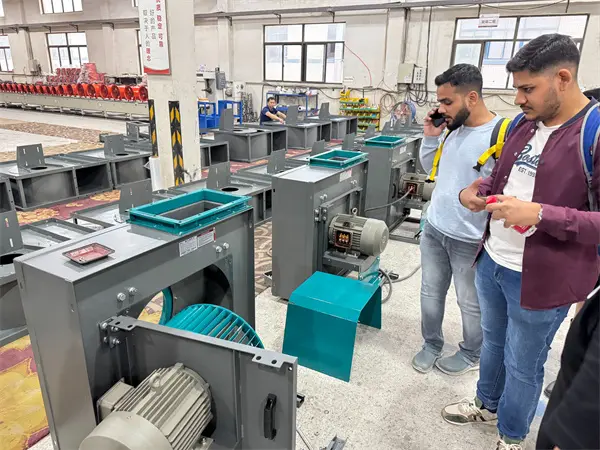
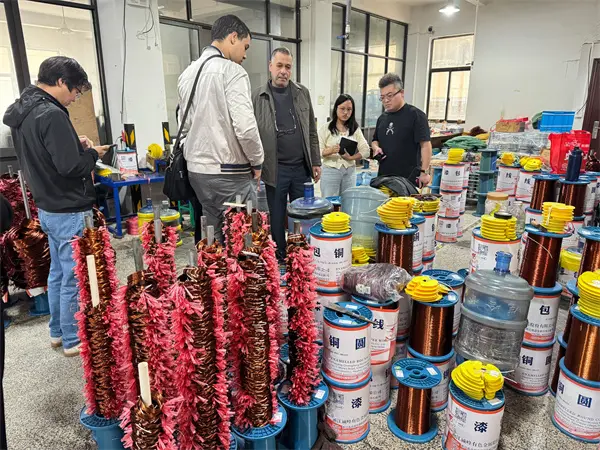
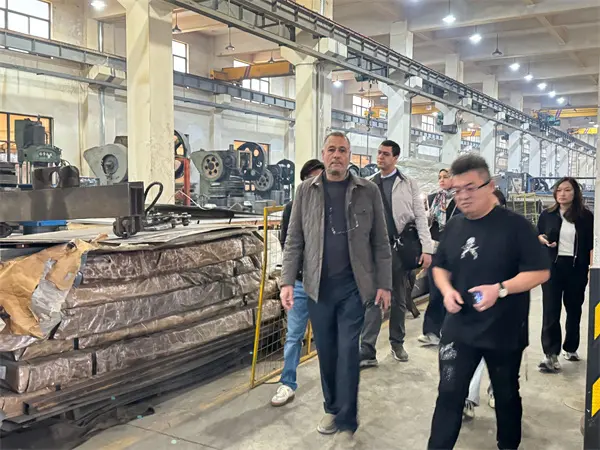
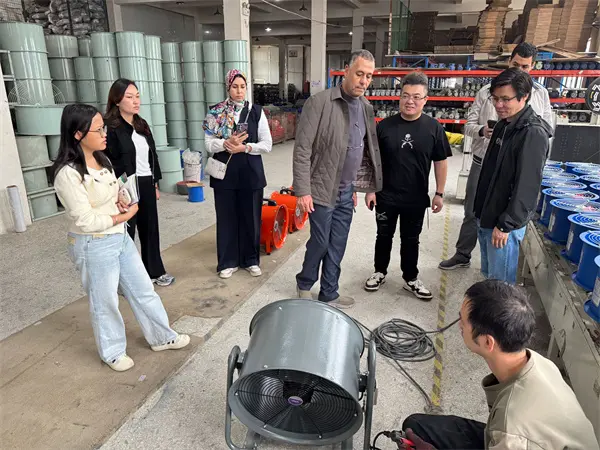
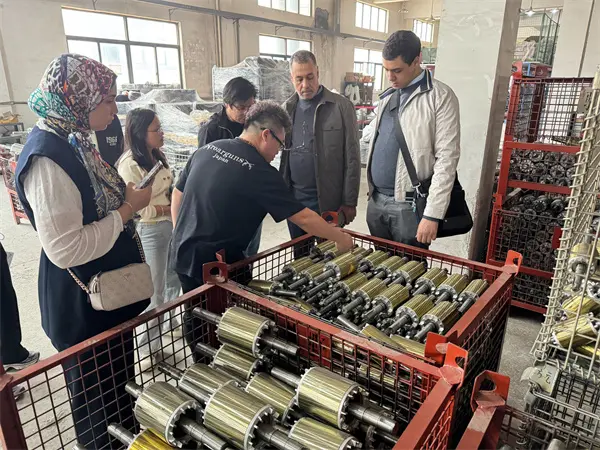
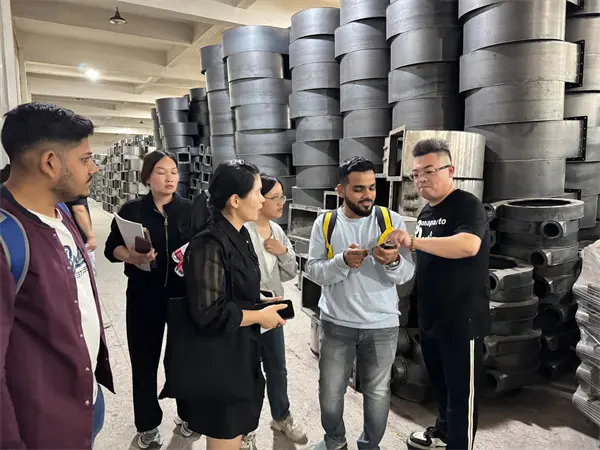
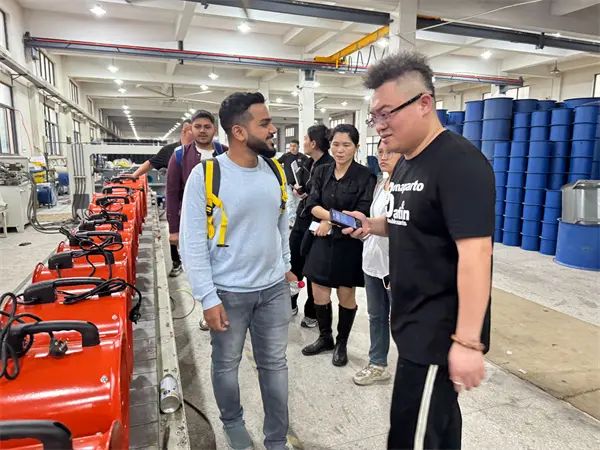
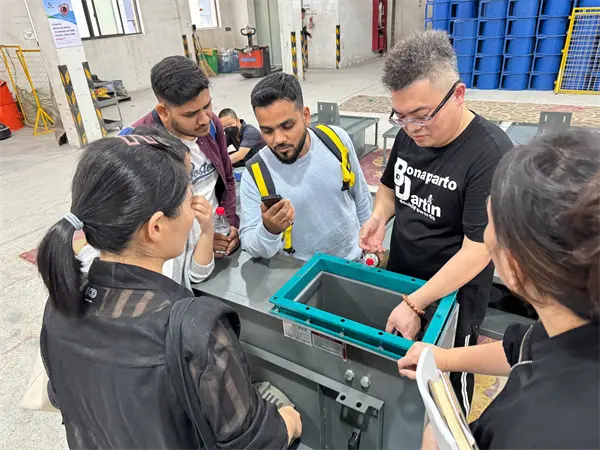
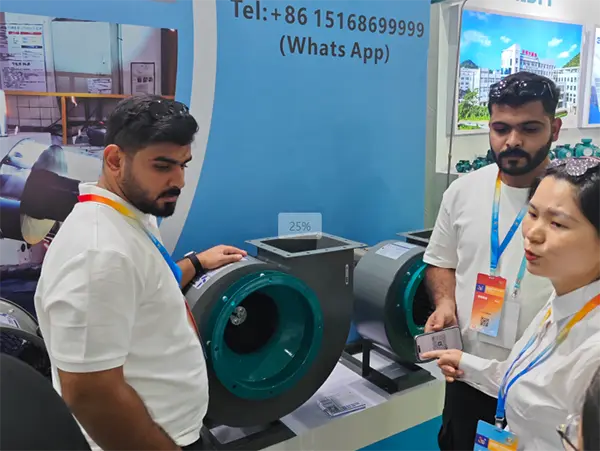
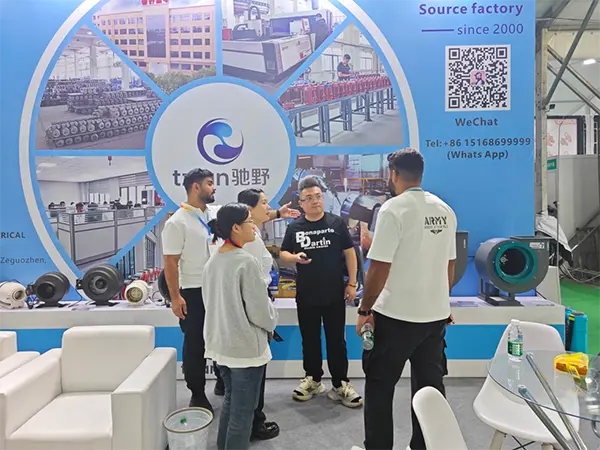
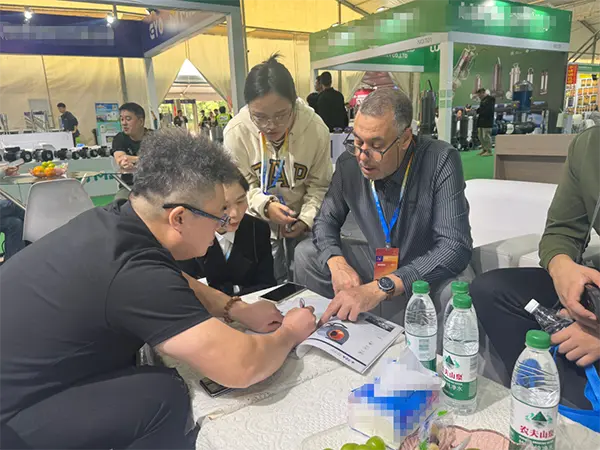
Our commitment to direct cooperation with international engineering merchants is demonstrated through our active participation in global trade fairs. Foreign buyers routinely visit our Taizhou manufacturing campus to audit our automated production capabilities and verify our dynamic impeller balancing protocols.
Real-World Project Deployments
Our products serve in various sectors, from standard commercial kitchen exhaust lines to advanced industrial paint booth filtration and factory flue gas extraction.
- Restaurant Air Exchange: Deploying model 11-62 and DFA series centrifugal fans to pull smoke through dense grease filters without dropping design velocity.
- Emergency Building Smoke Clearing: Installing HTF high-temperature fans to act as smoke barriers inside emergency stairwells.
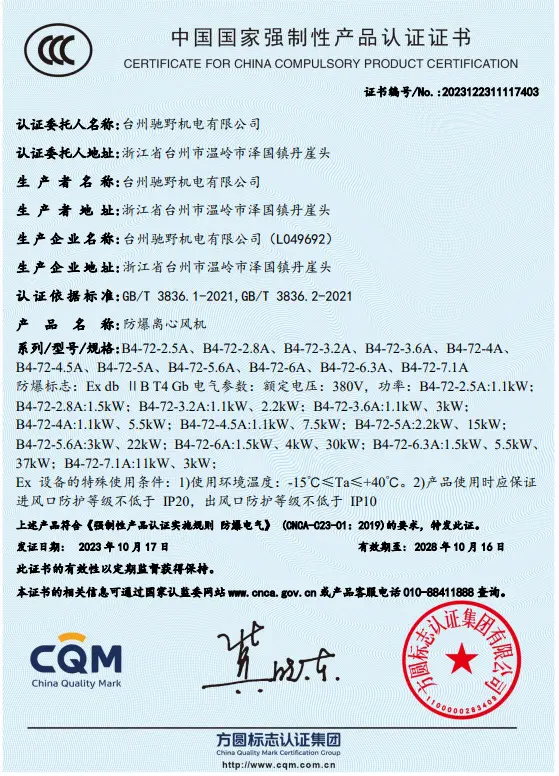
- High-Acid Environments: Deploying custom 4-72 stainless steel fans to resist corrosive air streams in chemical labs and pharmaceutical operations.
Advanced Production Equipment
Our investment in automated machinery guarantees tight tolerances, superior strength, and structural consistency for all fans.
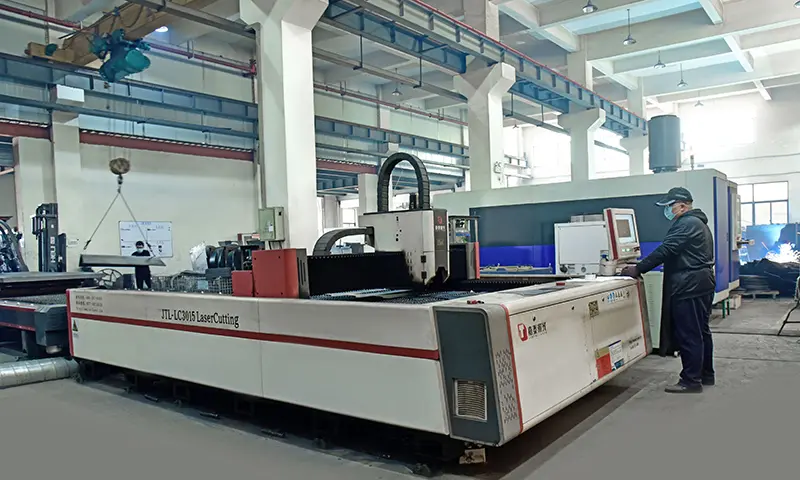
Laser Cutting Precision
High-power CNC fiber lasers cut cold-rolled steel and stainless plates within microns of mechanical drawings, preventing assembly errors.
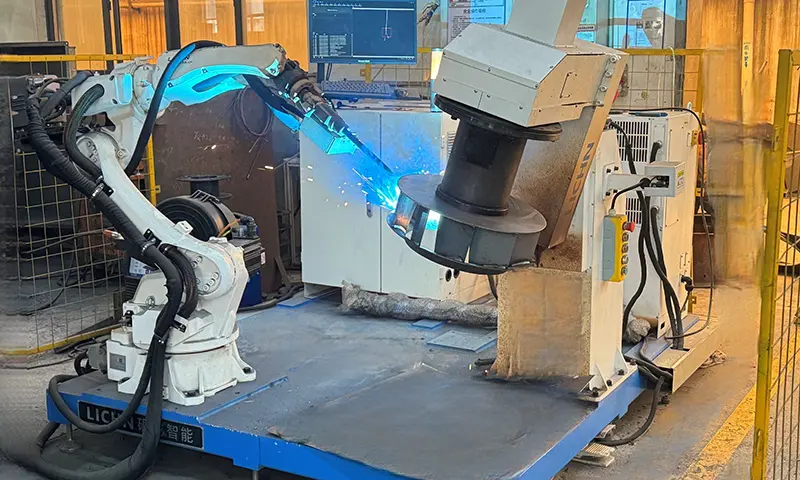
Robotic Welding Stations
Consistent, deep-penetration seam welds ensure structurally rigid fan housings that can withstand high rotational stress without warping.
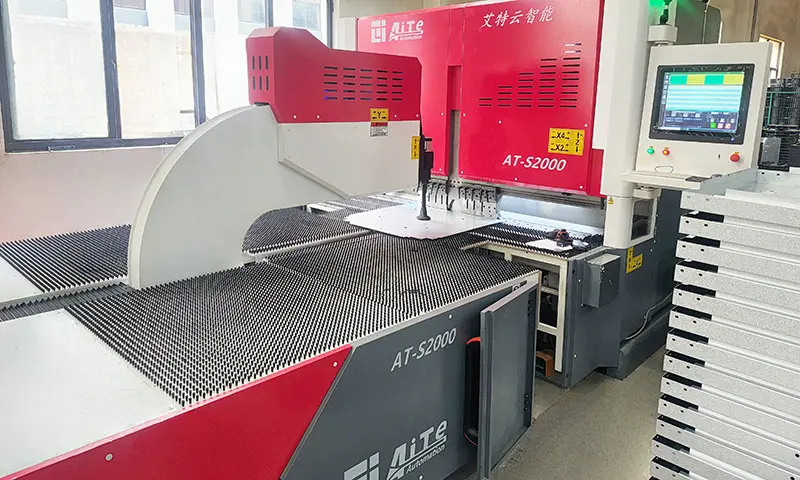
Automatic CNC Bending
Ensures perfect curves on fan scrolls, improving aerodynamic efficiency and minimizing flow resistance inside the housing.
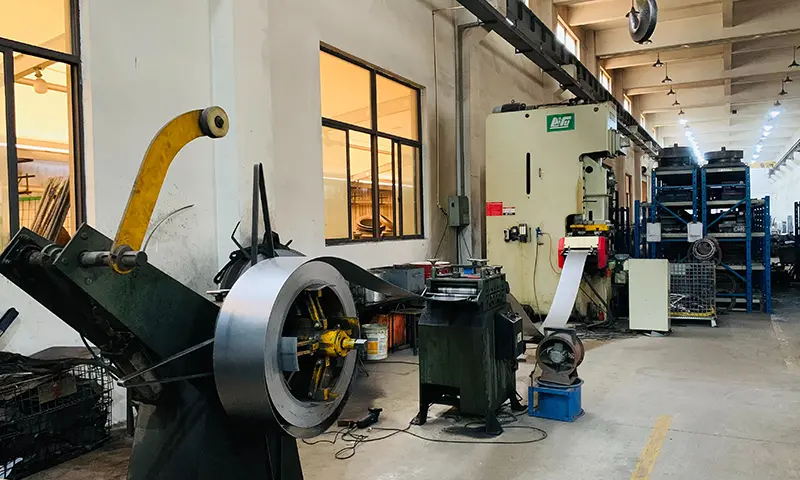
Coiler Operations
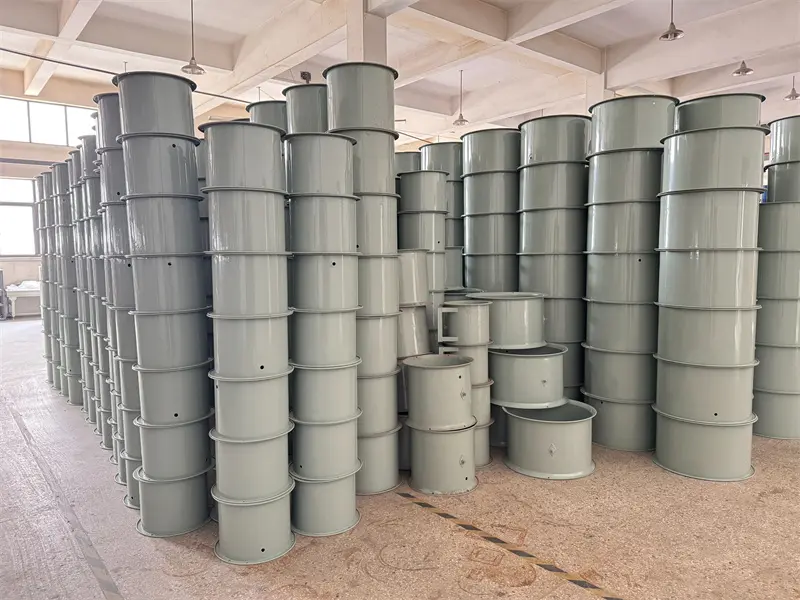
Dedicated roll-forming equipment shapes large fan shells seamlessly, minimizing localized stress points along structural seams.
Enterprise Vision & Corporate Values
A commitment to green development, product quality, and long-term customer partnerships.
Innovation Leadership
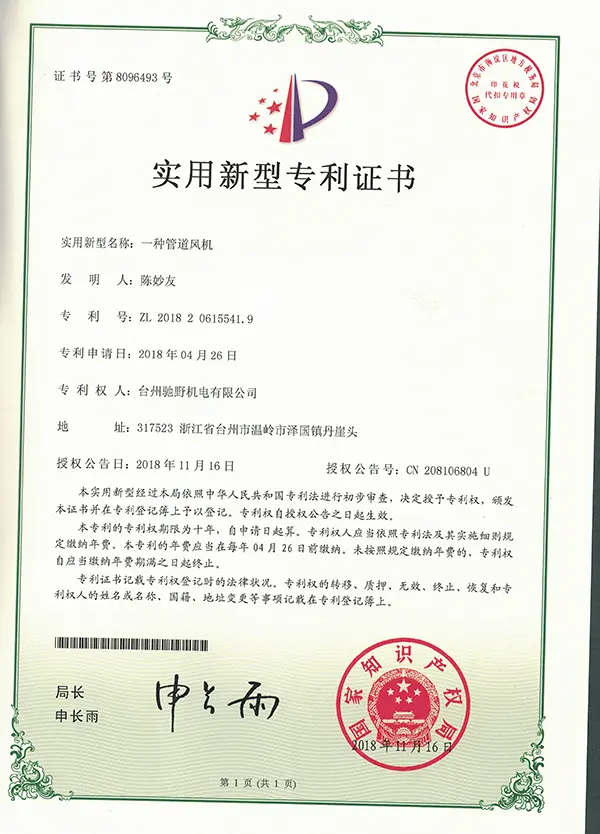
We believe that technological innovation is the core engine driving enterprise evolution, prompting us to research new boundary-layer aerodynamics and impeller structures.
Quality First
Every product is a reflection of our brand. We maintain strict control over our raw materials and test each fan under loaded current conditions prior to dispatch.
Customer Centricity
We work to understand customer issues, offering custom motor ratings, flexible inlet/outlet orientations, and responsive troubleshooting support.
Green Development
By optimizing motor-drive efficiency and aerodynamic blade profiles, our fans consume less energy, lowering carbon emissions over their service life.
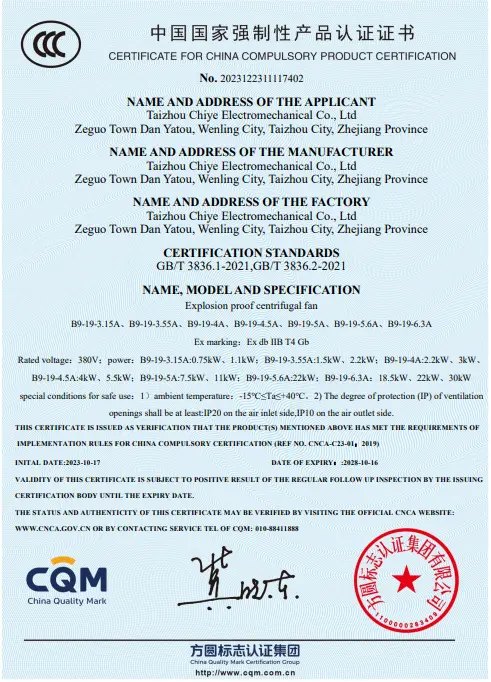
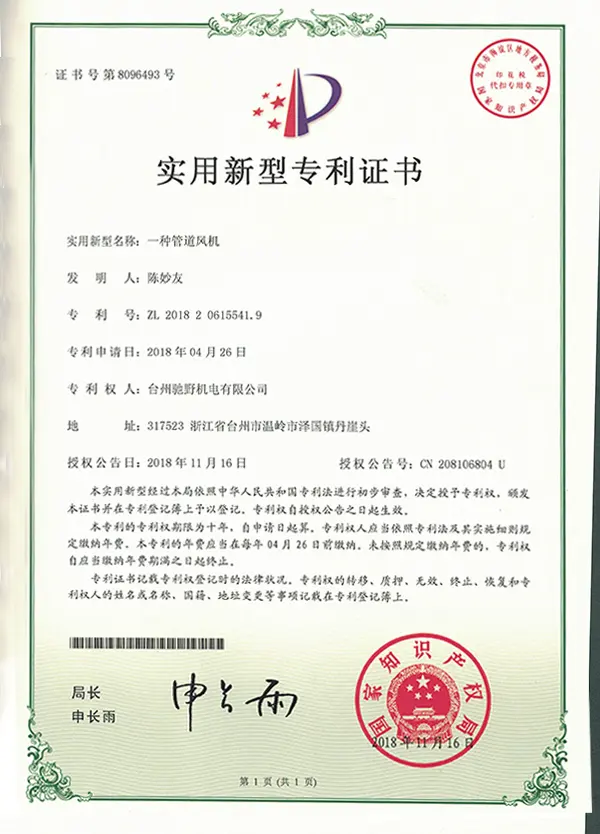
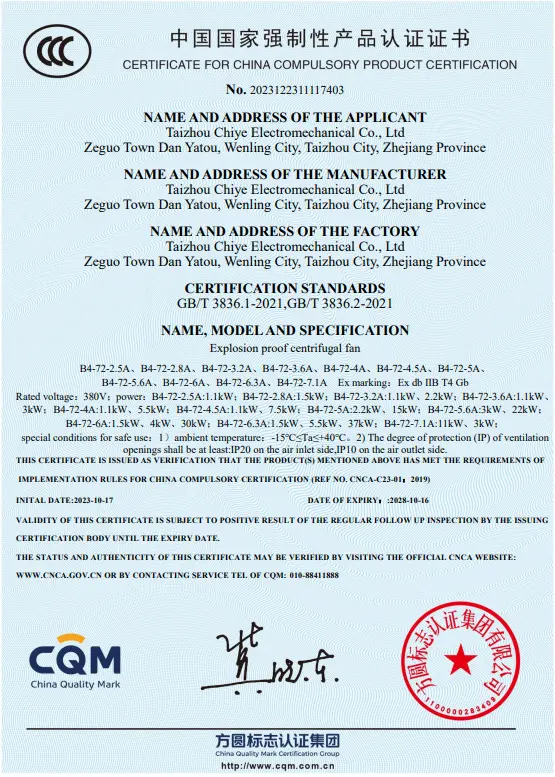
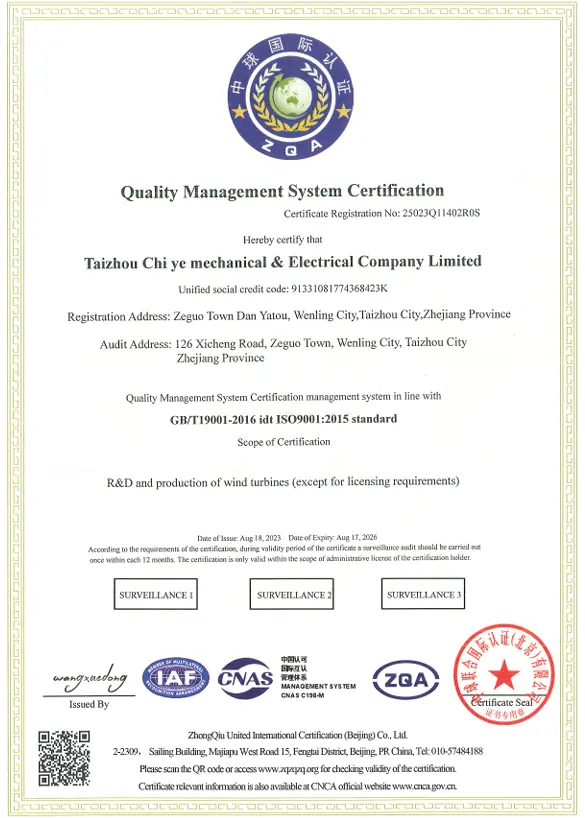
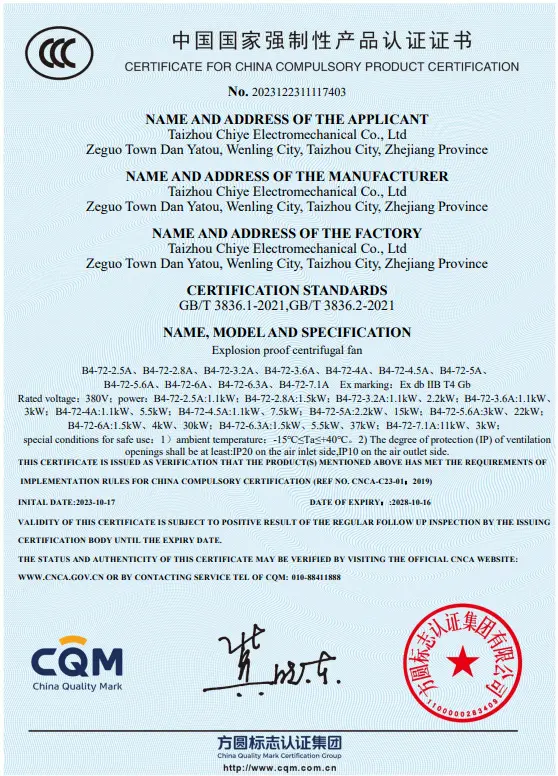
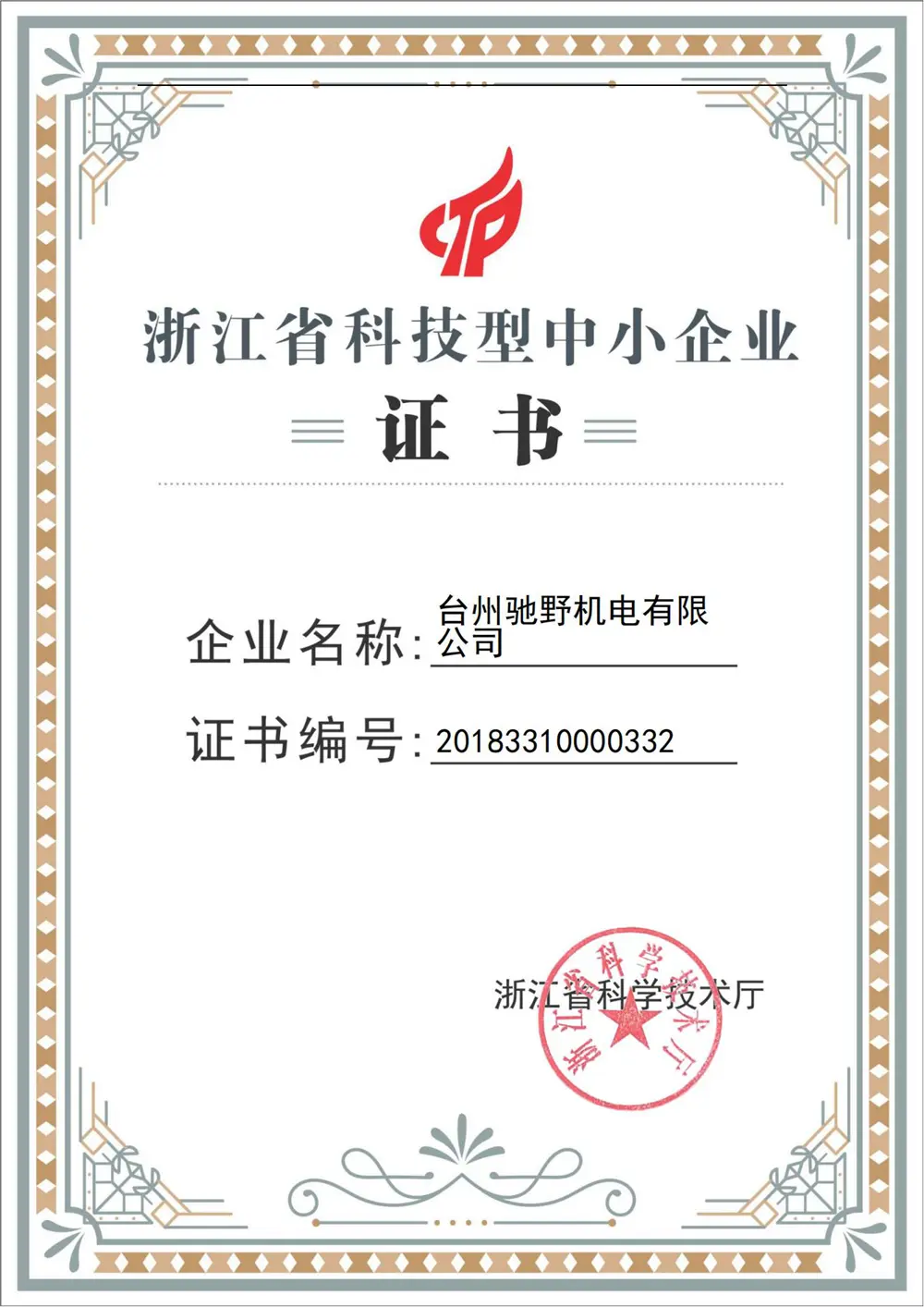
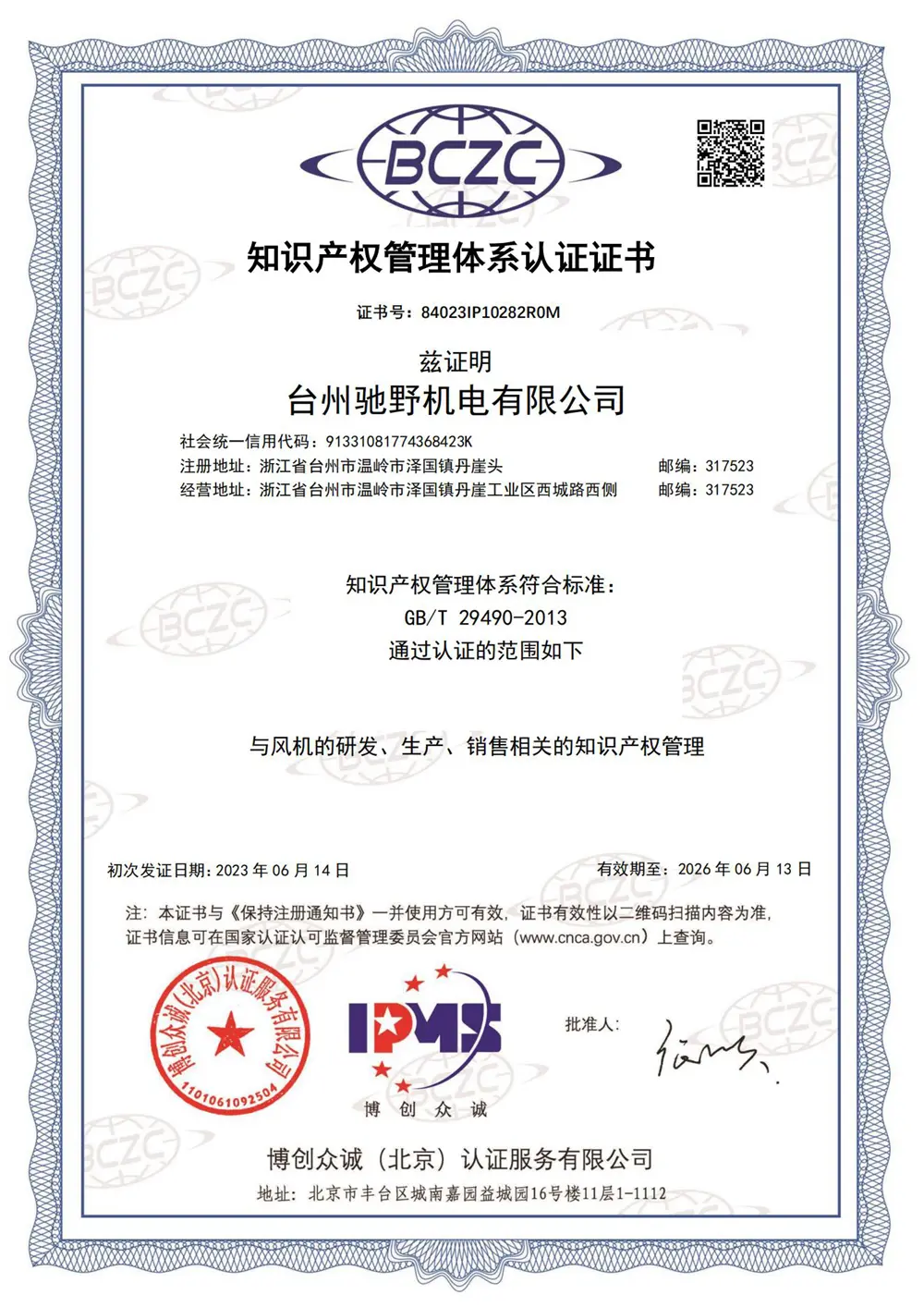
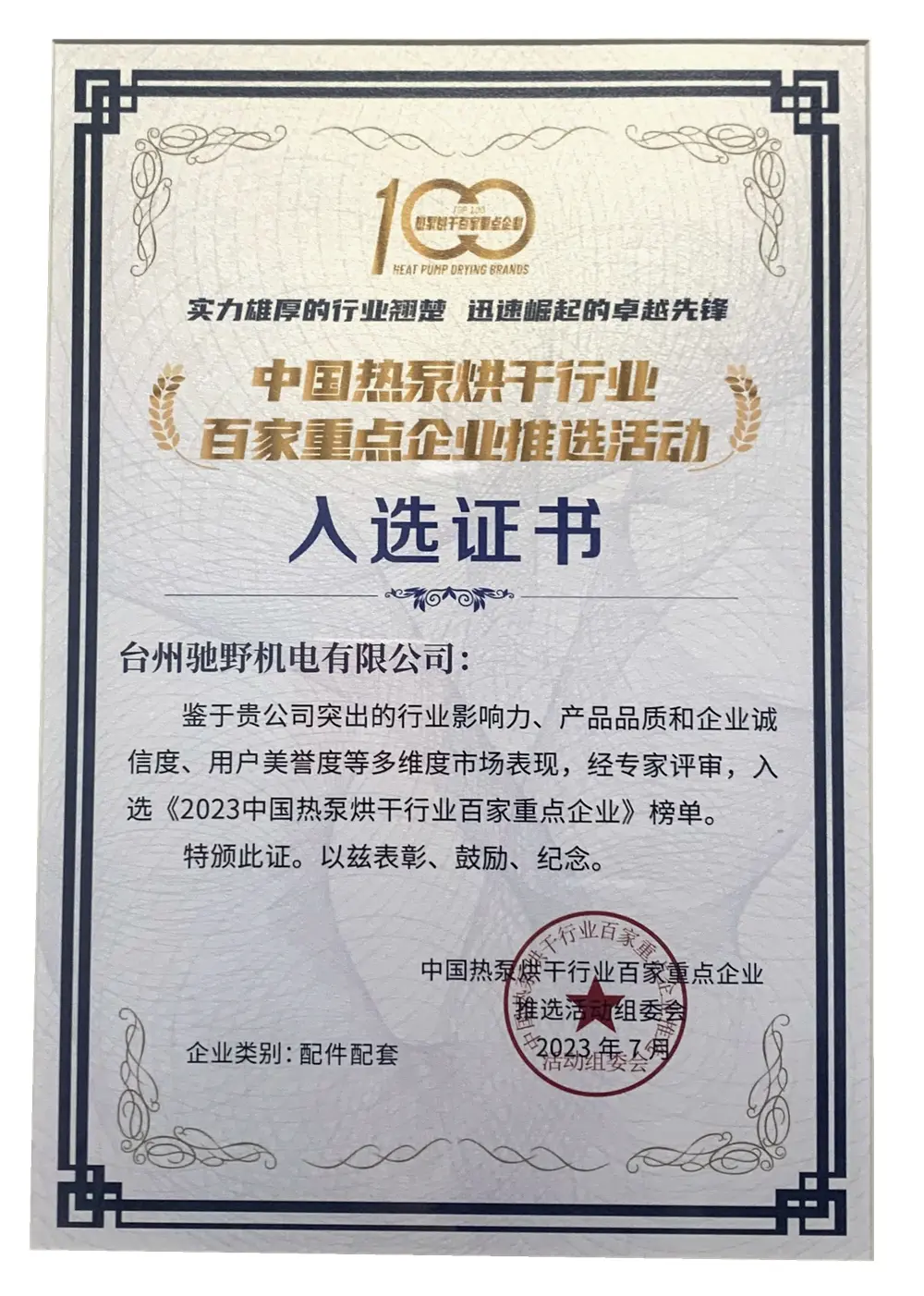
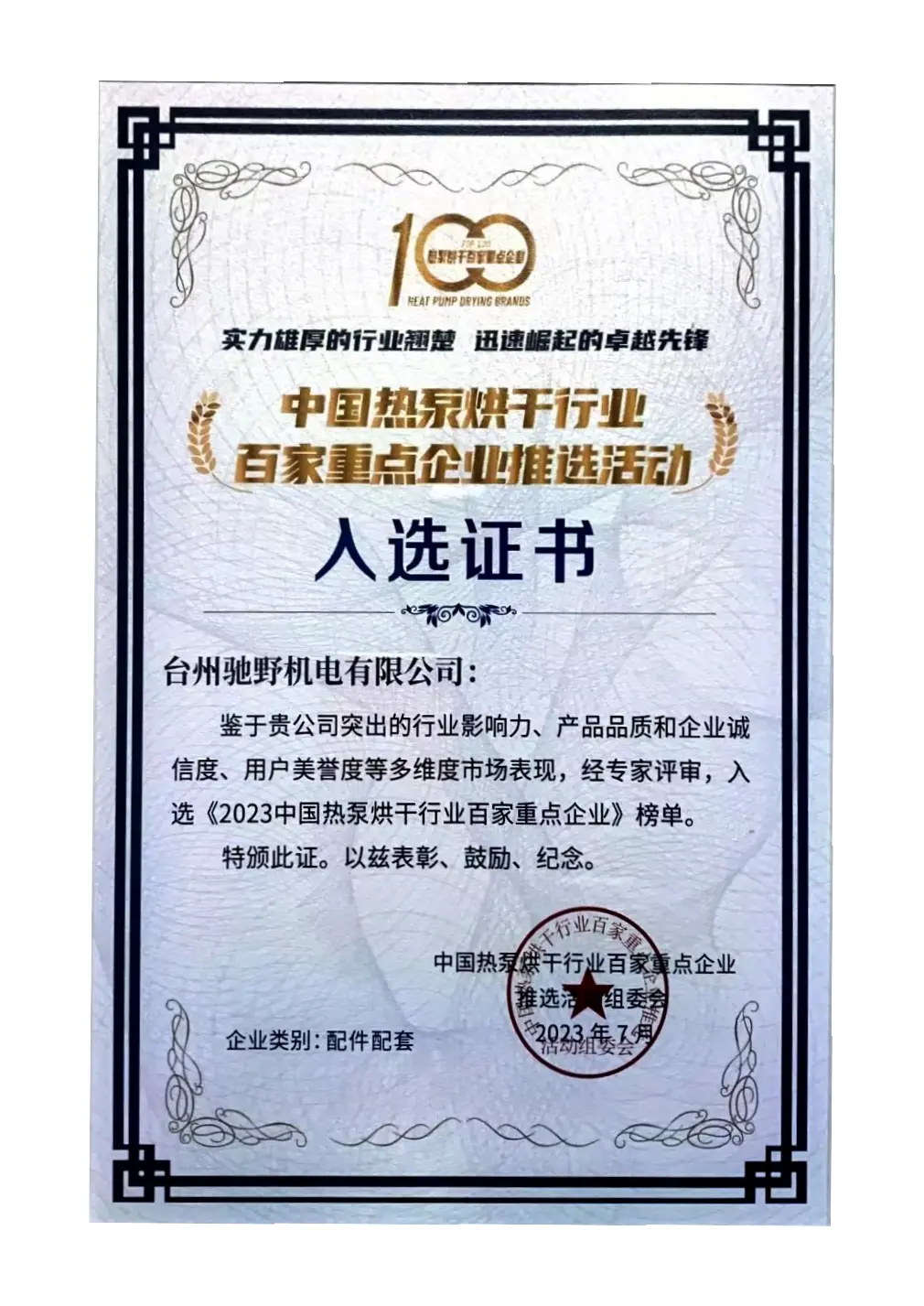
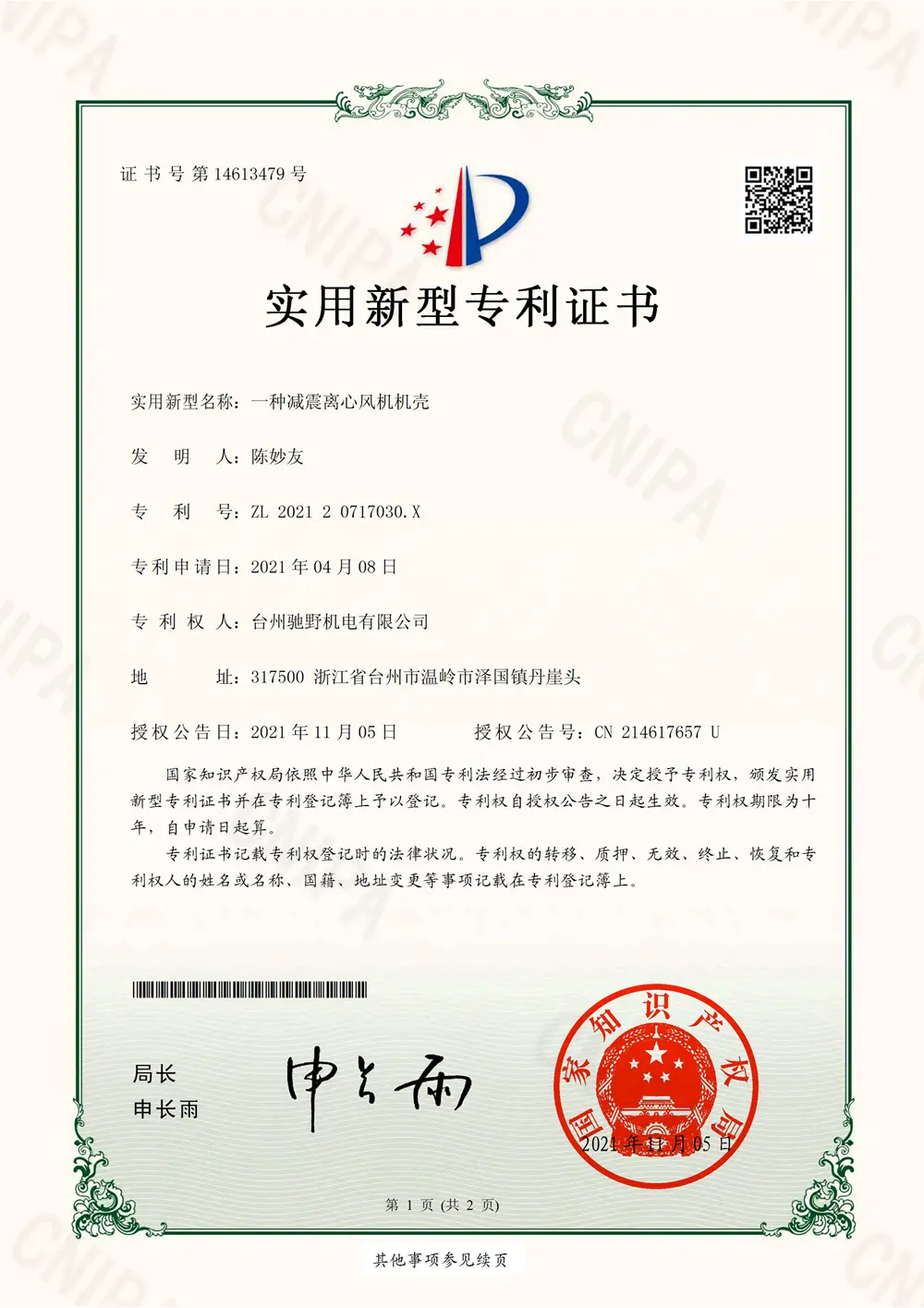
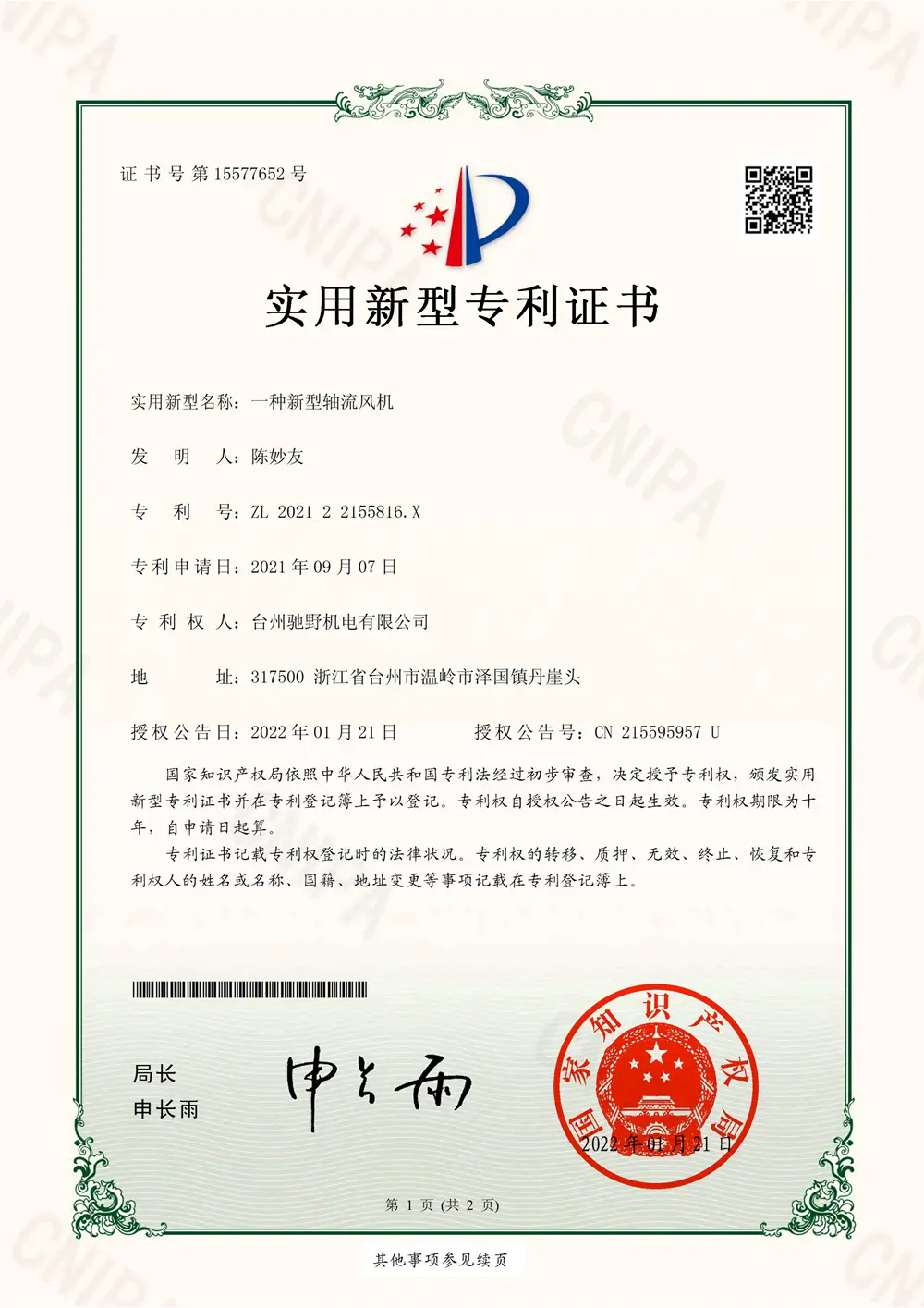
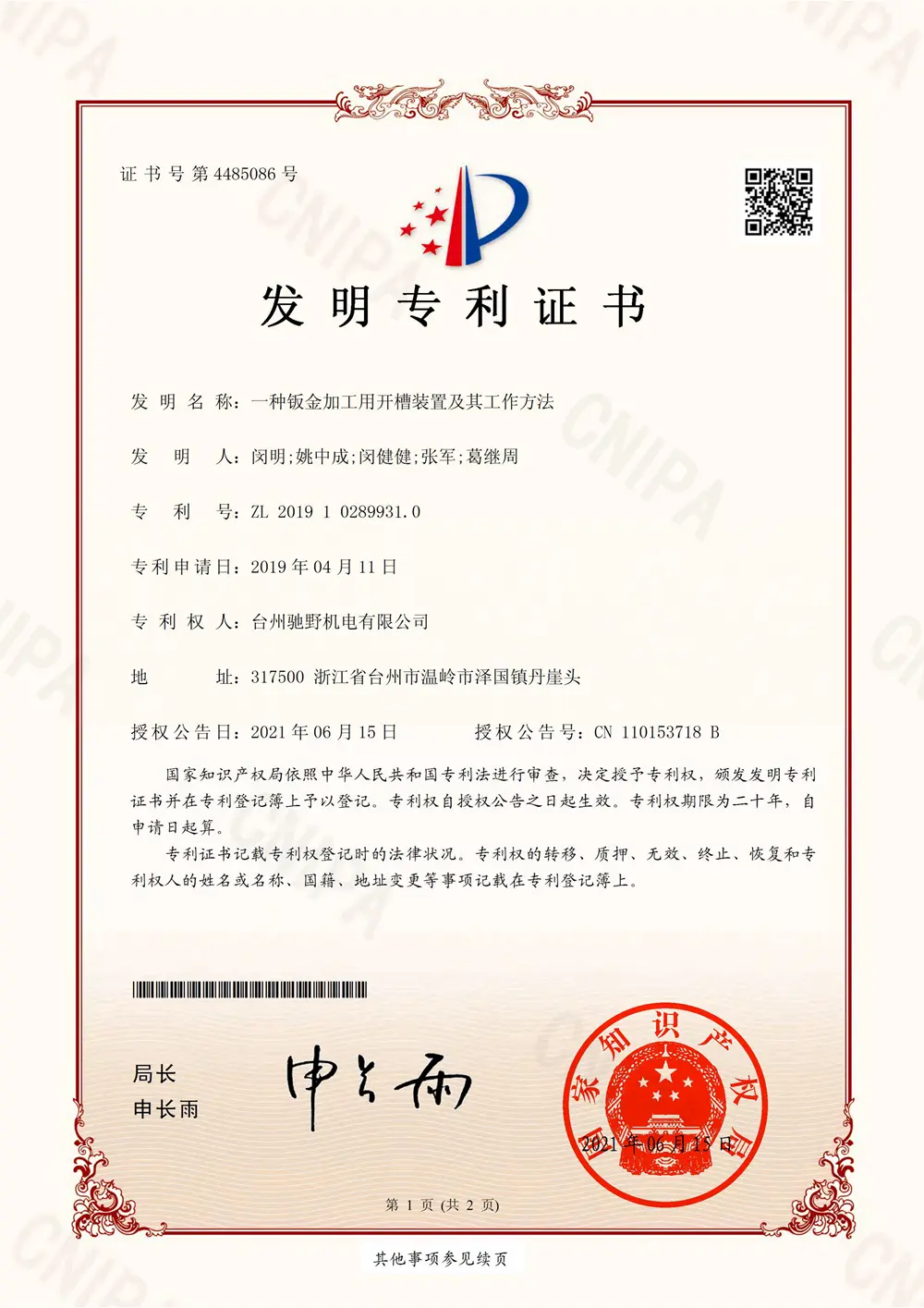
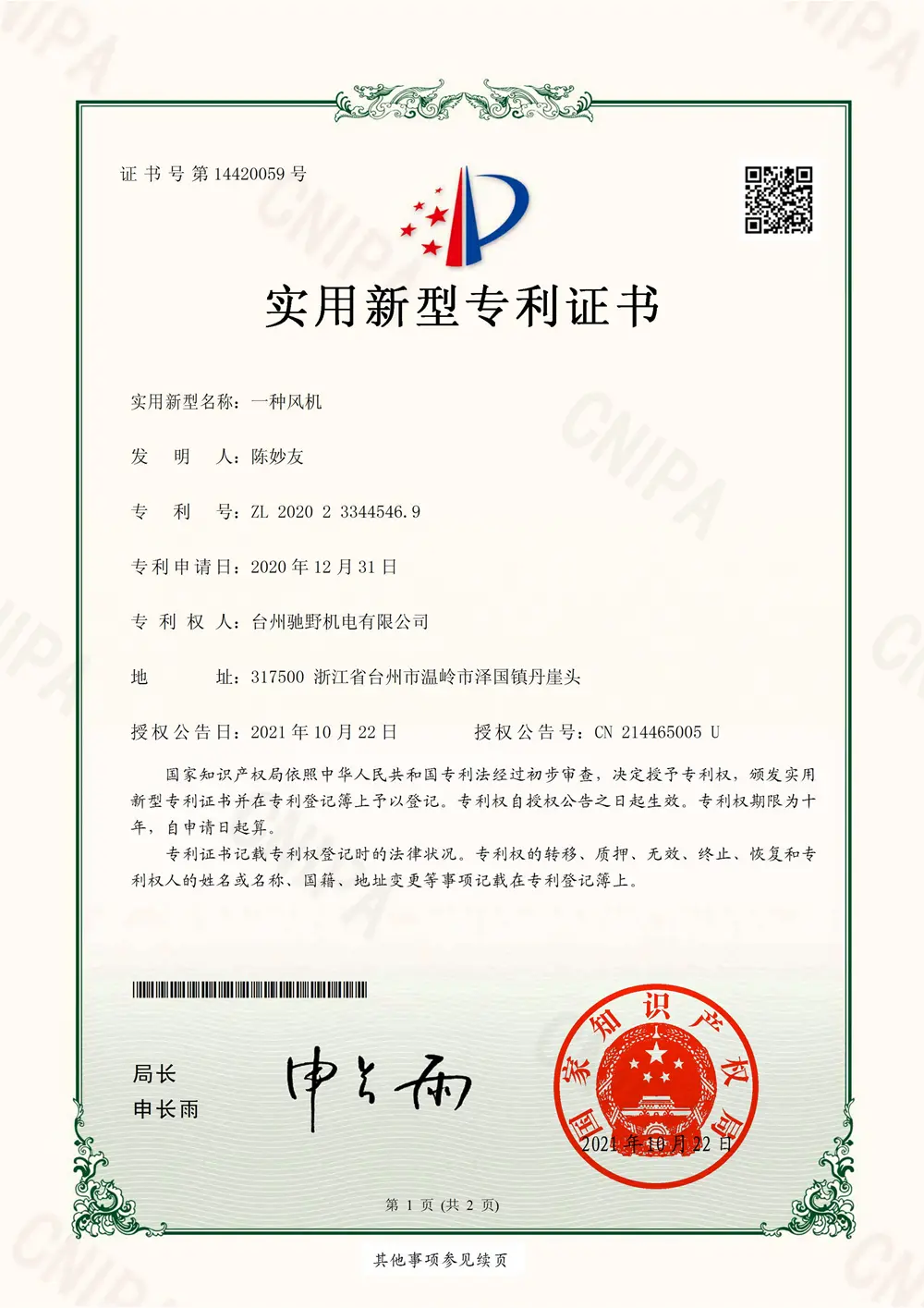
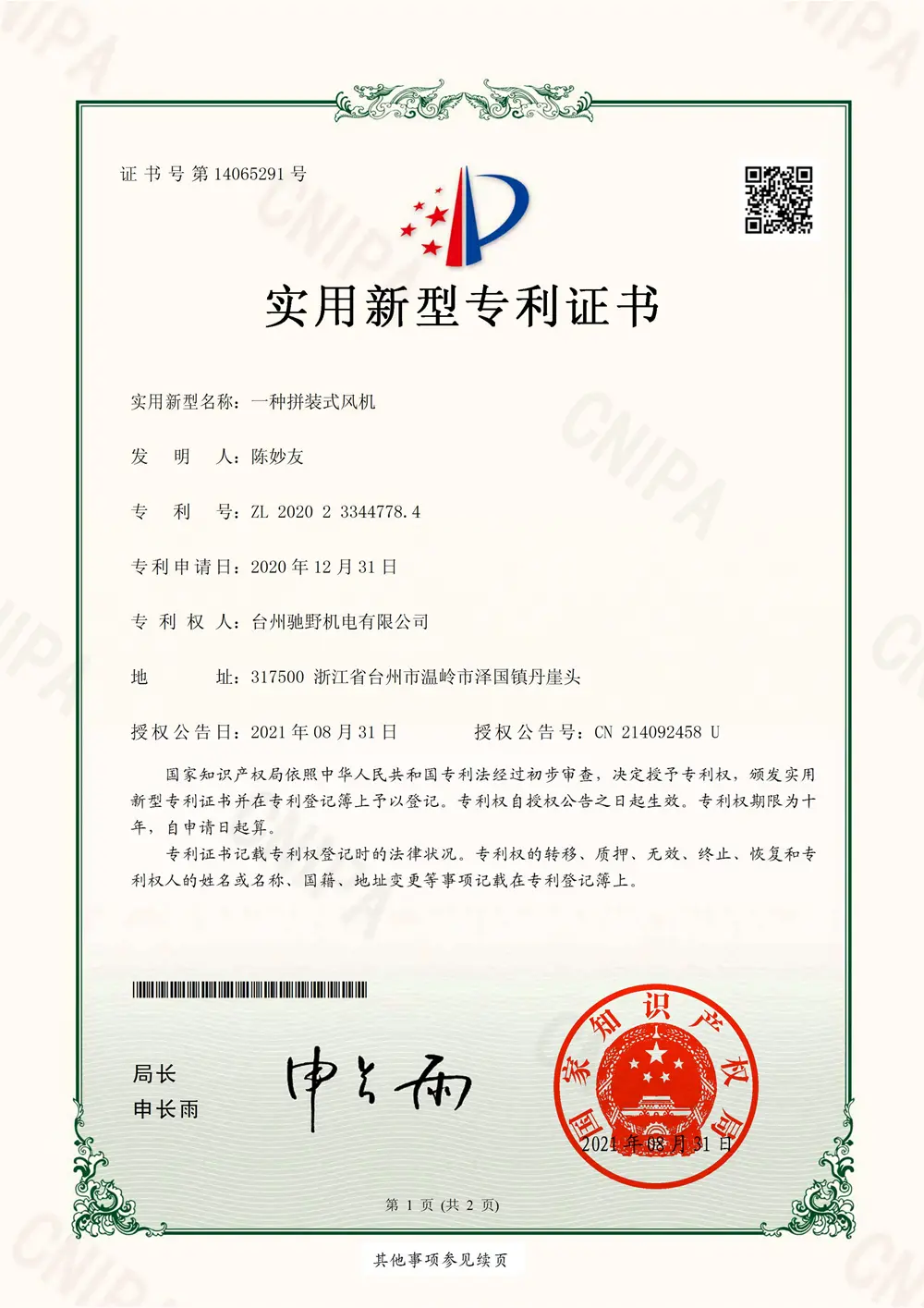
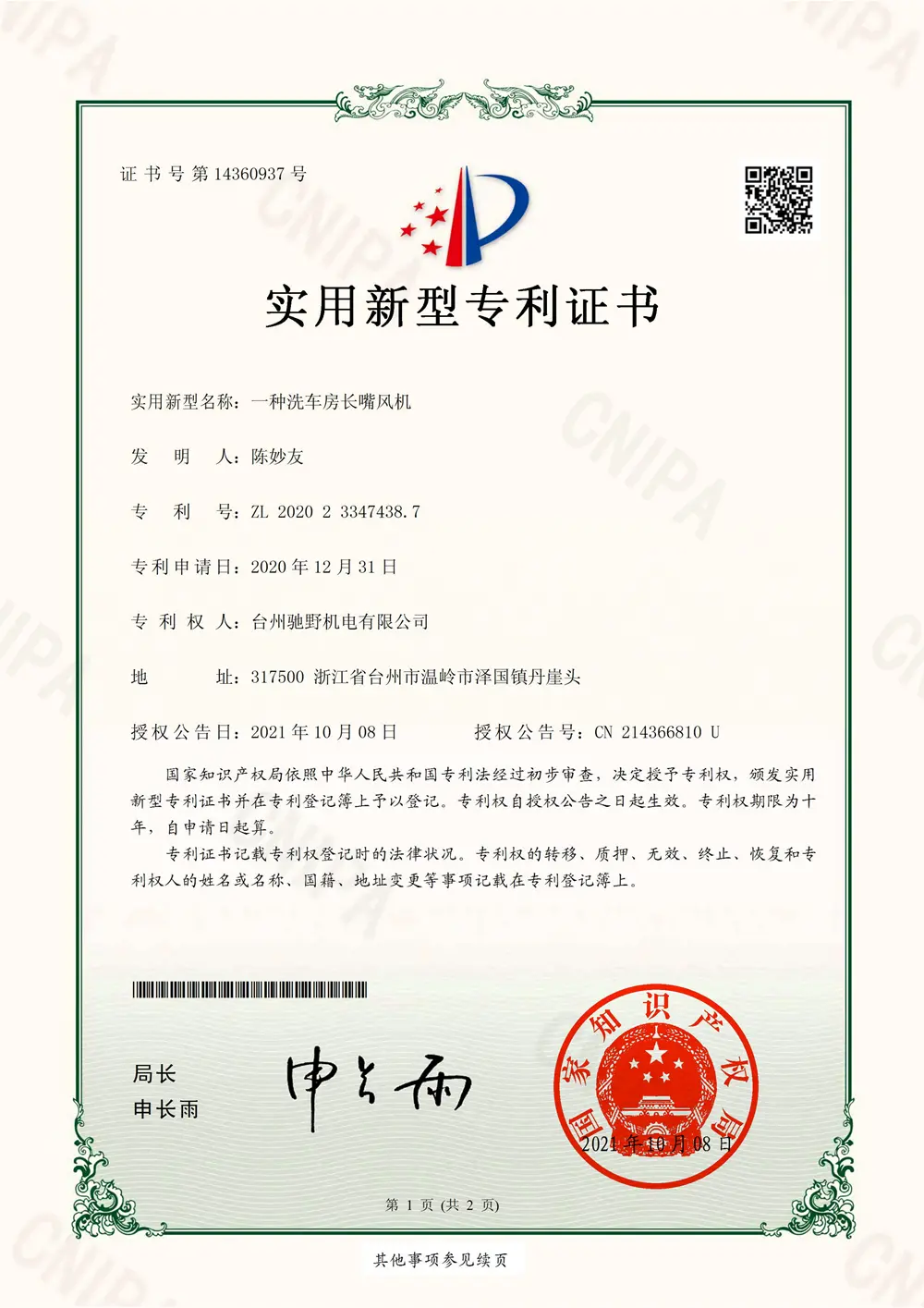
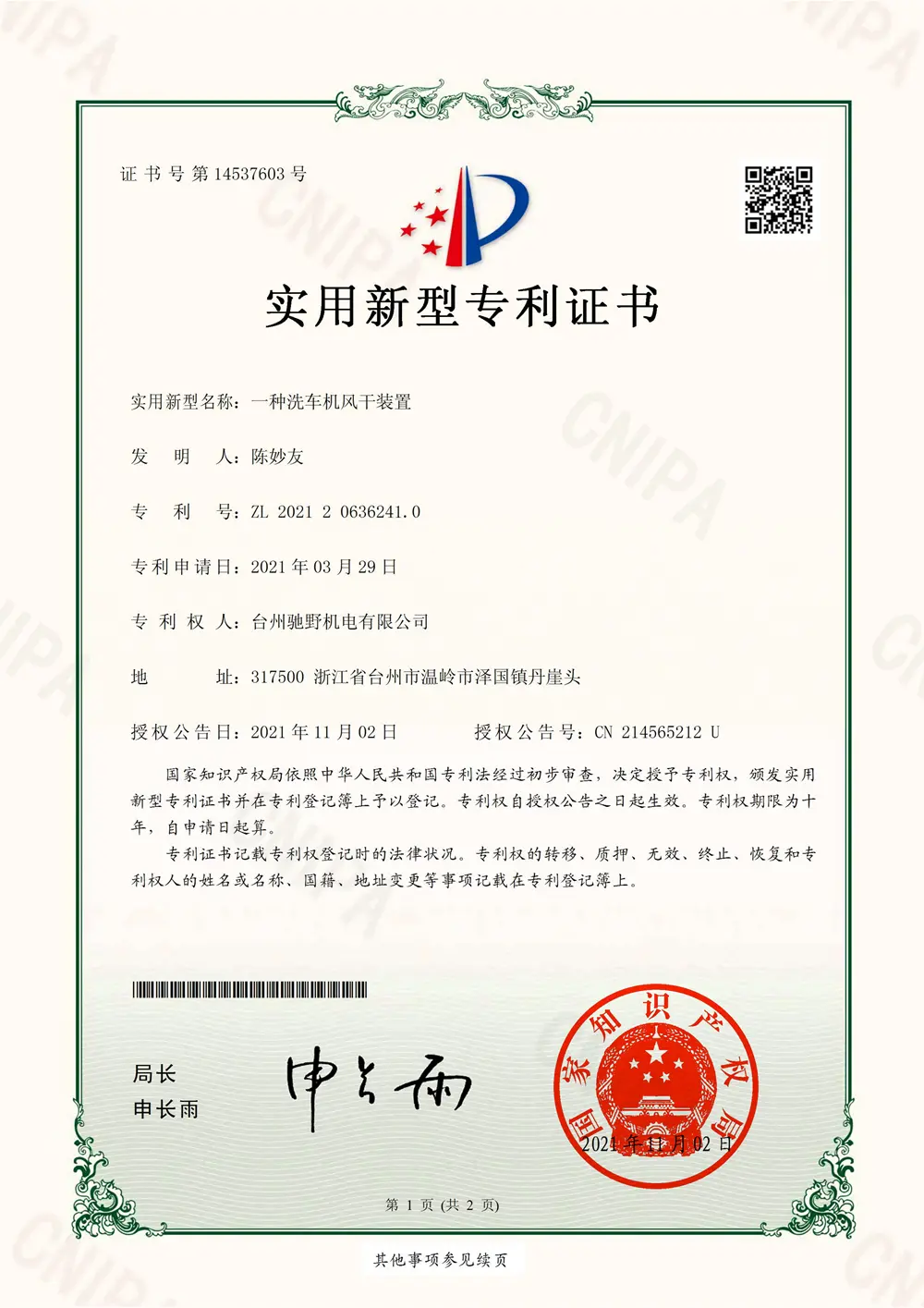
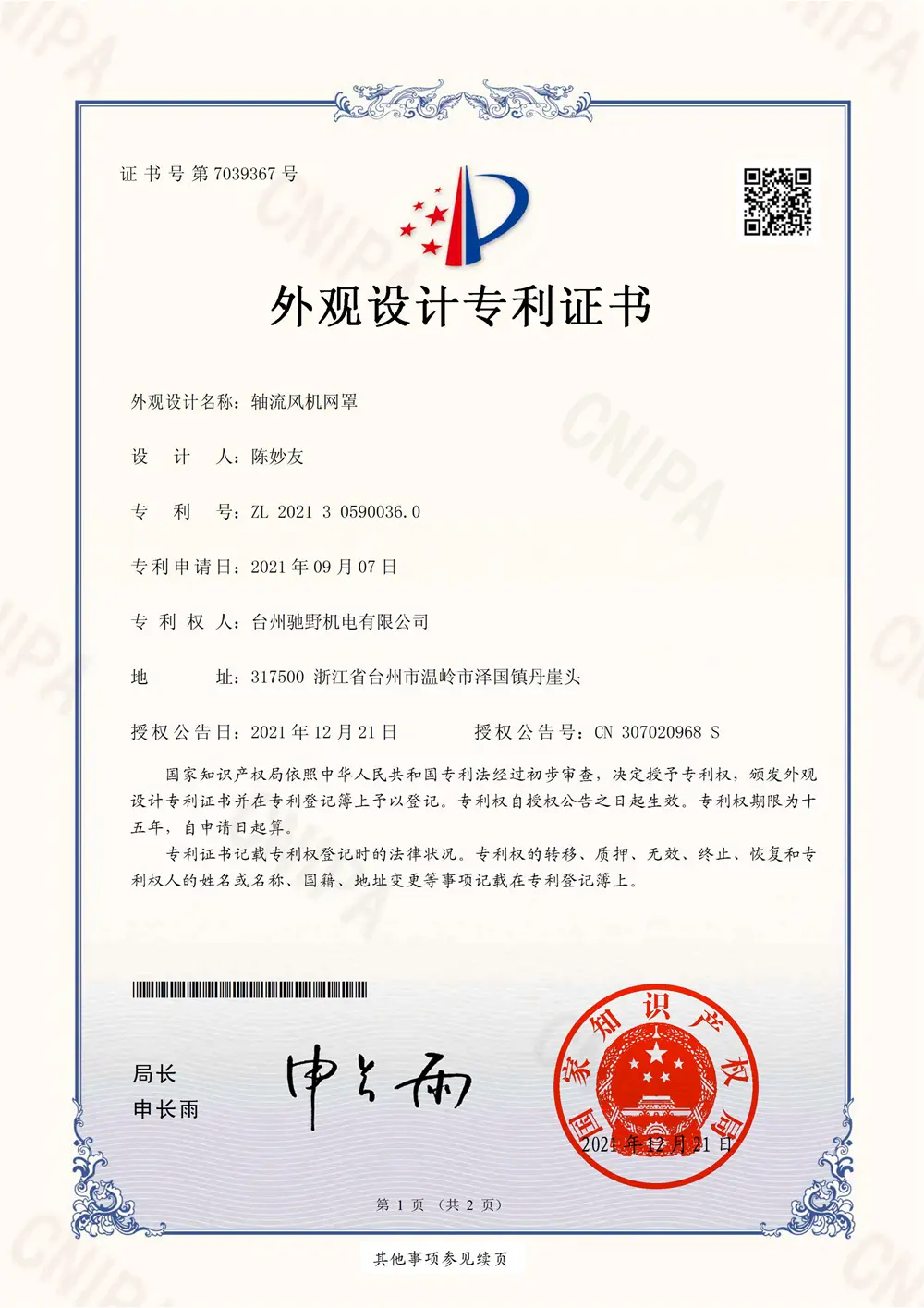
Quality Certification & Compliance Audits
Our factory operations and product series conform to international industry standards, verified by regional quality inspection agencies.
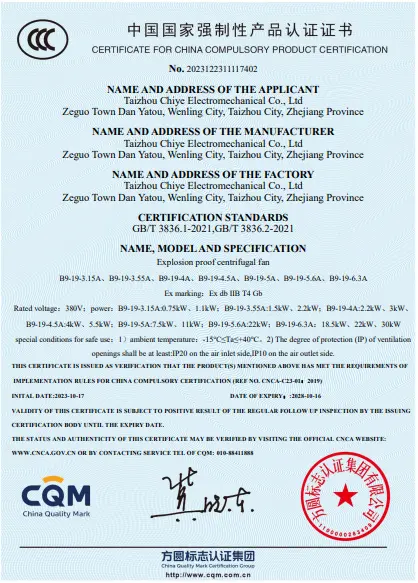
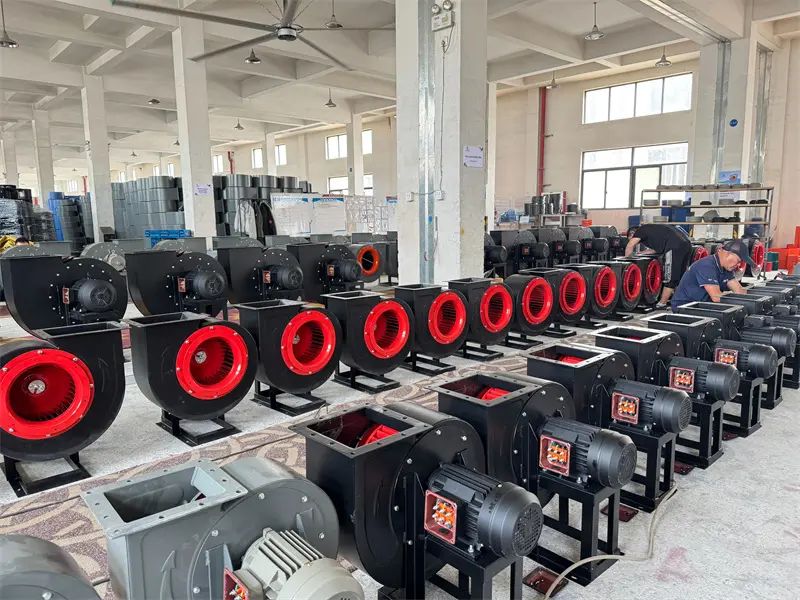
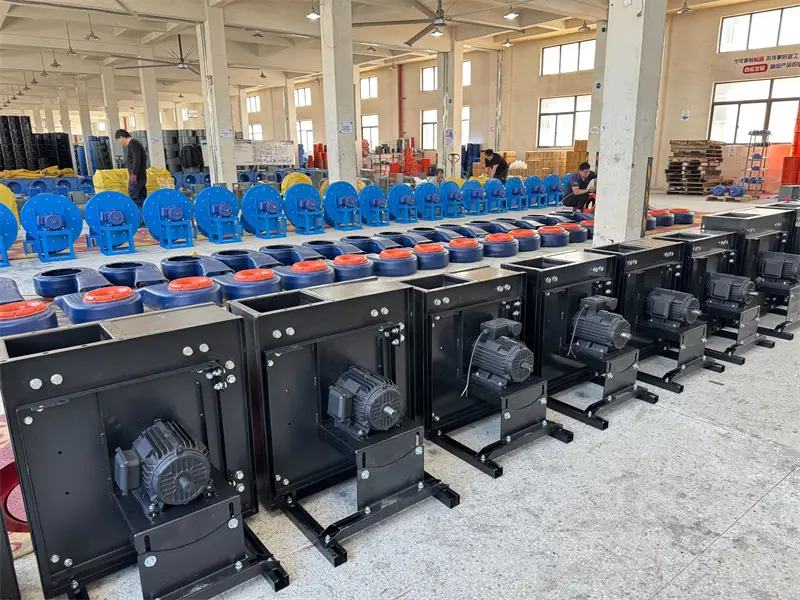
Engineering Assembly & Field Installations
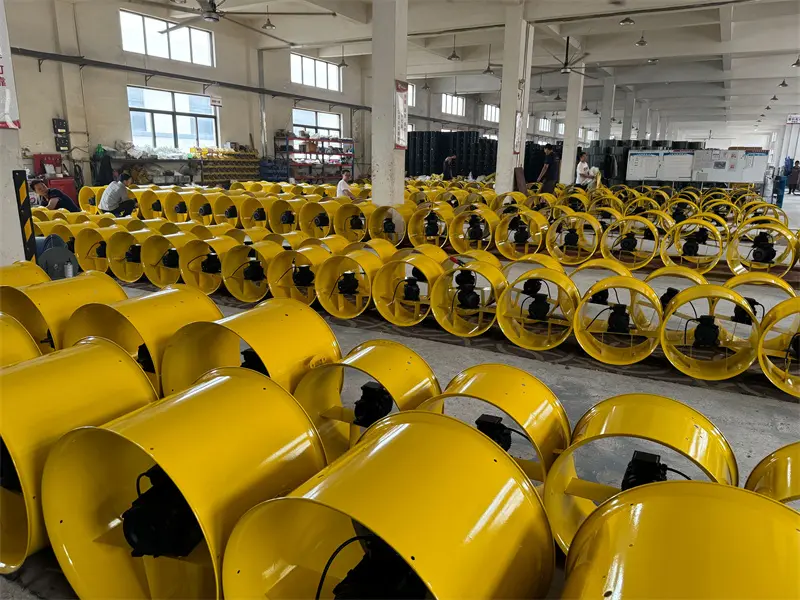
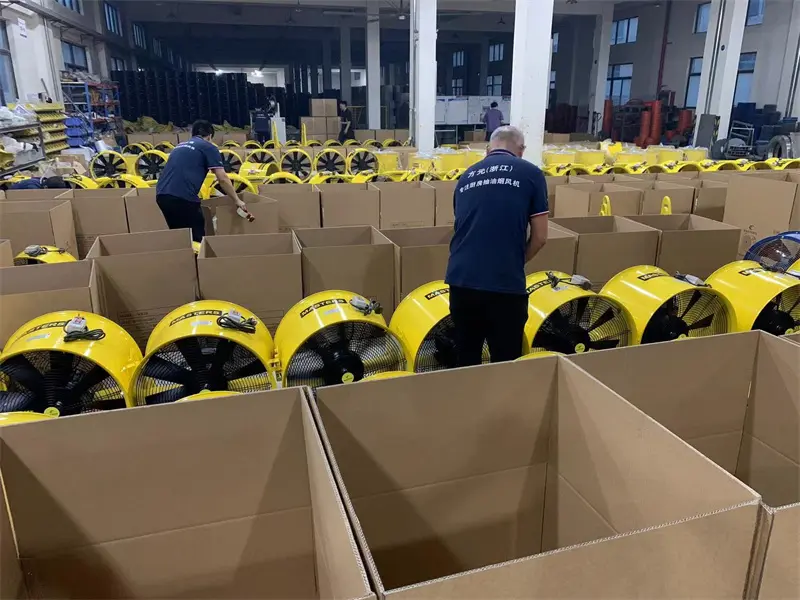
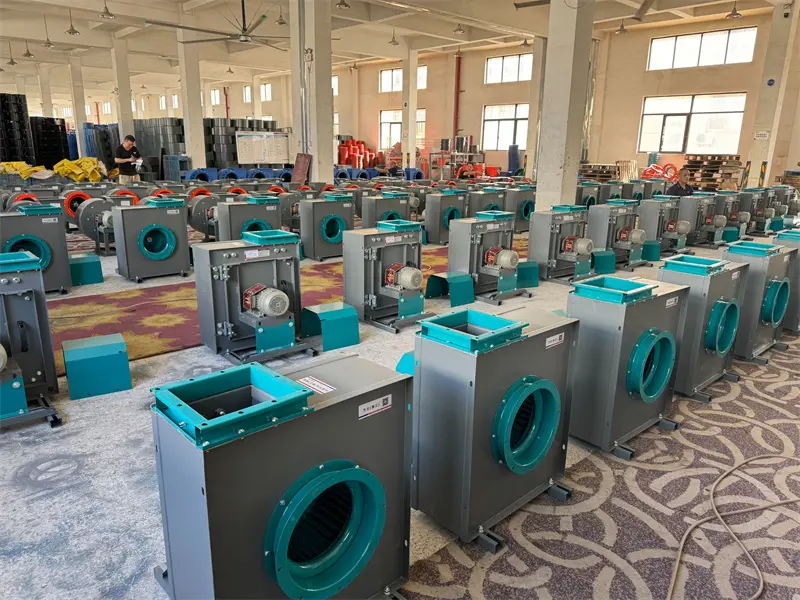
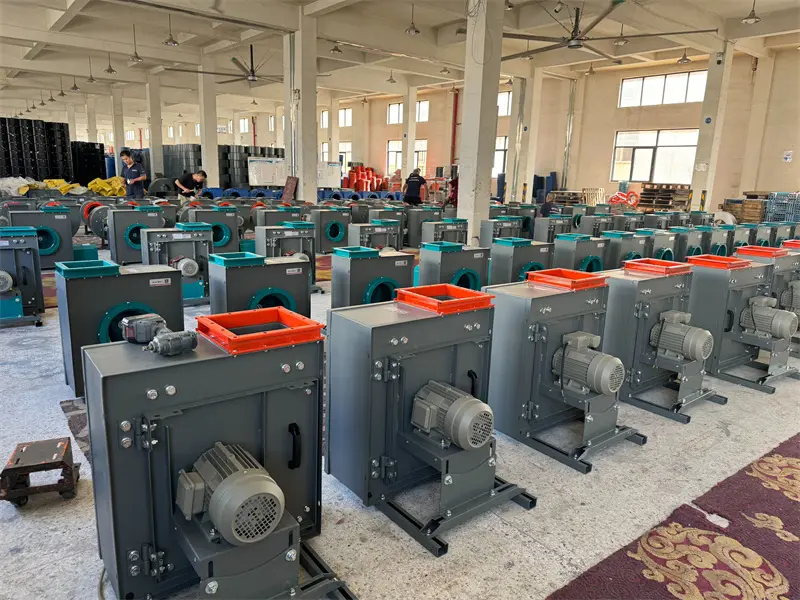
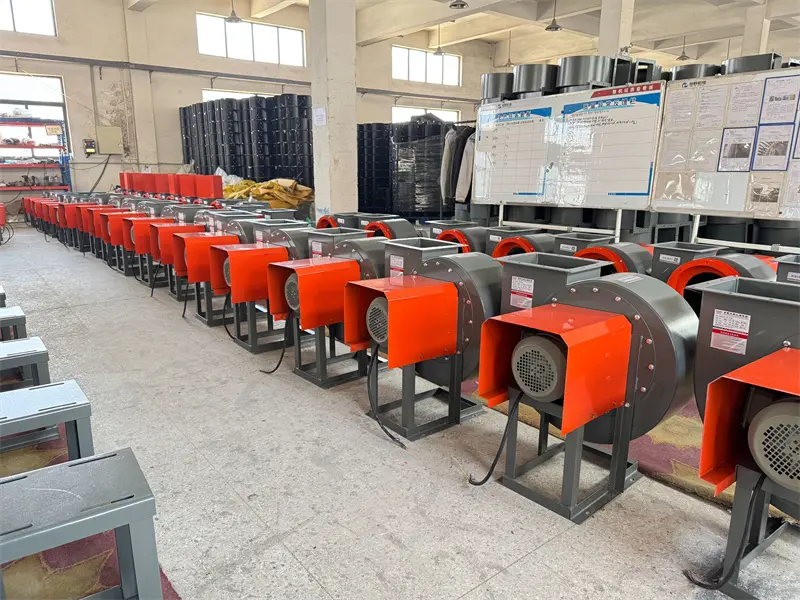
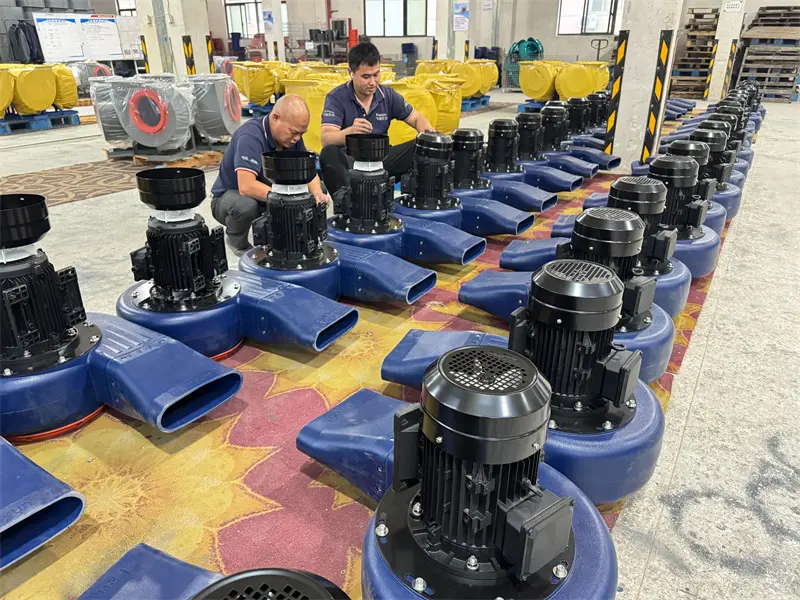
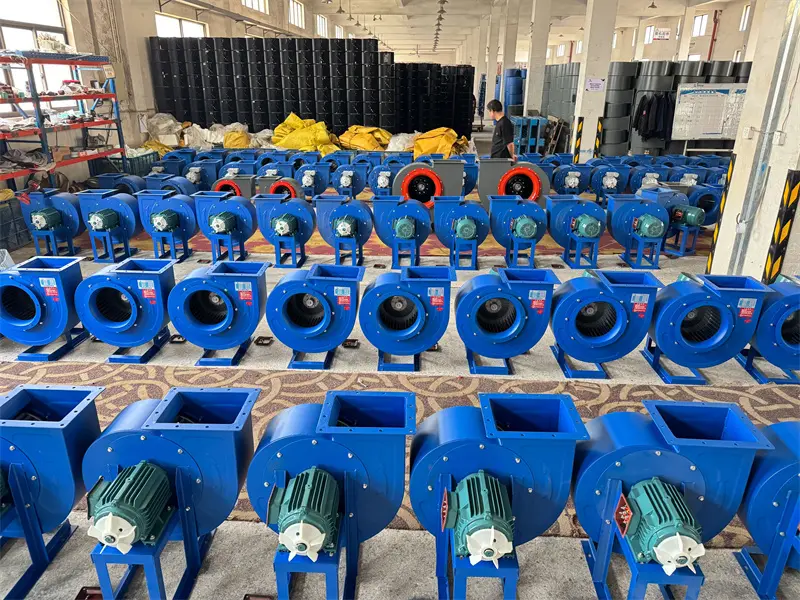
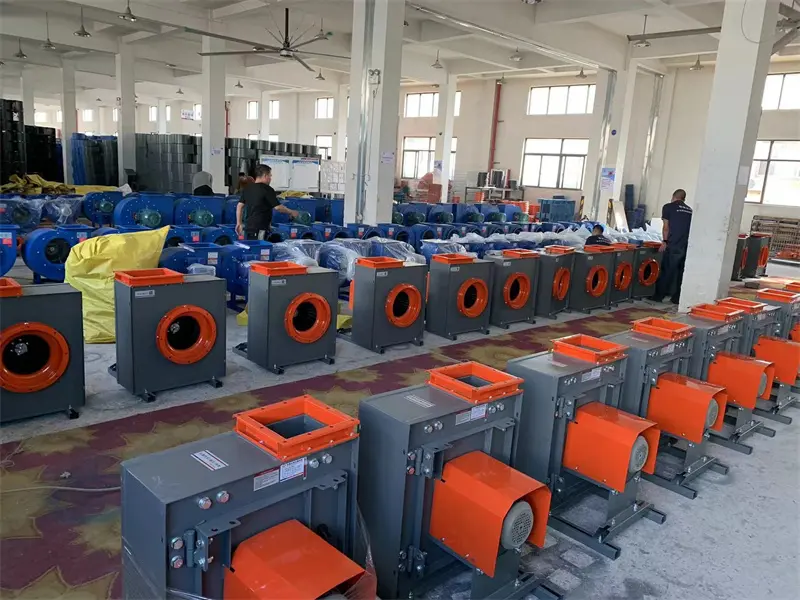
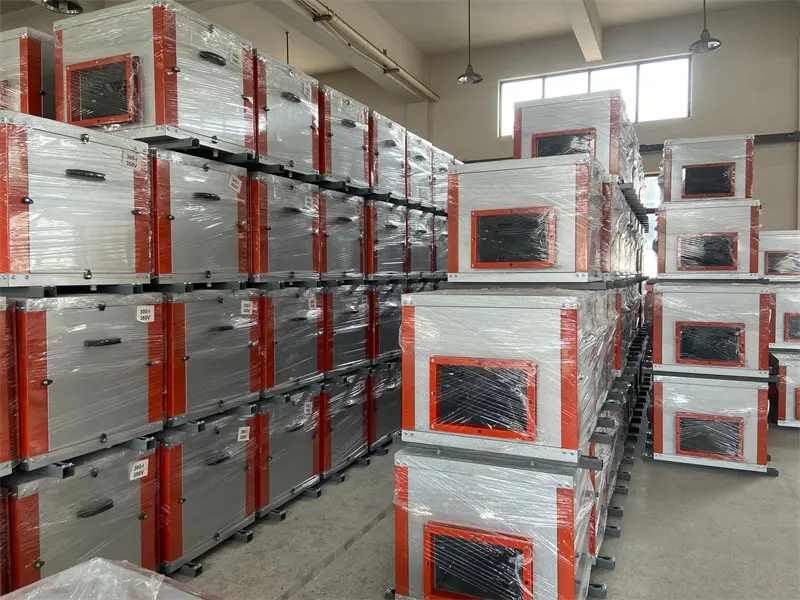
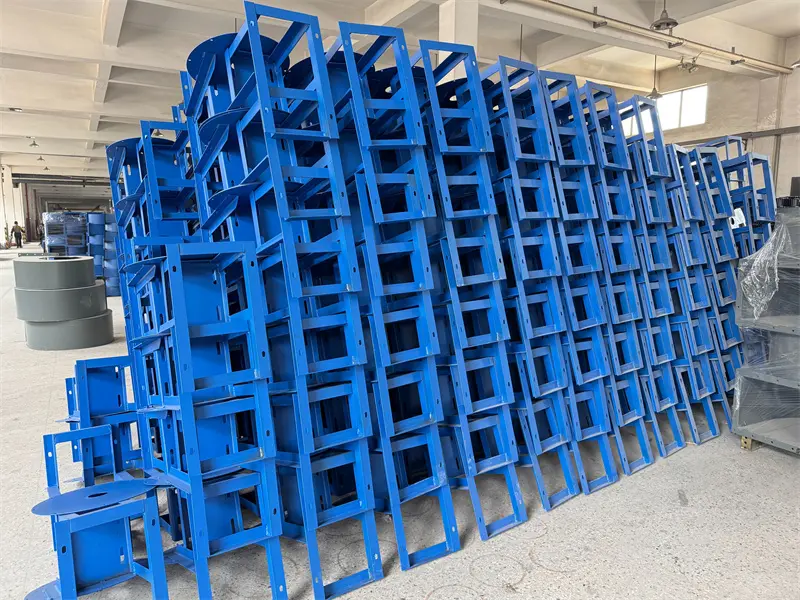
Review our completed project assemblies and field installations, showcasing clean integrations across industrial ventilation shafts.
Expert Q&A: Kitchen Ventilation Engineering
Direct technical answers addressing the most common questions raised by HVAC engineers, building contractors, and facility procurement officers.
Engineering Spotlight & Performance Verification
Watch our robotic production lines and dynamic balance tests, and review our hot-sale product specifications.
Automated Manufacturing & Quality Control
Our integration of robotic welding stations and automatic bending machinery allows us to maintain consistent manufacturing tolerances across all production runs. We balance each fan wheel dynamically using advanced computerized balancing machines to ensure smooth, quiet operation in the field.
Industrial Kitchen Fan Catalogue - Series II
Heavy-duty utility blowers, high-pressure centrifugal extractors, and two-way axial ventilation fans designed to meet diverse air-handling requirements.