 Chiye Fan
Featured Industrial Solutions
Navigating the China DC Motor & Industrial Fan Supply Chain
In the evolving landscape of global industrial automation, China’s DC motor and industrial fan manufacturing sector has emerged as the pivotal backbone. For procurement managers and engineers, sourcing from China is no longer just about cost; it is about accessing a highly sophisticated ecosystem of technological innovation, rapid prototyping, and scalable manufacturing. Our analysis focuses on how to leverage this market to achieve operational excellence.
1. The Evolution of Motor Technology: Why China Leads
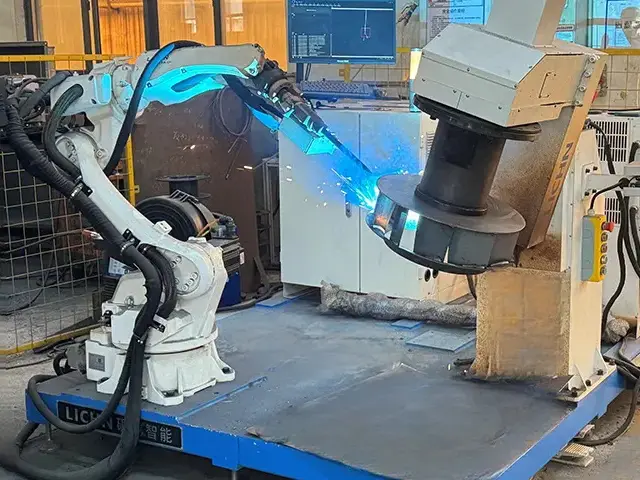
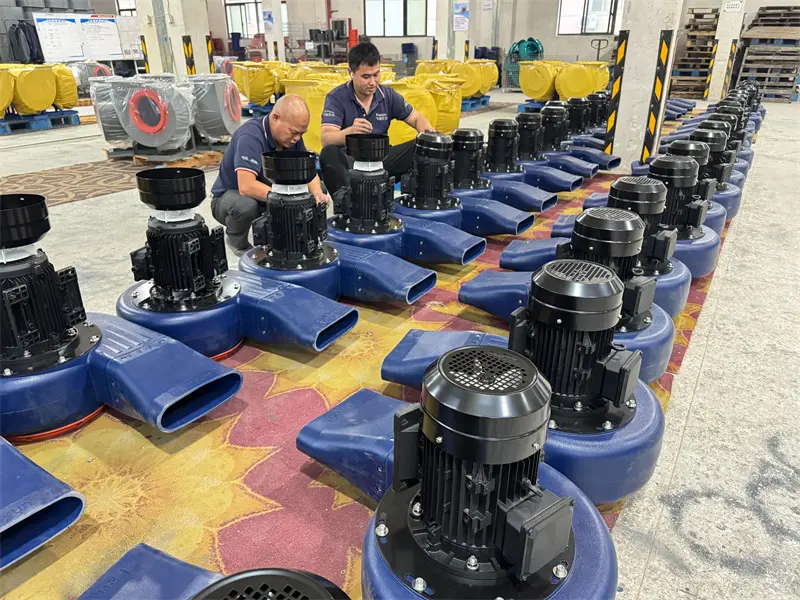
China has transitioned from mass production to precision engineering. Modern Chinese manufacturers, such as Taizhou Chiye Electromechanical Co., Ltd., have moved beyond basic assembly. By integrating CNC laser cutting, automated welding, and digital dynamic balancing, they provide components that rival global top-tier standards. The shift towards energy-efficient motors—specifically Brushless DC (BLDC) and Permanent Magnet Synchronous Motors (PMSM)—is driving the next wave of industrial productivity.
2. Global Procurement Trends and Industry Solutions
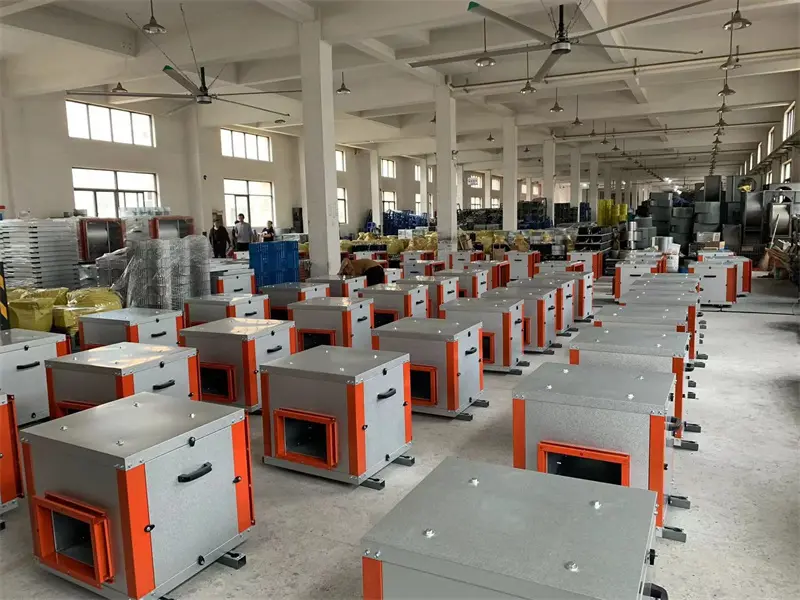
Procurement departments are facing supply chain volatility. The strategic advantage of sourcing from Chinese factories lies in vertical integration. Companies now provide "Total Solutions"—from initial design (ODM) to high-volume production (OEM). This includes:
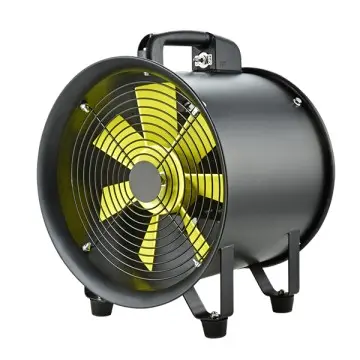
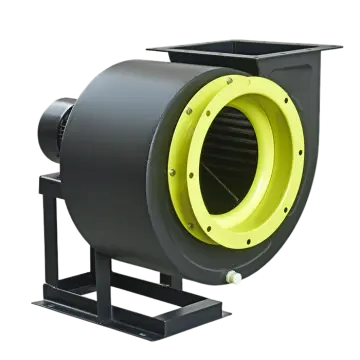
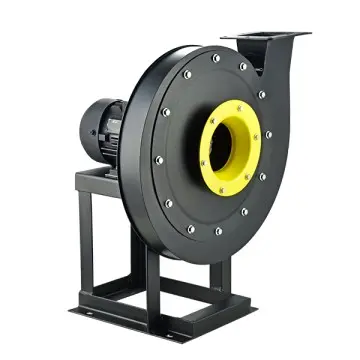
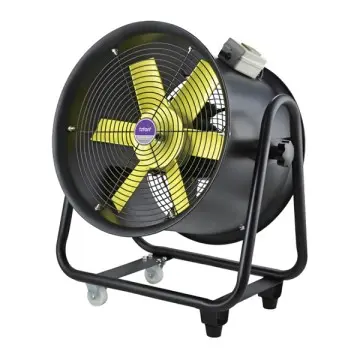
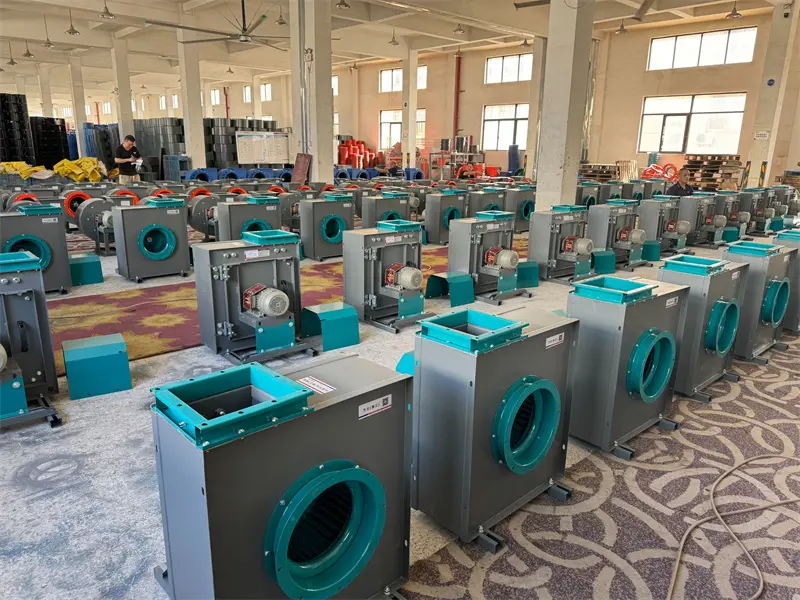
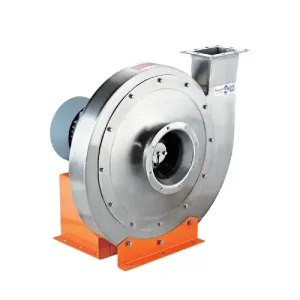
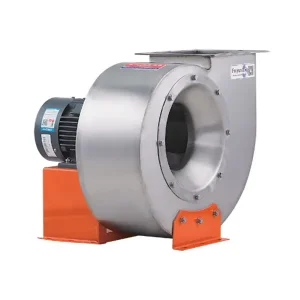
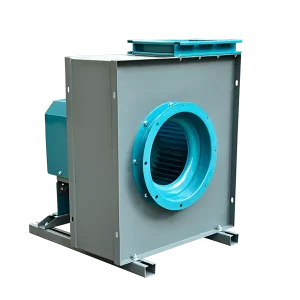
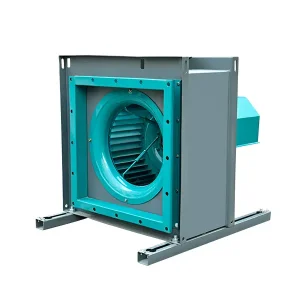
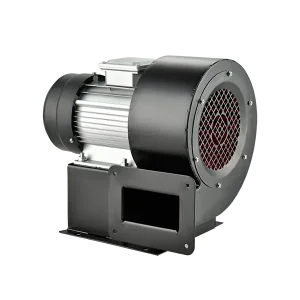
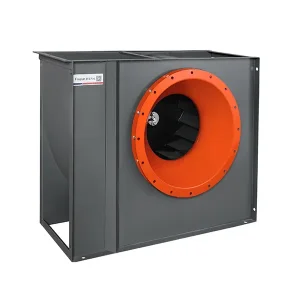
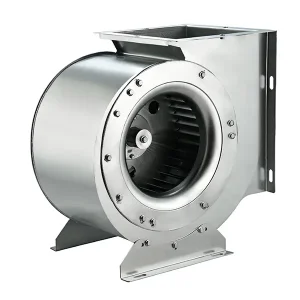
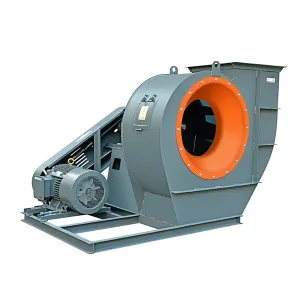
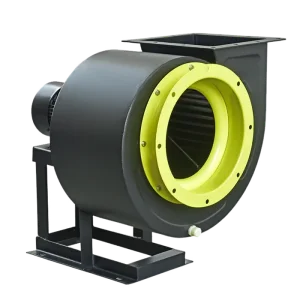
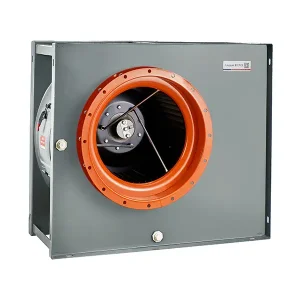
- HVAC & Air Circulation: Utilizing high-pressure centrifugal fans for commercial and industrial ventilation.
- Energy Efficiency: Implementing Variable Frequency Drives (VFDs) paired with high-efficiency DC motors to reduce carbon footprints.
- Compliance & Safety: Ensuring products meet international standards like CE, RoHS, and ISO 9001.
Operational Excellence & Scalability
Technology Roadmap & Future Outlook
The future of DC motors is intrinsically linked to Industry 4.0. Manufacturers are focusing on two key pillars: Smart Integration and Material Innovation.
Smart Integration
Integration of IoT sensors into motor housings allows for predictive maintenance, real-time heat monitoring, and remote speed adjustment. This "Smart Fan/Motor" concept is transforming how commercial kitchens and industrial boilers operate, moving from reactive to predictive maintenance cycles.
Sustainability
With global mandates tightening on energy consumption, Chinese factories are investing heavily in material science—using lighter alloys for impellers and high-permeability magnetic materials for motor cores to minimize eddy current losses. This is the new benchmark for "Green Manufacturing."
Frequently Asked Questions (FAQ)
A: Look for factories with in-house testing labs. For instance, reputable suppliers use computer digital balancing machines and automated welding robots to ensure consistency, which is a key indicator of quality control maturity.
A: OEM/ODM allows for customization regarding voltage, torque, RPM, and material specification, ensuring the motor is perfectly calibrated for your specific industrial application, unlike off-the-shelf wholesale products.
A: Experienced Chinese manufacturers provide multi-language technical support, compliance documentation (CE/UL certifications), and logistics expertise to handle international maritime or air freight, bridging the distance gap.