 Chiye Fan
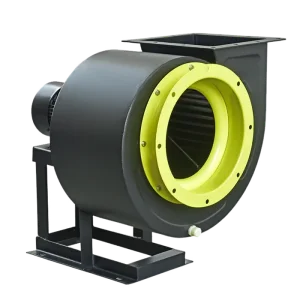
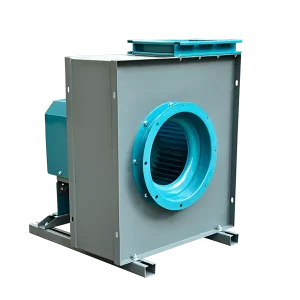
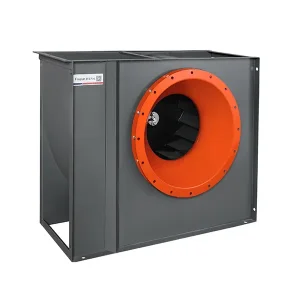
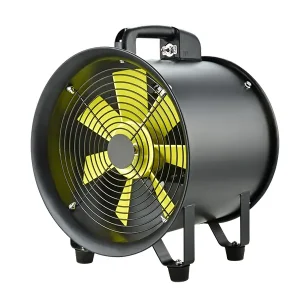
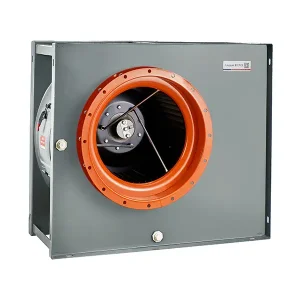
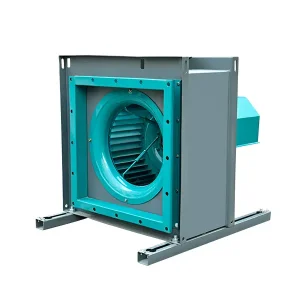
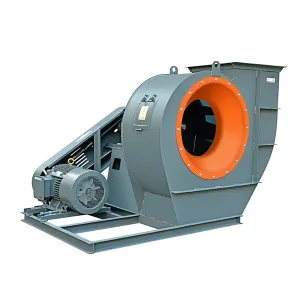
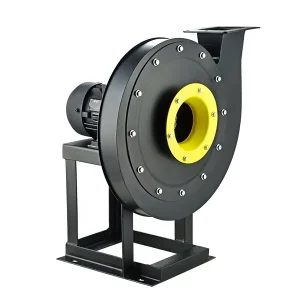
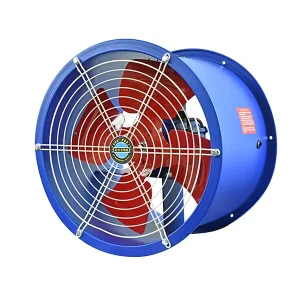
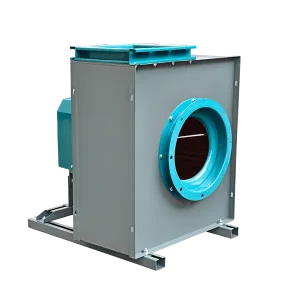
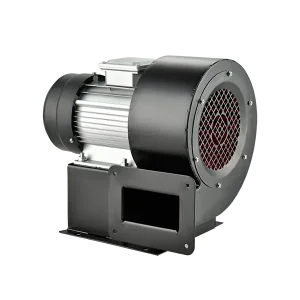
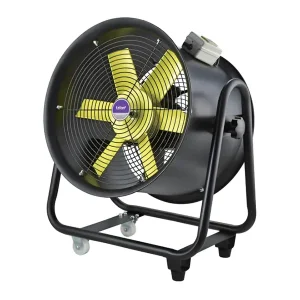
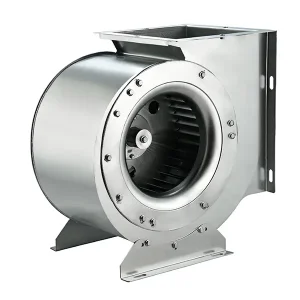
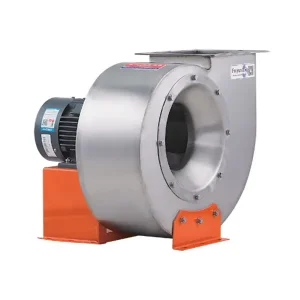
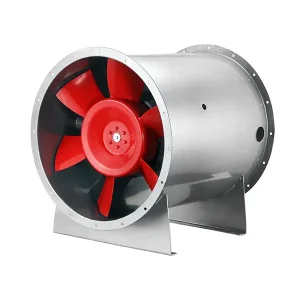
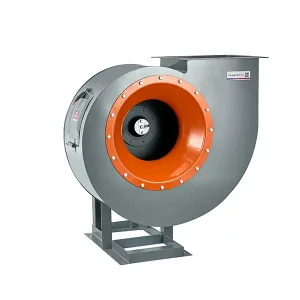
Featured Ventilation Systems & Fans (Top Selections)
Explore our industrial-grade, energy-efficient fans designed for precise environmental and climate management.
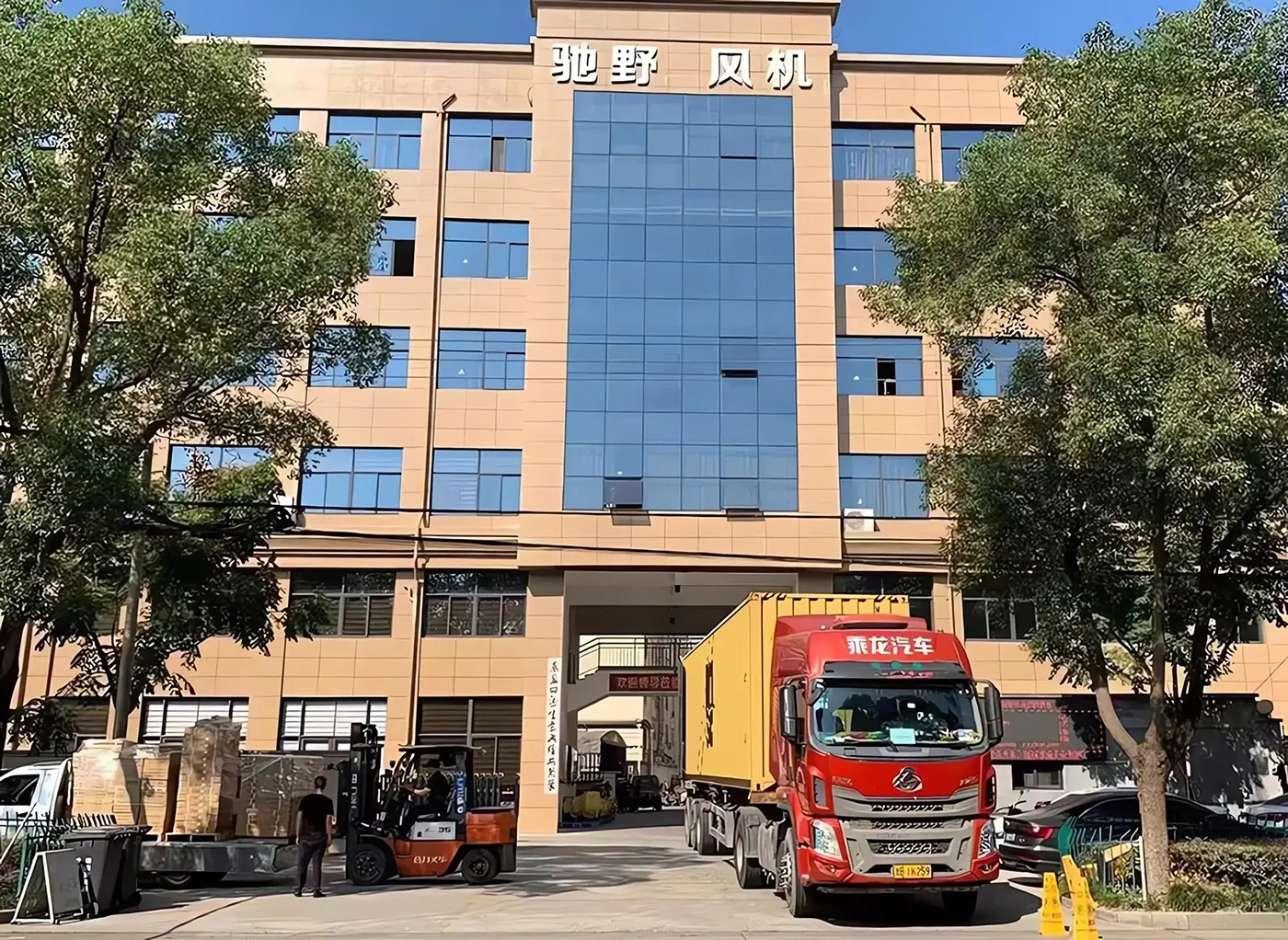
TAIZHOU CHIYE ELECTROMECHANICAL CO., LTD.
A legacy built on precision engineering and industrial leadership since 1995.
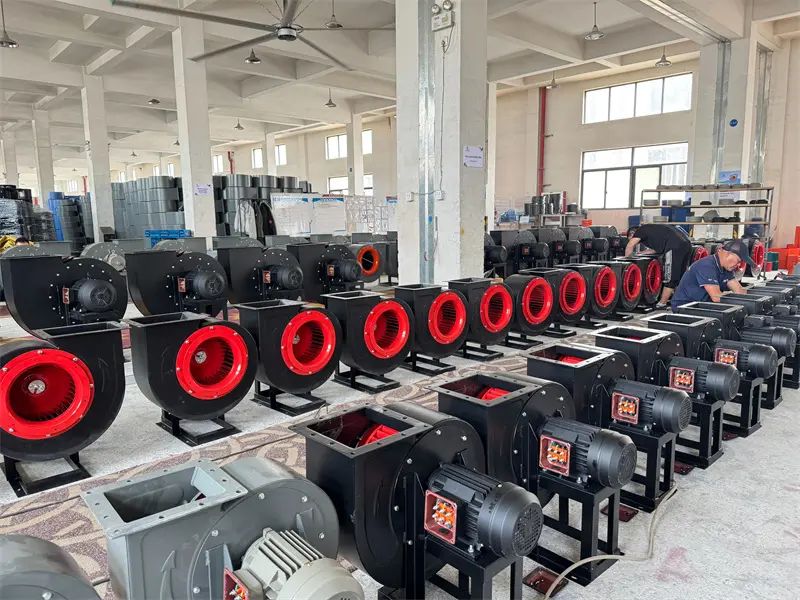
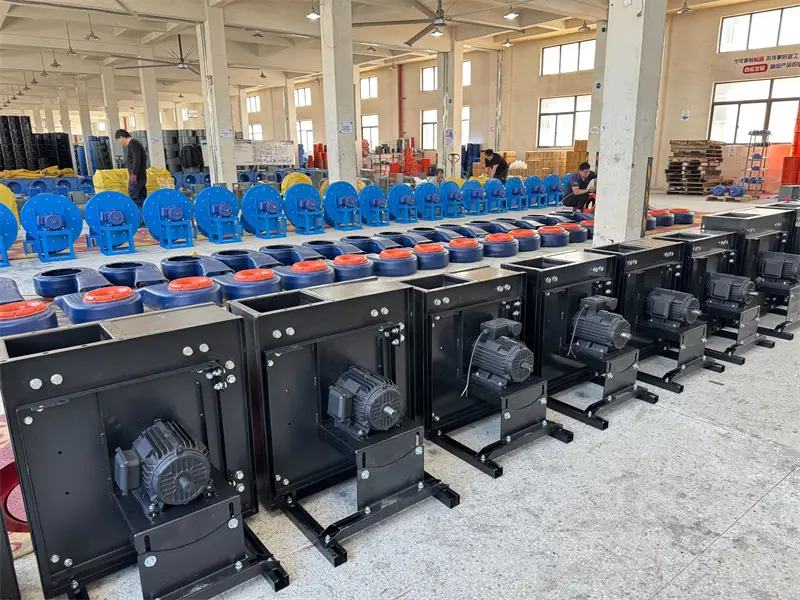
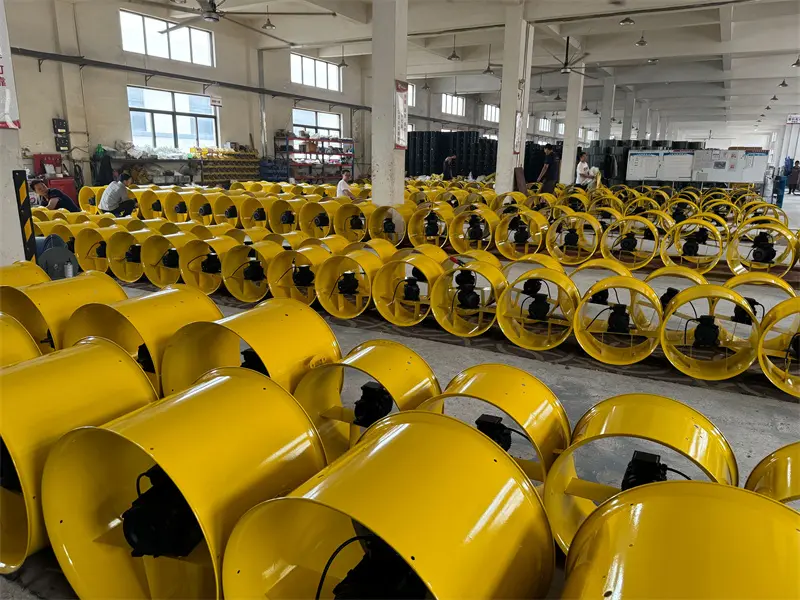
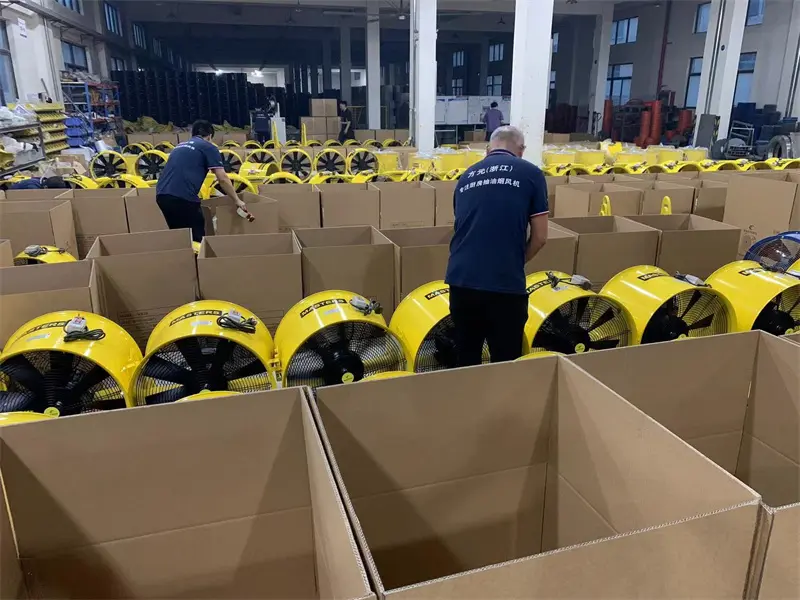
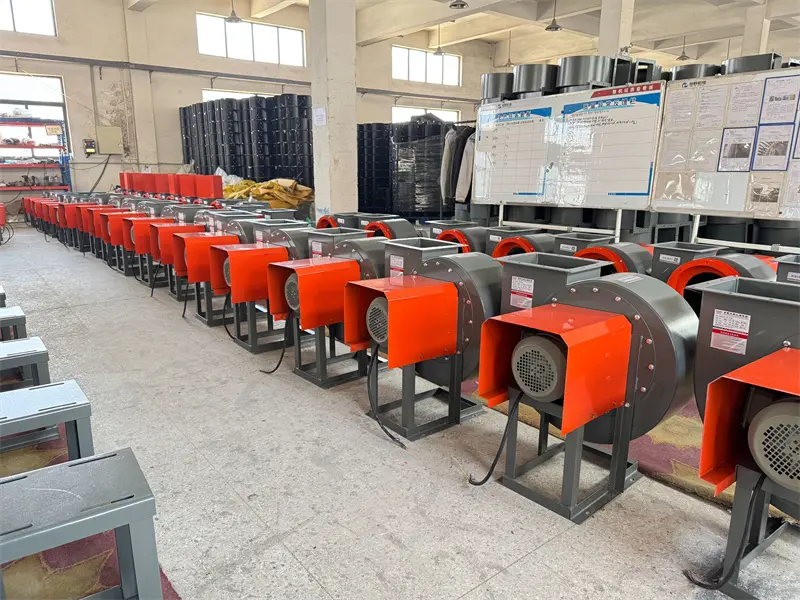
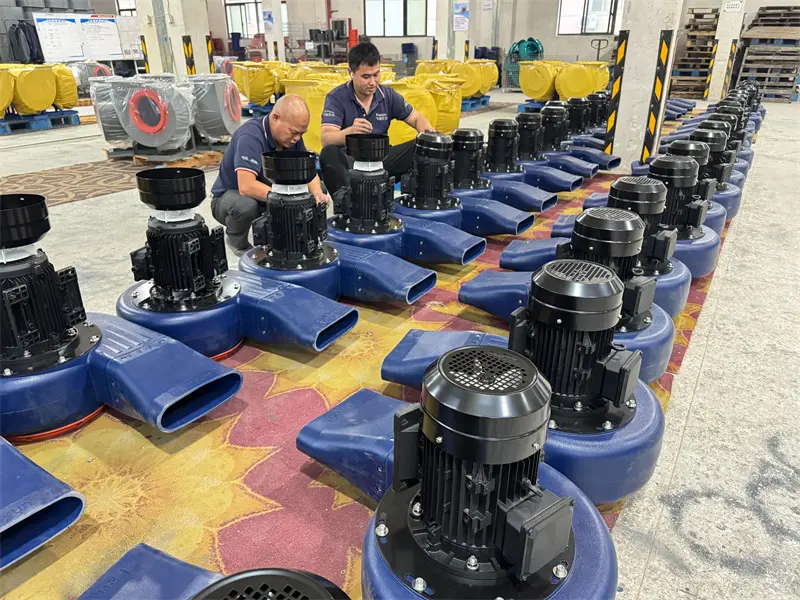
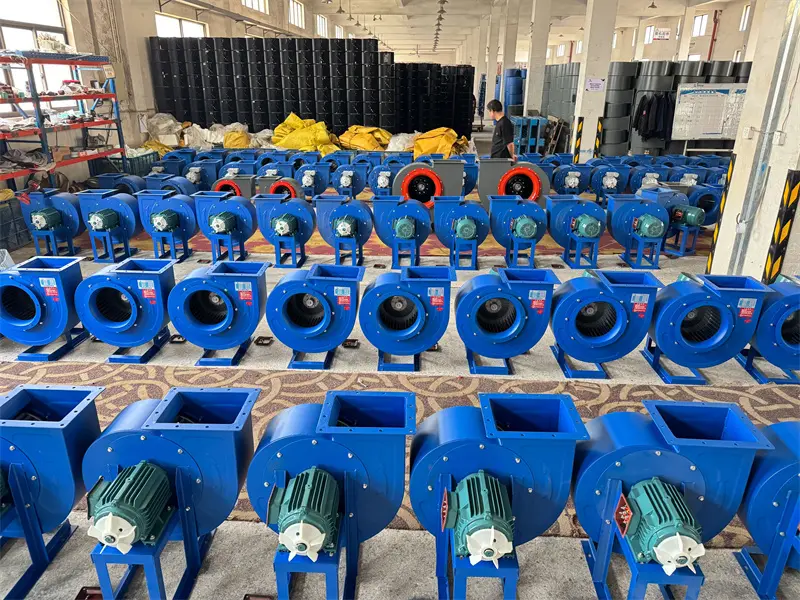
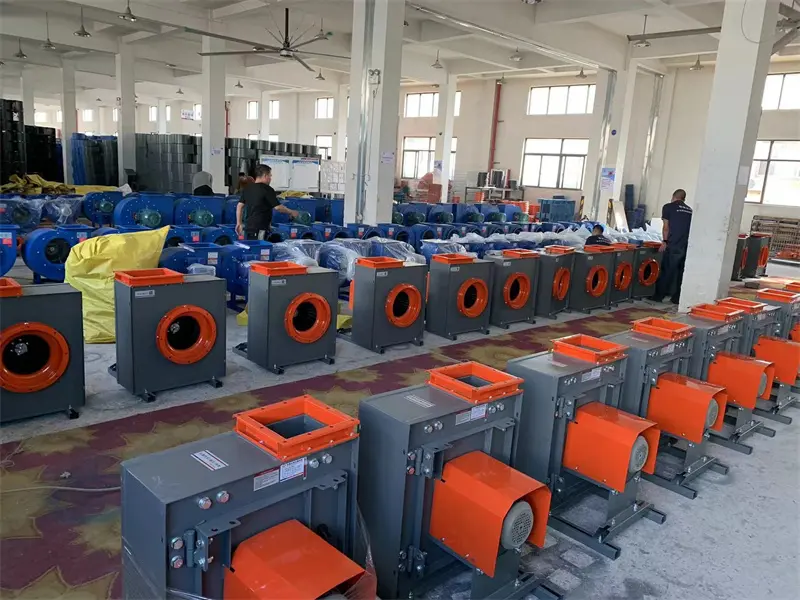
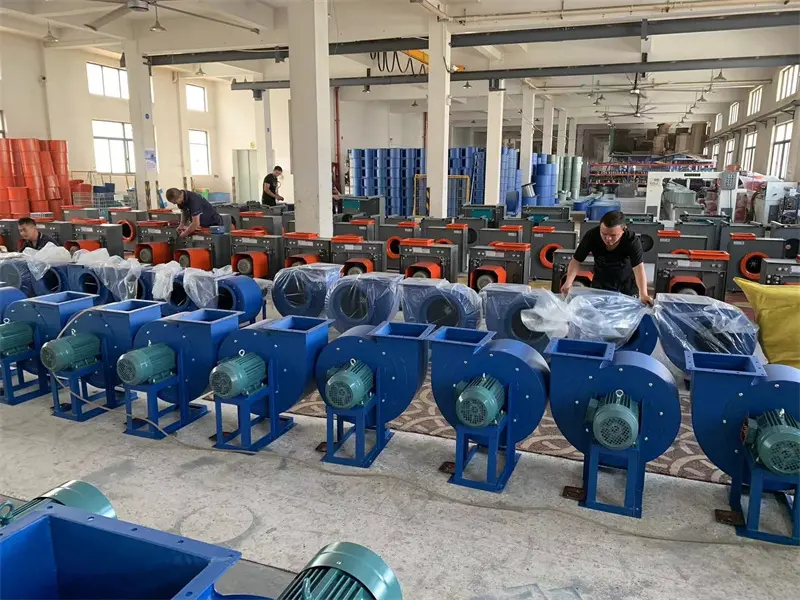
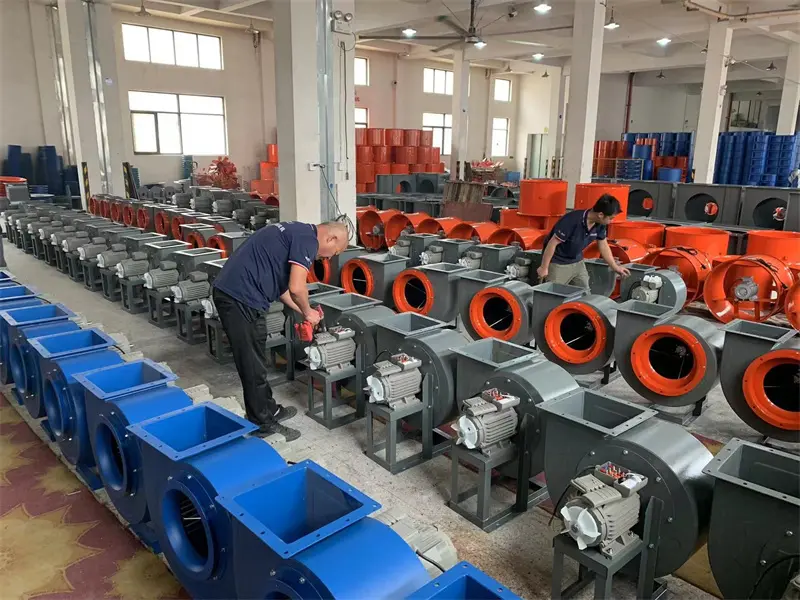
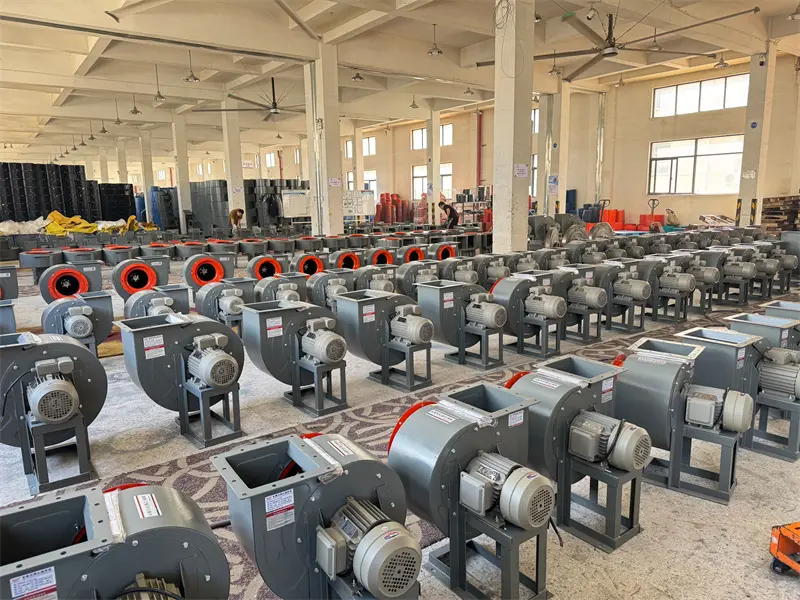
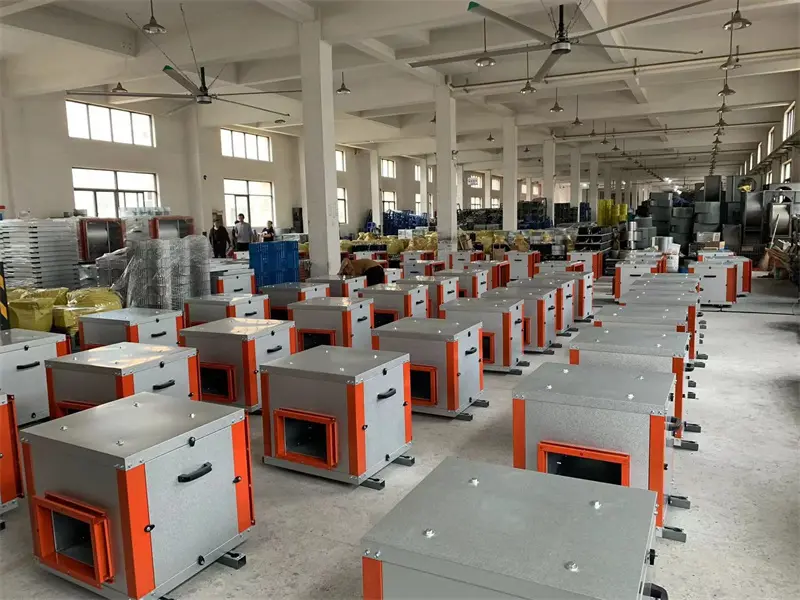
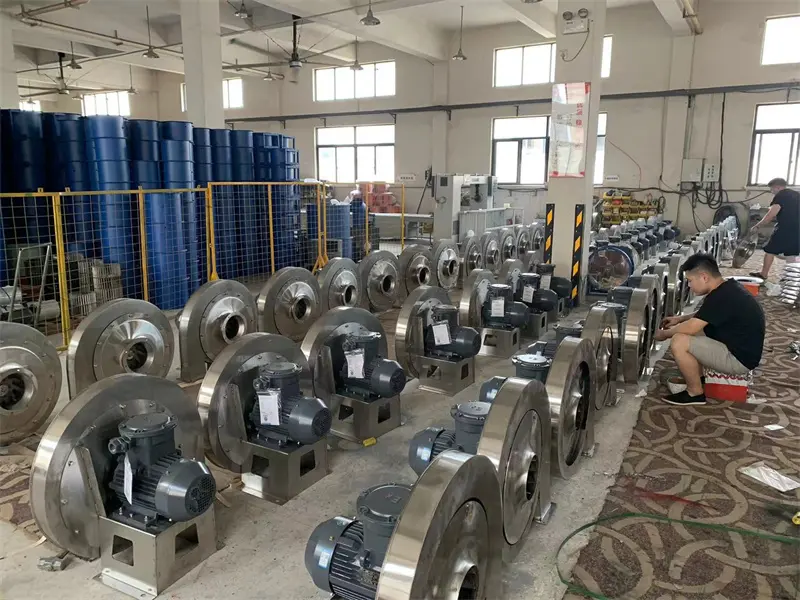
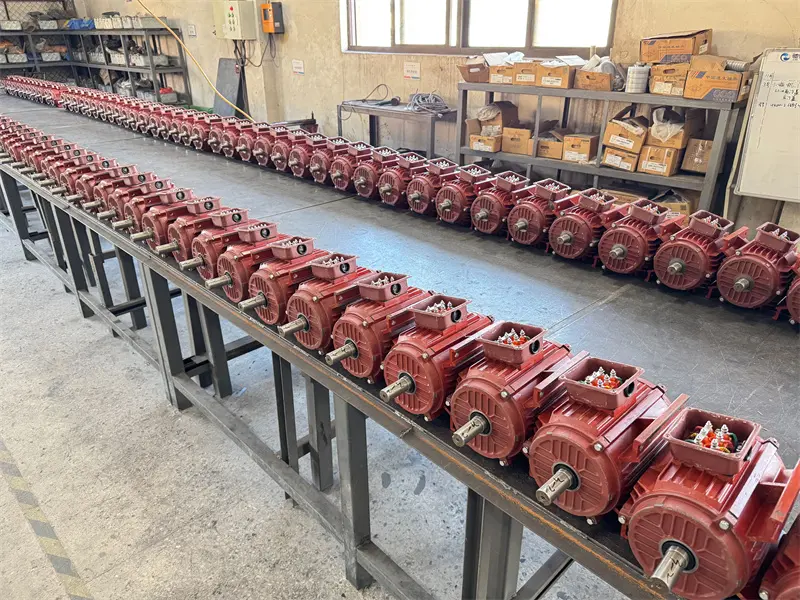
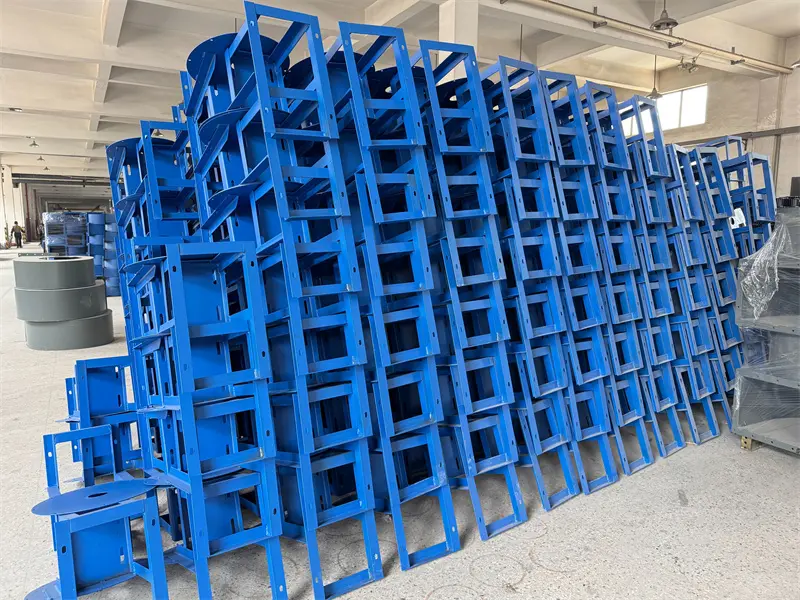
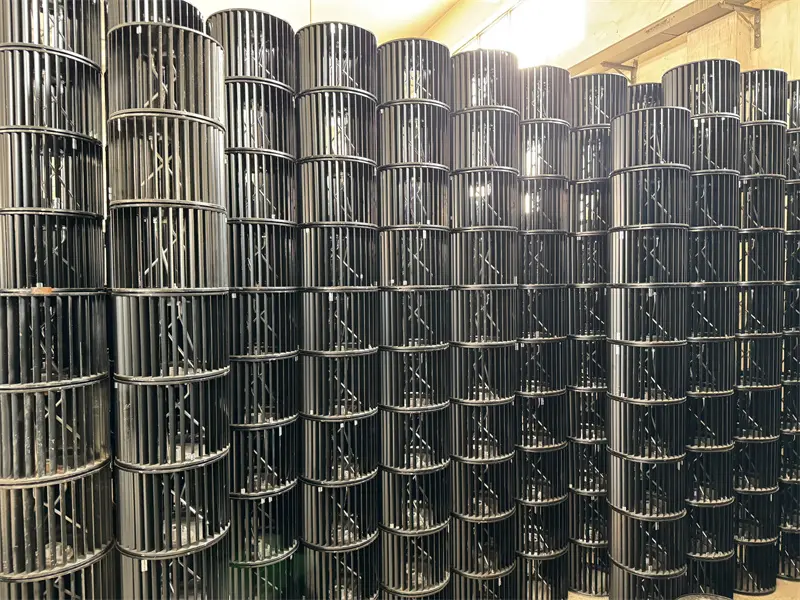
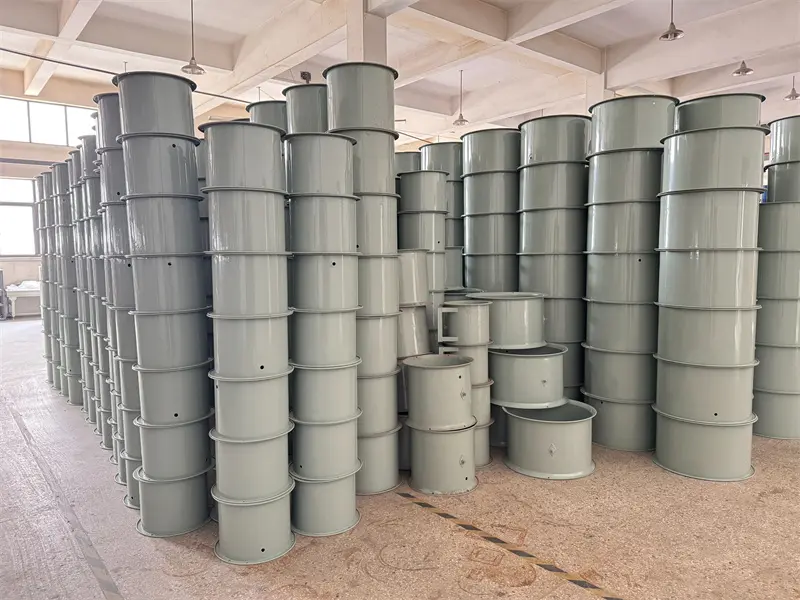
Chiye Enterprise was founded in 1995, formerly known as Wenling Zeguo Wanfang Mechanical and Electrical Parts Factory. Over the past 29 years, the company has grown into a dominant power in air ventilation technology, operating within a modern 20,000 square meter plant. With standard factory buildings, state-of-the-art storage complexes, a robust technical research department, and a highly specialized wind turbine processing center, we supply major environmental, ventilation, and boiler manufacturers across China and global markets.
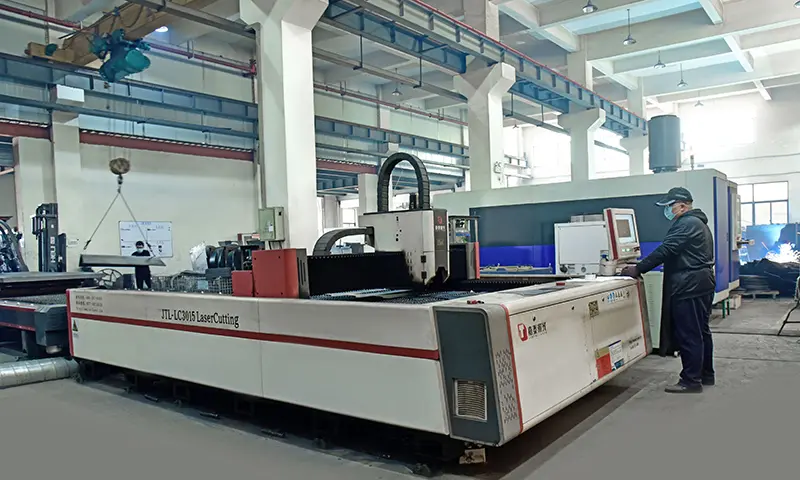
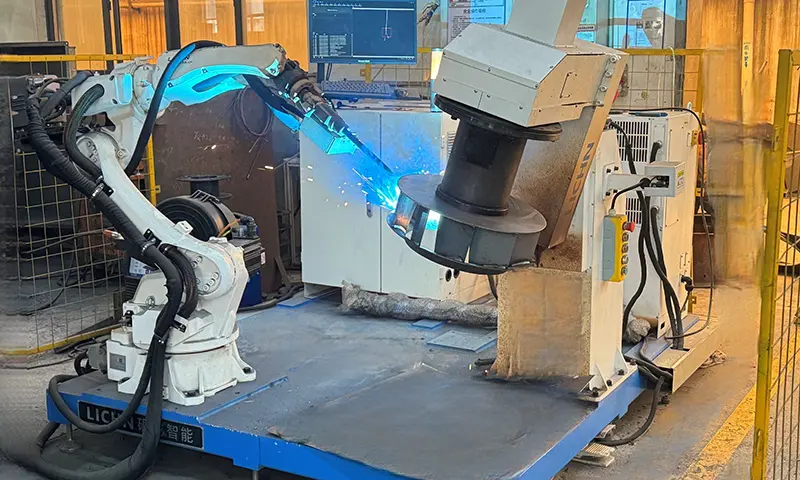
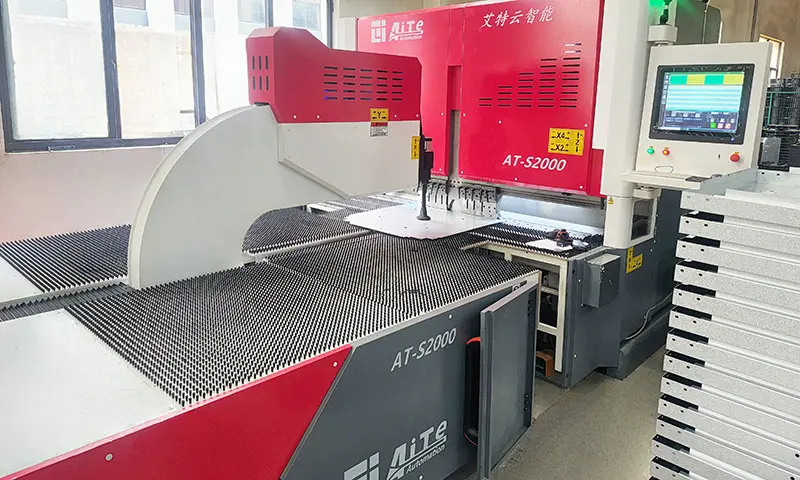
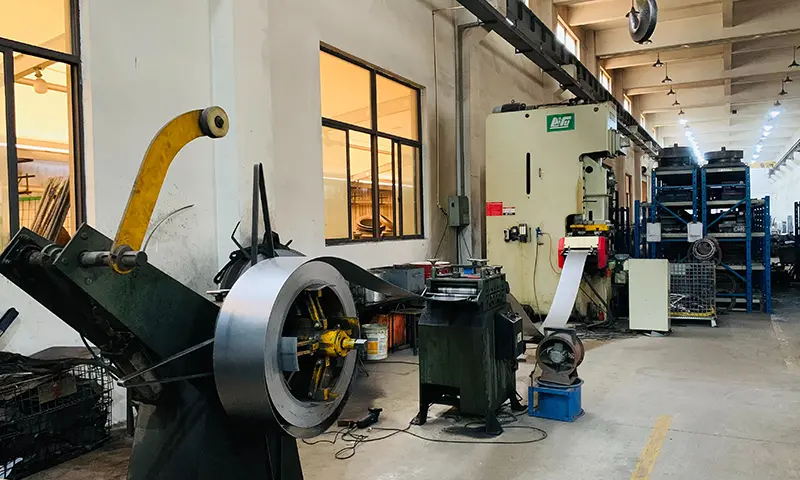
Our infrastructure includes 4 CNC laser cutting machines, 2 CNC spinning machines, 2 bending machines, 2 shearing machines, 1 turret punch machine, and 6 computer digital balancing machines. Since 2013, we have integrated advanced automatic welding robots and specialized CNC automation equipment (including 4 independently developed welding rigs for wind turbines) to guarantee absolute manufacturing repeatability and performance consistency.
Global Development Trends in Home & Building Ventilation Systems
Analyzing key paradigm shifts in ventilation technologies, regulatory mandates, and smart building integrations.
In modern architecture, the ventilation landscape is undergoing an unprecedented transformation. Tight building envelopes designed to minimize energy consumption have introduced the critical challenge of Sick Building Syndrome (SBS). With air infiltration minimized, active management of Indoor Air Quality (IAQ) is no longer a luxury, but a regulatory necessity. Driven by ESG mandates, Net-Zero goals, and regional codes (such as ASHRAE 62.2 and the EU Energy Performance of Buildings Directive), manufacturers are shifting heavily toward balanced mechanical ventilation systems.
The primary evolution involves integrating Heat Recovery Ventilation (HRV) and Energy Recovery Ventilation (ERV) technologies. These systems reclaim up to 90% of thermal energy or latent heat from stale exhaust air, tempering incoming outdoor air with negligible energy loss. Concurrently, the adoption of brushless Electronically Commutated (EC) Motors has revolutionized energy efficiency. EC fans deliver up to 50% energy savings at partial loads compared to traditional AC motors, allowing precise control via 0-10V signals or Modbus communications.
Additionally, Demand-Controlled Ventilation (DCV) powered by real-time sensor arrays (monitoring CO2, Volatile Organic Compounds (VOCs), and relative humidity) is becoming standard. By running ventilation systems dynamically based on human occupancy rather than fixed schedules, commercial and residential spaces reduce operational expenses dramatically while optimizing occupant health, cognitive performance, and comfort.
Procurement Requirements of Global Enterprises & Distributors
Critical benchmarks and selection criteria used by professional engineering buyers and OEM partners.
B2B procurement for commercial and residential ventilation components demands compliance with severe technical criteria. When sourcing fans and ventilation systems, enterprise buyers prioritize total lifecycle cost, operational safety, and supplier customization capacity. A major pain point is system integration: standard ventilation solutions rarely fit bespoke architectural layouts or specialized air treatment configurations. Customizations such as targeted outlet angles, specific fan blade geometries (multi-wing configurations, backward/forward-curved configurations), and custom motor casings (stainless steel, cast iron, hot-dip galvanized) are required to avoid mechanical mismatches.
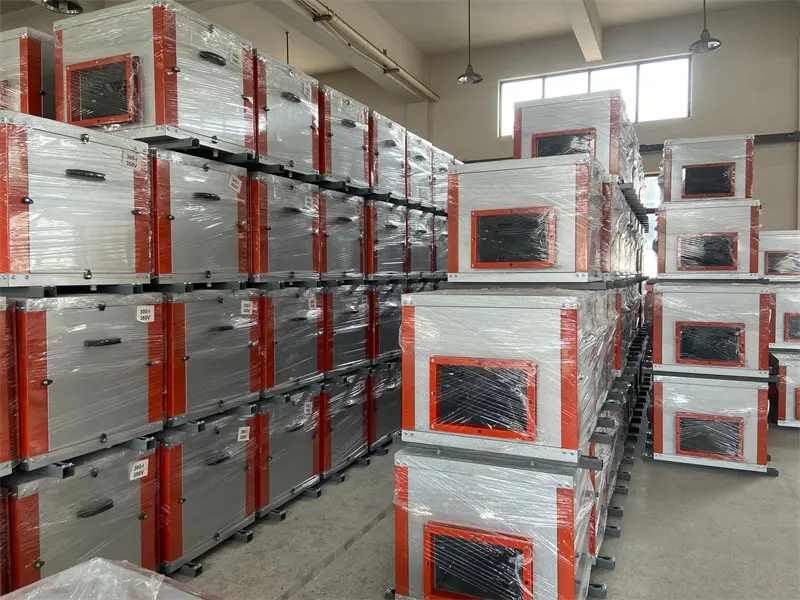
Furthermore, reliability under continuous duty (24/7/365 operations) is paramount. Impellers must undergo precision dynamic balancing to prevent structural vibrations that can lead to catastrophic motor failure. Industrial buyers seek factories with documented QA controls (ISO certifications) and raw material traceability. Additionally, supply chains must survive regional logistics challenges, requiring suppliers to deliver modular components, provide protective containerized packing, and maintain standard electrical certification compatibility (such as CE, ErP, UL, and RoHS directives).
Macro Ventilation Solutions Across Diverse Sectors
Providing specialized engineering integration from premium residential projects to heavy industrial extraction environments.
For residential complexes and high-density apartments, our custom ventilation setups deliver controlled multi-stage air changes. Incorporating ultra-silent multi-wing centrifugal or axial fans, these setups filter out fine particulate matter (PM2.5), maintain positive room pressure to block outdoor dust, and extract moisture-heavy air to prevent mold growth, protecting both structural longevity and tenant health.
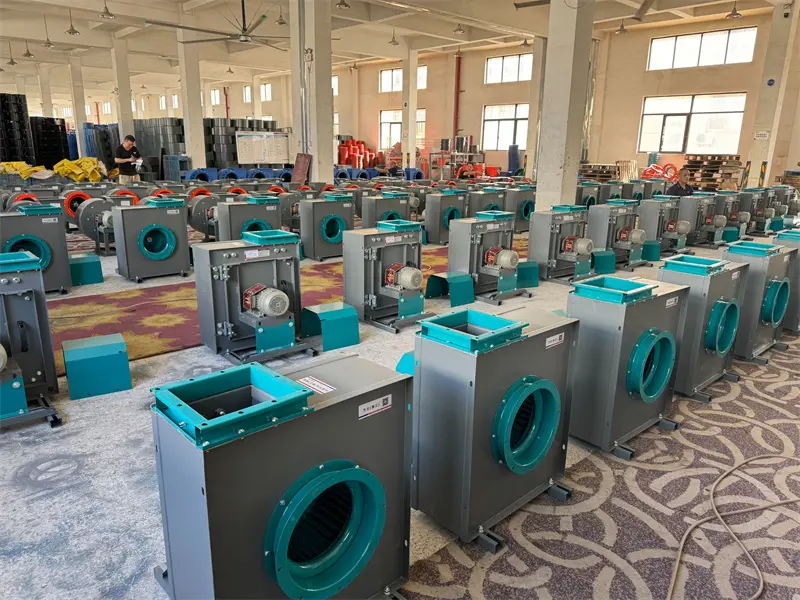
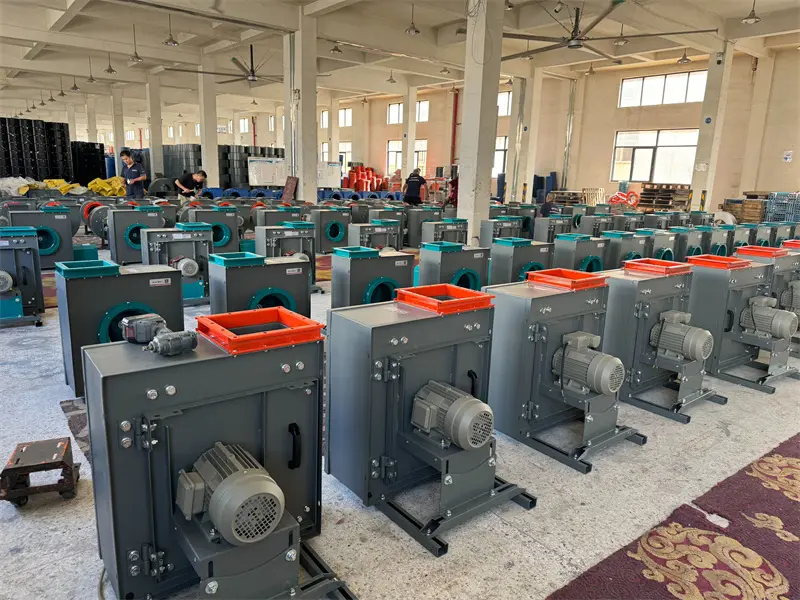
Commercial kitchen hoods face elevated grease and thermal loads. We supply targeted centrifugal fans (such as the DFA Centrifugal Fan, SRF Kitchen specific centrifugal series, and specialized CY-16 centrifuge fume purification units) engineered to operate continuously in high-temperature environments. These products use non-stick impellers that resist grease buildup and maintain high exhaust flow rates.
In factory settings, smoke, volatile chemical dust, and extreme boiler temperatures present safety hazards. Our heavy-duty industrial fans, including fire-rated high-temperature smoke exhaust fans (HTF series) and stainless steel centrifugal models (4-72A / 4-72C), ensure reliable, emergency smoke control and hazardous gas extraction under demanding industrial conditions.
Precision Production Equipment & CNC Center
In-house manufacturing technologies that support our tight engineering tolerances.
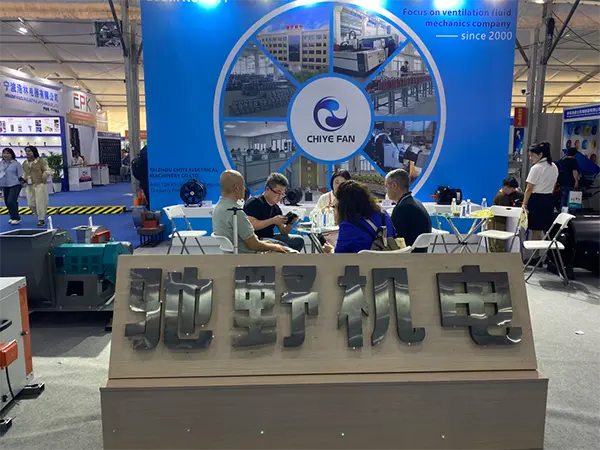
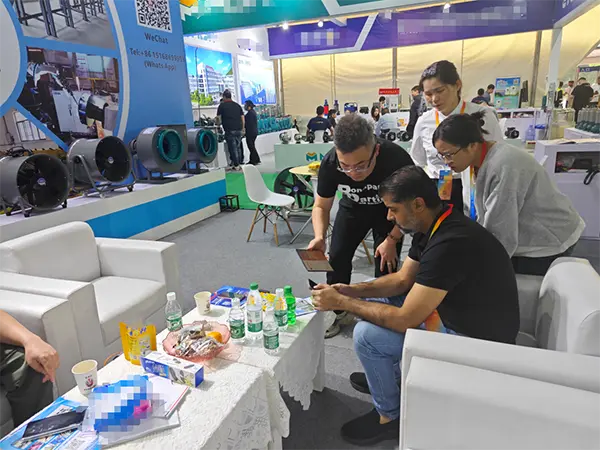
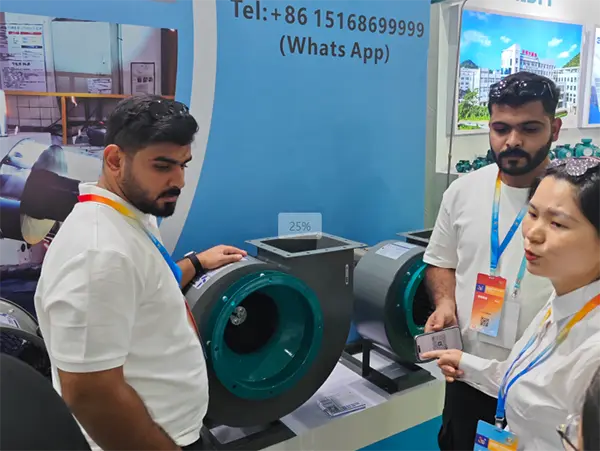
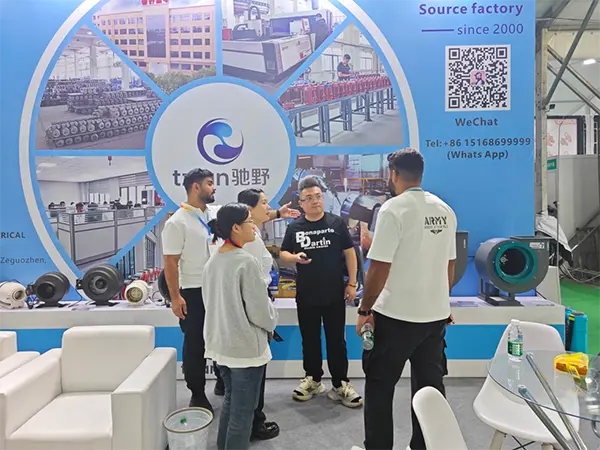
Foreign Visitors & Industry Exhibitions
Building global partnerships and demonstrating ventilation excellence at international trade shows.
Foreign visitors come to the company to visit and purchase
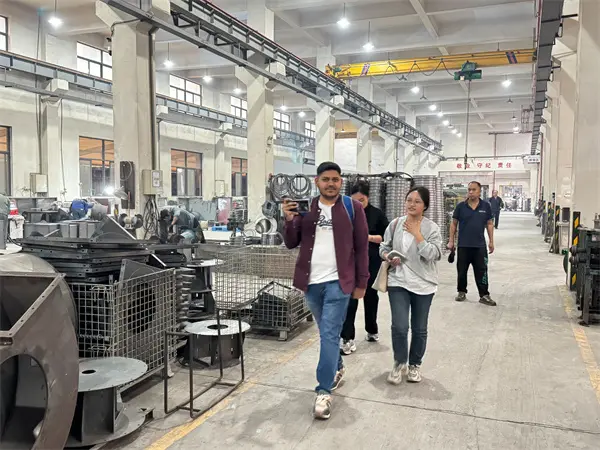
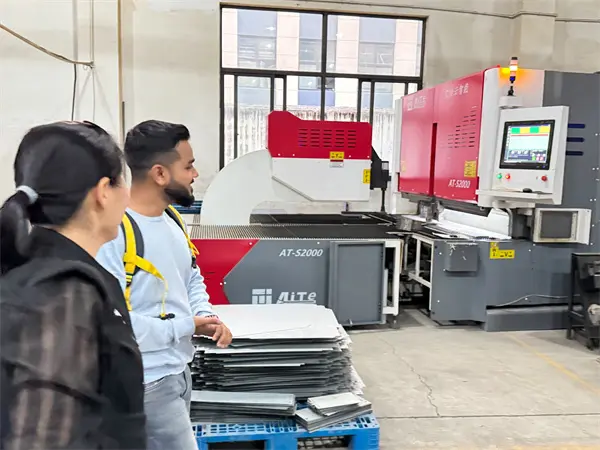
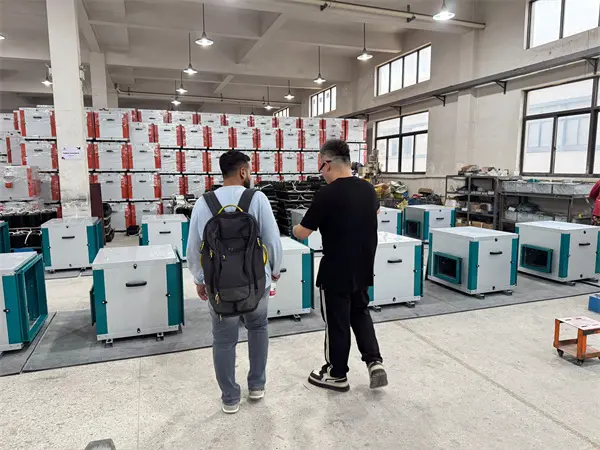
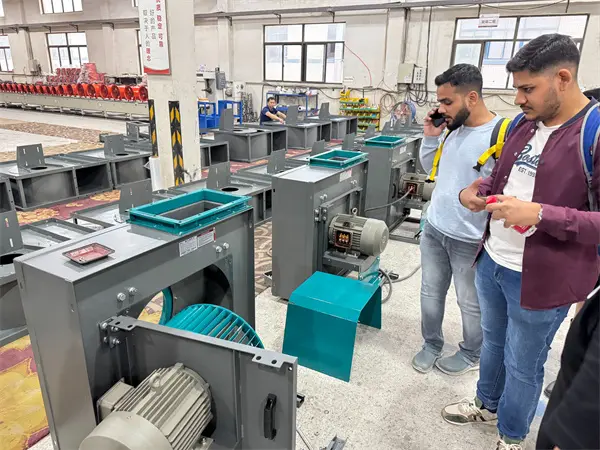
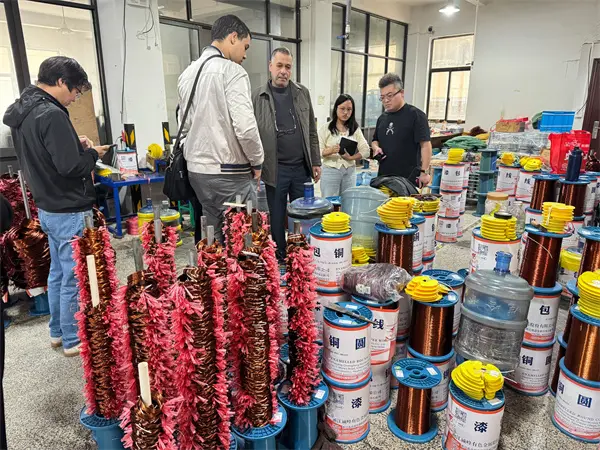
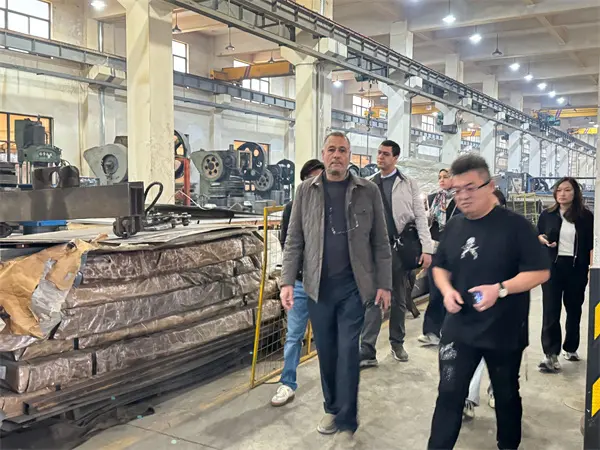
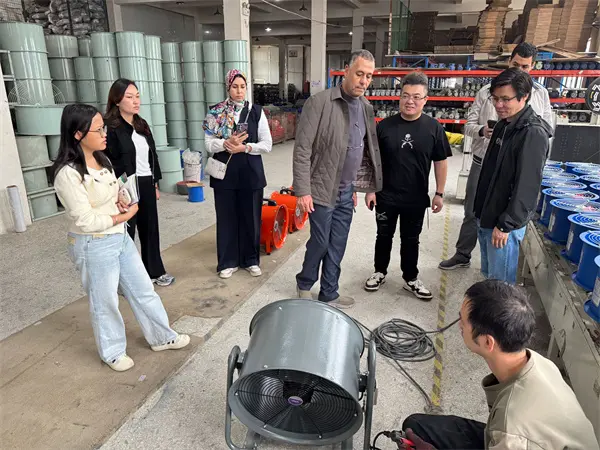
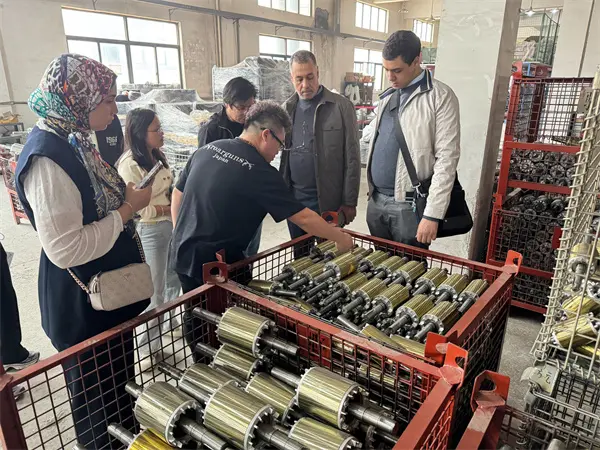
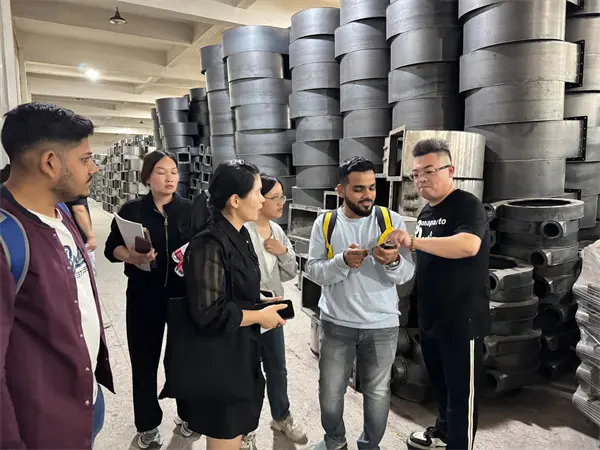
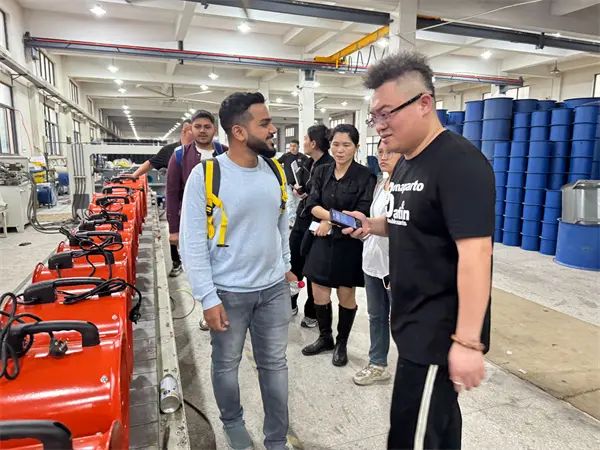
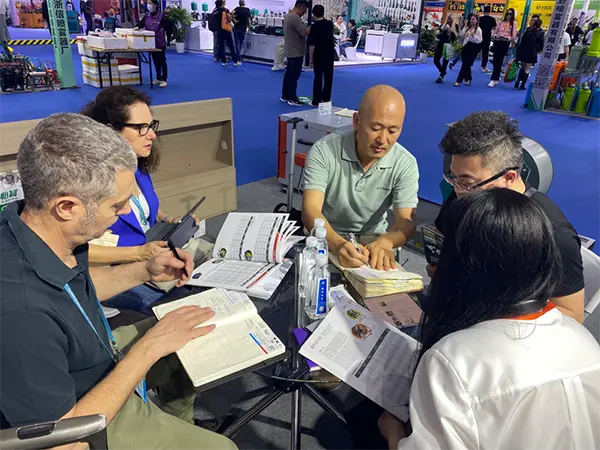
Participate in various exhibitions and negotiate business with foreign merchants
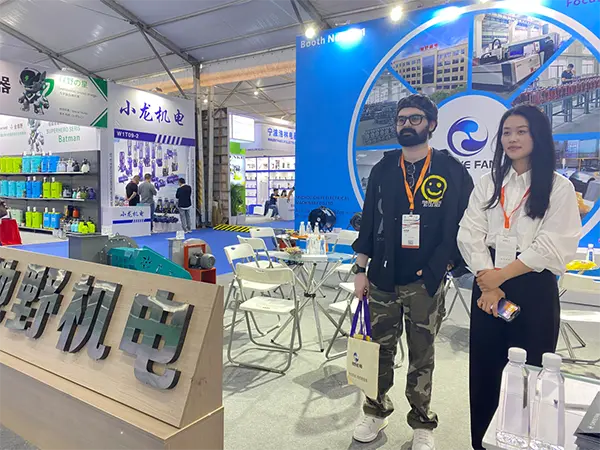
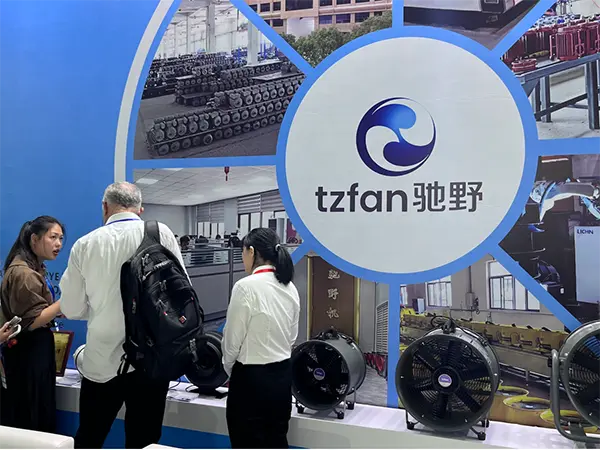
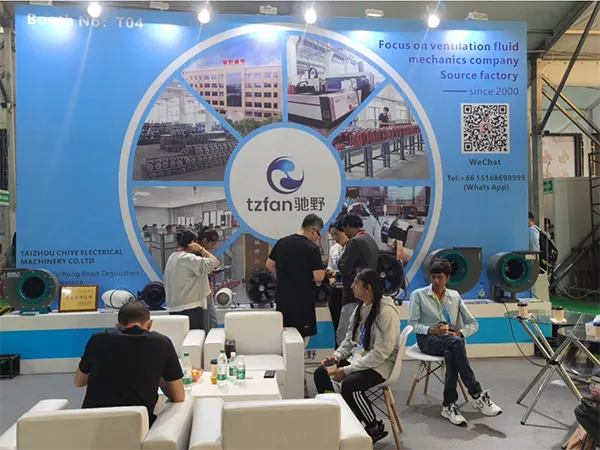
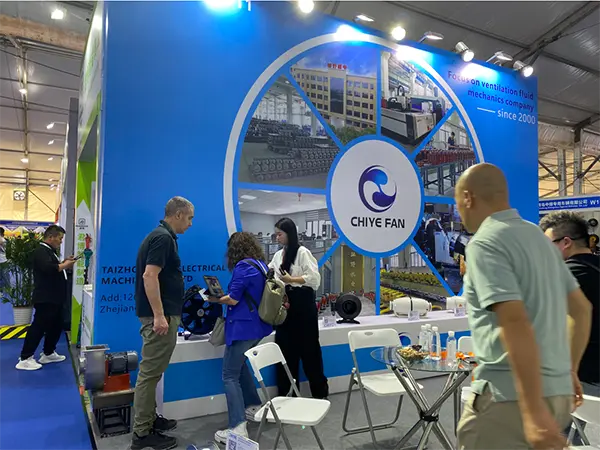

Localization Support, Compliance & Global Standards
Navigating varying regional building standards, international electrical codes, and quality certifications.
Different regional building regulations demand localized ventilation designs. In North America, fans must conform to UL 705 standards for electrical safety and AMCA certifications for verified airflow ratings and acoustic emissions. In the European Union, the Ecodesign Directive (including ErP Directive compliance) mandates strict motor efficiency thresholds, penalizing fans that do not meet target power-to-flow ratios. We systematically align our manufacturing parameters with these targets, matching target voltages (110V/220V/380V/460V) and frequencies (50Hz or 60Hz) to support seamless integration into regional grids.
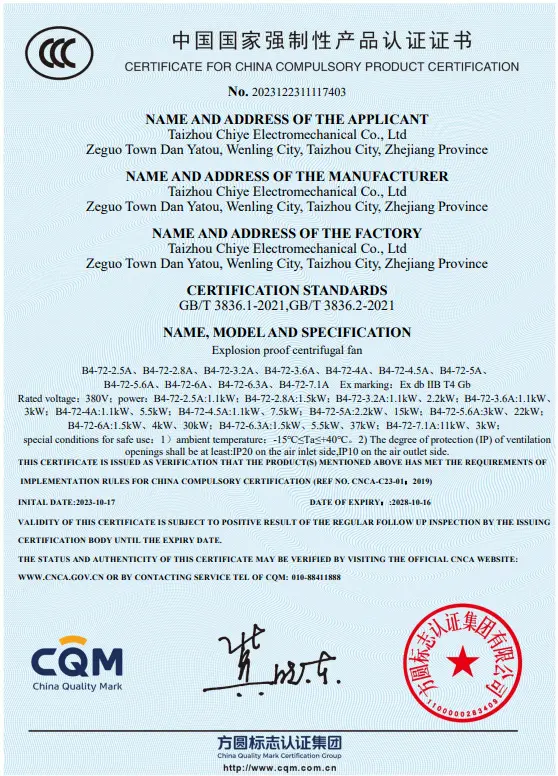
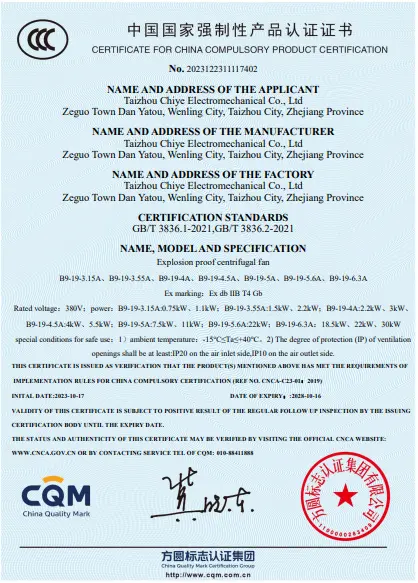
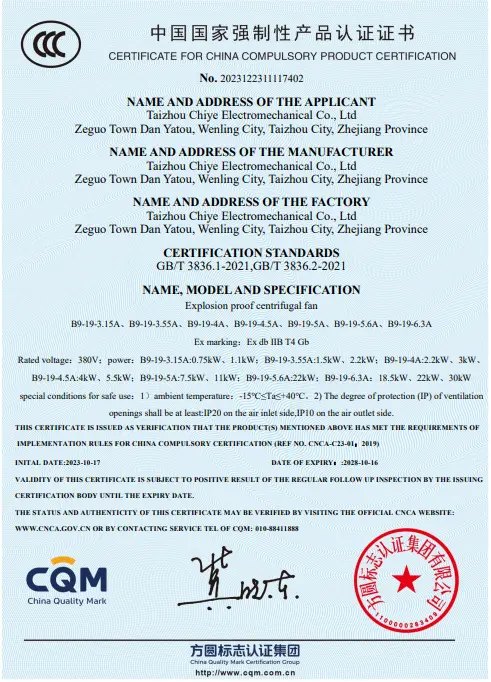
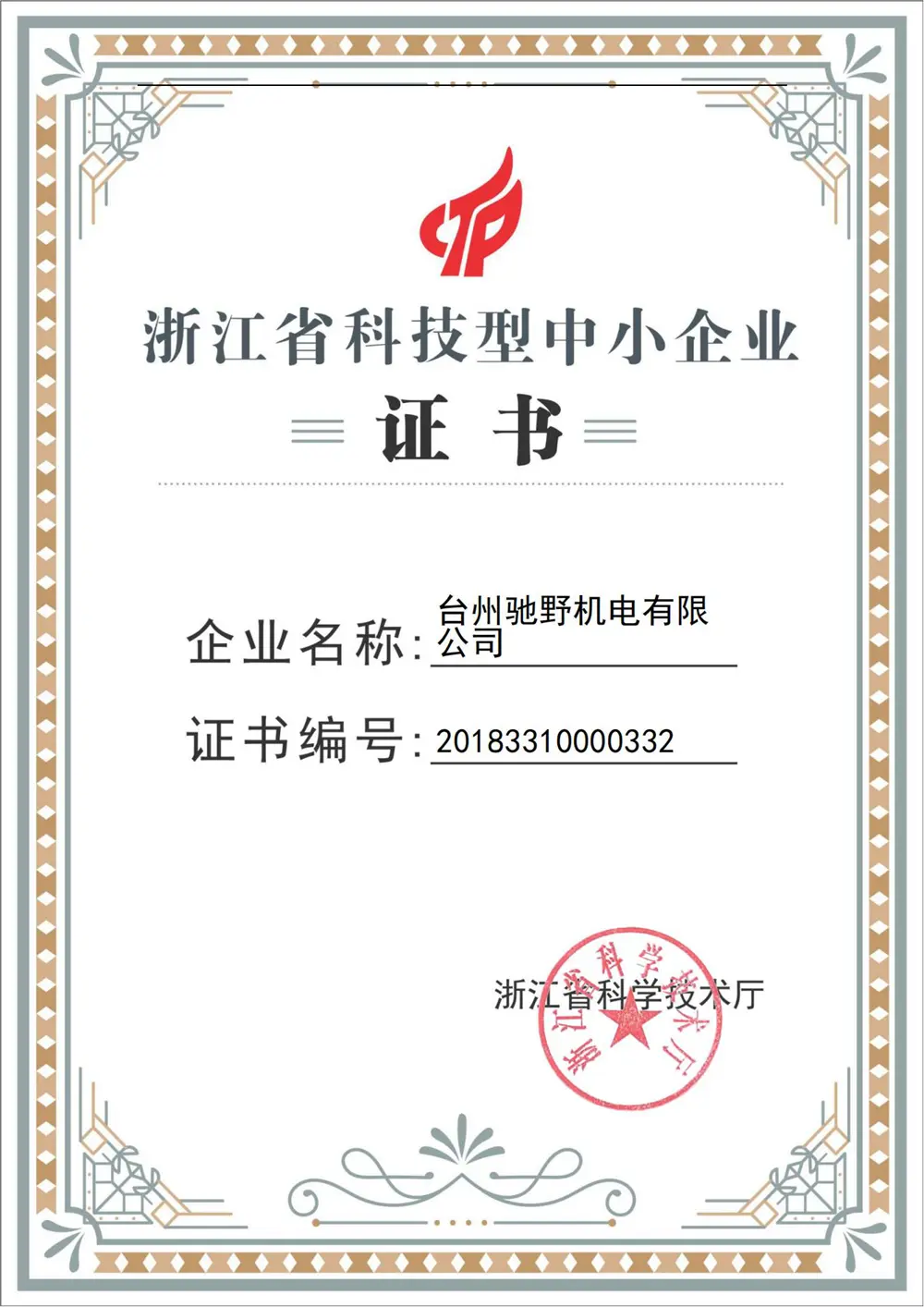
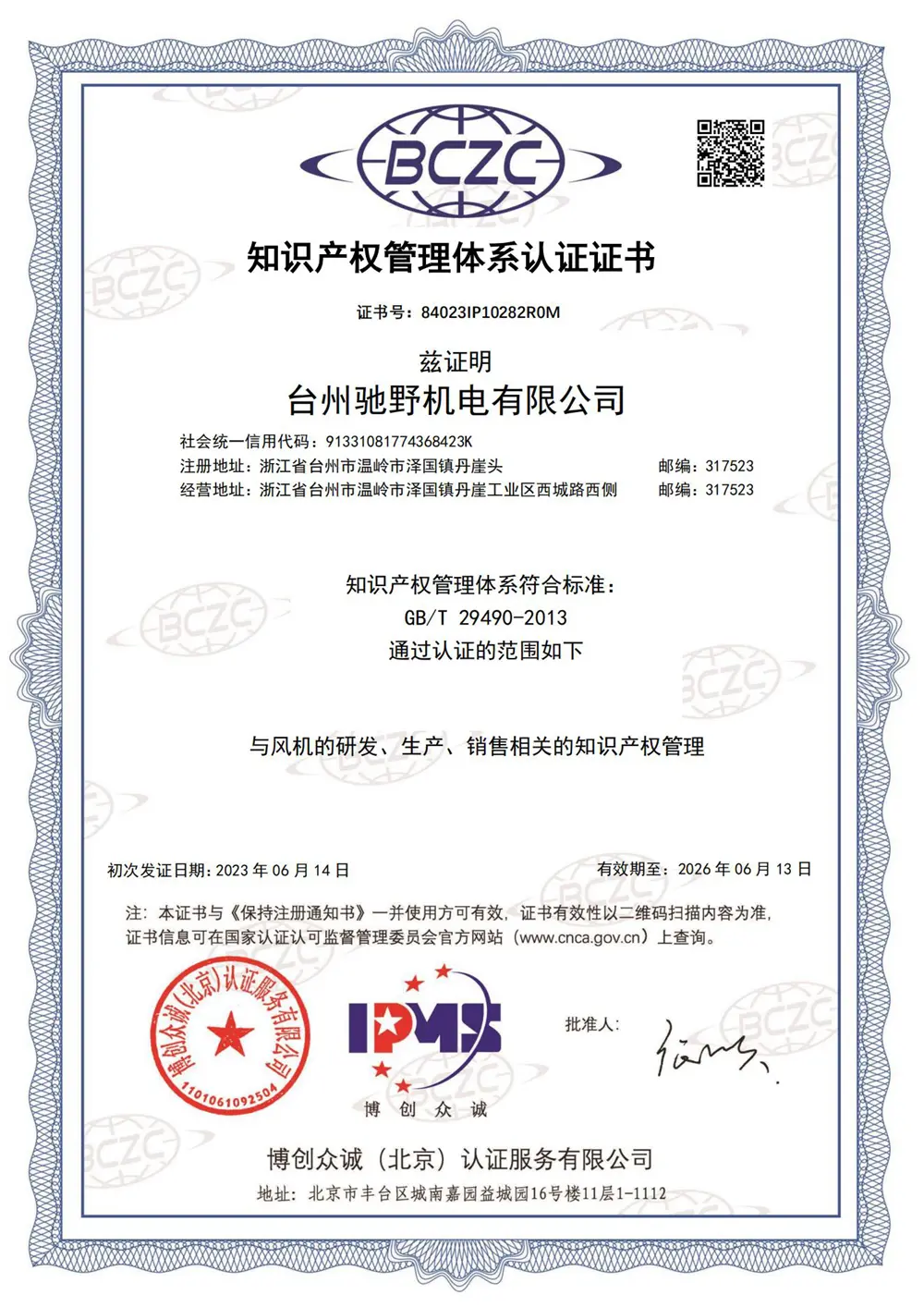
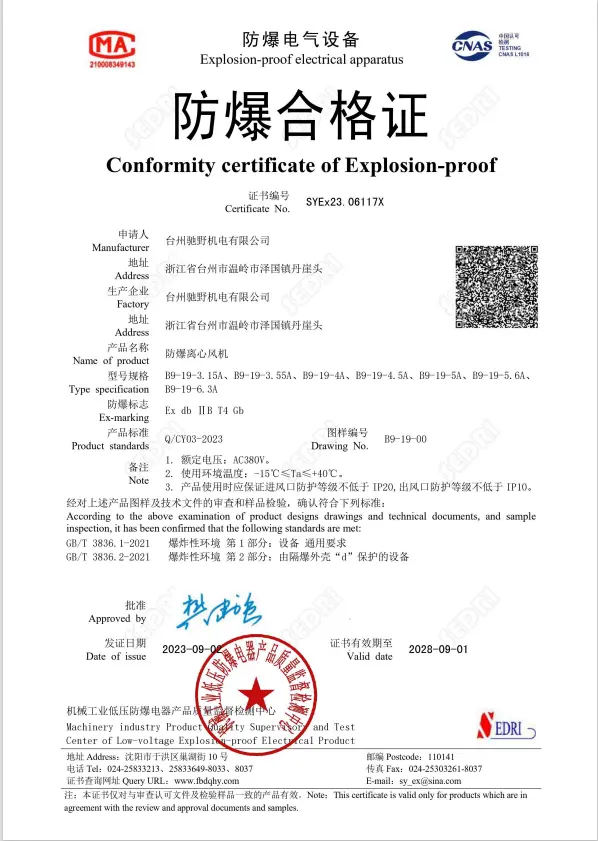
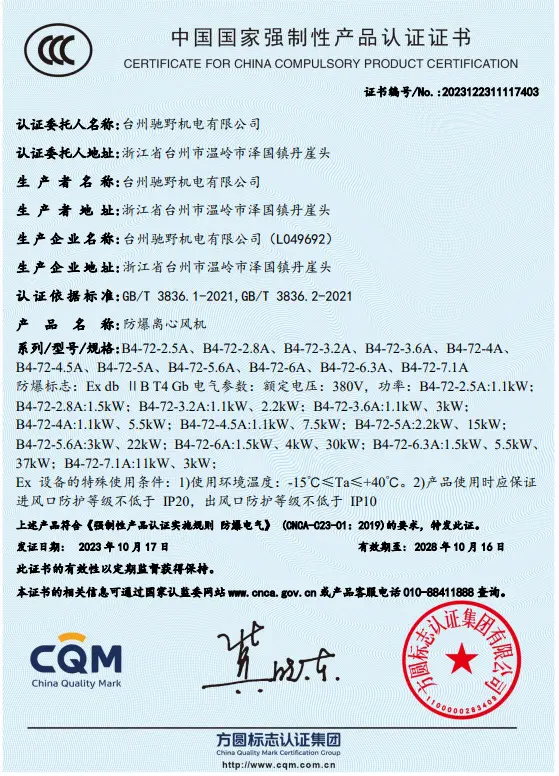
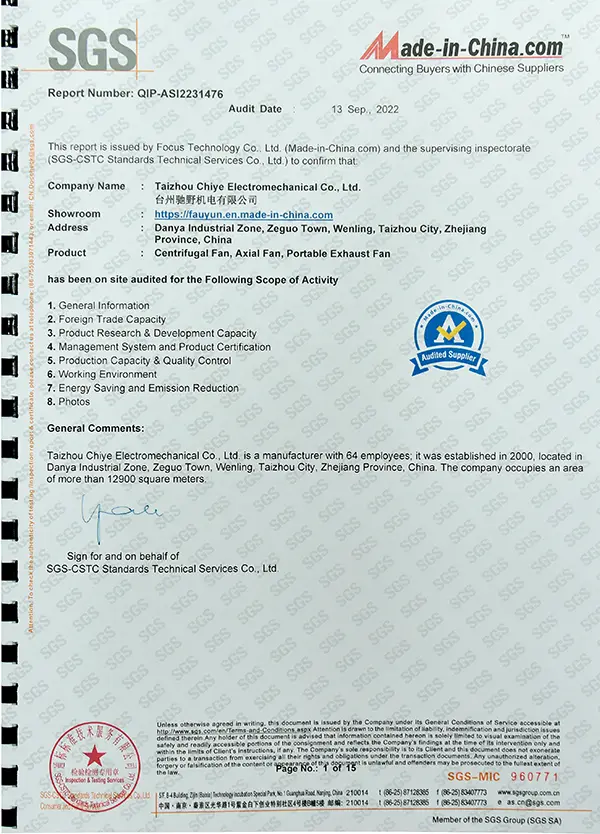
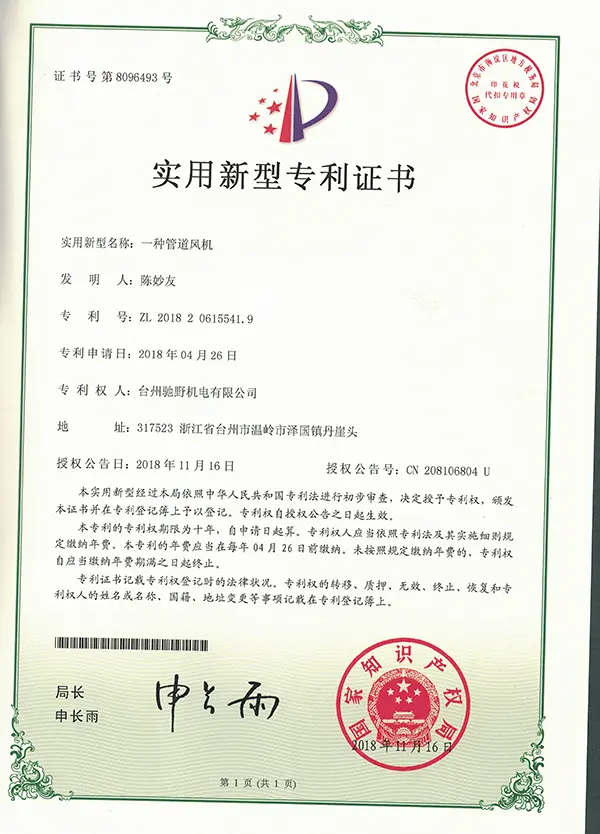
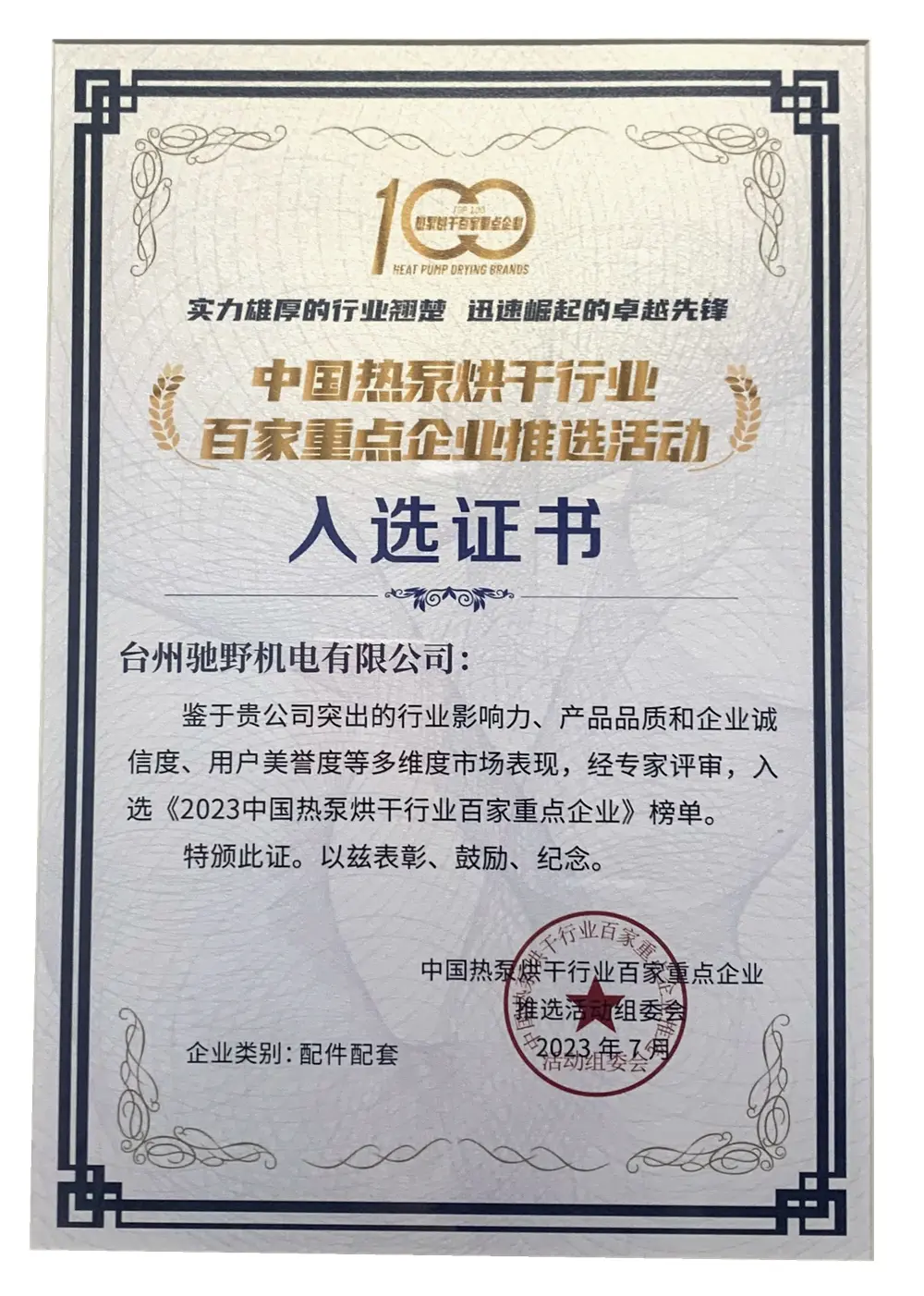
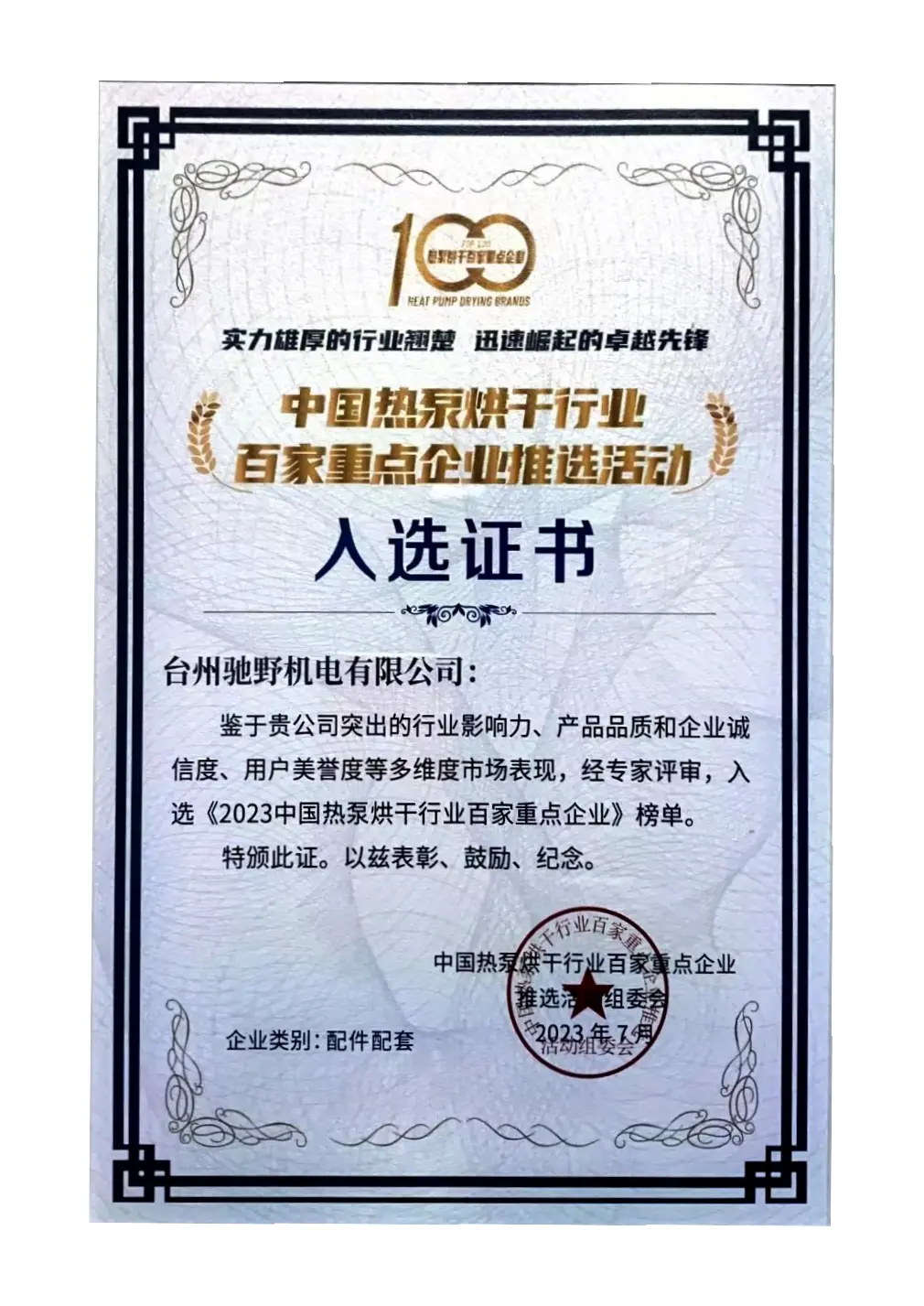
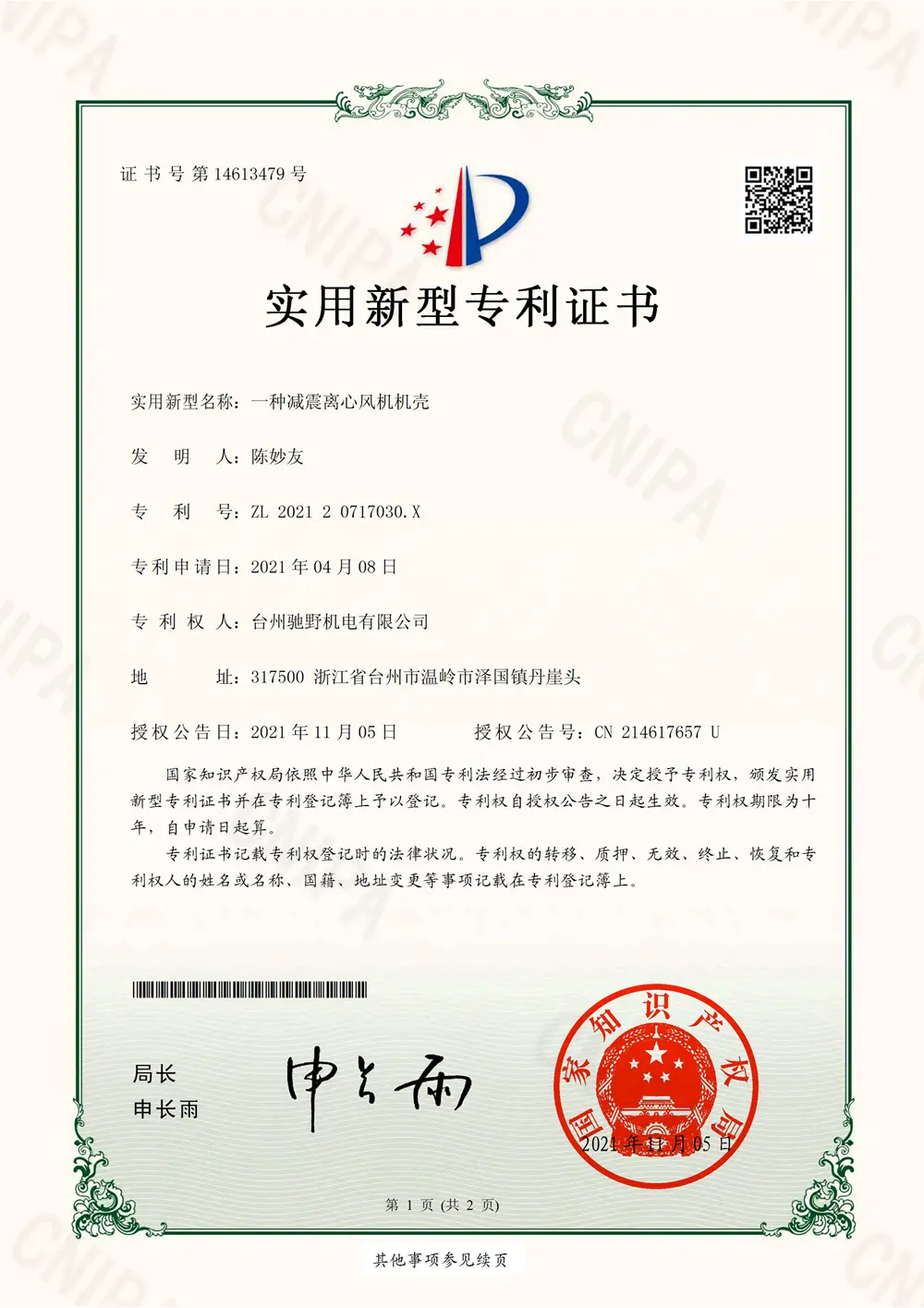
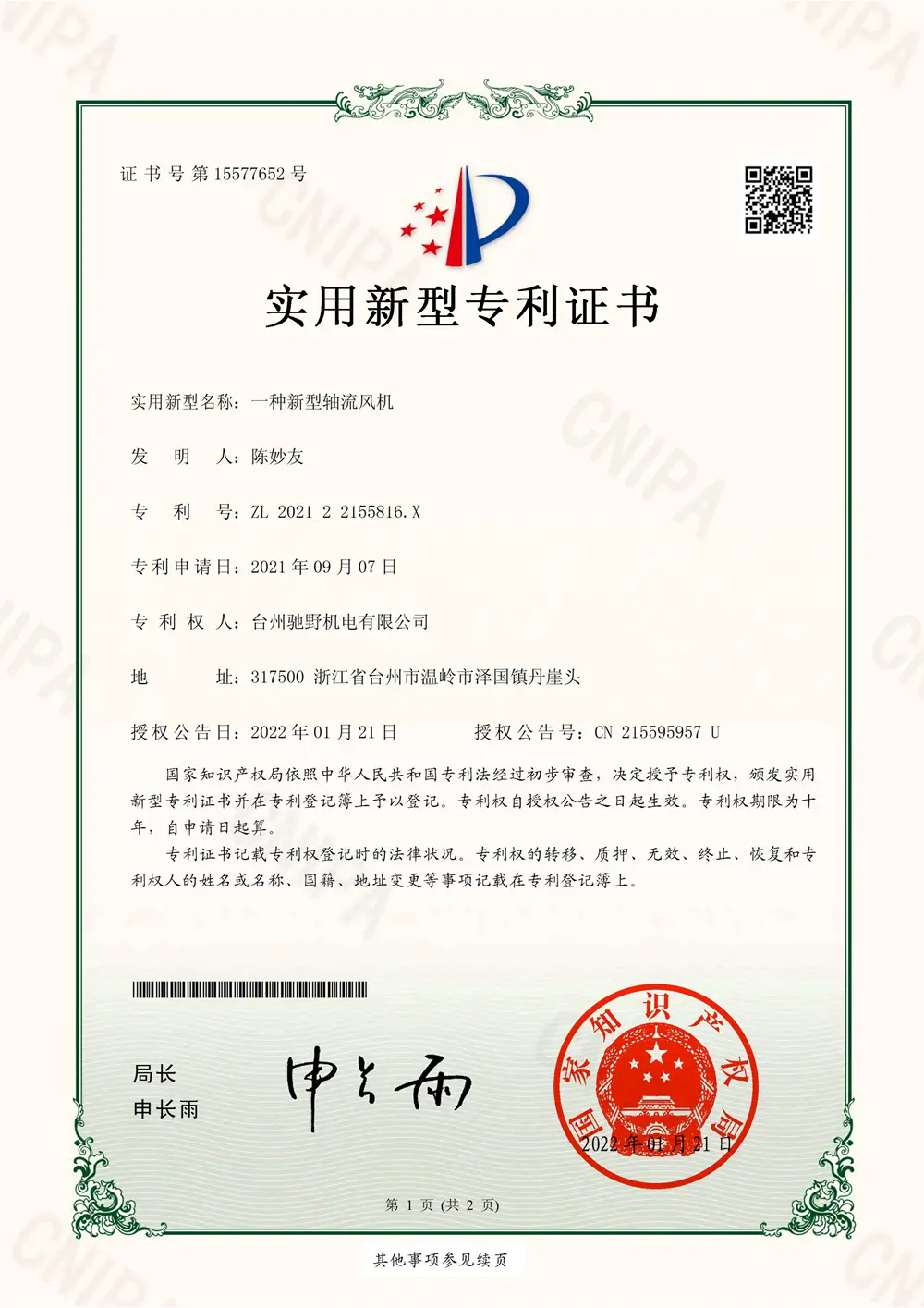
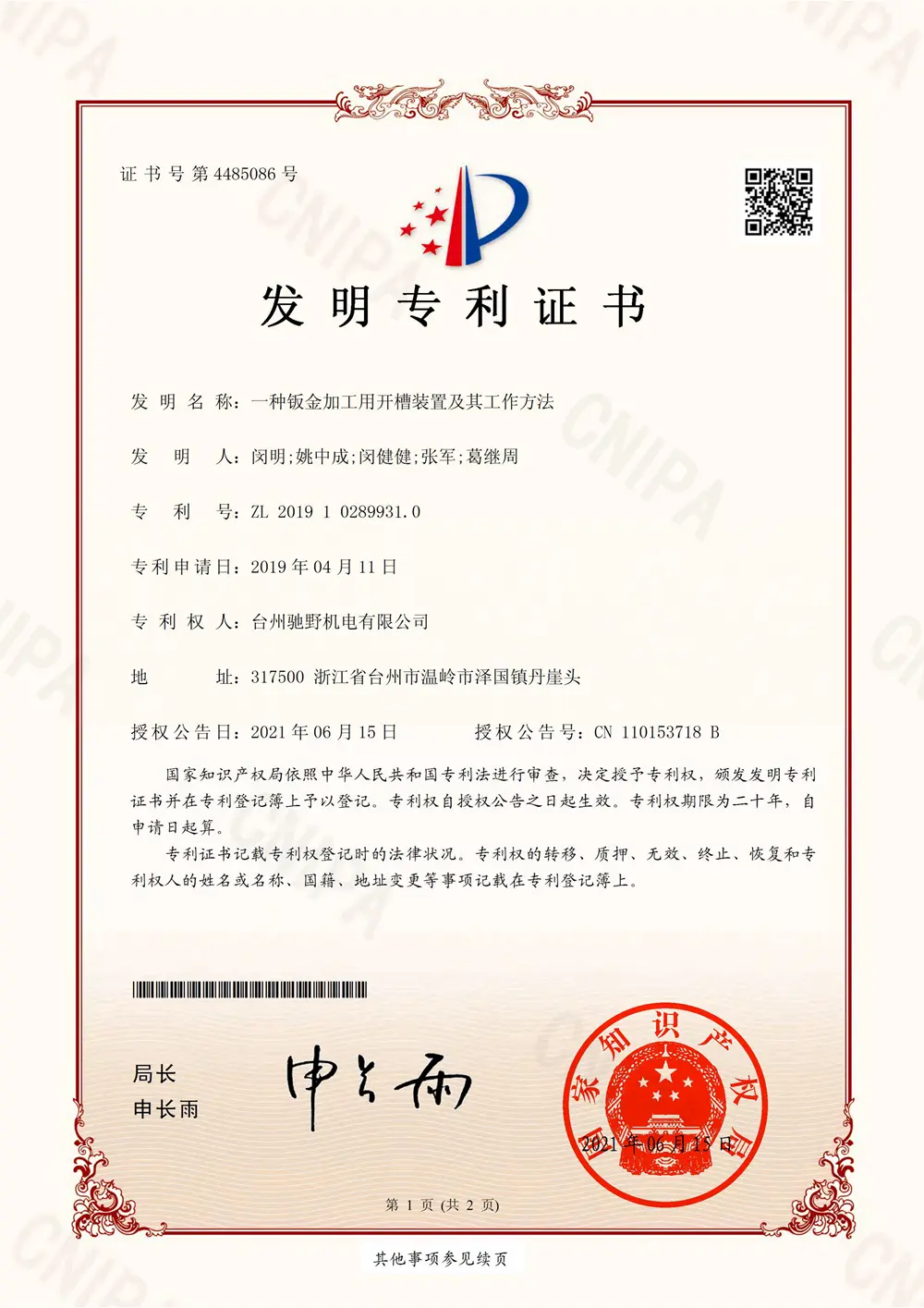
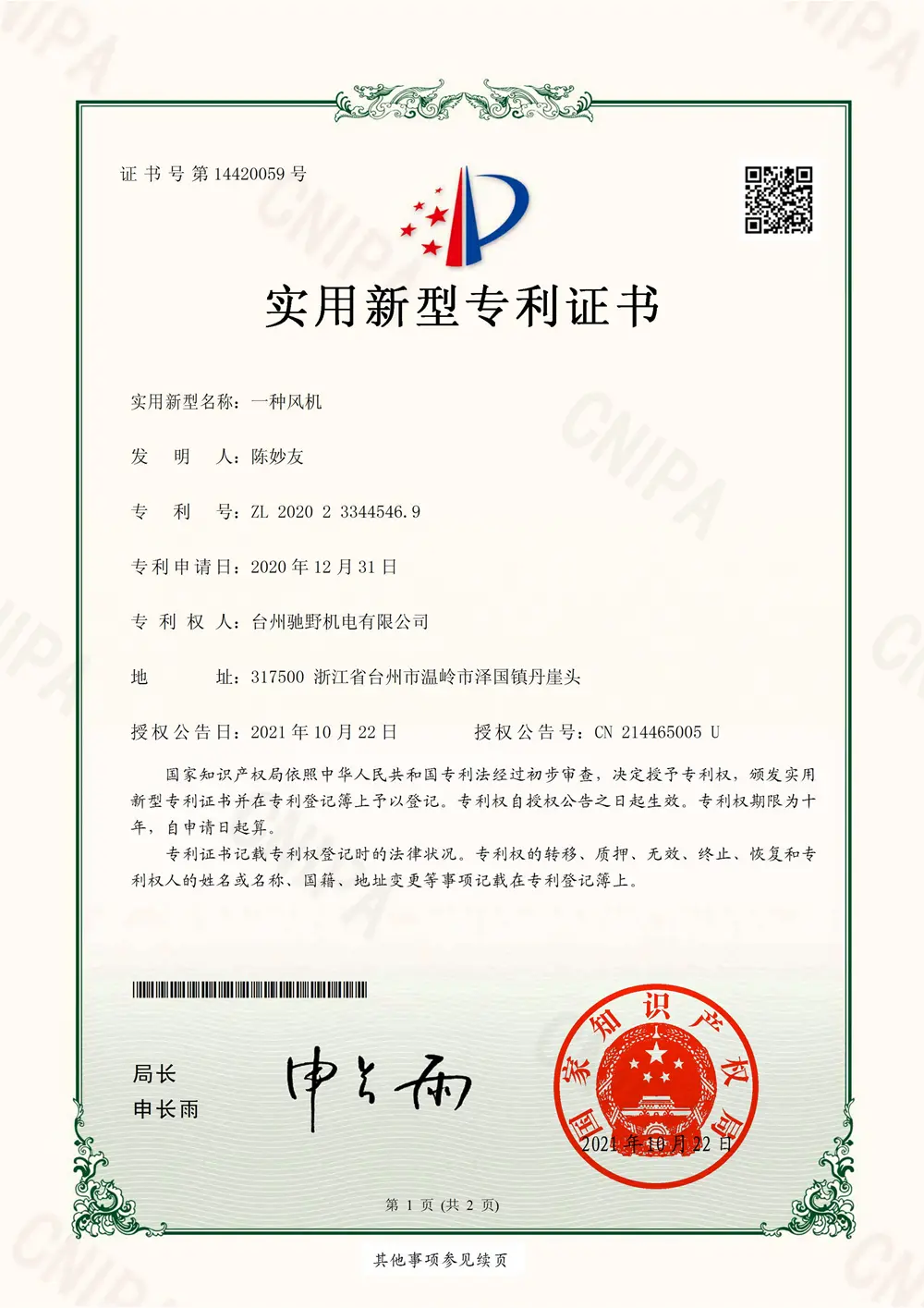
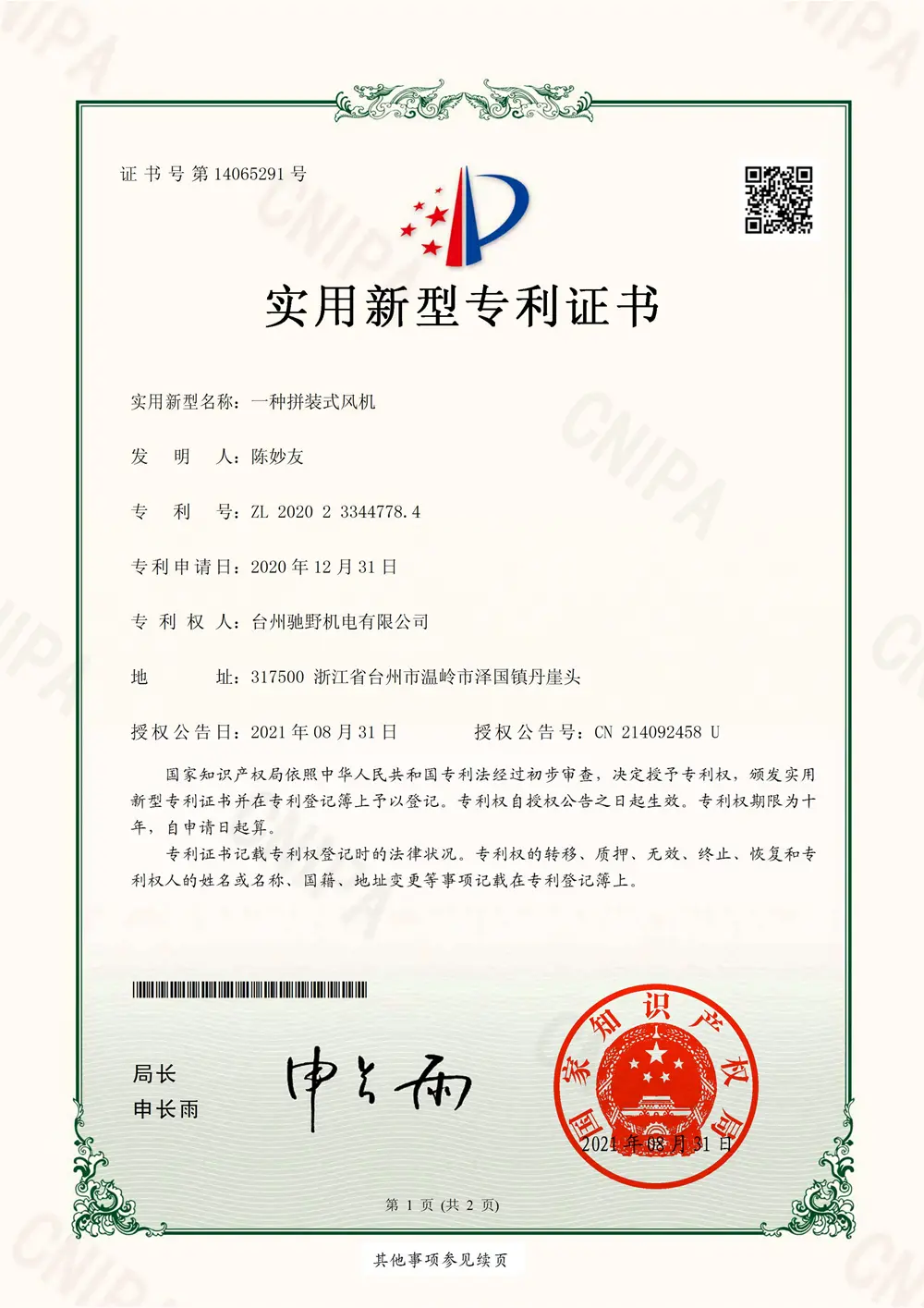
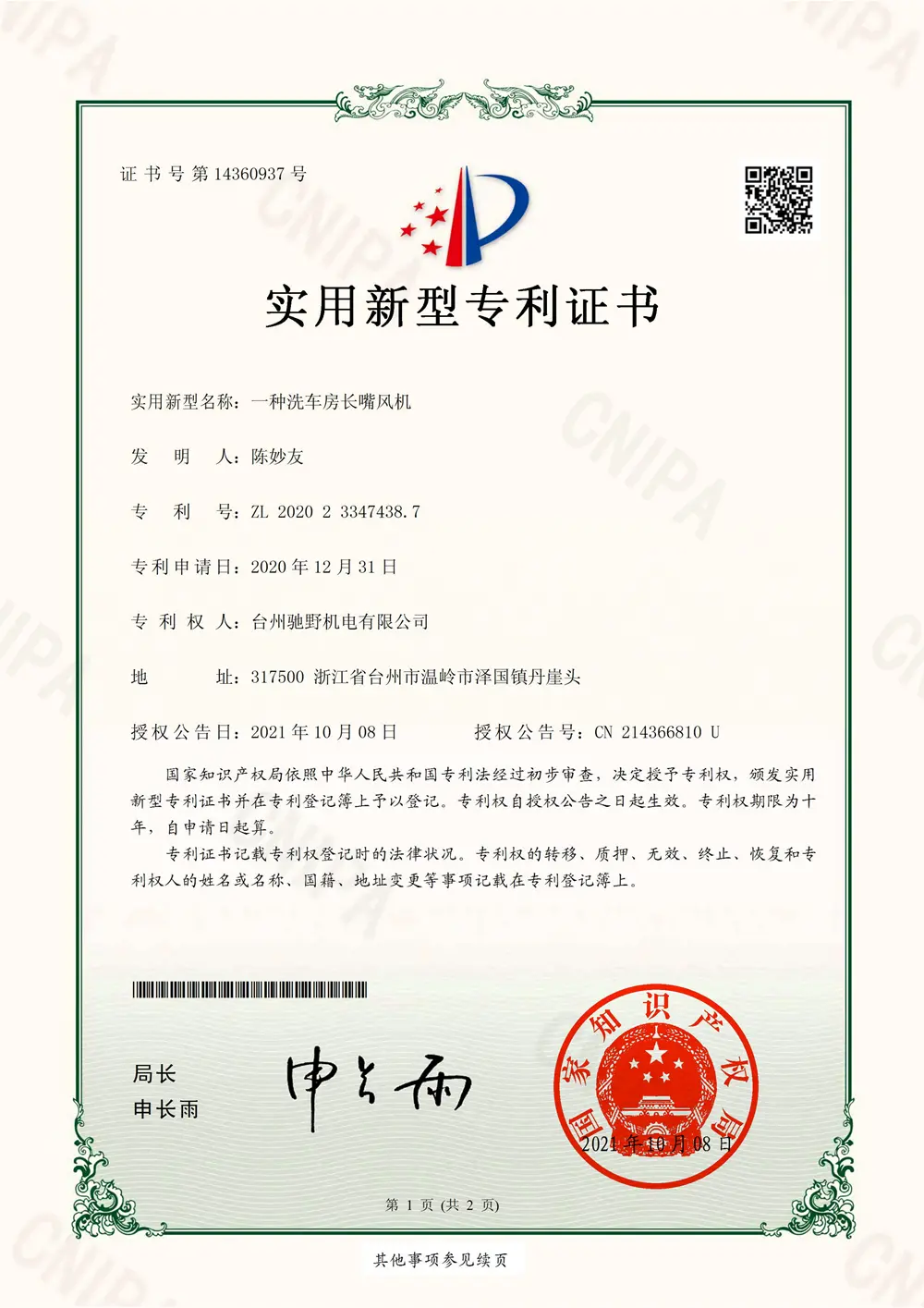
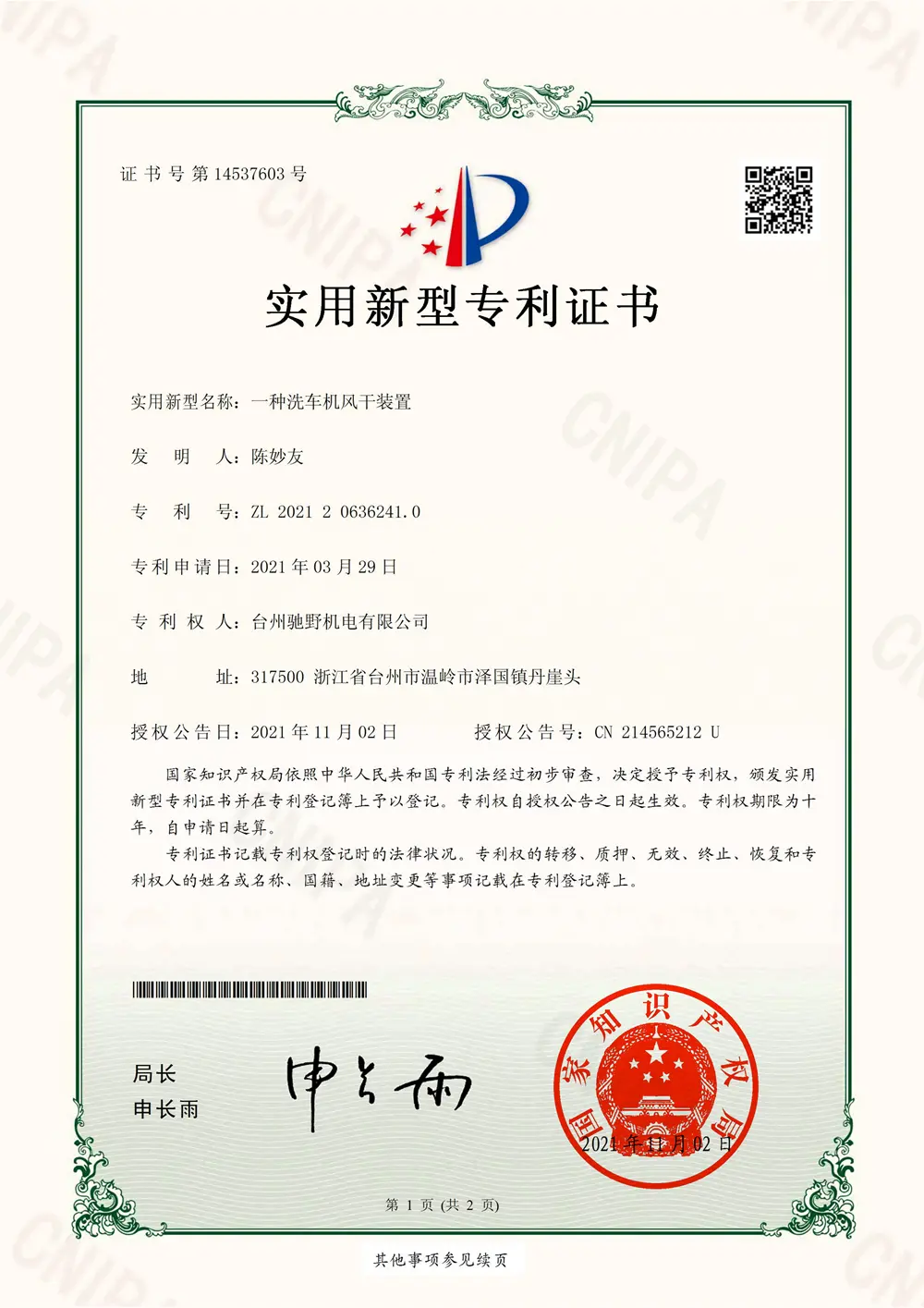
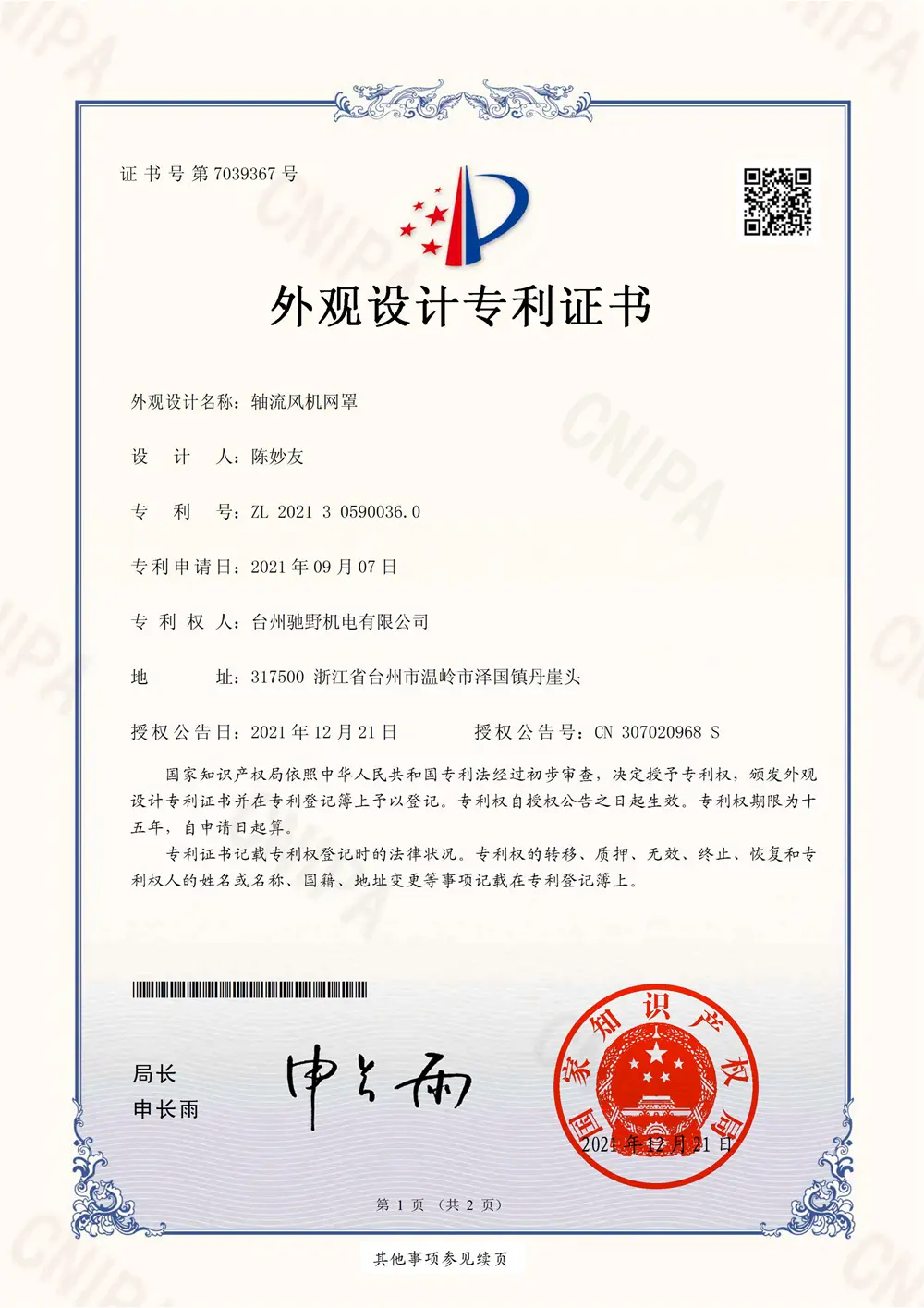
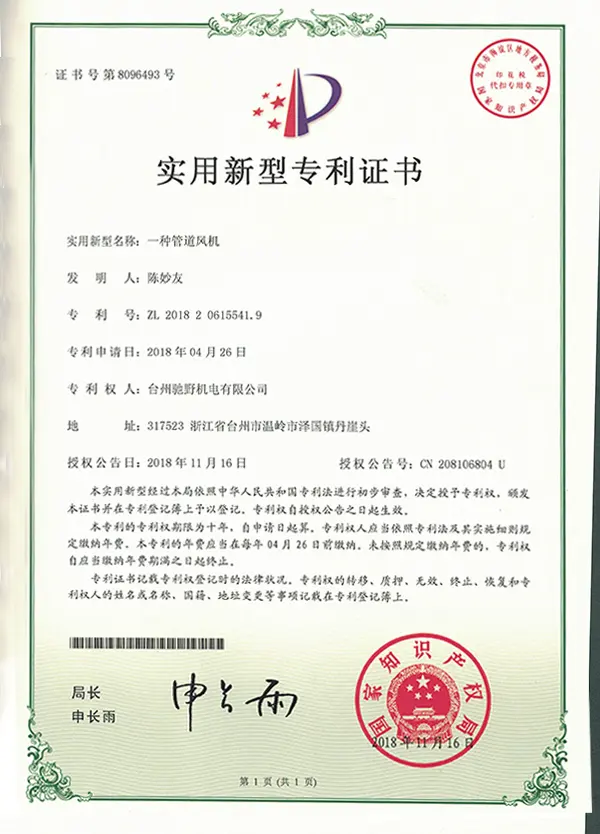
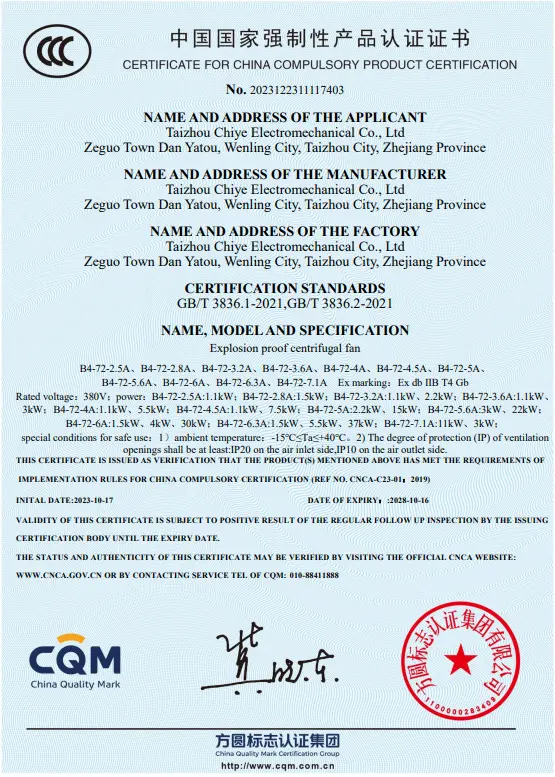
Our commitment to reliable quality control is backed by a range of industry certifications. These certificates cover environmental safety, motor efficiency, and physical structural integrity, assuring buyers that each production batch meets international testing guidelines.
Our Certified Quality Management Systems

Technical Roadmap & Future Outlook (2025–2030)
Pioneering the next generation of smart and sustainable air handling technologies.
Our vision is to be a leading enterprise in the global wind turbine and ventilation industries, promoting the continuous progress of wind utilization technology and supporting sustainable energy practices. We have structured our R&D priorities to focus on three core areas:
1. Next-Generation Aerodynamics: Using Computational Fluid Dynamics (CFD) to optimize fan blades, reducing turbulence and energy losses. This enables our fans to deliver higher static pressure with lower specific fan power (SFP).
2. Deep Decarbonization via Smart Motors: Moving toward brushless EC motors with integrated smart control cards. These systems allow buildings to adjust ventilation dynamically, reducing average energy consumption by up to 40% compared to legacy setups.
3. Advanced Mechanical Balance and Diagnostics: Integrating IoT-enabled vibration sensors within our premium fan assemblies. These sensors monitor bearing health in real time, alerting facilities to scheduled maintenance needs before failures occur, minimizing downtime.
Industrial & Commercial Installation Gallery
A showcase of our air ventilation products installed in various facilities.
Technical FAQs: Custom Home & Building Ventilation
In-depth responses to frequent technical queries from HVAC designers and procurement managers.
Complete Ventilation Product Range (Centrifugal & Axial)
Browse our complete list of industrial, kitchen, and specialty portable fans.