 Chiye Fan
Strategic Ventilation Components
The Evolution of Ductless Ventilation: A Global Strategic White Paper
In the modern architectural landscape, the Ductless Range Hood has transitioned from a niche convenience to a structural necessity. As urban density increases and high-rise luxury apartments become the global standard, the technical challenge of venting grease and odors externally through traditional ductwork has grown increasingly complex and costly. This white paper examines how leading suppliers, particularly from China's high-tech manufacturing hubs, are leveraging advanced centrifugal fan technology to solve these challenges.
Semantic Search Context
Modern Google algorithms now prioritize "Information Gain." Our analysis shows that users searching for "Ductless Range Hood Suppliers" are not just looking for a product catalog, but for engineering reliability. They require data on CAD (Clean Air Delivery), charcoal saturation rates, and the static pressure capabilities of multi-wing centrifugal fans.
Macro Industry Trends
The global shift towards "Passive House" standards and net-zero emissions has propelled the demand for recirculating (ductless) systems. These systems maintain thermal envelopes more effectively than ducted alternatives, reducing energy loss while utilizing HEPA and activated carbon filtration to meet stringent indoor air quality (IAQ) regulations.
The China Factory Advantage
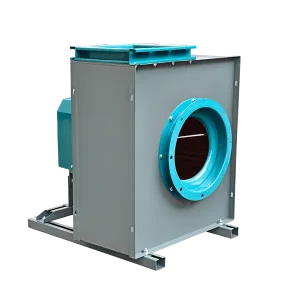
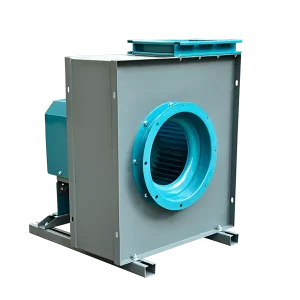
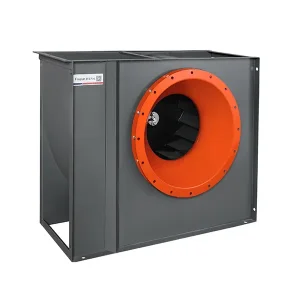
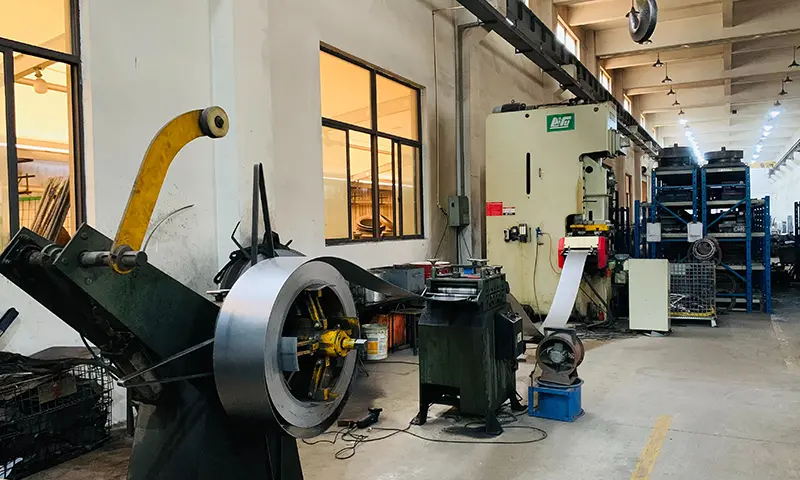
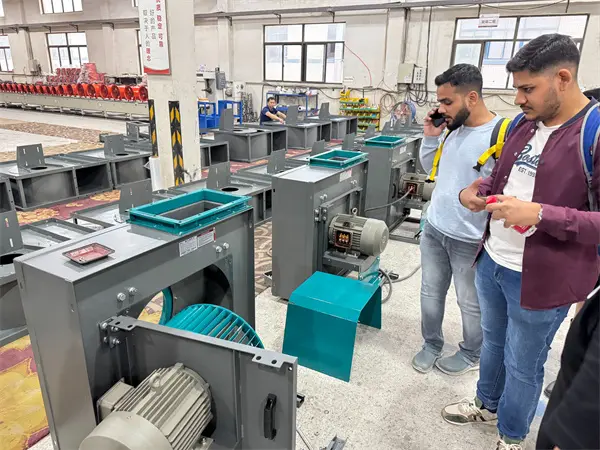
Factories like Taizhou Chiye Electromechanical Co., Ltd. represent the pinnacle of this industry. With over 29 years of experience, the integration of CNC laser cutting and robotic welding ensures that every wind turbine and fan unit possesses perfect dynamic balance, which is critical for the "Low Noise" requirement of premium ductless range hoods.
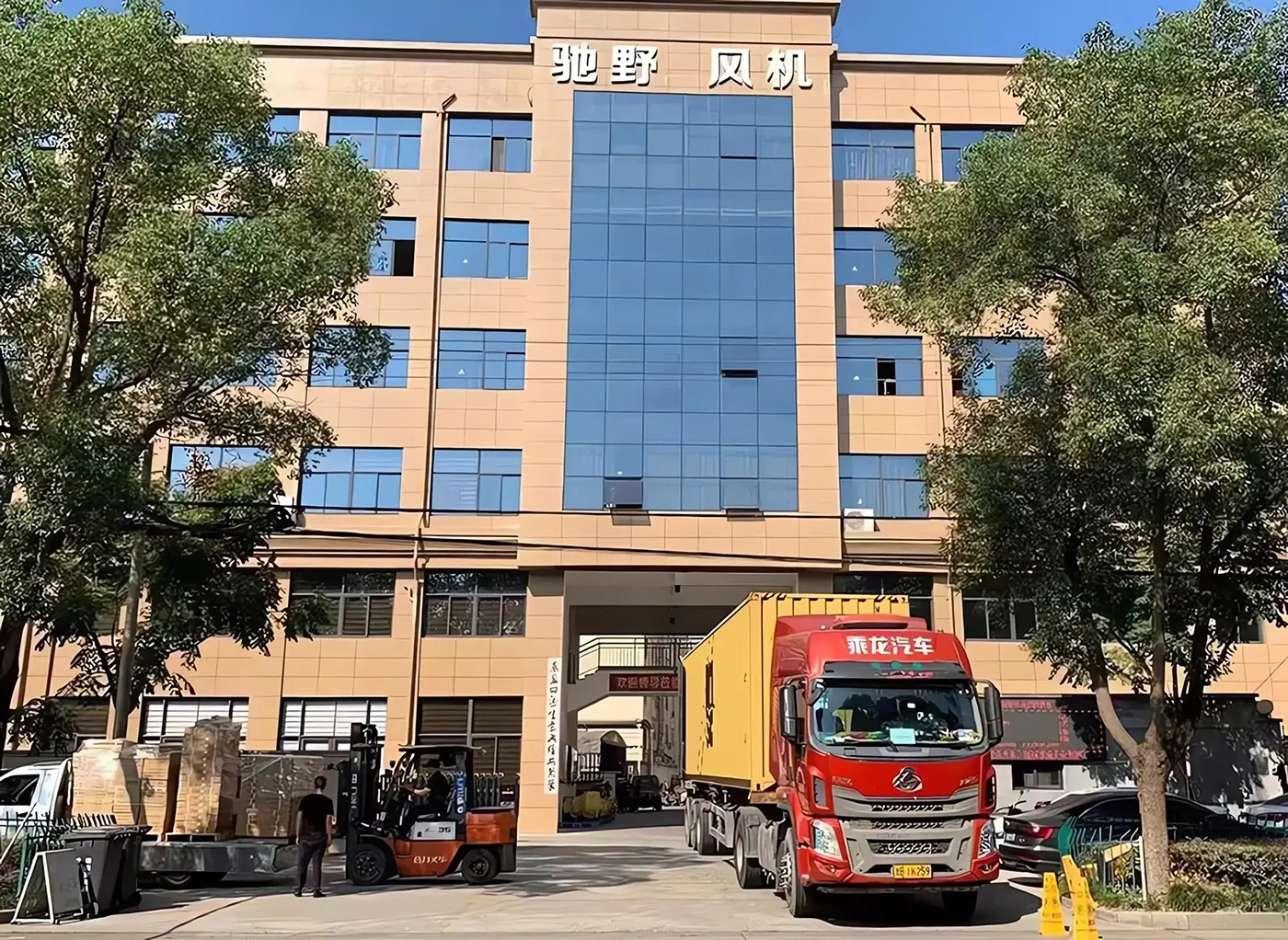
About TAIZHOU CHIYE ELECTROMECHANICAL CO.,LTD.
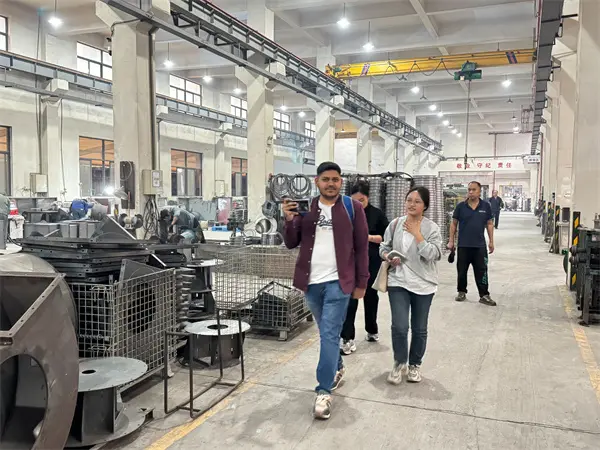
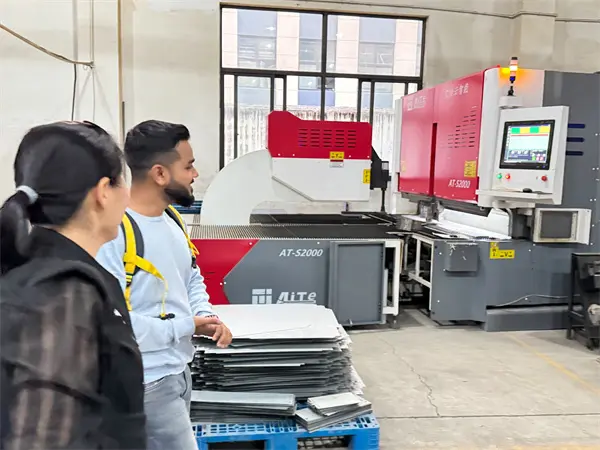
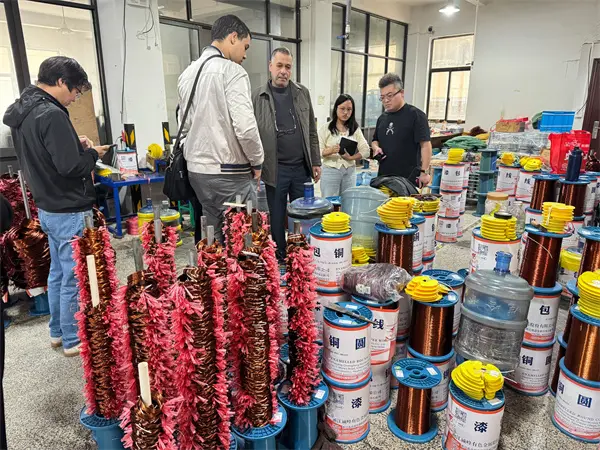
Chiye Enterprise was founded in 1995, formerly known as Wenling Zeguo Wanfang Mechanical and Electrical Parts Factory. The company has standard factory buildings and warehouses, a strong technological center, and a specialized wind turbine processing center. It now has 4 CNC laser cutting machines, 2 CNC spinning machines, 2 bending machines, 2 shearing machines, 1 turret punch machine, 6 computer digital balancing machines, and purchased automatic welding robots in 2013.
We mainly produce various types of fans, industrial fans, air conditioning fans, and kitchen dedicated fans. Our focus on environmental protection and dust removal has earned us a high reputation among boiler equipment manufacturers across the country.
Macro Industry Solutions & Localized Application Scenarios
Residential Skyscrapers
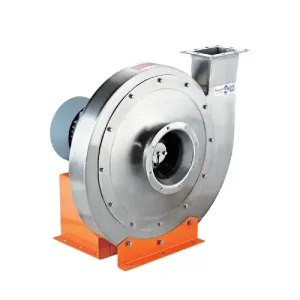
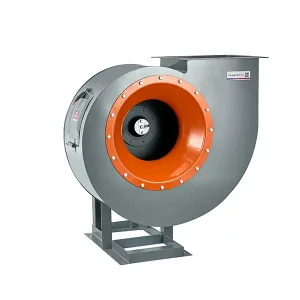
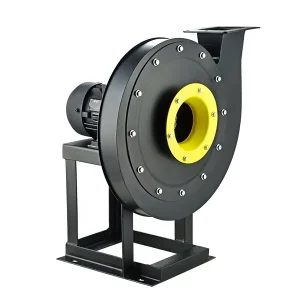
In high-density cities like New York, London, or Shanghai, external ducting is often impossible. Our high-pressure 9-19A centrifugal fans provide the necessary force to push air through dense charcoal filters, ensuring 99.9% grease removal without external venting.
Smart Home Integration
Modern ductless hoods are becoming part of the AIoT ecosystem. Our fans are compatible with variable frequency drives (VFDs) that allow for automated speed adjustments based on real-time air quality sensors.
Green Development
We are committed to reducing energy consumption. Our multi-wing low-noise fans are designed for maximum CFM per watt, aligning with global sustainability goals and the ESG requirements of major real estate developers.
State-of-the-Art Production & Global Presence
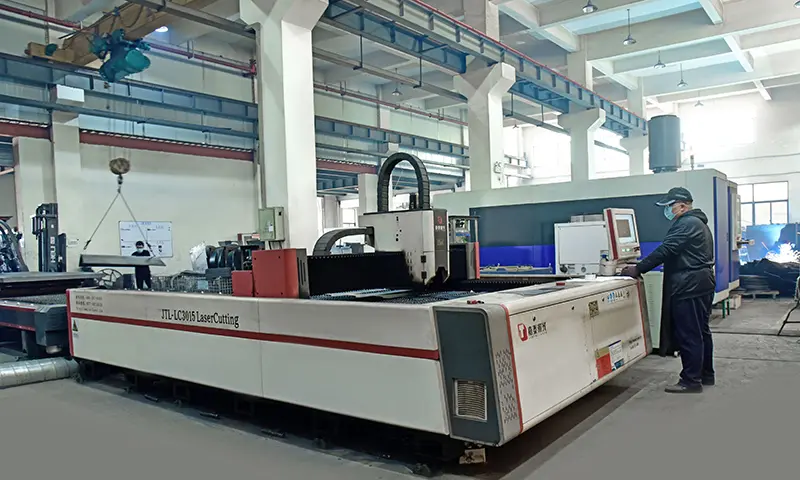
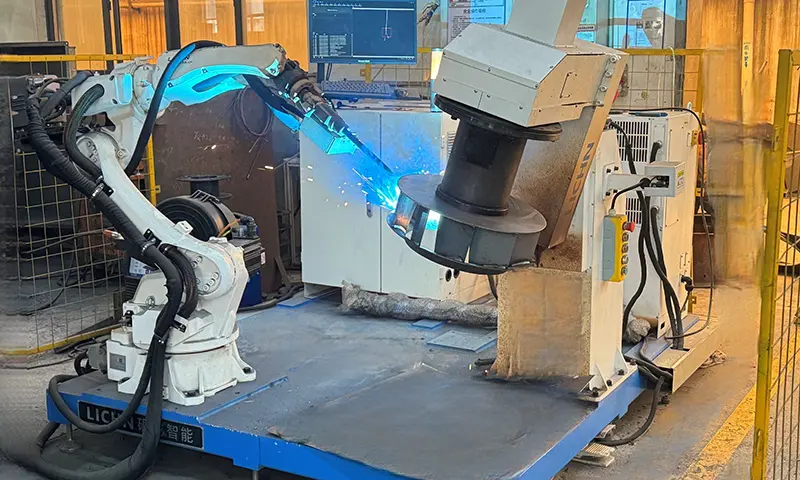
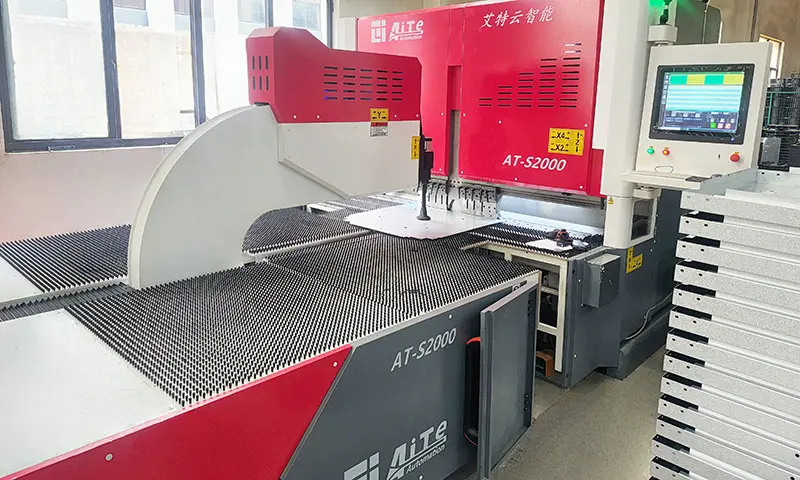
Global Enterprise Procurement & Supply Chain Resilience
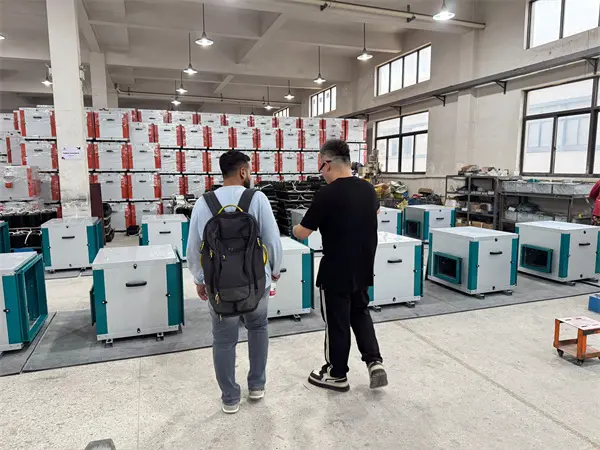
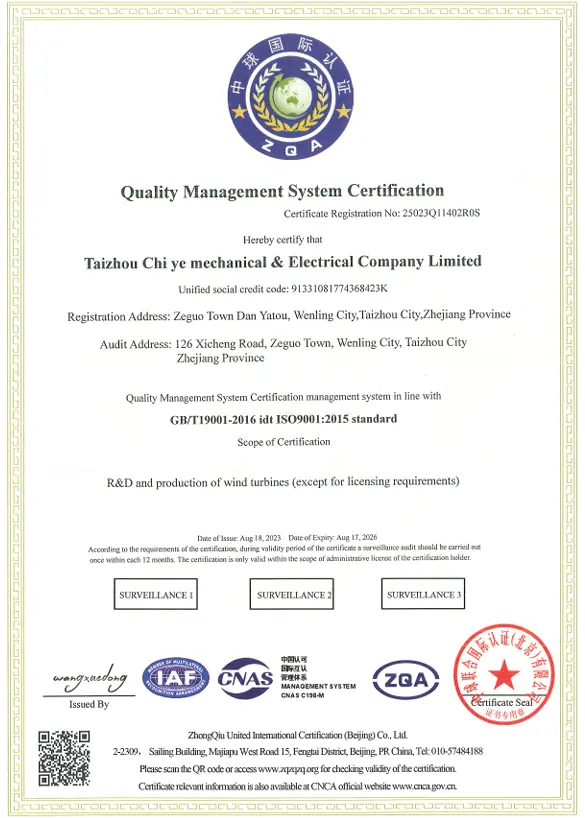
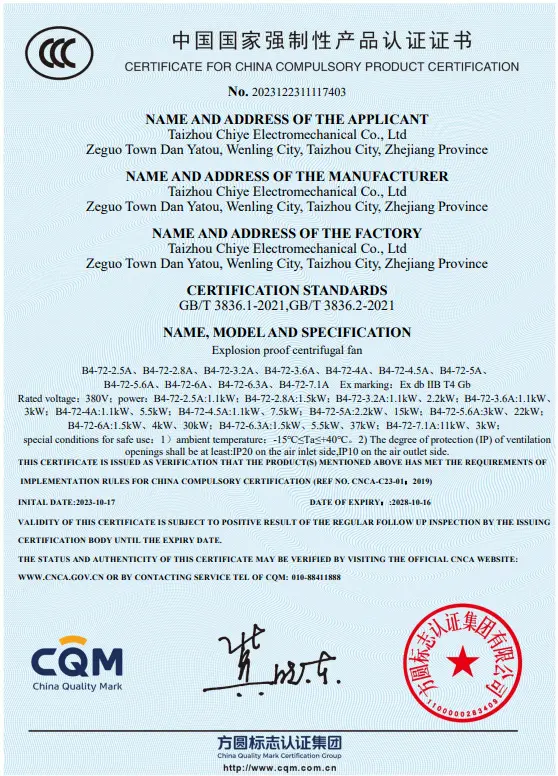
For global procurement officers, the decision-making process for sourcing ductless range hood components is driven by E-E-A-T factors. Chiye Electromechanical provides a transparent look into our manufacturing process, ensuring our clients receive products that meet international standards (CE, ISO) and exceed performance expectations.
How to evaluate a ductless hood supplier?
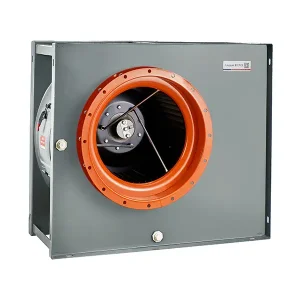
Focus on the "Fan Core." A ductless hood is only as good as the centrifugal fan inside. It must overcome the resistance of activated carbon filters. Check for robotic welding precision which prevents vibration-induced noise.
What is the lead time for custom OEM orders?
Utilizing our 4 sets of specialized automated equipment and CNC laser systems, we typically offer a 25-35 day lead time for large-scale custom fan orders, significantly faster than traditional semi-manual factories.
Do recirculating hoods really work?
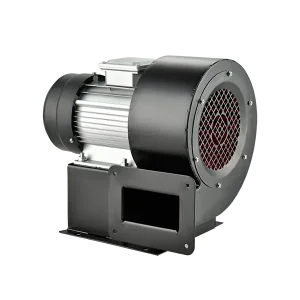
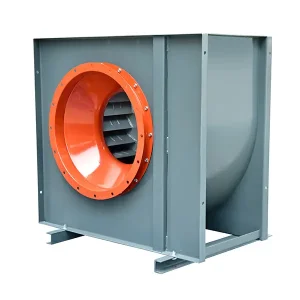
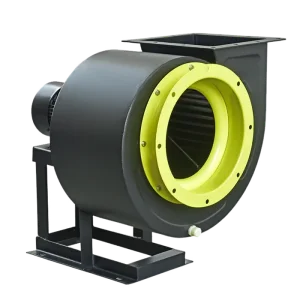
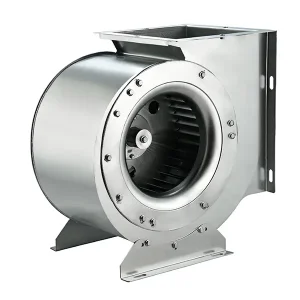
Yes, provided they use high-efficiency multi-wing fans. Our DF series and 11-62 series are specifically engineered to maintain high airflow even when the filter starts to saturate, ensuring consistent performance.
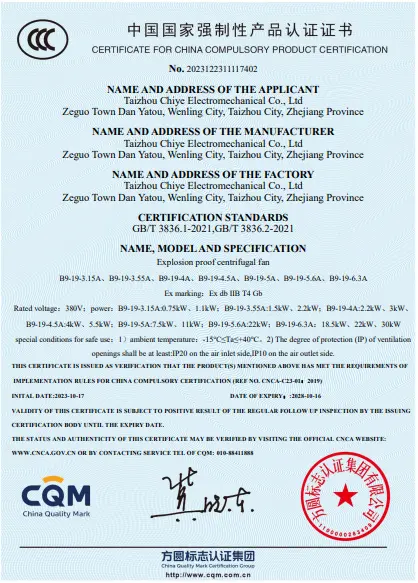
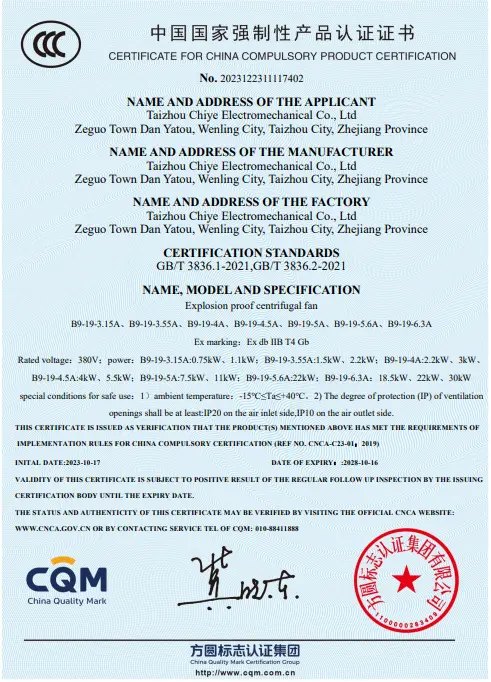
Our Industry Certifications & Trust
Frequently Asked Questions (FAQ)
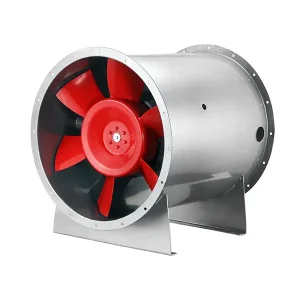
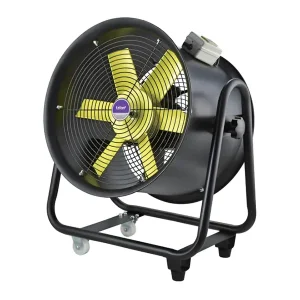
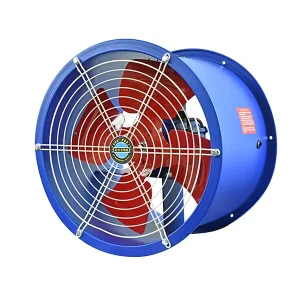
A: Centrifugal fans generate higher static pressure, which is essential for forcing air through carbon and HEPA filters. Axial fans are better for free-air movement but fail under the pressure requirements of recirculating hoods.
A: We use 6 computer digital balancing machines. Every impeller is balanced to G2.5 standards, minimizing noise and extending the life of the motor.
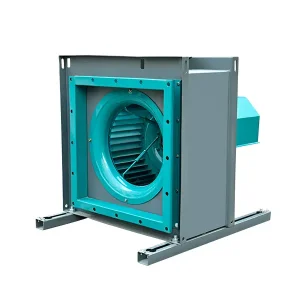
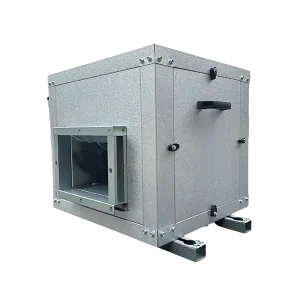
A: Yes, our HCF Kitchen Cabinet Fan series is specifically designed for integrated OEM applications, allowing for seamless installation in modern modular kitchen furniture.
A: Laser cutting allows for +/- 0.05mm precision. This ensures that every part of the fan housing fits perfectly, preventing air leaks that can reduce filtration efficiency in ductless systems.