 Chiye Fan
Industrial Grade Mechanical Fans
High-efficiency axial and centrifugal solutions optimized for high flow rates, structural endurance, and dynamic static pressure balancing.
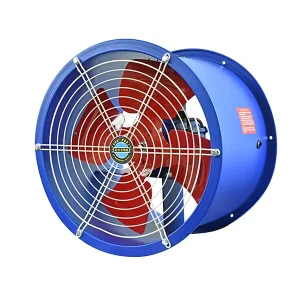
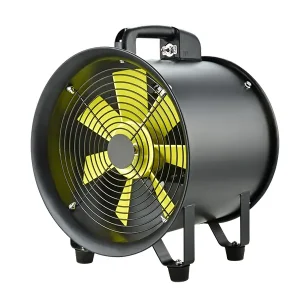
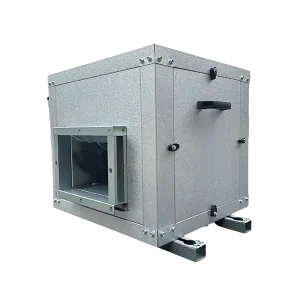
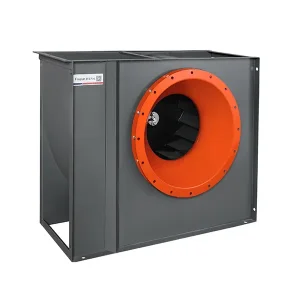
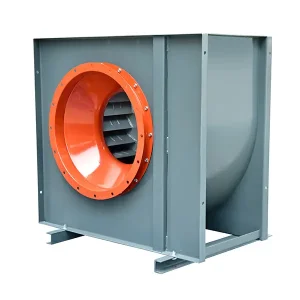
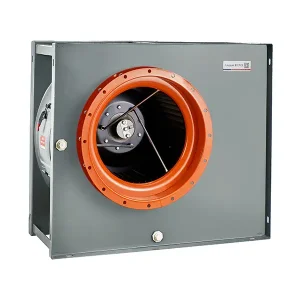
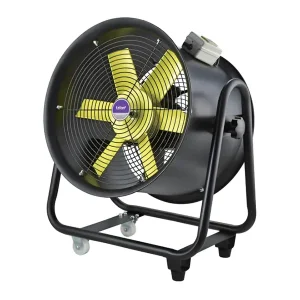
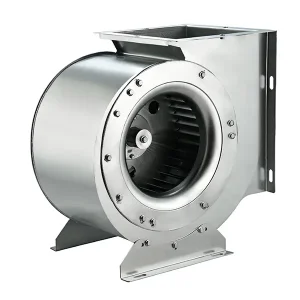
Navigating Global Ventilation Challenges in Modern Commercial Infrastructure
In large industrial plants, commercial kitchens, and manufacturing facilities, maintaining Indoor Air Quality (IAQ) is no longer just a comfort standard—it is a critical regulation compliance issue.
Modern ventilation relies on precise fluid dynamic calculations. High volume flow rates must overcome substantial system resistance caused by duct runs, filters, and terminal units. For system engineers, choosing between axial and centrifugal fans is a calculated trade-off between pressure generation and volume throughput. Commercial exhaust fans are designed to perform reliably under high static pressures, corrosive environments, and extremely high temperatures, ensuring continuous operation under the most demanding conditions.
- Optimized specific fan power (SFP) to meet energy reduction mandates.
- Dynamic impeller balancing (ISO 1940 standard) for vibration-free operations.
- Compliance with stringent noise control and environmental protection regulations.
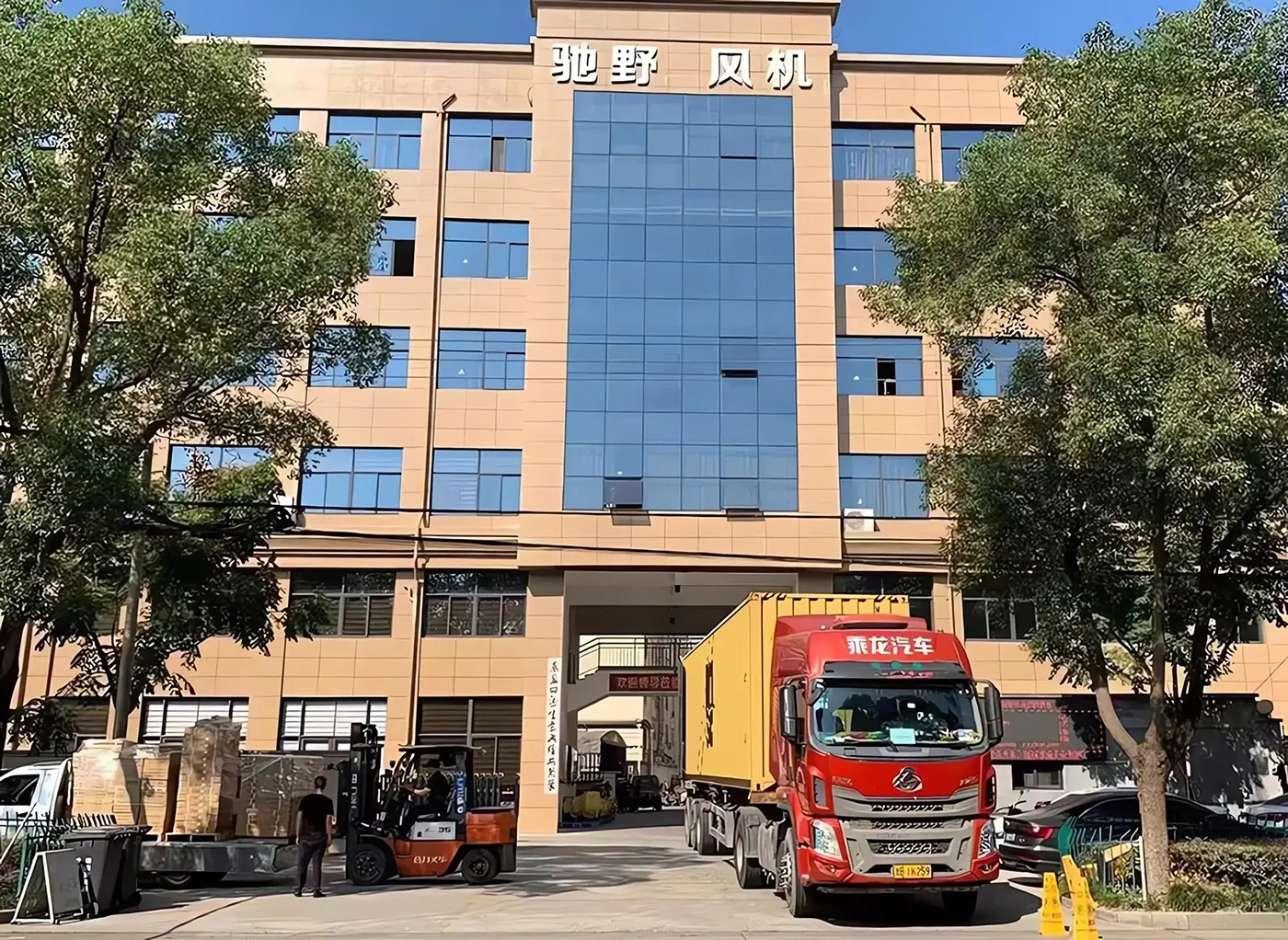
TAIZHOU CHIYE ELECTROMECHANICAL CO., LTD.
Founded in 1995 as the Wenling Zeguo Wanfang Mechanical and Electrical Parts Factory, Chiye has evolved over 29 years into a manufacturing powerhouse in the fan and ventilation industry.
Today, the company operates a state-of-the-art 20,000 square meter plant, housing modern manufacturing equipment and standard warehouses. With a dedicated technology center and specialized wind turbine processing lines, Chiye designs, tests, and manufactures premium fans, industrial ventilation units, and kitchen-specific exhaust solutions. Through strict process control and continuous product innovation, we supply components and full assemblies to leading environmental equipment manufacturers and boiler companies worldwide.
Our ongoing investments in production automation—such as introducing automatic welding robots in 2013 and designing custom CNC spinning systems—ensure our fans maintain tight mechanical tolerances, resulting in lower noise levels, longer lifetimes, and superior energy efficiency.
Decades of Technical Authority
Quantified manufacturing capability and deep engineering expertise serving global industrial sectors.
China Supply Chain Resilience & CNC Efficiency
How digital integration and automated metal processing guarantee precision, rapid delivery, and cost leadership.
CNC Laser & Spinning
Equipped with 4 CNC laser cutting machines and 2 CNC spinning systems, raw sheets are formed with sub-millimeter tolerances to ensure structural integrity and perfect aerodynamic balance.
Automated Robotic Welding
Since 2013, Chiye has integrated automated welding robots. These systems eliminate defects in stress-bearing joints, ensuring long-term reliability even during high-RPM continuous duty cycles.
Dynamic Balancers
Using 6 computerized digital balancing systems, every impeller is meticulously checked to reduce mechanical vibrations, protecting bearings and reducing operational noise.
Precision Metalwork & Assembly Machinery
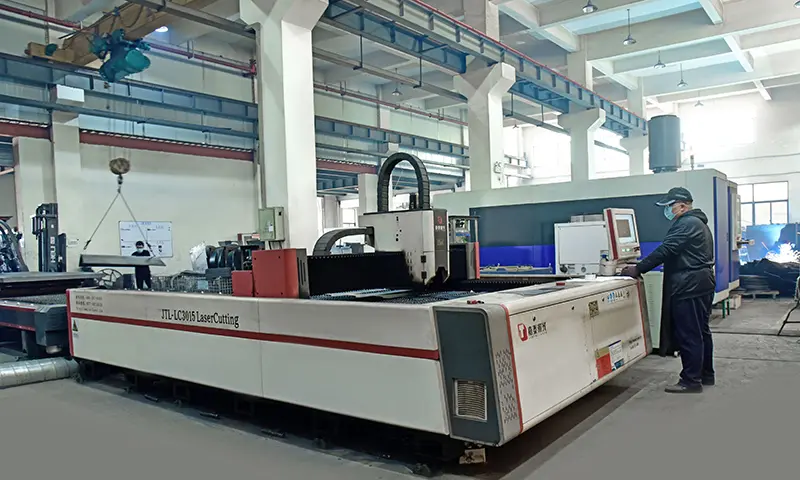
Laser Cutting Center
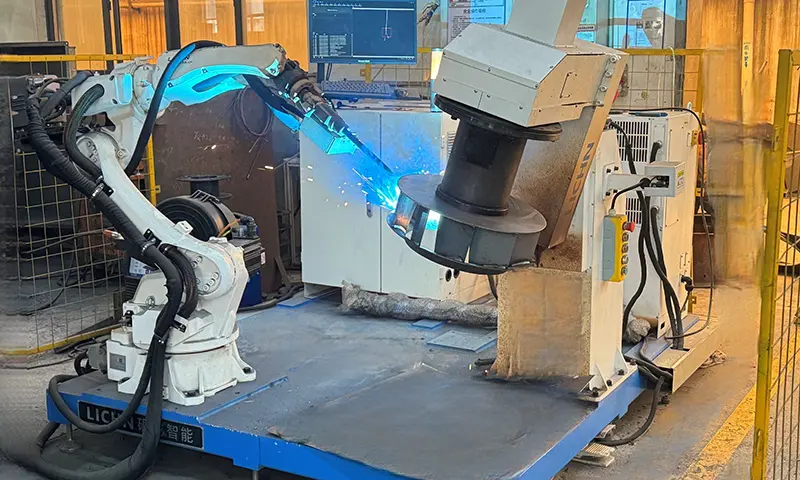
Welding Robots
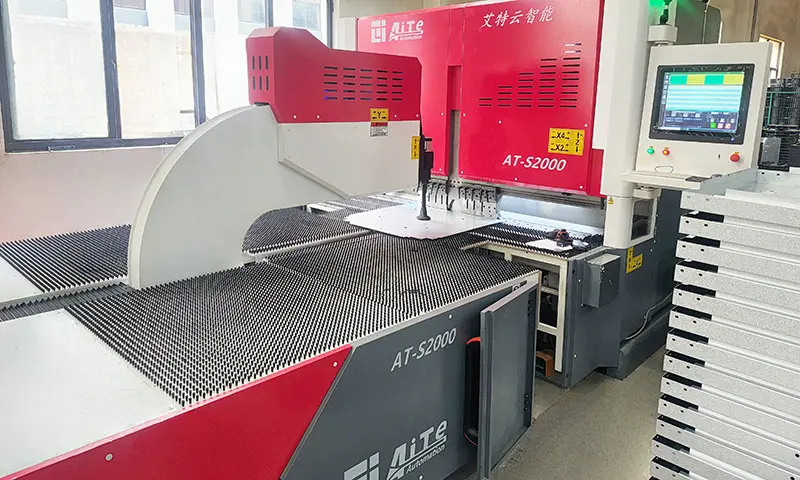
Automatic Bending Machinery
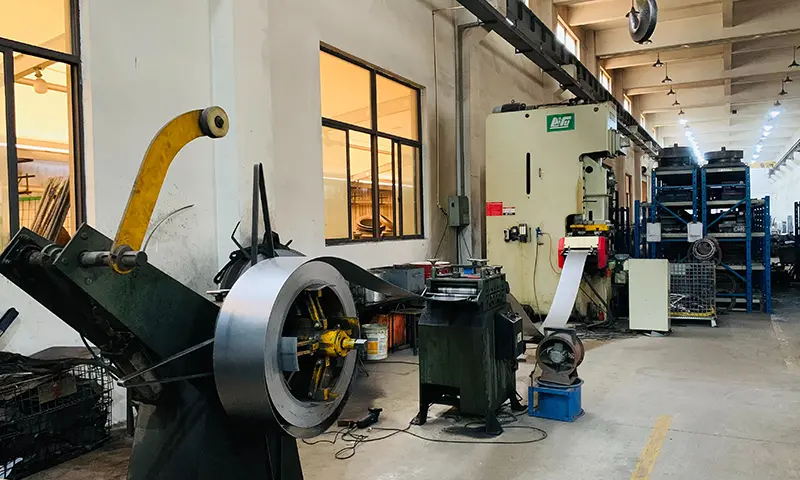
Heavy Duty Coilers
Proven Performance in Key Commercial Spaces
From removing high-temperature grease to ventilating confined spaces, here is how our industrial fans meet demanding real-world conditions.
01. Kitchen Extractors & Grease Control
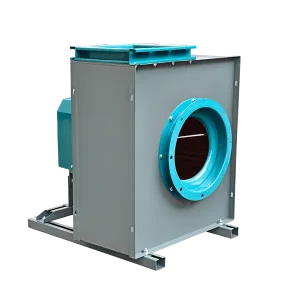
Commercial kitchens produce hot air laden with grease, humidity, and combustion byproducts. Standard fans quickly clog, leading to motor failure and fire hazards. The I3-48 and DFA Centrifugal Fans are designed with backward-curved, non-overloading impellers that resist grease buildup. Constructed from heavy-gauge steel and optioned with clean-out doors and drainage ports, these units ensure reliable operation in high-grease environments.
- Easy-to-clean impeller configurations that reduce down-time.
- Out-of-airstream motors that stay protected from heat and grease.
- High static pressure output to overcome long grease duct filters.
02. High-Temperature Fire & Emergency Smoke Control
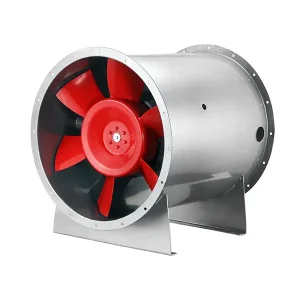
In emergencies, life safety depends on keeping emergency pathways clear of smoke. The HTF Fire Protection Fan Series is certified to withstand temperatures up to 280°C for over 30 minutes. Installed in underground parking lots, shopping malls, and industrial complexes, these dual-purpose fans provide regular ventilation day-to-day and switch to emergency smoke extraction when triggered by fire alarms.
- Tested under high-thermal stress to meet global fire safety codes.
- Robust housings that resist thermal distortion.
- Direct or belt-drive options tailored to local building regulations.
The Future of Industrial Ventilation
Developing next-generation ventilation technology with a focus on smart control, materials science, and energy efficiency.
1. Smart EC Motor Technology
We are transitioning our core product lines toward Electronically Commutated (EC) motors. EC technology delivers up to 30% greater efficiency than traditional AC motors, allowing for smooth speed control and simple integration with modern Building Management Systems (BMS).
2. Aerospace-Grade Blade Aerodynamics
Using Computational Fluid Dynamics (CFD) simulation tools, our research team designs blade profiles that minimize turbulence. The result is increased airflow capacity, lower noise levels, and reduced wear on internal drive components.
3. Sustainable & Corrosive Resistant Materials
For specialized chemical processing facilities and marine environments, we have expanded our line of 304 and 316 stainless steel fans. These products are built to resist corrosive vapors, extending service life and lowering long-term maintenance costs.
A Reliable Partner for Global Distributors & OEMs
Serving businesses worldwide through reliable quality assurance, professional technical documentation, and international export expertise.
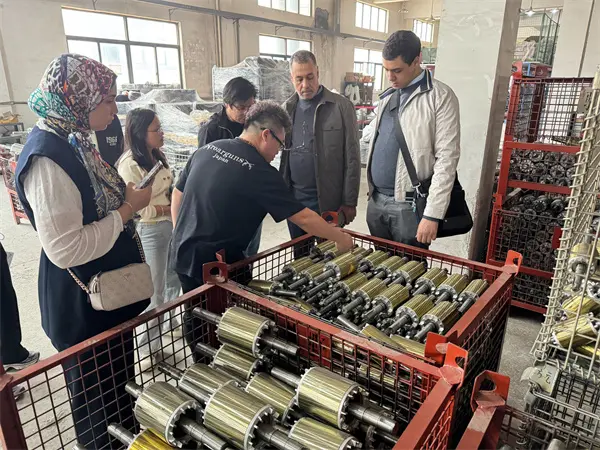
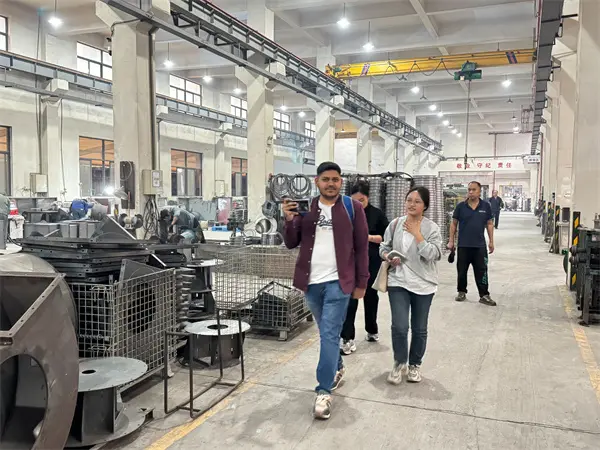
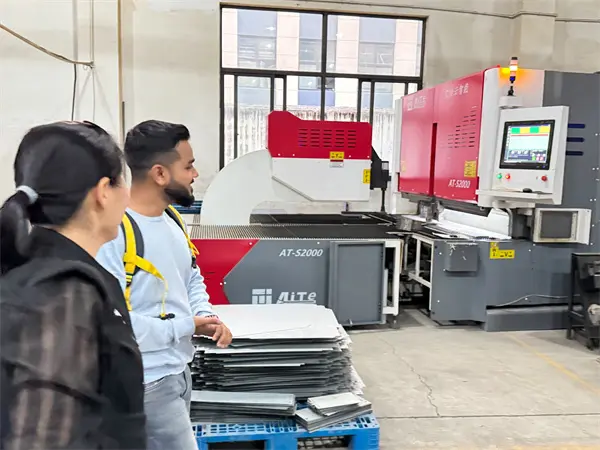
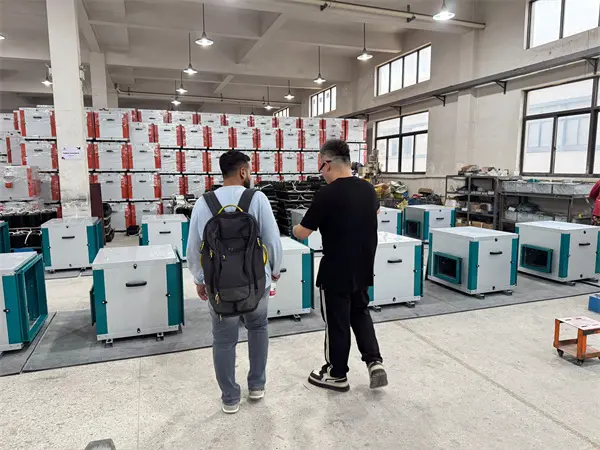
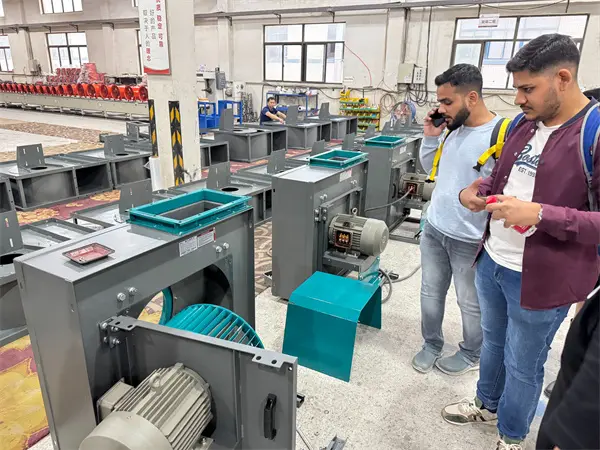
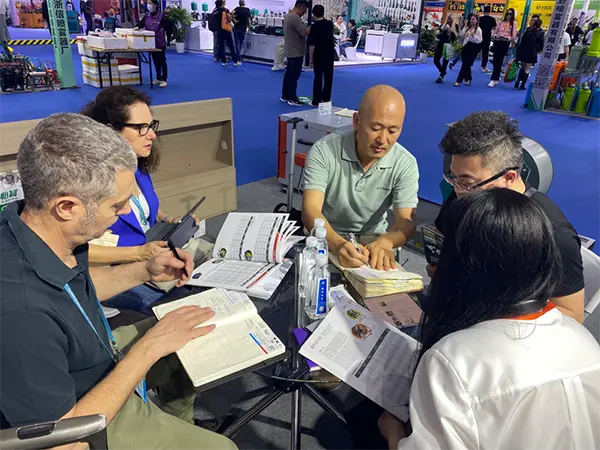
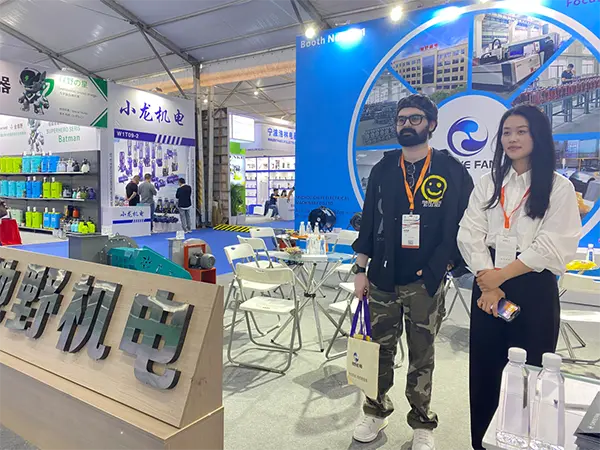
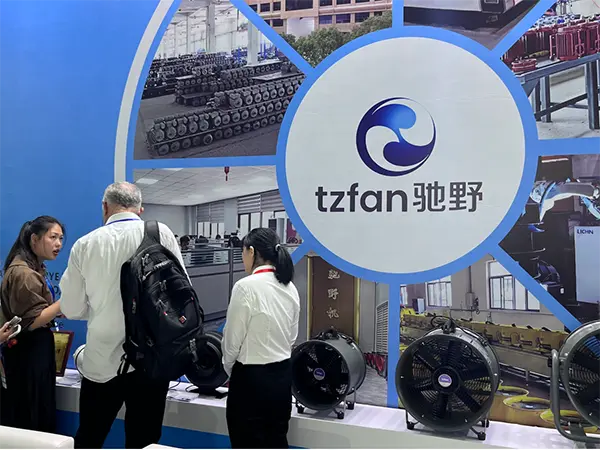
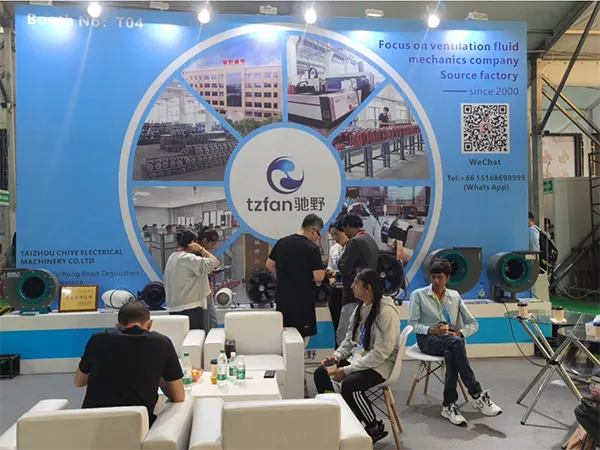
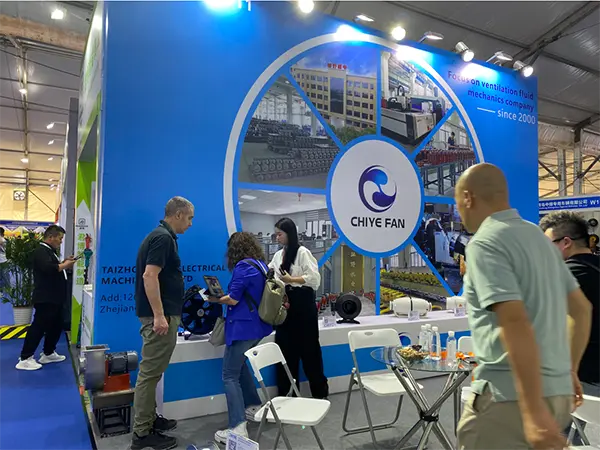
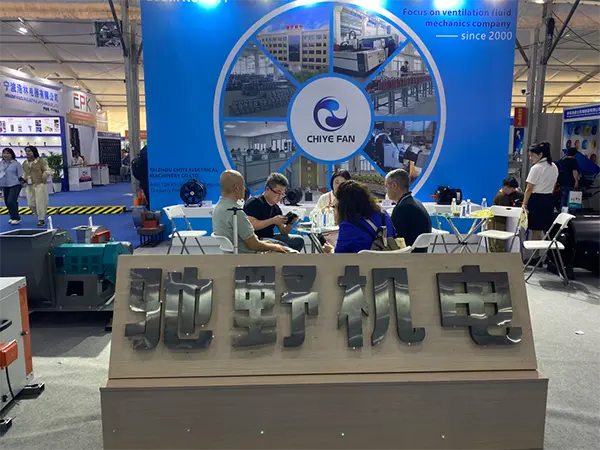
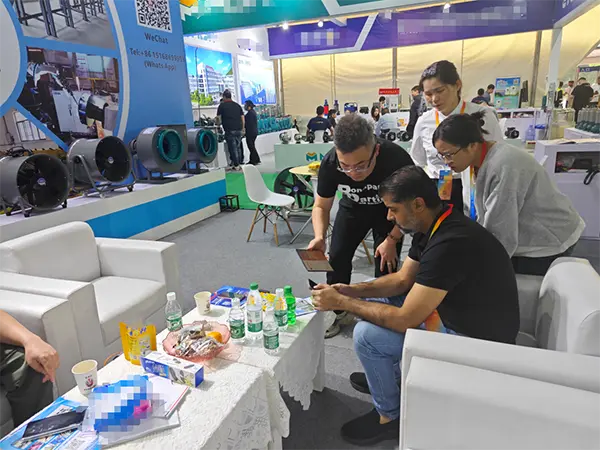
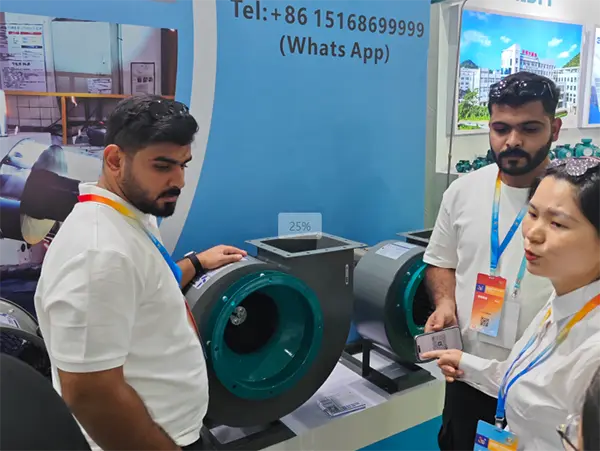
Global Visitor Exchanges & Technical Inspections
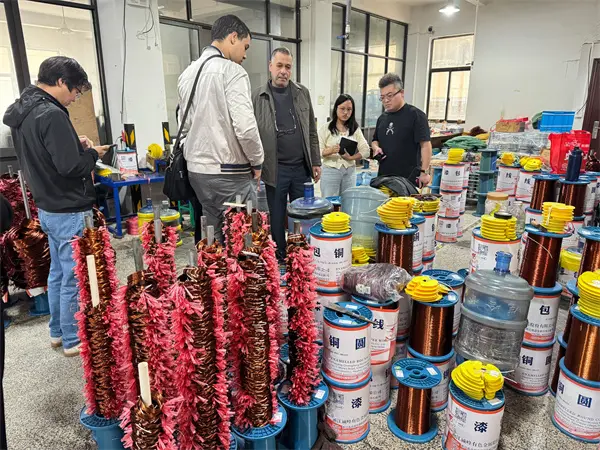
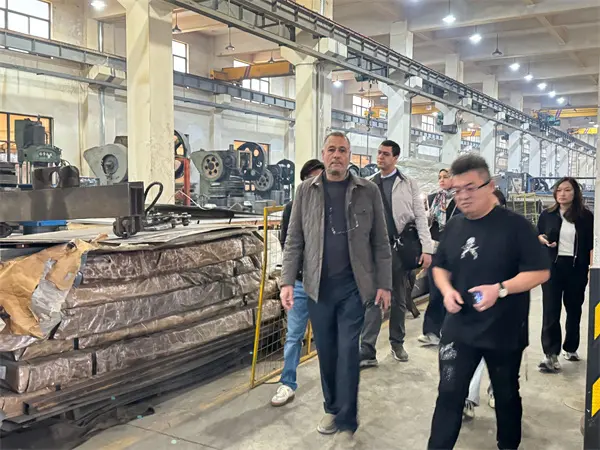
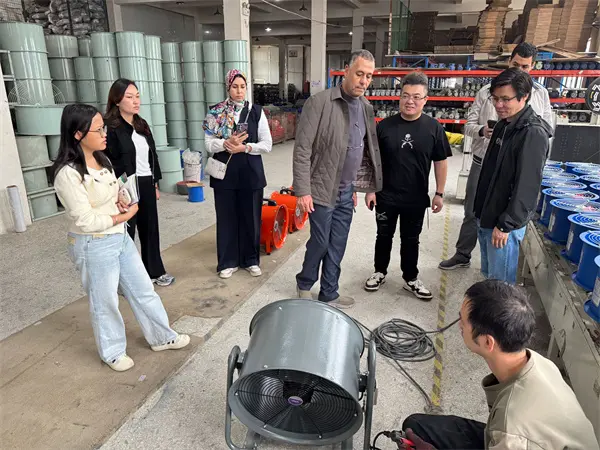
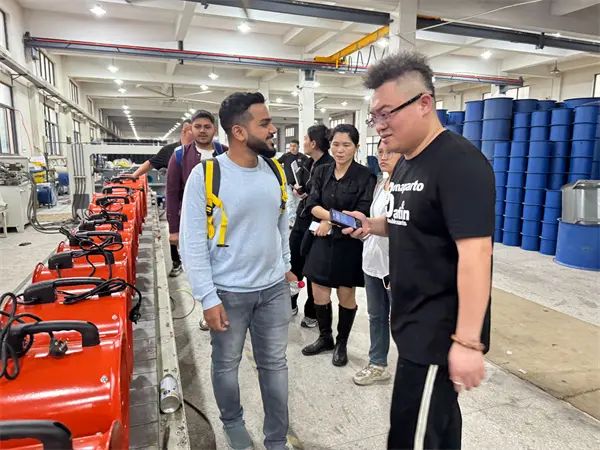
Exhibitions & Commercial Negotiations
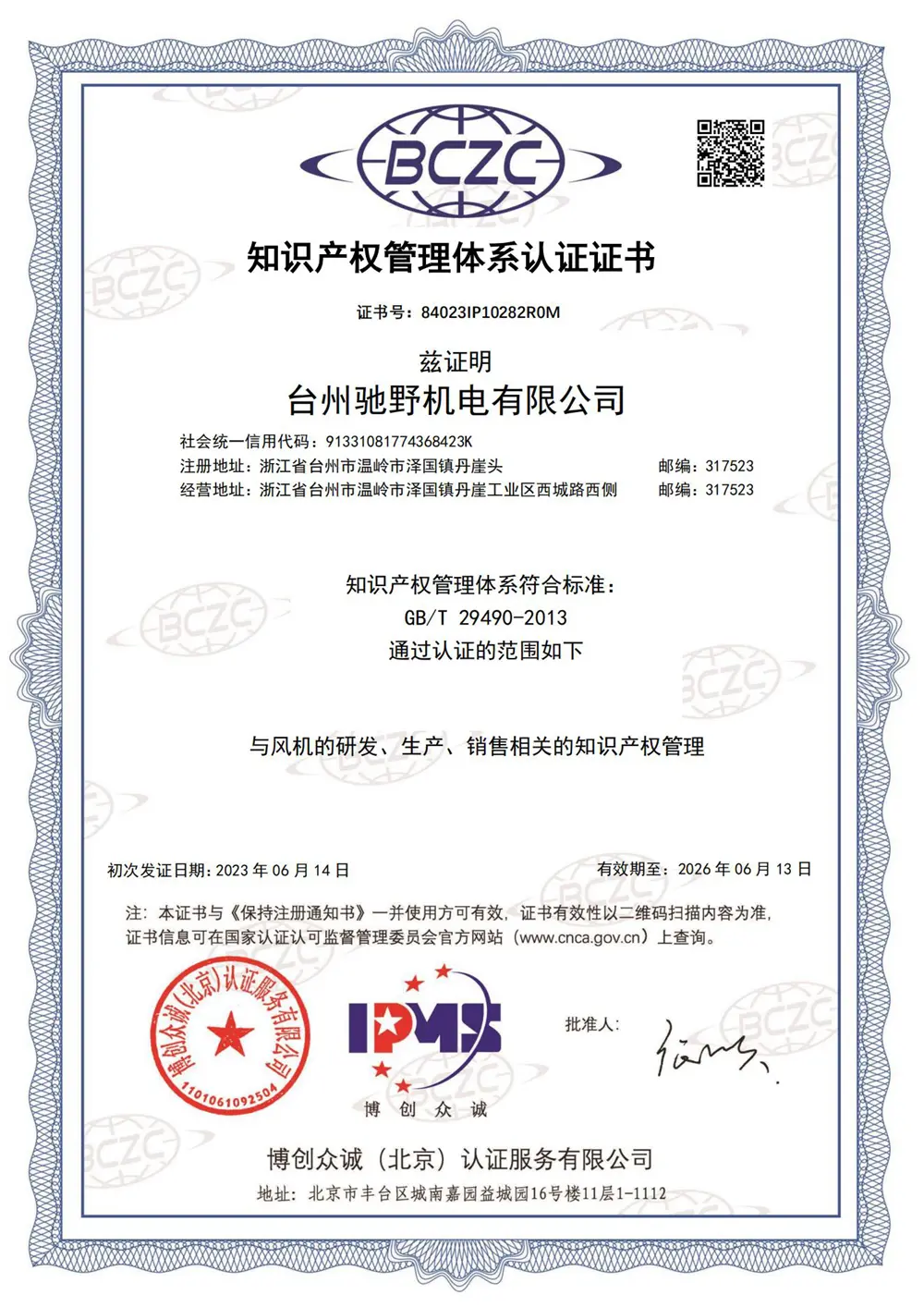
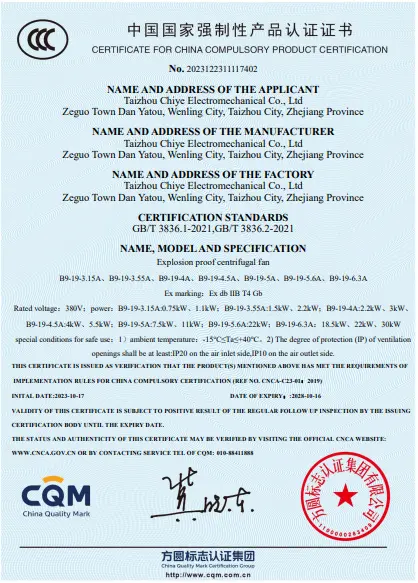
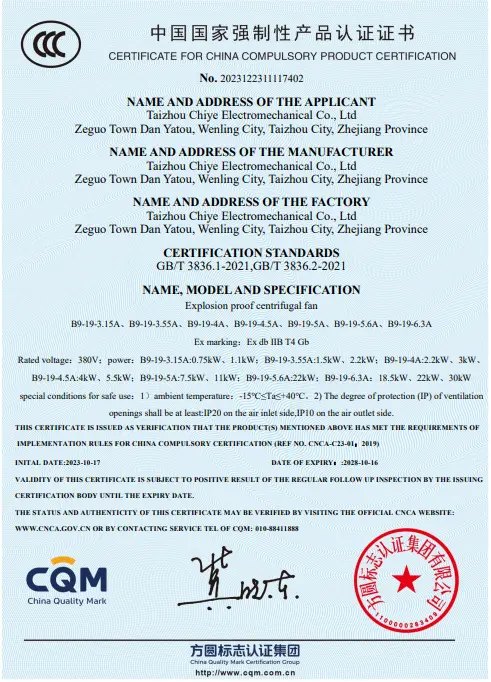
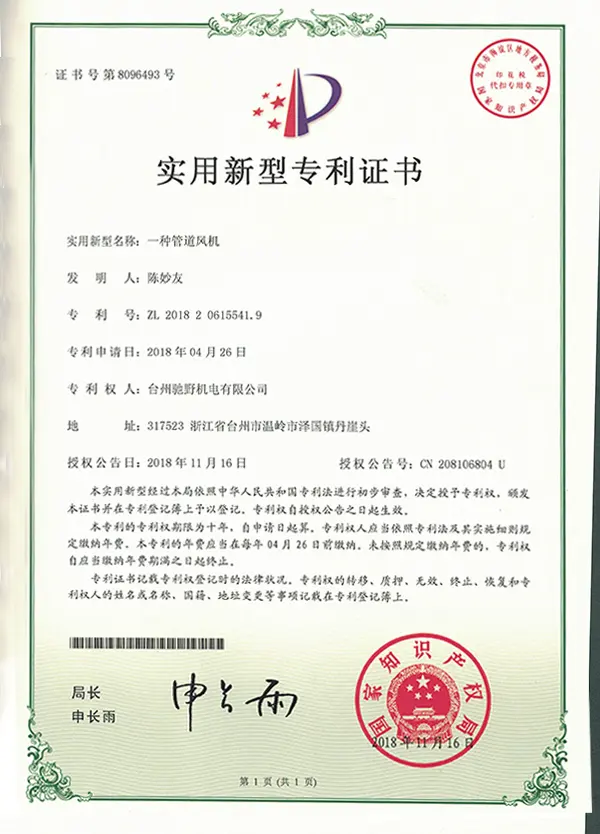
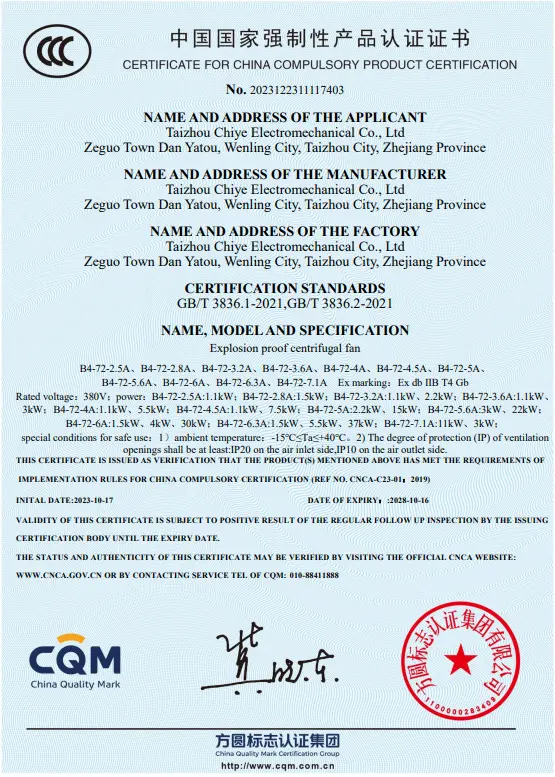
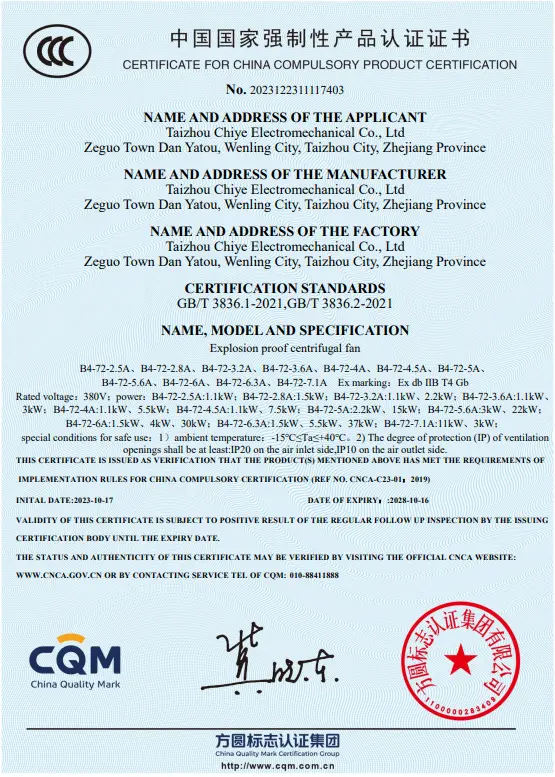
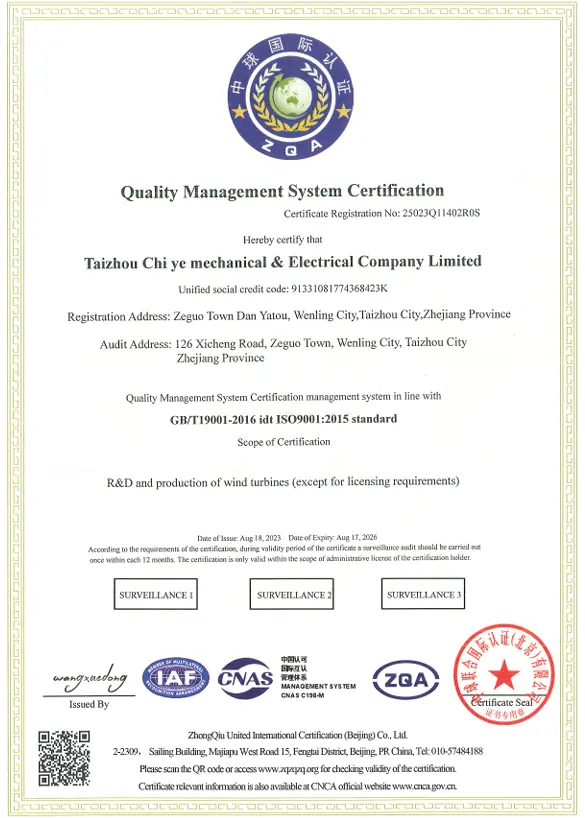
Verified Certifications
Our manufacturing processes and finished products comply with major global safety and quality assurance standards.
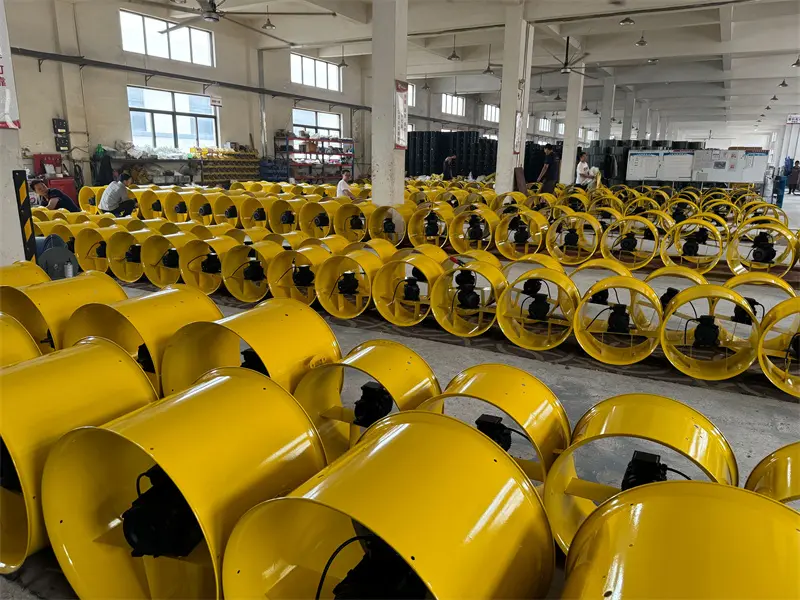
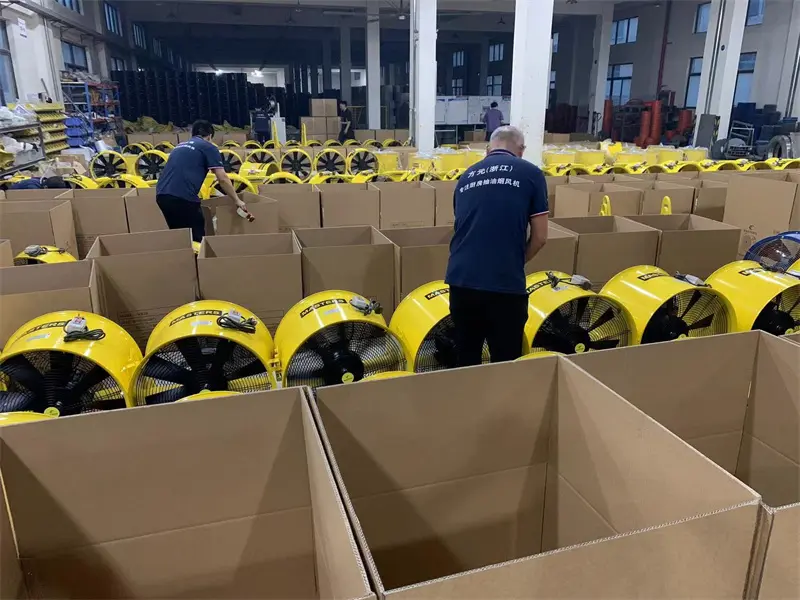
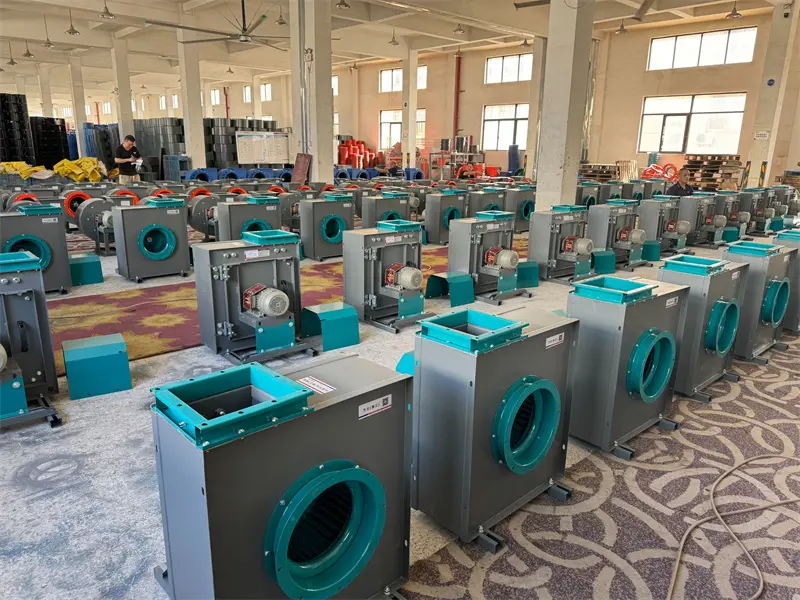
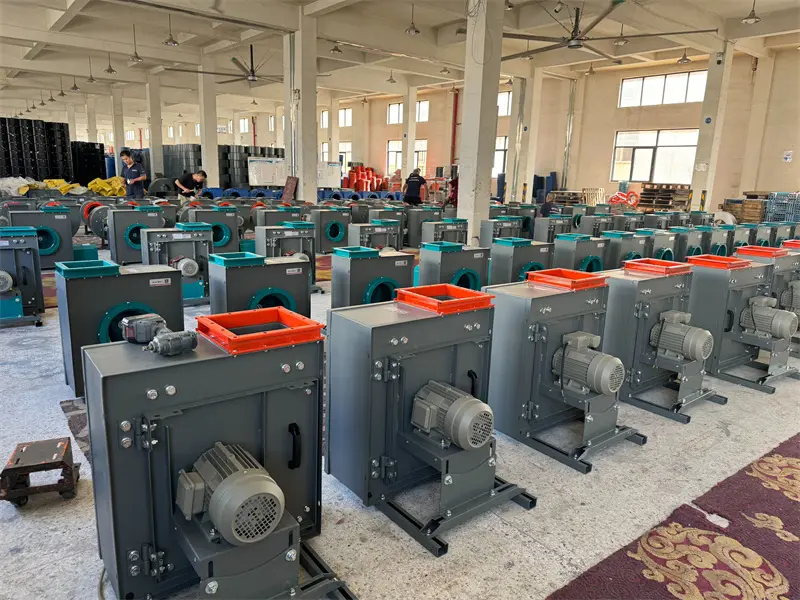
Industrial & Mechanical Installations
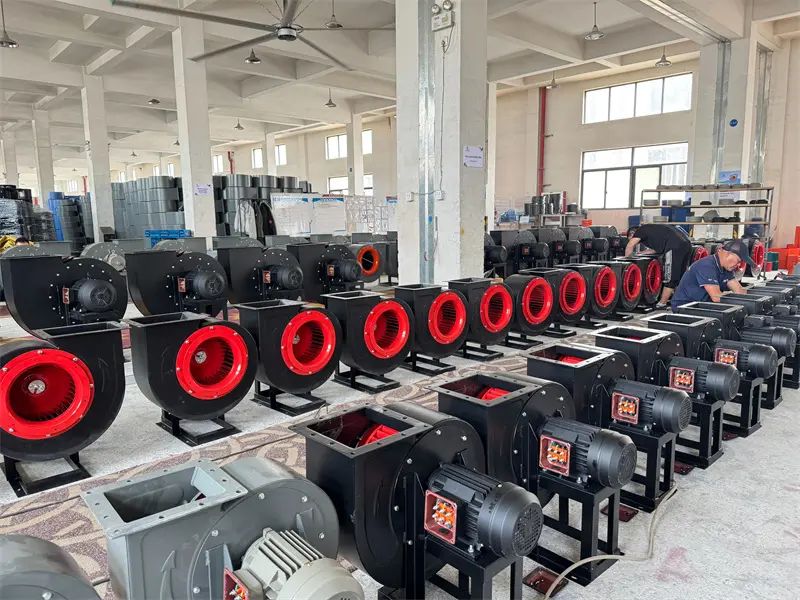
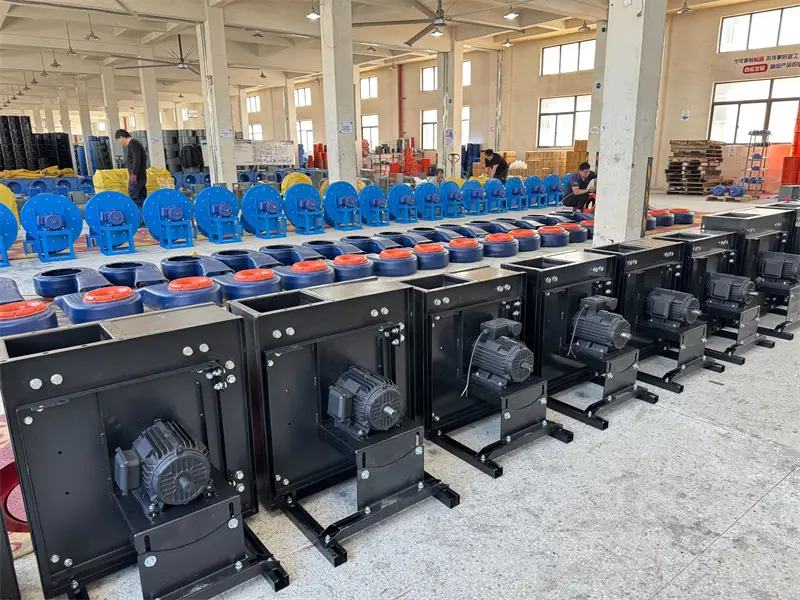
Photos of our fans installed on-site, demonstrating their performance in real-world ventilation and ducting setups.
Industrial Ventilation FAQ
Answers to common engineering questions regarding the selection, installation, and maintenance of commercial exhaust fans.
Formula: CFM = (Volume × ACH) / 60.
For example, commercial kitchens typically require a high ACH (between 15 and 30), whereas storage warehouses may only require 4 to 10 ACH.
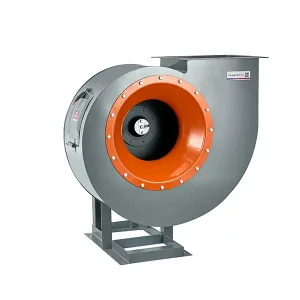
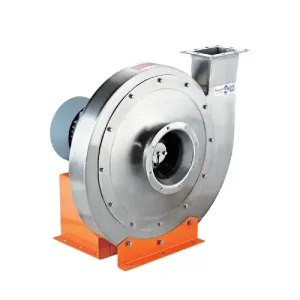
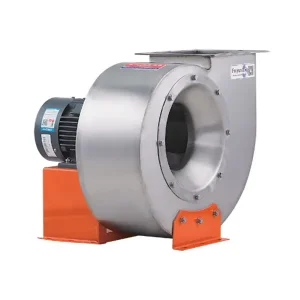
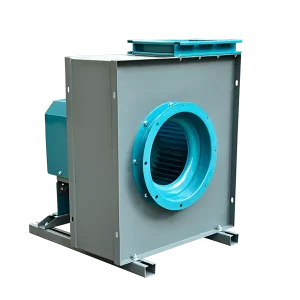
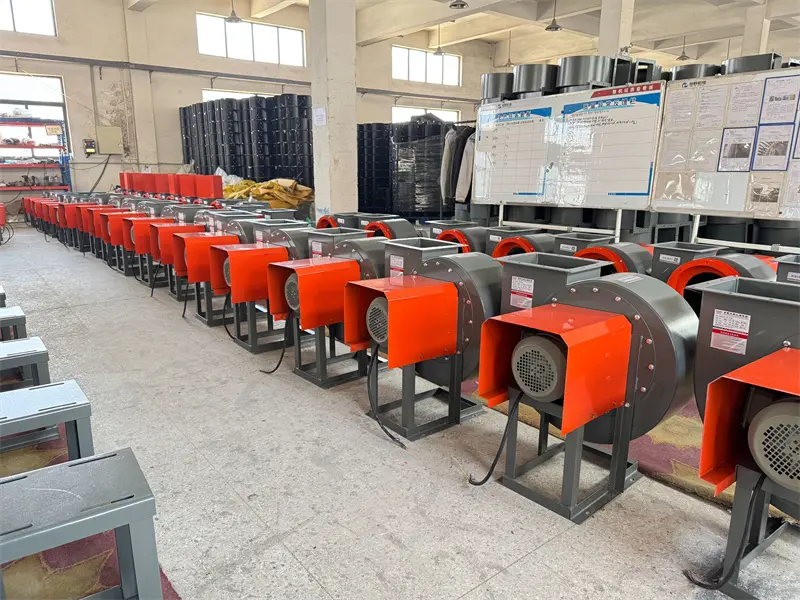
Centrifugal fans draw air in and push it out at a 90-degree angle, using centrifugal force to build pressure. They are best suited for ducted systems, filtration setups, and high-resistance environments like grease extractors.
High-Pressure & Special-Purpose Exhaust Fans
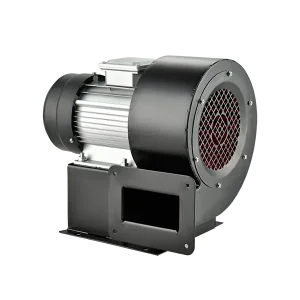
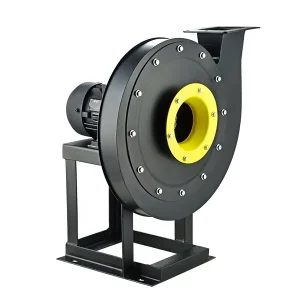
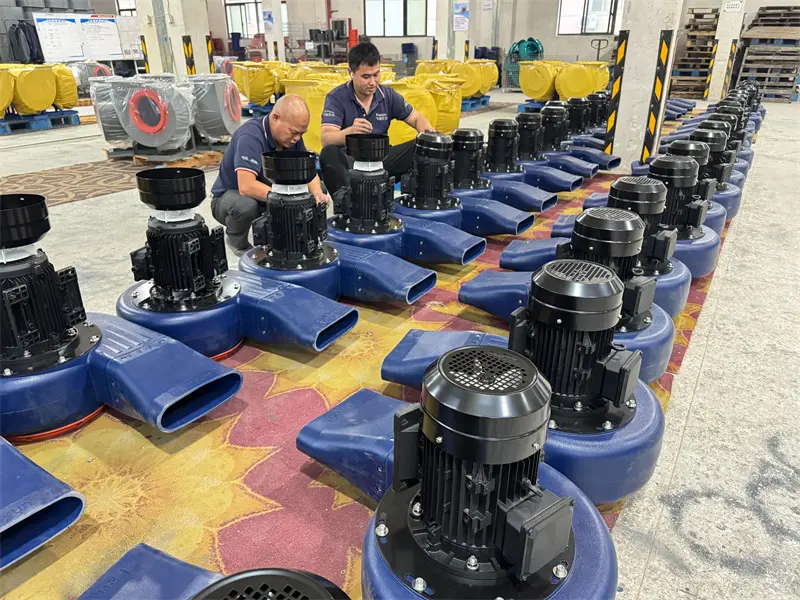
Premium centrifugal, multi-wing, and high-pressure configurations built for industrial extraction, boilers, and commercial kitchen setups.