 Chiye Fan
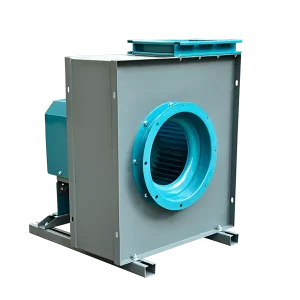
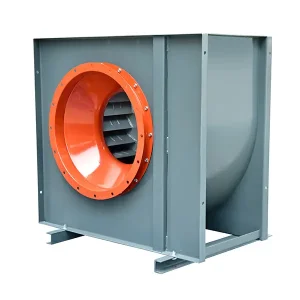
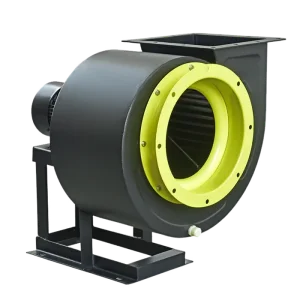
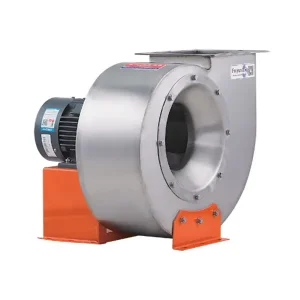
Featured Range Exhaust & Kitchen Centrifugal Ventilation
High Static Pressure Performance & Grease Extraction Mastery
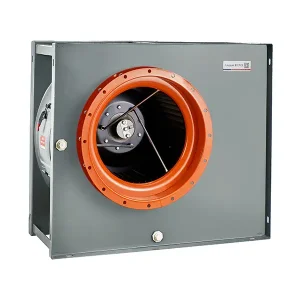
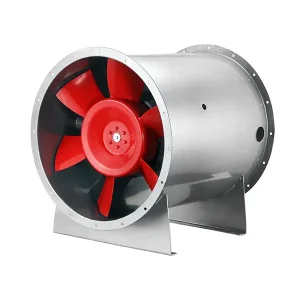
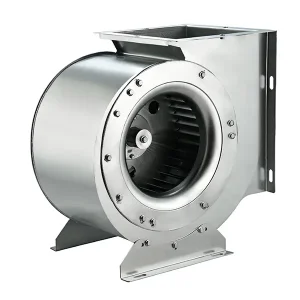
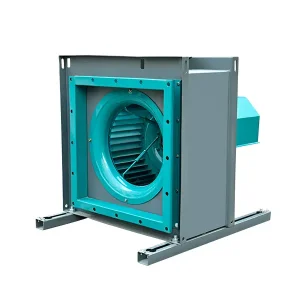
Global Trends in Range Exhaust Hoods & Heavy-Duty Commercial Ventilation
In the modern commercial kitchen and industrial food processing segments, range exhaust hoods have transitioned from simple air displacement units to highly complex aerodynamic assemblies. Driven by stringent international safety standardizations (such as UL 762 and NFPA 96), global procurement teams are shifting focus toward units that deliver intelligent air regulation, dynamic smoke/oil separation, and unparalleled acoustics.
Digitalization and IoT integration are spearheading the industry. Variable Frequency Drives (VFDs) linked directly to particulate and thermal optical sensors allow modern commercial hoods to alter impeller velocities automatically based on real-time cooking loads. This demand-controlled kitchen ventilation (DCKV) can slash commercial kitchen heating and cooling operational energy usage by up to 60%.
Key Insights for Global Buyers:
"The integration of multi-stage grease filtration technology inside exhaust assemblies dramatically minimizes dynamic fat buildup in external ductwork, lowering fire hazards and decreasing cleaning cycles from months to once per calendar year."
— HVAC Engineering Whitepaper, Taizhou Chiye Research Division
Furthermore, acoustic optimization has emerged as a fundamental standard. Low-noise forward-curved and backward-inclined centrifugal multi-wing fan systems, engineered using Computational Fluid Dynamics (CFD), have largely replaced noisy axial counterparts. The optimization of airflow entry paths ensures that high-velocity extraction does not lead to heavy aerodynamic turbulence, keeping structural sound emissions below 65 dBA at maximum extraction rates.
Decoding Global B2B Procurement Demands for Commercial Kitchen Exhaust Fans
Enterprise buyers (HORECA procurement departments, mechanical engineering firms, and industrial kitchen distribution agencies) are prioritizing robust material integrity and custom duty point calculations. Range exhaust applications represent extremely hostile environments, requiring dynamic resilience to high humidity, aerosolized oils, and highly elevated temperatures.
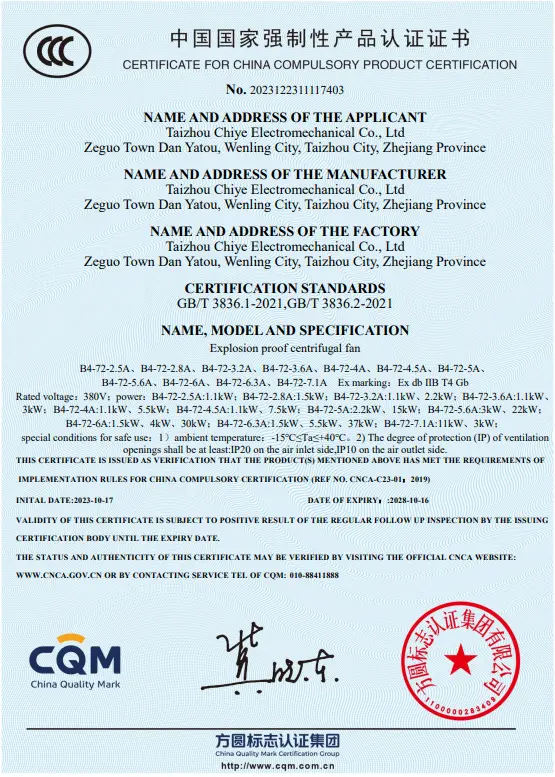
Among critical technical requirements, the choice of raw materials stands paramount. High-grade 304 and 316 stainless steel alloys are non-negotiable for configurations subjected to high corrosion risks or aggressive chemical sanitization. Concurrently, explosion-proof motors certified to ATEX or Class I Div I specifications are increasingly mandated for industrial extractors processing high-temperature volatile organic compounds (VOCs).
Static Pressure & Airflow Balancing (CFM): Exhaust hood installations utilize extensive complex duct paths containing structural elbows, fire dampers, and multiple grease traps. These obstacles produce significant static pressure resistance. A typical commercial range system might require a centrifugal exhaust fan capable of outputting 3,500 CFM at 2.5 inches of water gauge (WG) static pressure.
Modern mechanical design demands that manufacturers supply comprehensive fan performance curves mapped in accordance with AMCA Standard 210. This transparency guarantees that developers can cross-reference motor efficiency, structural torque limits, and power-to-flow ratios (kW per m³/s) to meet green building certifications (such as LEED v4 and BREEAM).
China Factory 4.0: Supply Chain Resilience & Efficiency Advantages
How Taizhou Chiye Integrates Smart Automation with 29 Years of Experience
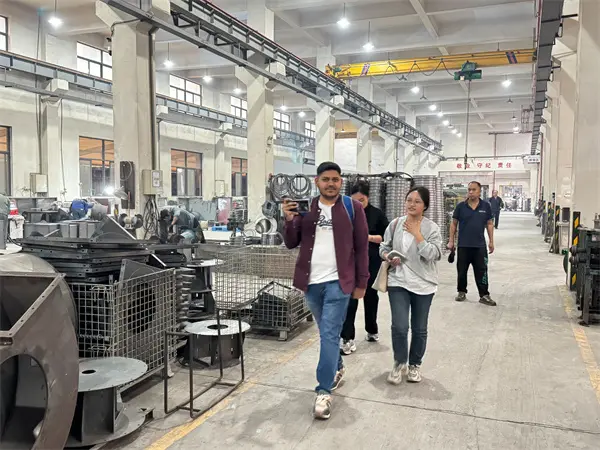
As a pioneer in industrial ventilation and dynamic impeller production founded in 1995 (originally known as Wenling Zeguo Wanfang Mechanical and Electrical Parts Factory), Taizhou Chiye Electromechanical Co., Ltd. represents the epitome of China’s Factory 4.0 manufacturing migration. Operating within our state-of-the-art 20,000 square meter plant, we have built a vertically integrated production infrastructure.
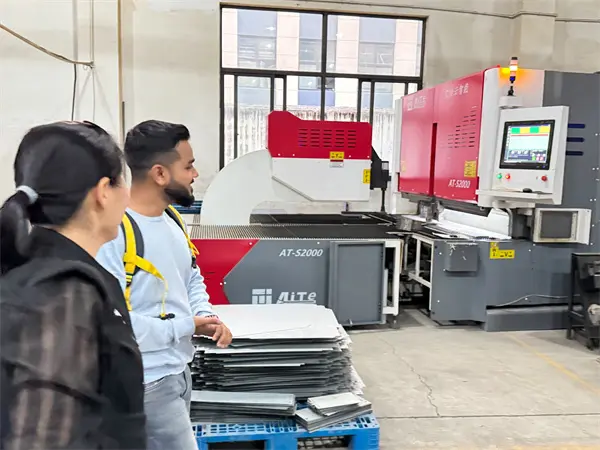
By investing in high-precision technologies—including 4 CNC laser cutting machines, 2 CNC spinning units, automated bending and shearing complexes, and robotic welding stations—we ensure that every fan casing and multi-wing impeller meets strict dimensional tolerances down to ±0.05mm.
This high-tech tooling prevents micro-structural imbalances that lead to mechanical vibration and eventual bearing failures in centrifugal exhaust hoods.
Our supply chain resilience is anchored in Taizhou's industrial motor cluster, enabling us to source premium structural alloys, raw copper windings, precision bearings, and custom controllers with zero logistical lag. This localized integration translates directly into dynamic pricing efficiency and accelerated lead times for high-volume OEM/ODM projects worldwide.
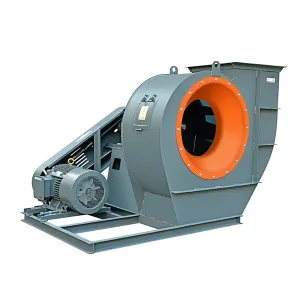
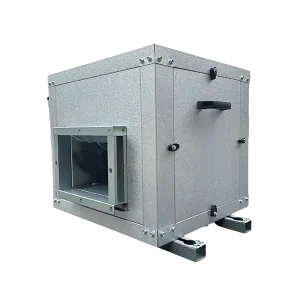
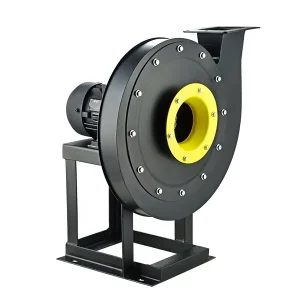
Every product—from the compact OEM HCF Kitchen Cabinet Fan to heavy-duty 9-19A High Pressure Centrifugal systems—undergoes dynamic balancing via our computerized dynamic balancing installations. This ensures all components conform to the stringent ISO 1940 standard for balancing grade G2.5, reducing noise and extending bearing life.
Localized Application Scenarios: High-Performance Environments
Engineered for Safety, Compliance, and Longevity Across Diverse Global Industries
Commercial & Hotel Kitchens
High-volume extraction for high-intensity commercial ranges. Designed to mitigate dense grease aerosols, heavy steam, and heat, ensuring a safe kitchen working environment.
Industrial Oil Fume Filtration
Ideal for food processing plants and commercial bakeries where continuous oil extraction and grease separation (using our specialized CY-16 centrifuge) is necessary.
High-Temperature Smoke Extraction
Dual-purpose emergency fire protection and daily exhaust systems. Designed to operate safely under extreme thermal environments using our custom HTF fan lines.
Our Operational Philosophy & Commitments
The Foundation of our Authority, Professionalism, and Reliability
Innovation Leadership
Continuous investment in CFD software simulations, automated CNC technology, and custom mechanical layouts to drive ventilation efficiency forward.
Quality First
Zero-defect principles enforced from incoming inspection of pure copper wire coils to multi-axis automated dynamic balancing for quiet operation.
Customer First
Providing global mechanical layout consultations, precise static pressure matching, and custom sheet metal engineering for specialized installations.
Integrity-Based
Uncompromising compliance with structural design codes, standard motor safety ratings, and raw chemical component safety standards across international trade lines.
Green Development
Engineering aerodynamic air foil designs that increase motor efficiency and decrease power draw, supporting the optimization of global energy structures.
Advanced Manufacturing Equipment Showcase
Uncompromising Precision for Long-Term Structural Reliability
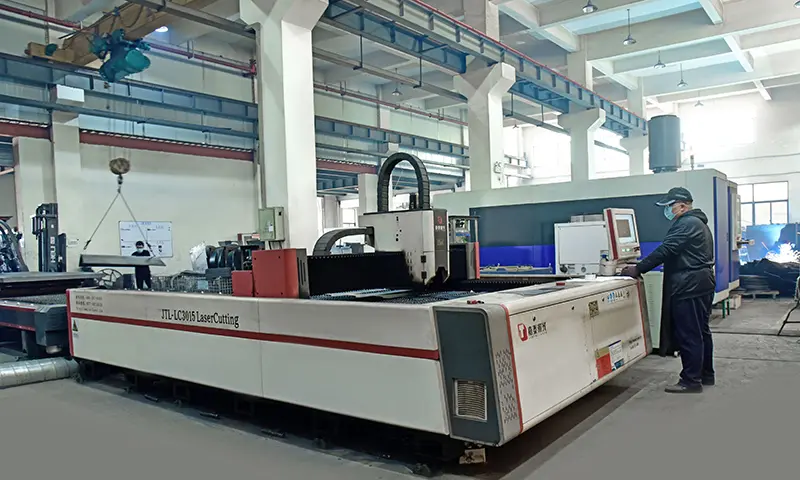
CNC Laser Cutting
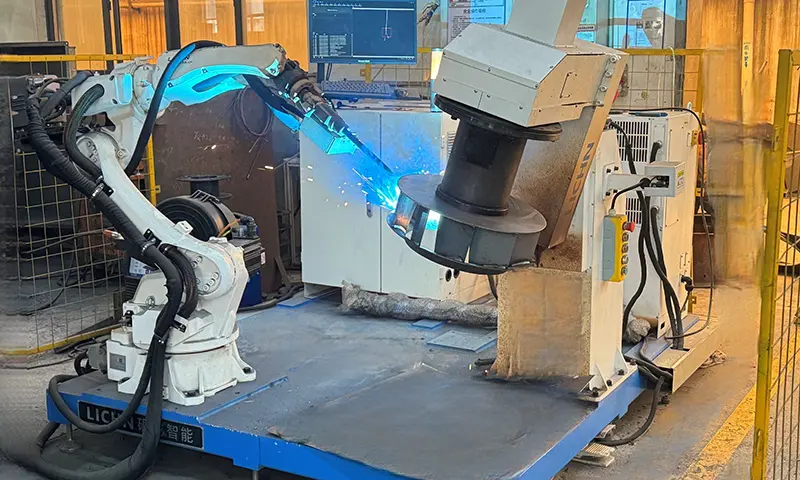
Autonomous Welding
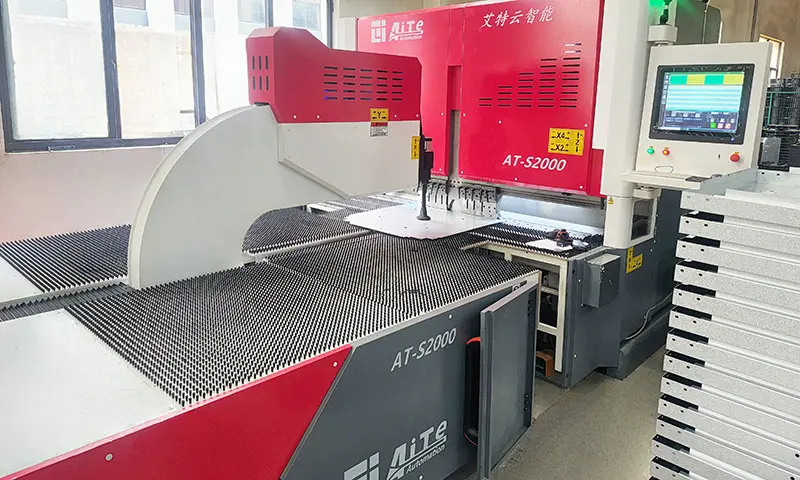
Automatic Bending
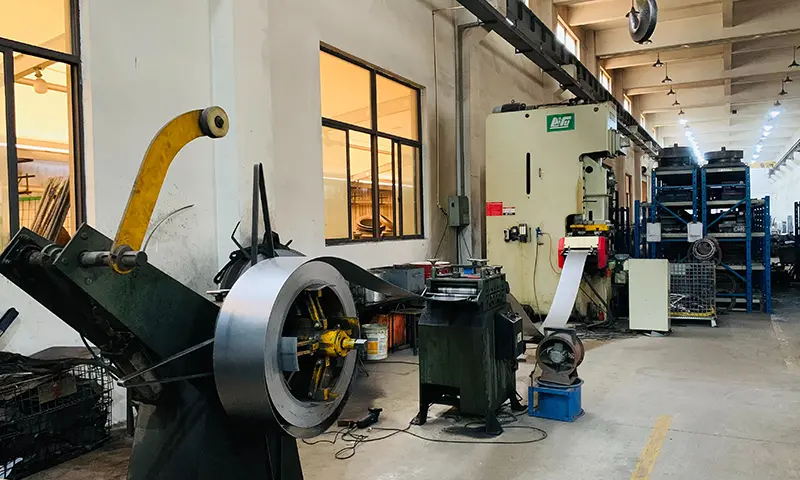
High-Speed Coiler
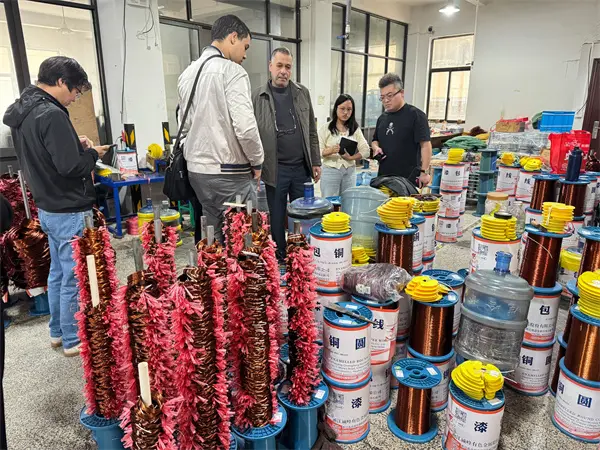
Customer Visits & International Cooperation
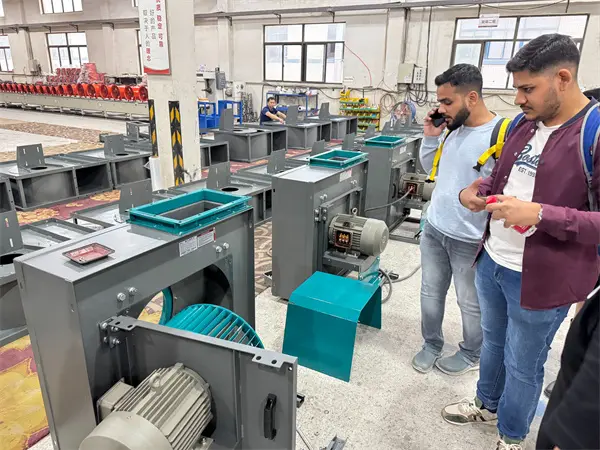
Range Ventilation & Extraction Technical Q&A
Expert Guidance on Commercial Exhaust Engineering & System Integration
How do you calculate the required CFM for commercial kitchen range hoods?
The required airflow (CFM) is determined based on the thermal cooking output and physical perimeter of the hood. Under standard ASHRAE guidelines, commercial kitchen hoods require approximately 150 to 400 CFM per linear foot of hood edge, depending on whether the cooking equipment is light-duty (ovens) or heavy-duty (solid-fuel charbroilers).
What role does the CY-16 specialized centrifuge play in oil fume purification?
The CY-16 specialized centrifuge utilizes high-velocity rotational forces to mechanically separate microscopic grease particles and aerosolized oil droplets from the air stream before it enters the main ductwork. This dynamic centrifugal extraction achieves a filtration rate of over 90% without causing significant static pressure drops.
Why are centrifugal fans preferred over axial fans for long-duct range exhaust hoods?
Axial fans are highly efficient for moving large volumes of air under low static pressure conditions. However, multi-wing centrifugal fans (like our 11-62 and DFA series) generate substantial static pressure. This is essential to overcome the high drag caused by carbon filter banks, long horizontal duct paths, and multiple exhaust elbows.
Can the HTF fire protection exhaust fan series be utilized for daily ventilation?
Yes, our HTF (High-Temperature Fire Smoke Exhaust) line is dual-purpose. It runs at standard low speeds for daily commercial kitchen ventilation, but automatically switches to high-speed smoke extraction under thermal emergencies. These units are built to withstand high exhaust temperatures of up to 280°C for over 30 minutes.
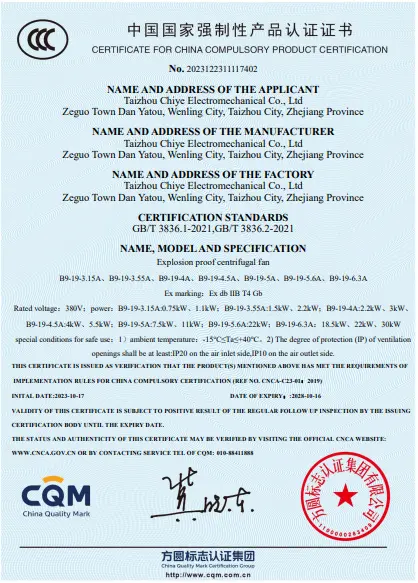
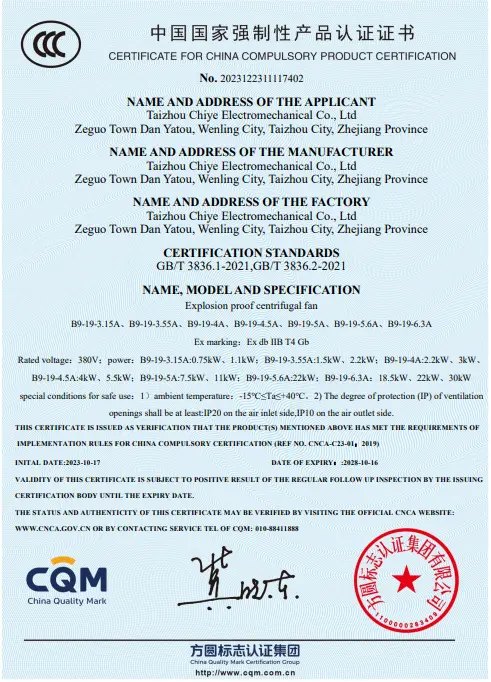
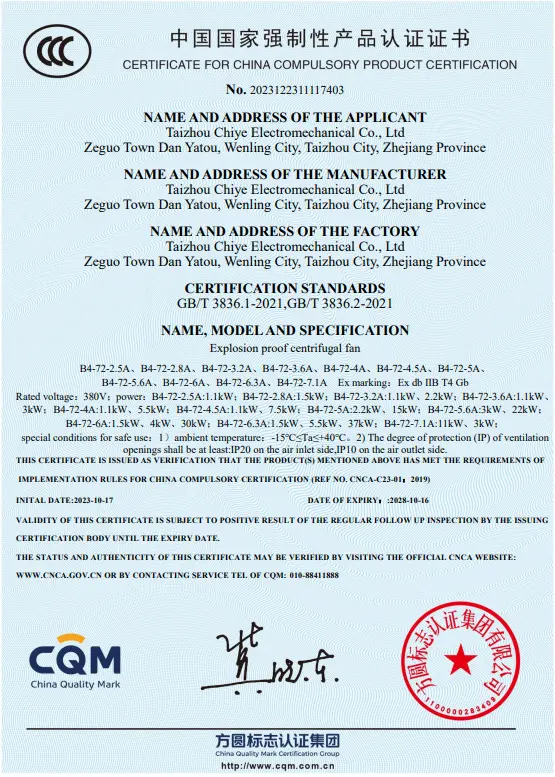
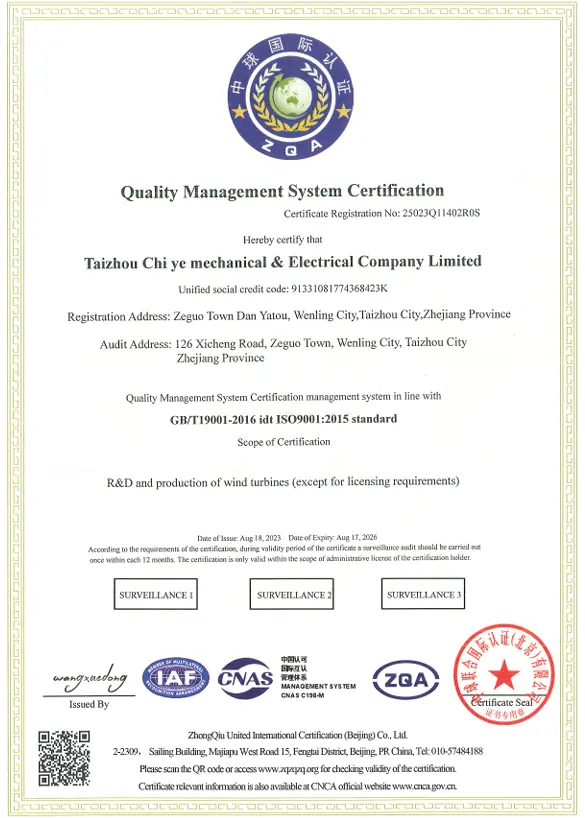
International Standards & Certifications
Our Quality Assurance Validated by Global Inspection Bodies
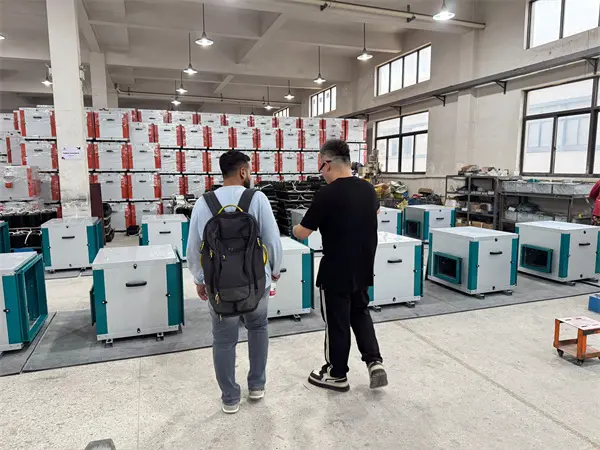
Factory Dynamic Workshop & Complete Assembly
Precision Sheet Metal Formwork and Dynamic Balancing Controls
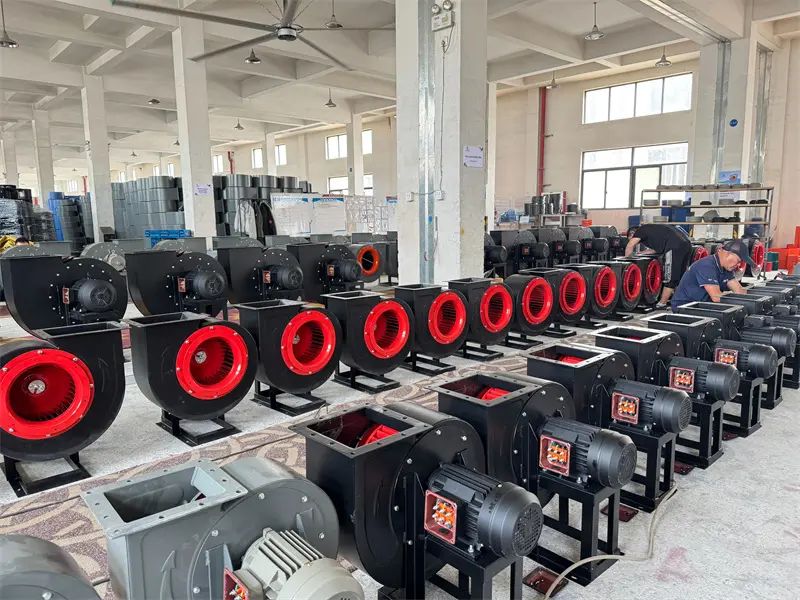
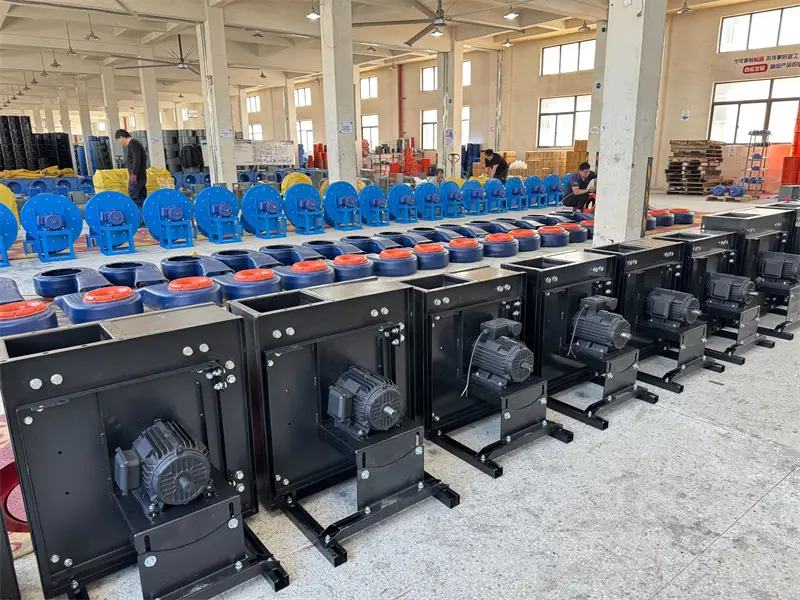
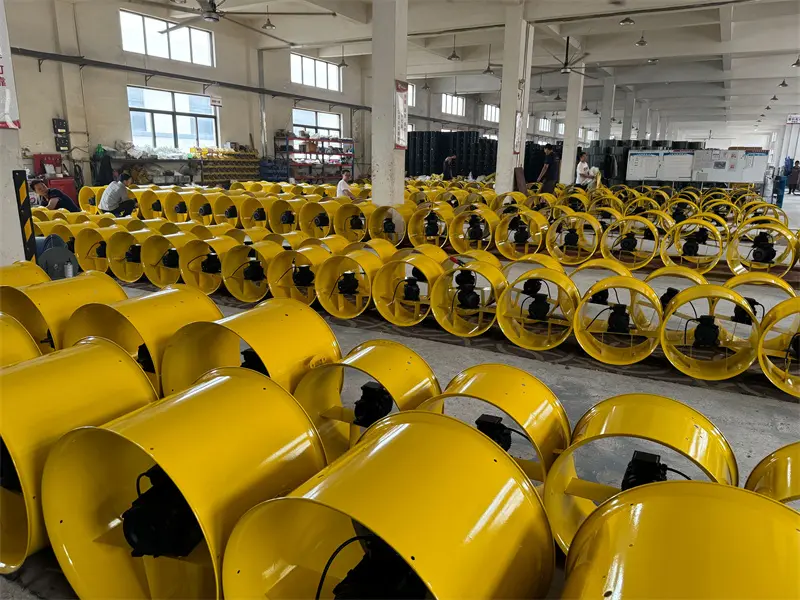
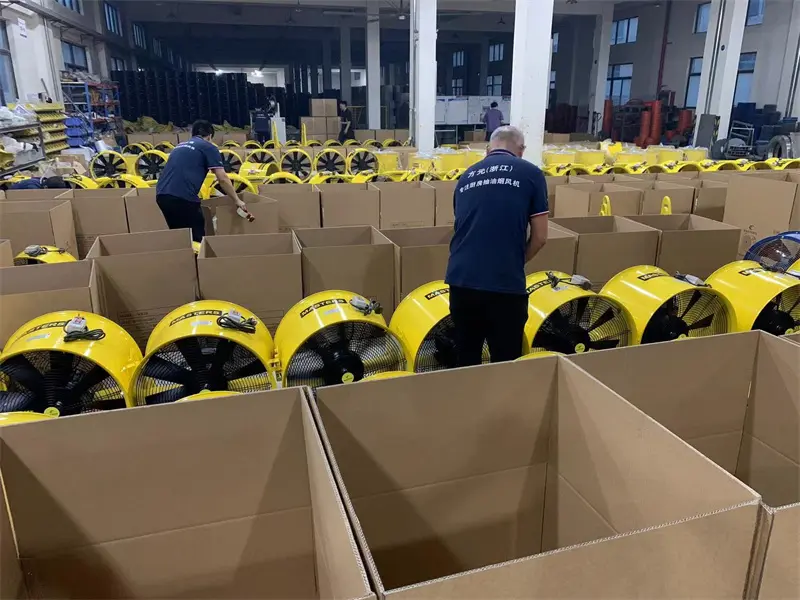
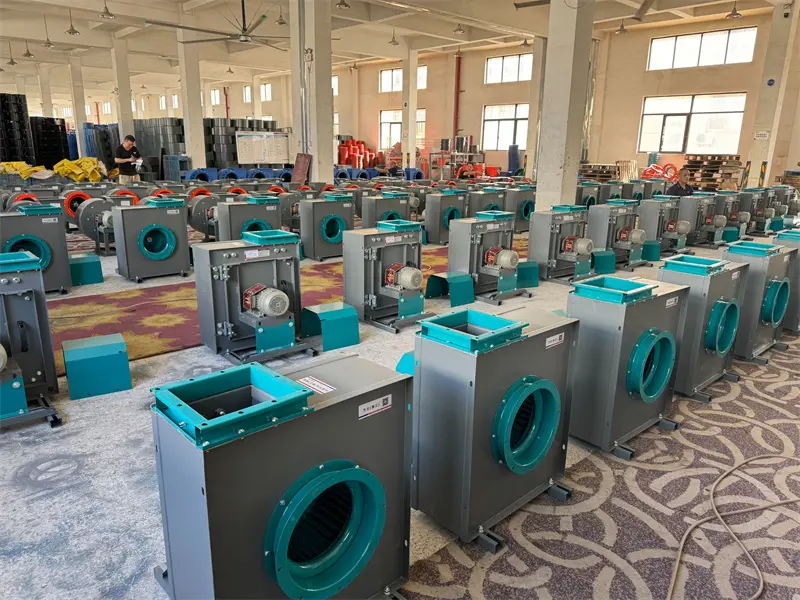
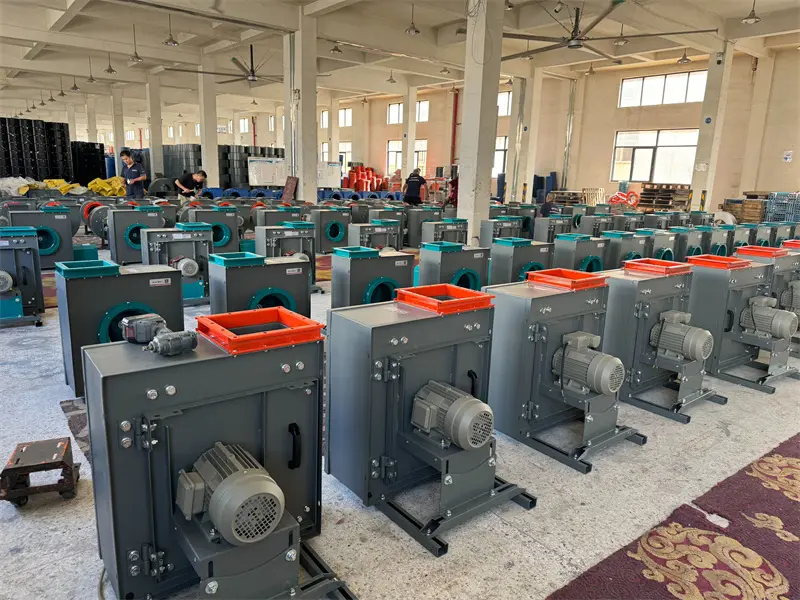
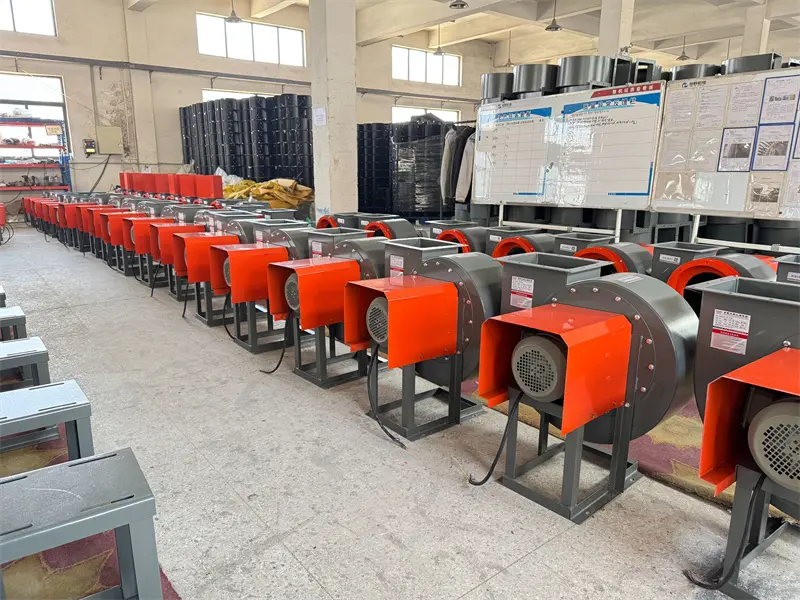
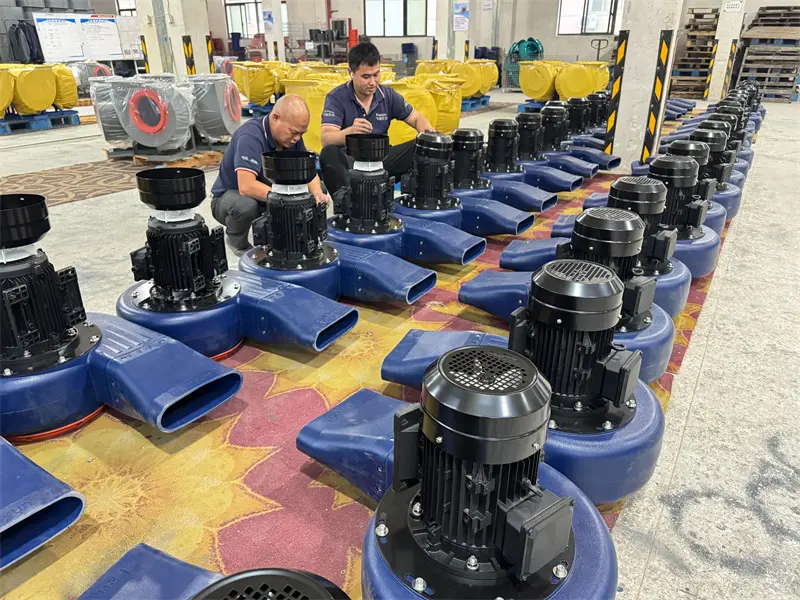
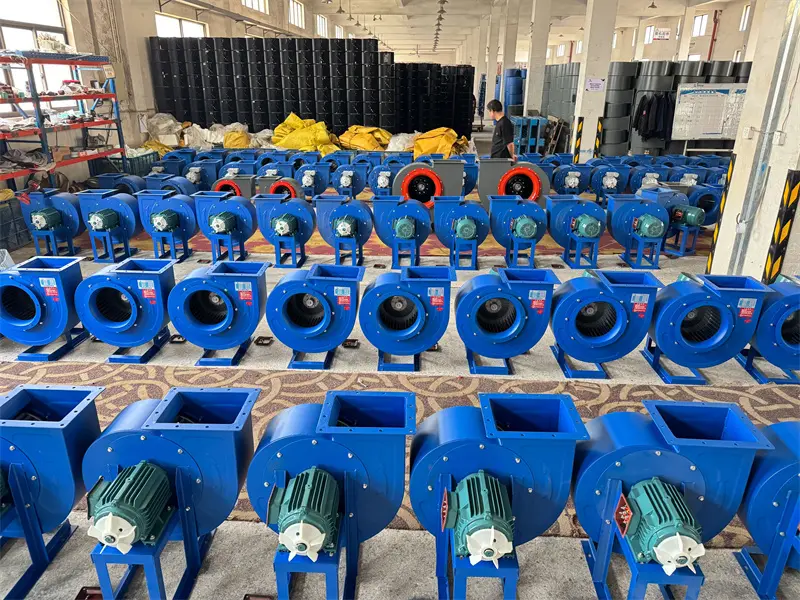
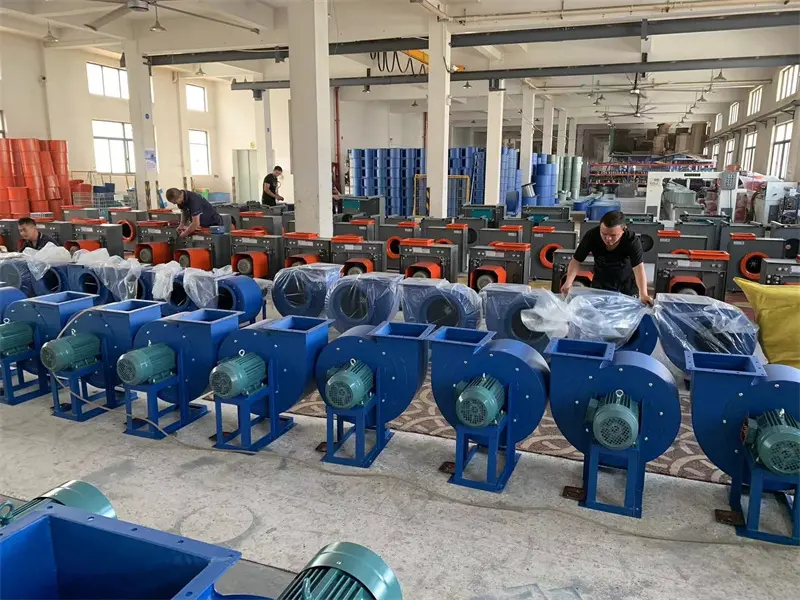
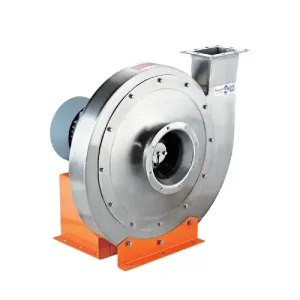
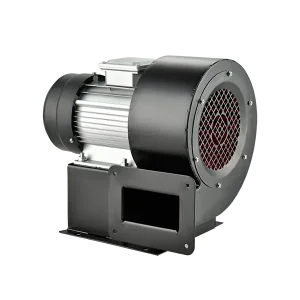
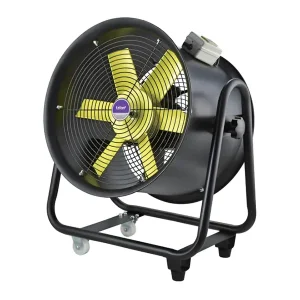
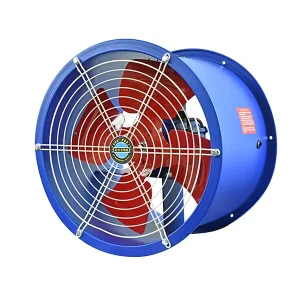
Heavy-Duty Centrifugal & Axial Exhaust Fan Lineup
Engineered for Intense Kitchen Air Flow & Corrosion Protection