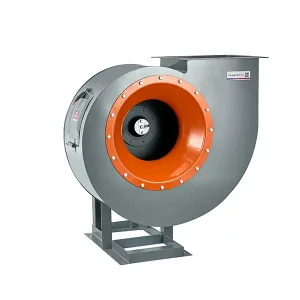
 Chiye Fan
Premium Centrifugal Fan & Blowers Showcase
Engineered specifically for heavy-duty kitchen hood integration, our performance-tested mechanical ventilation fans ensure maximum smoke capture and dynamic stability.
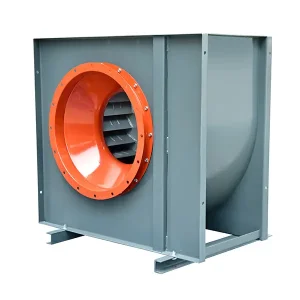
Wholesale BCF Multi Wing Low Noise Centrifugal Fan Company, Suppliers
Explore Product Specifications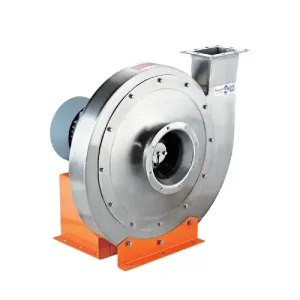
Custom 9-19A Stainless Steel (304 Material) High Pressure Centrifugal Fan Factory, Supplier
Explore Product Specifications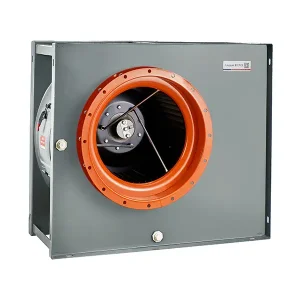
China I3-48 Centrifugal Fan For Efficient Kitchen Lampblack Suppliers, Manufacturers
Explore Product Specifications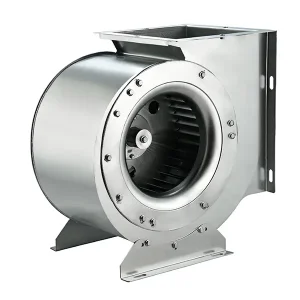
High-Quality DFA Centrifugal Fan For Efficient Kitchen Lampblack Company, Factories
Explore Product Specifications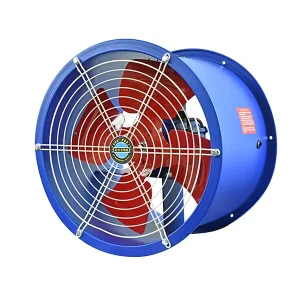
Custom SF AxialFlow Fan: Powerful and Efficient Exporters, Manufacturers
Explore Product Specifications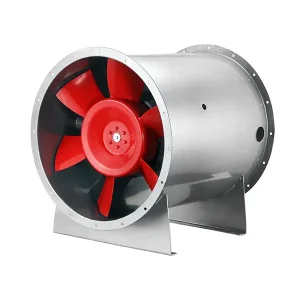
Custom HTF Fire Protection High-temperature Smoke Exhaust Dedicated Fan Exporter, Suppliers
Explore Product Specifications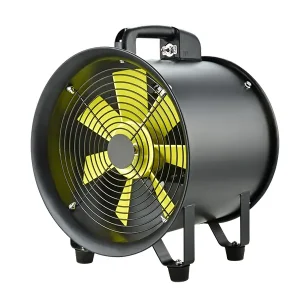
Best CTF Portable Axial Flow Fans Factories, Suppliers
Explore Product Specifications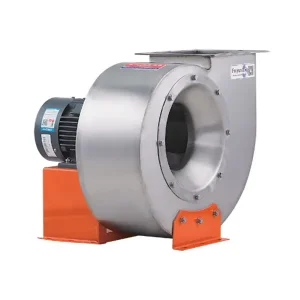
ODM 4-72A Stainless Steel Centrifugal Fan Company, Manufacturers
Explore Product SpecificationsTechnical Whitepaper: B2B Engineering Guide for 36-Inch Range Hood Ventilation Systems
Navigating air volume performance dynamics, acoustic dampening requirements, and structural manufacturing integrity in modern residential and commercial cooking spaces.
Executive Summary: The Aerodynamic Demands of Modern Kitchen Hoods
In B2B ventilation engineering, the standard 36-inch range hood represents a critical design point for kitchen architectures. It acts as the threshold where standard household ventilation needs cross over into high-output, professional-grade cooking demands. Efficient extraction systems require more than simple fan integration; they demand a calculated balance of fluid dynamics, static pressure recovery, and acoustic energy control.
At Taizhou Chiye Electromechanical Co., Ltd., our 29 years of manufacturing development have focused on resolving the central tension of kitchen ventilation: achieving massive volumetric flow rates (typically ranging from 600 CFM to over 1200 CFM for 36-inch configurations) while maintaining acceptable noise ratings. Modern range hood assemblies must manage high temperatures, grease-laden airstreams, and continuous resistance from internal filtration structures. This paper details the manufacturing principles and industrial processes required to construct reliable, high-performance ventilation assemblies.
Dynamic Flow Control
We design forward-curved, multi-blade impeller assemblies that maintain stable boundary layers to reduce aerodynamic separation and drag.
Static Pressure Efficiency
Optimized housing configurations translate kinetic air energy into static pressure, preventing backflow through exhaust channels.
Acoustic Optimization
By refining the scroll geometry of our multi-wing fans, we lower peak sound frequencies for quieter overall operation.
China Factory 4.0: Supply Chain Resilience & Infrastructure
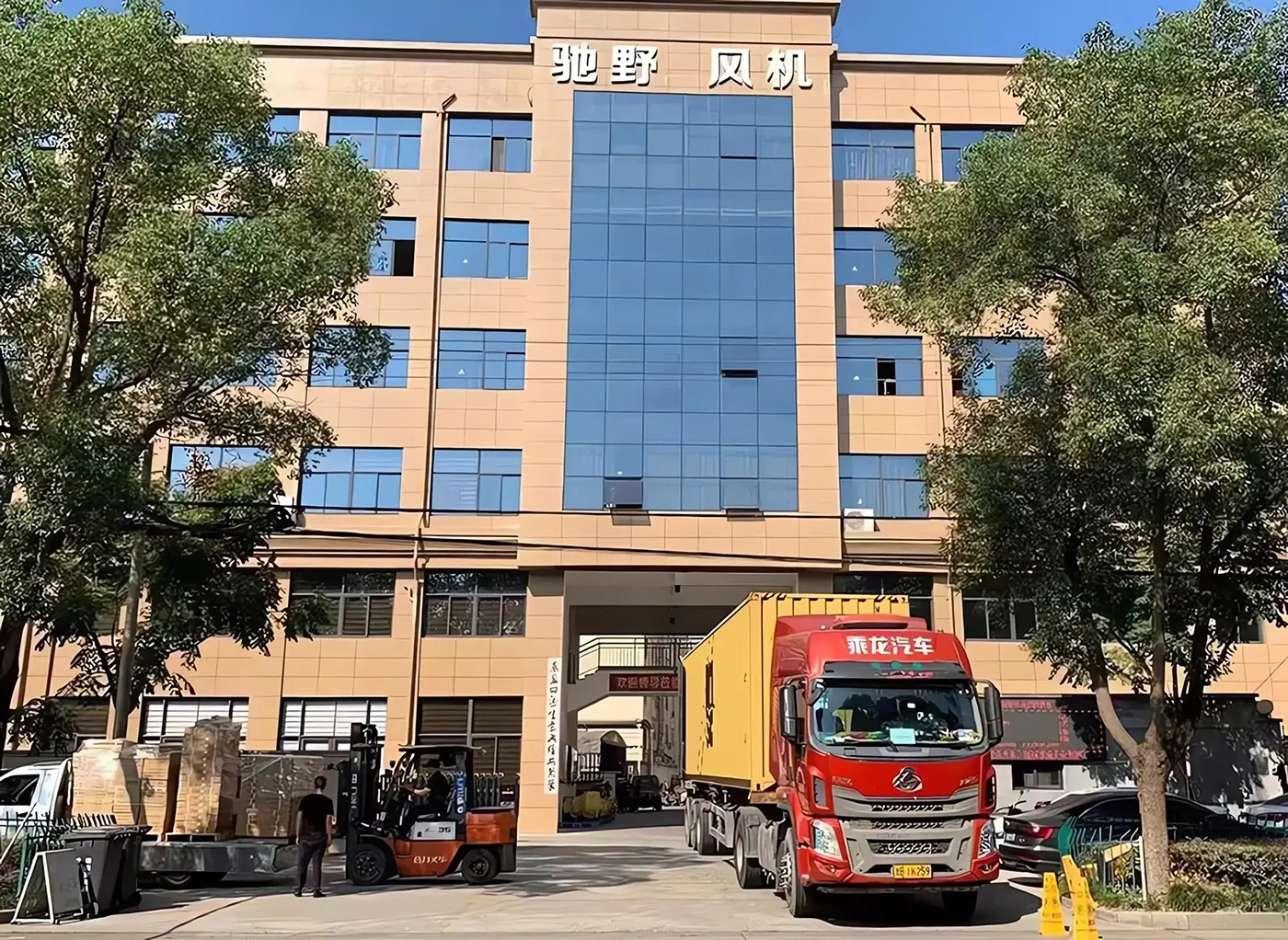
Our state-of-the-art production facility in Zhejiang integrates advanced robotic welding and CNC fabrication to meet large-scale global demands.
Established in 1995 as the Wenling Zeguo Wanfang Mechanical and Electrical Parts Factory, Taizhou Chiye Electromechanical Co., Ltd. has evolved into a prominent manufacturer of advanced industrial fans, kitchen ventilation systems, and related components.
Our manufacturing complex utilizes automated production systems to maintain consistent quality across large production runs. In 2013, we added automated welding robots and full-line mechanical handling equipment to ensure uniform joints in our fan housings and blower wheels.
Our processing center is equipped to build custom fan configurations, utilizing four CNC laser cutting systems, two CNC metal spinning machines, two high-precision press brakes, and six dynamic computer balancing systems. This machinery allows us to maintain tight tolerances and minimize vibrational wear in our finished blower assemblies.
- Advanced CAD/CAM tooling for custom impeller profiles
- Dynamic dynamic balancing conforming to ISO 1940 standards
- Automated robotic MIG/TIG welding lines for reliable structural integrity
- Multi-stage inspection protocols covering all motor and fan assemblies
Technical Roadmap & Next-Generation Ventilation
Addressing B2B requirements for quiet operation, efficient grease capture, and smart motor controls.
Aerodynamic Fluid Dynamics (CFD) in Impeller Engineering
To meet the air extraction requirements of a 36-inch range hood, the impellers must be designed to minimize turbulence. We use Computational Fluid Dynamics (CFD) to model air velocities and pressure variations inside the blower scroll. This analysis helps us refine the blade angles on our multi-wing centrifugal fans, reducing backflow and vortex formation.
By controlling flow separation at the blade edges, we can lower noise emissions in the critical 1 kHz to 4 kHz octave bands—frequencies that are particularly noticeable to the human ear. This results in quieter operation at the higher CFM settings required for professional kitchen hoods.
Variable Speed and EC Motor Integration
The industry is transitioning toward electronically commutated (EC) motors. Our development roadmap focuses on integrating direct-drive brushless motors that offer high energy efficiency and precise speed control. These motors are designed to interface with modern smart home controllers, allowing range hoods to automatically adjust airflow based on heat and steam levels.
Grease Extraction and Impeller Maintenance
Grease accumulation is a common cause of fan imbalance and motor strain in kitchen ventilation. Our centrifugal impellers feature non-stick surfaces and drainage channels that redirect grease away from the fan blades and toward collection trays. This keeps the fan balanced over time, reducing motor wear and extending the service life of the range hood.
Our stainless steel fans (304 grade) are designed to withstand regular cleaning and exposure to caustic cleaning agents, making them suitable for demanding commercial kitchen environments.
Production Equipment & Precision Manufacturing
A look inside our manufacturing processes, showcasing the machinery used to produce our high-performance fan systems.
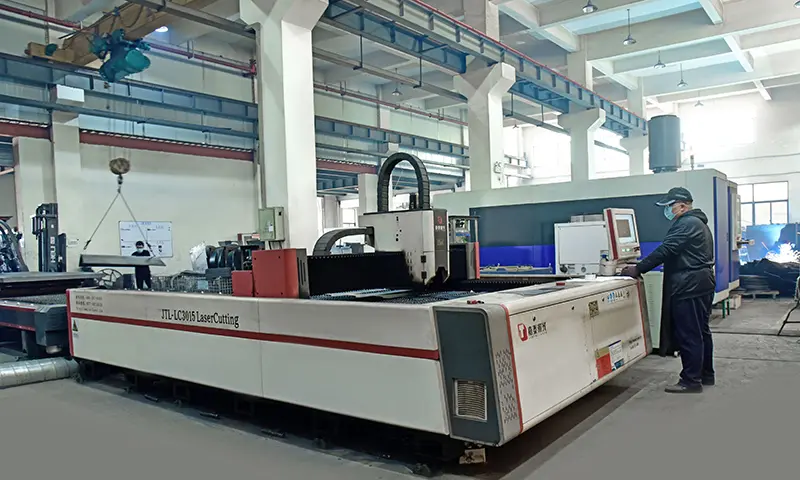
CNC Laser Cutting System
Ensures clean edges and high dimensional accuracy for steel sheets prior to assembly.
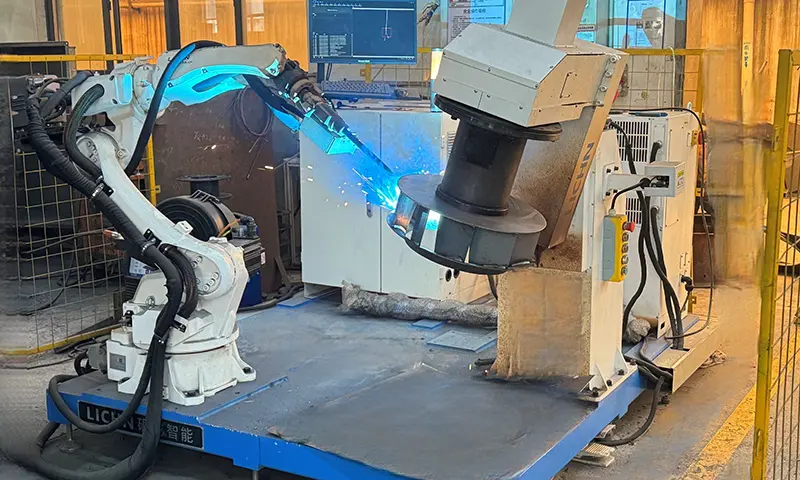
Automated Welding Robot
Provides consistent, strong welds along critical structural seams to ensure housing airtightness.
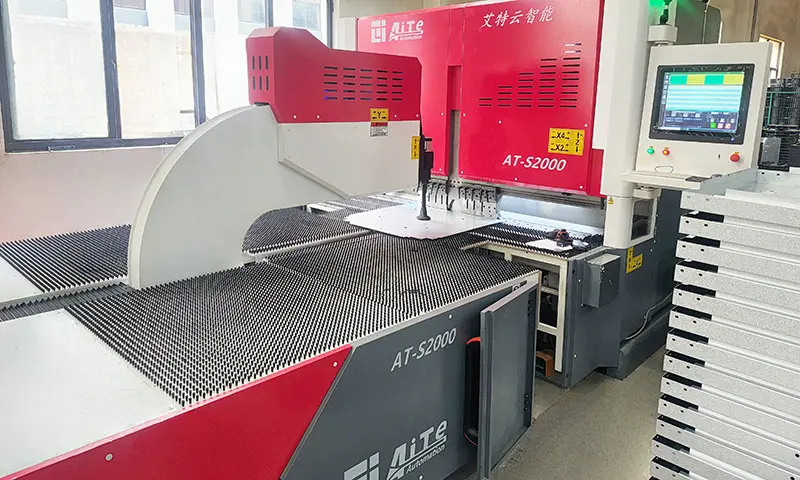
Automatic Bending Machine
Forms precise angles on sheet metal parts to ensure a proper fit during final assembly.
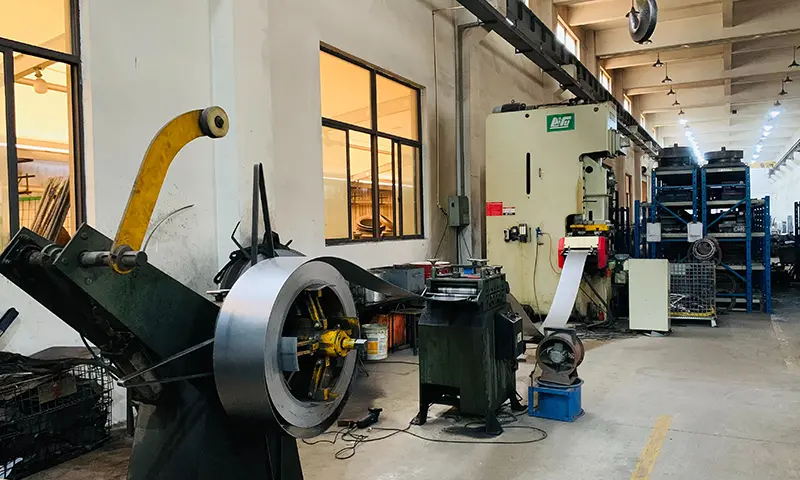
Blower Housing Coiler
Shapes the scroll housing geometry of our centrifugal blowers for optimal airflow dynamics.
Global Client Collaboration & Industry Exhibitions
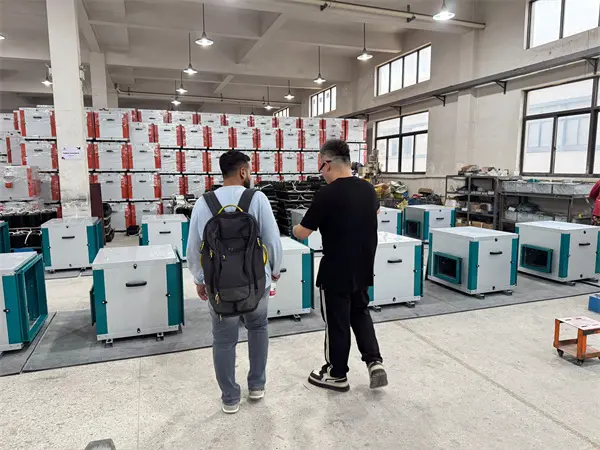
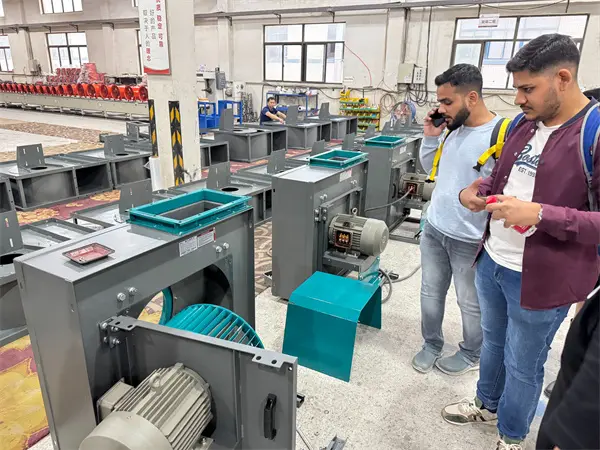
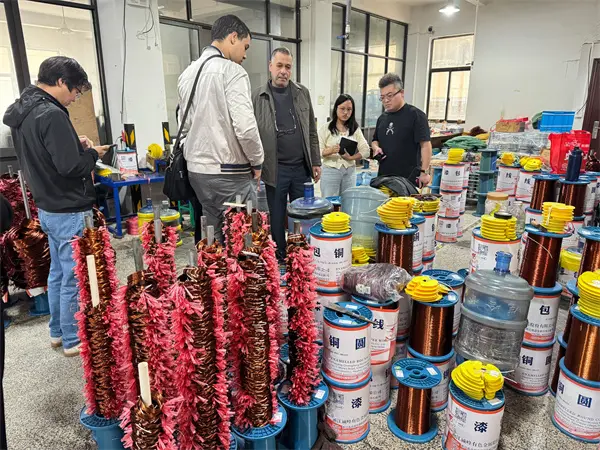
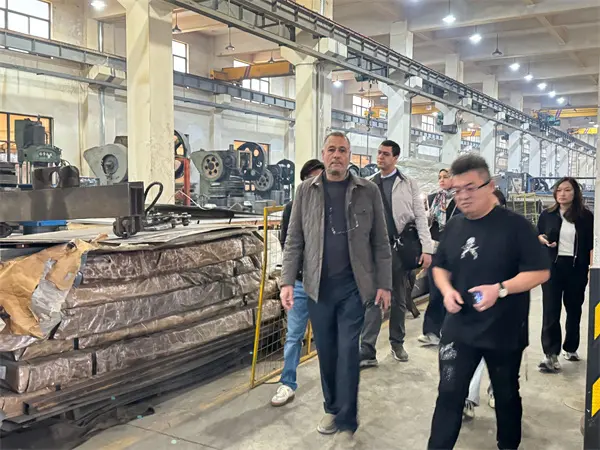
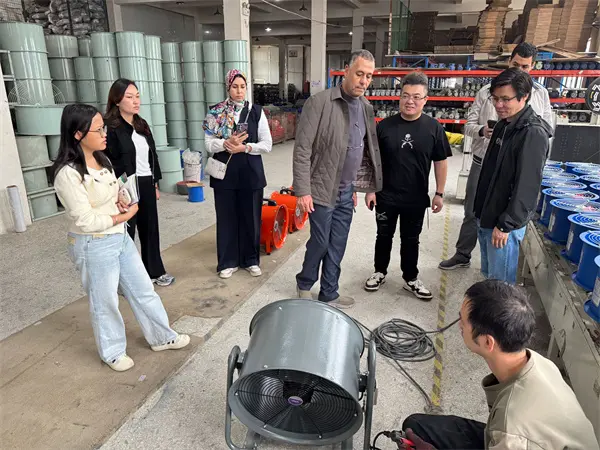
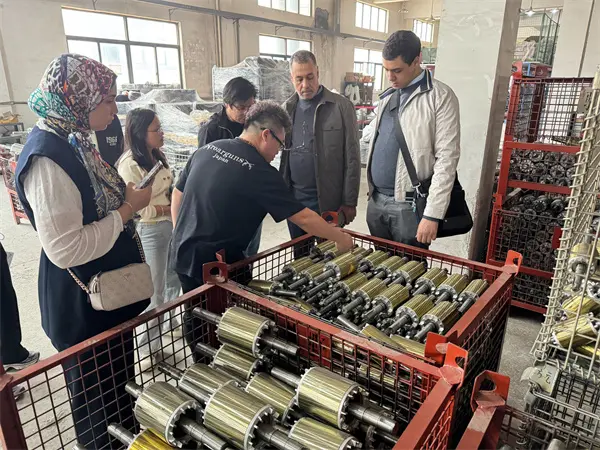
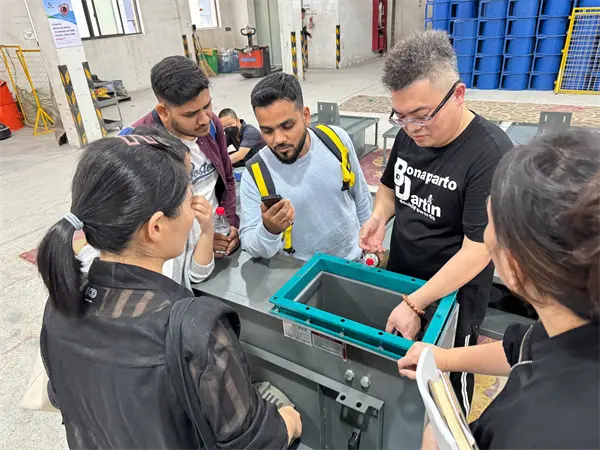
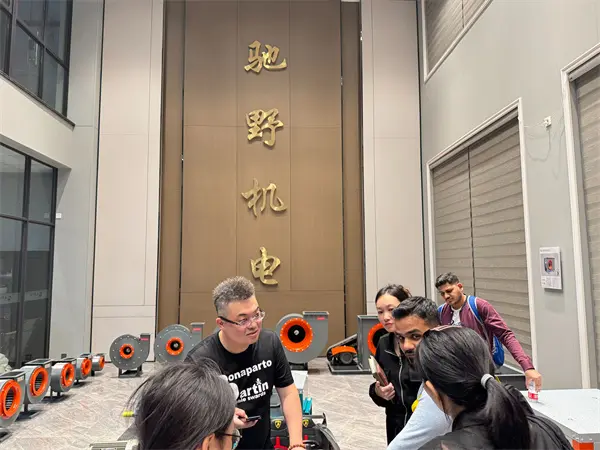
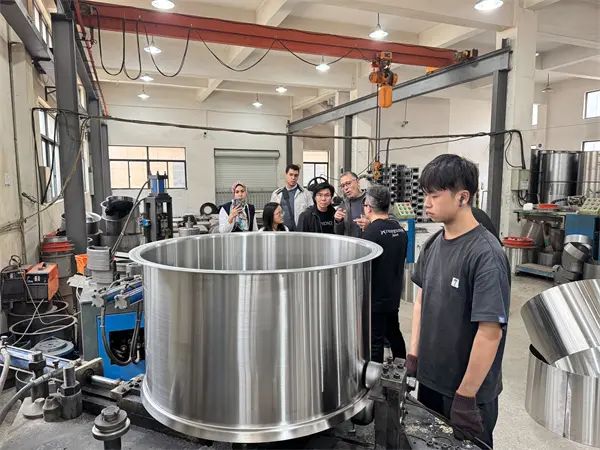
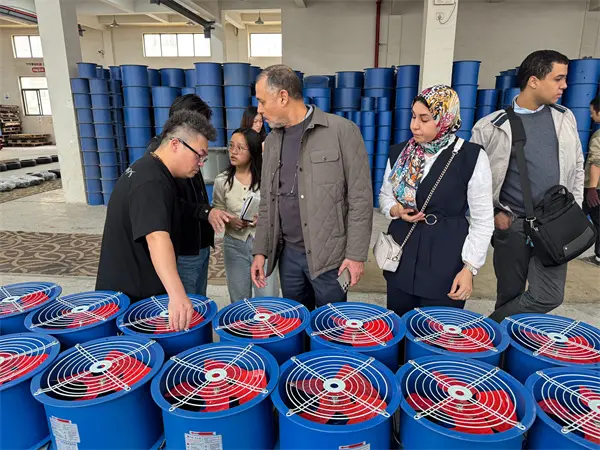
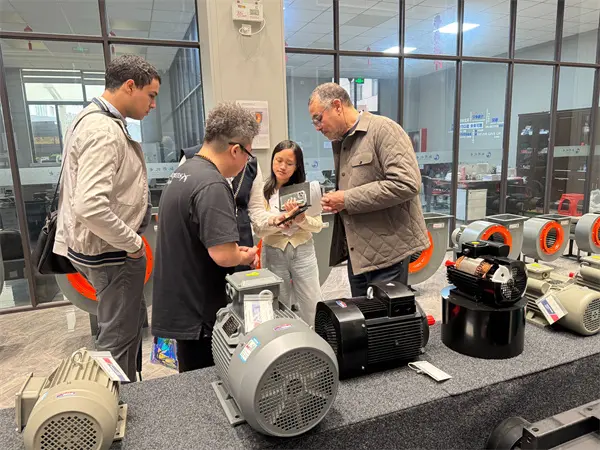
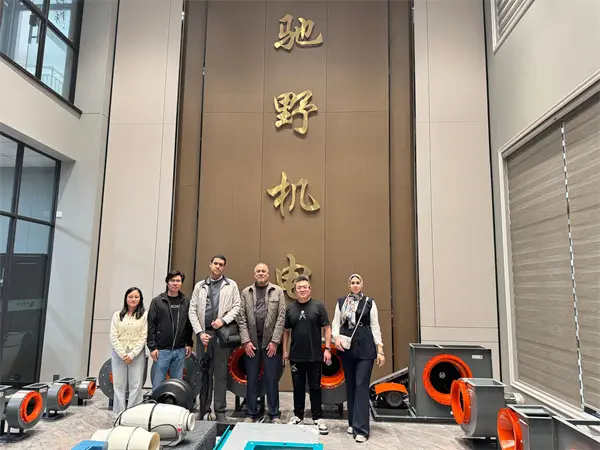
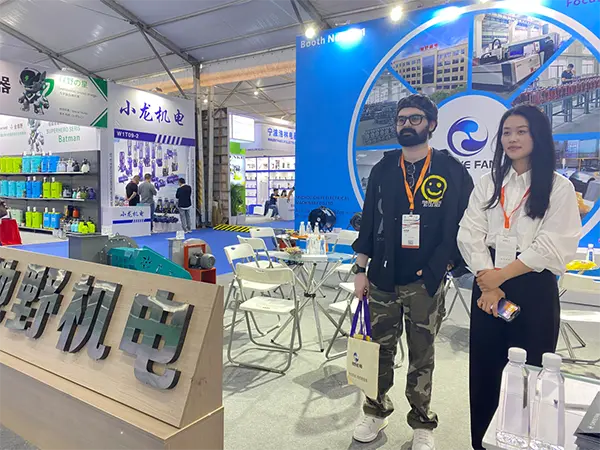
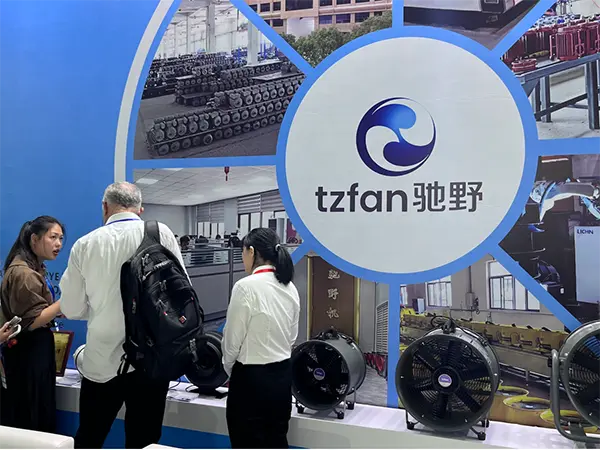
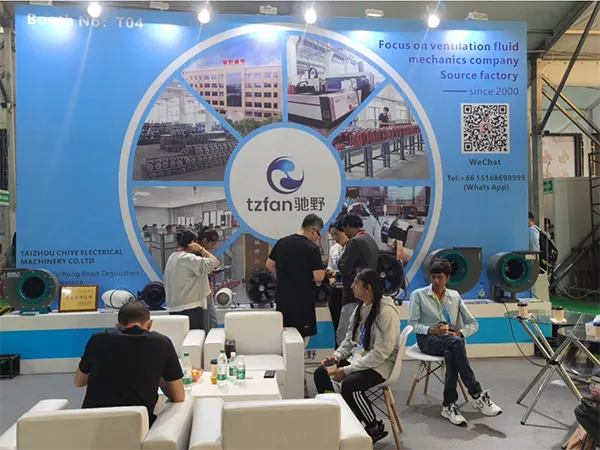
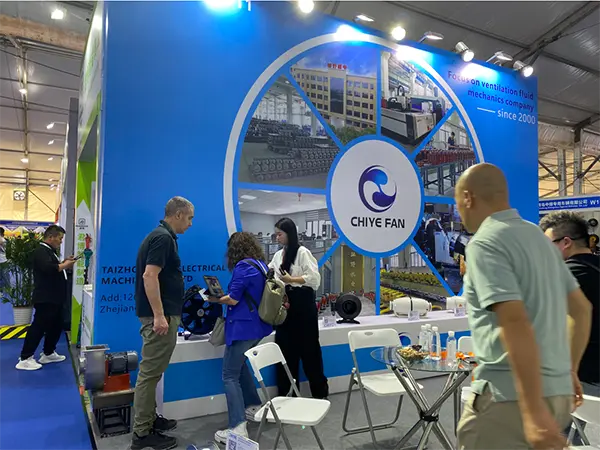
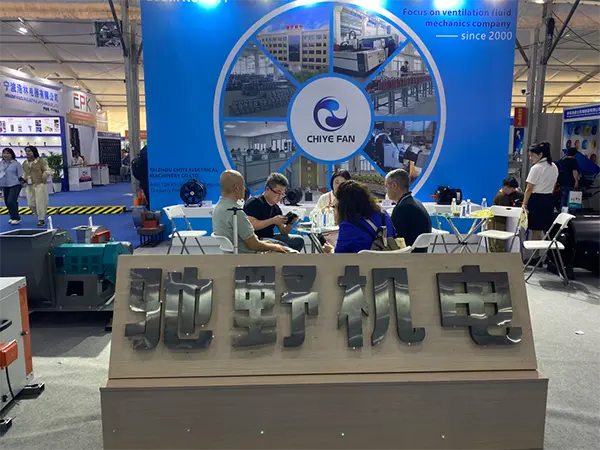
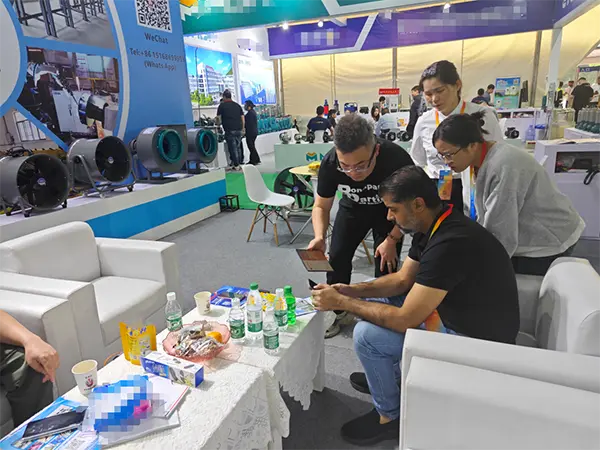
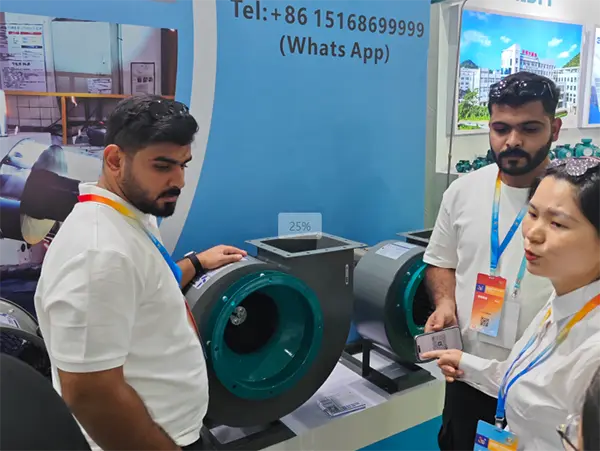
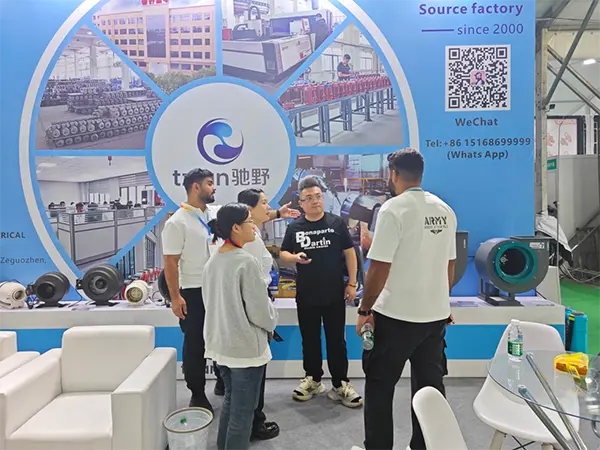
Working with international partners and showcasing our latest products at trade events around the world.
International Client Visits
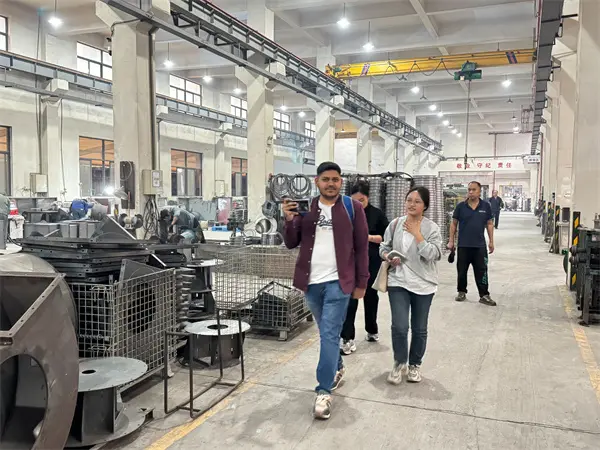
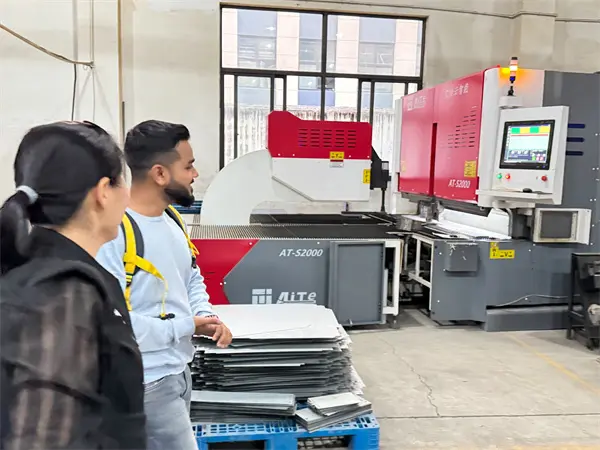


Global Industry Trade Fairs


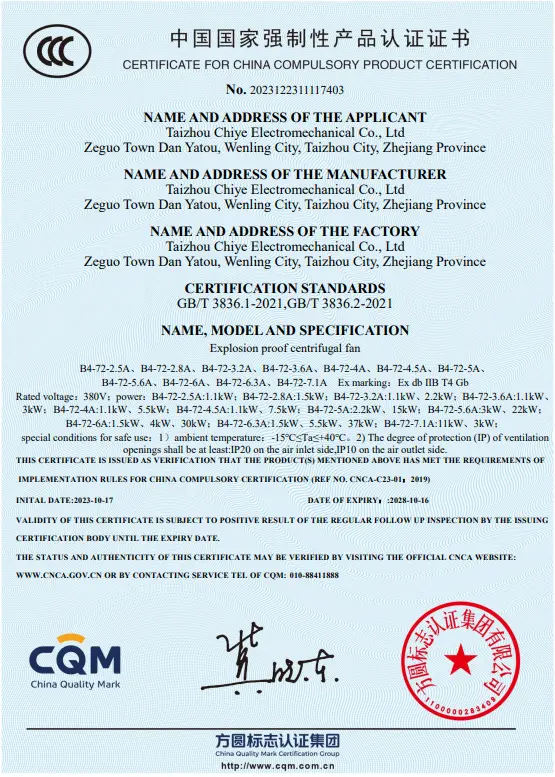
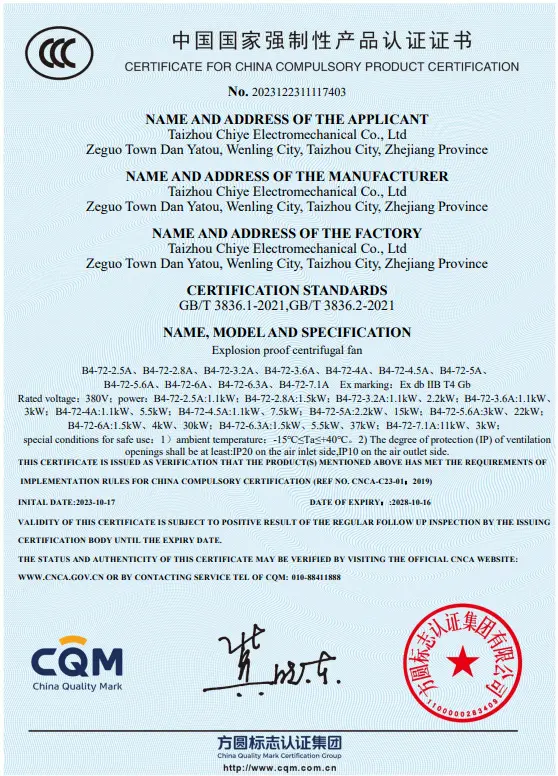
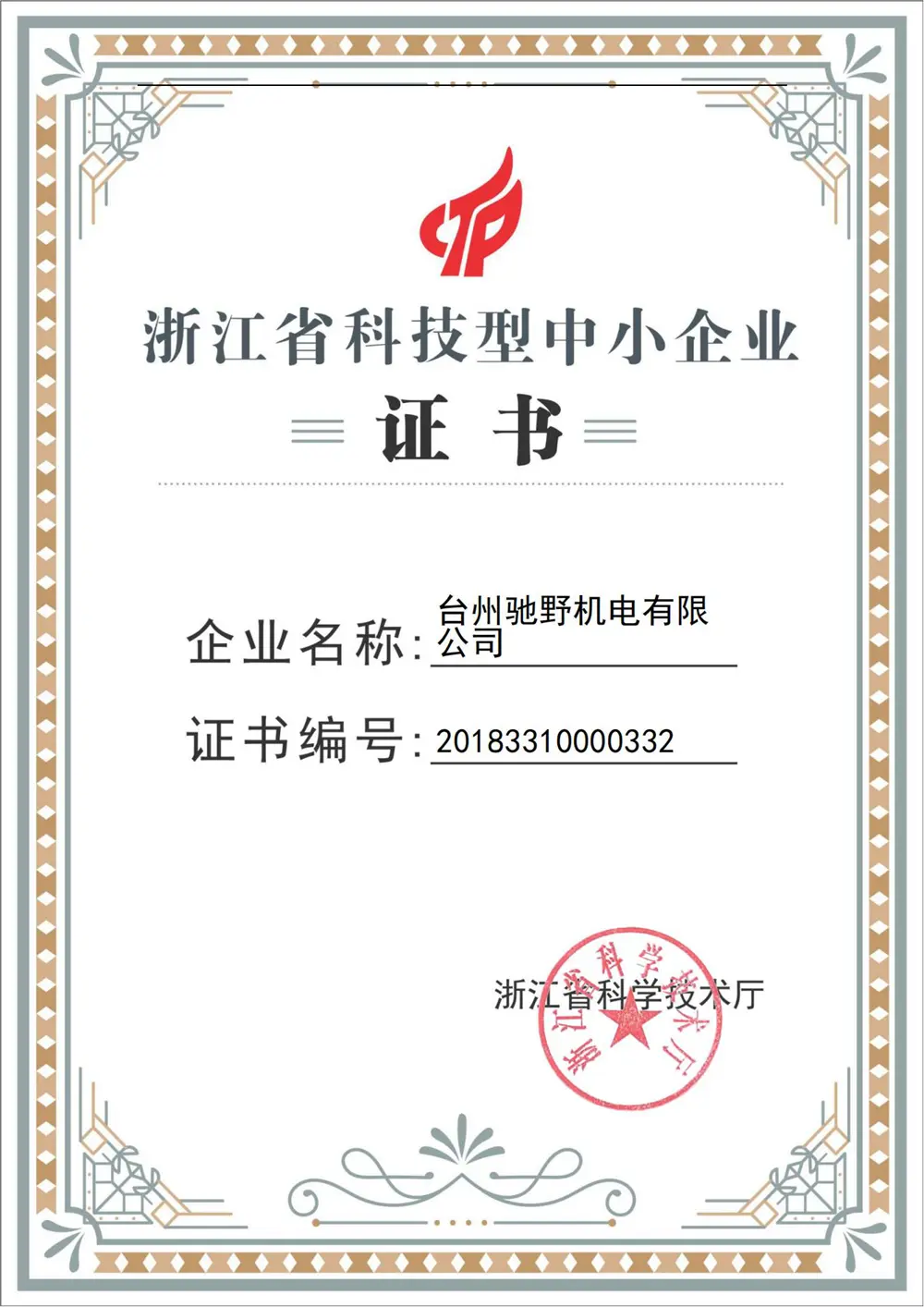
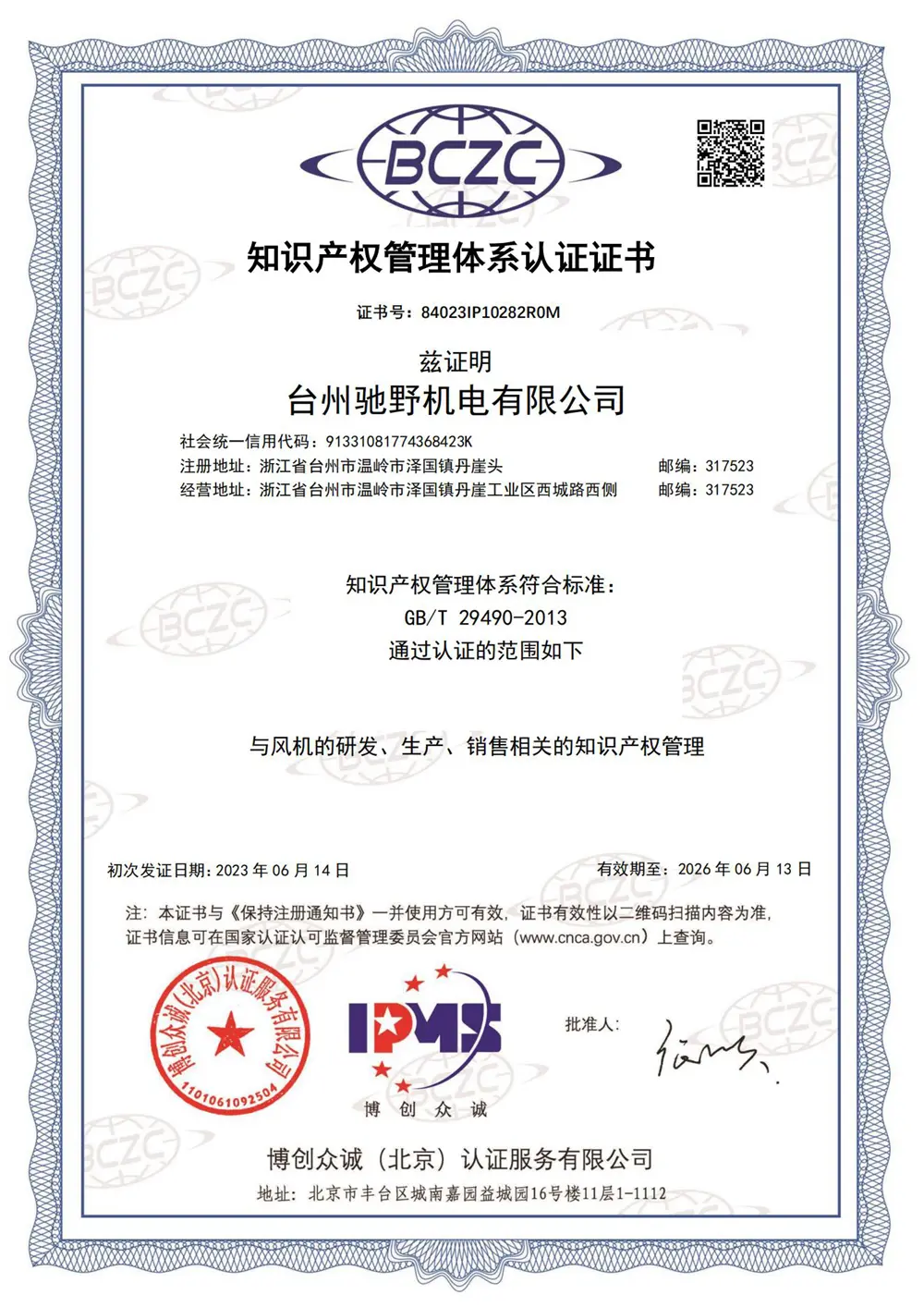
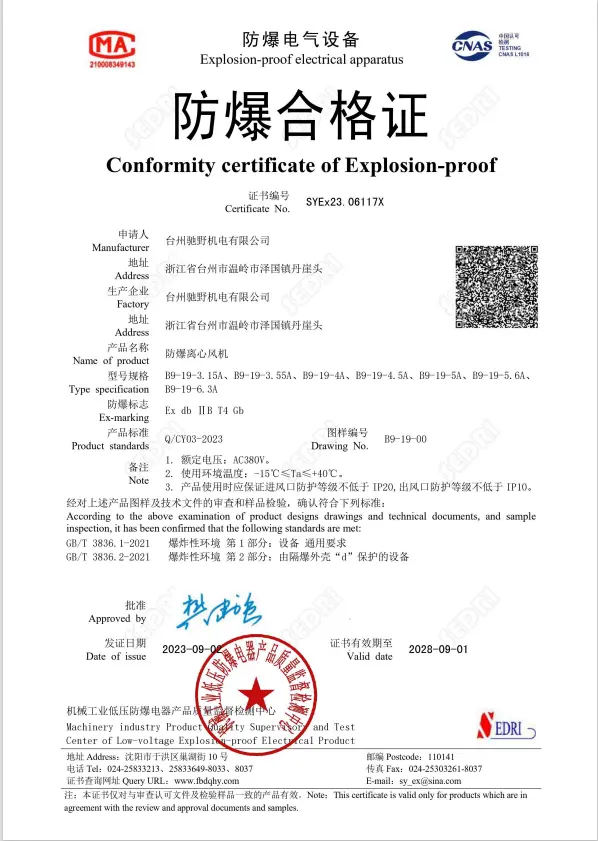
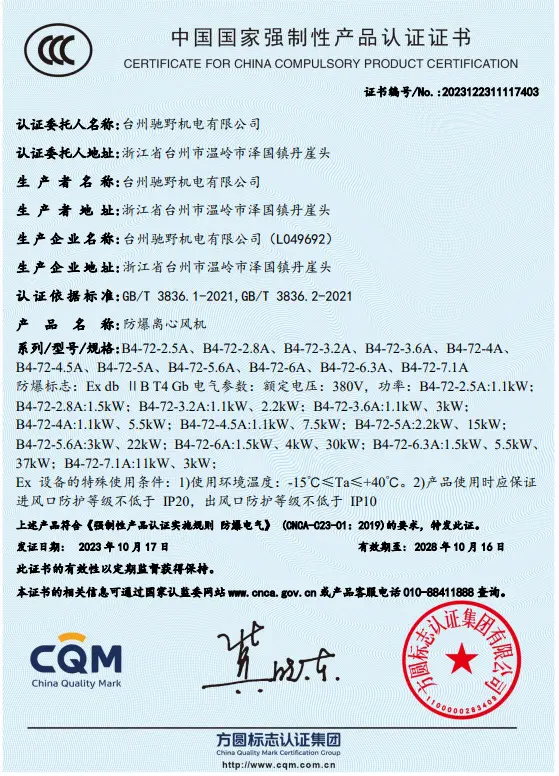
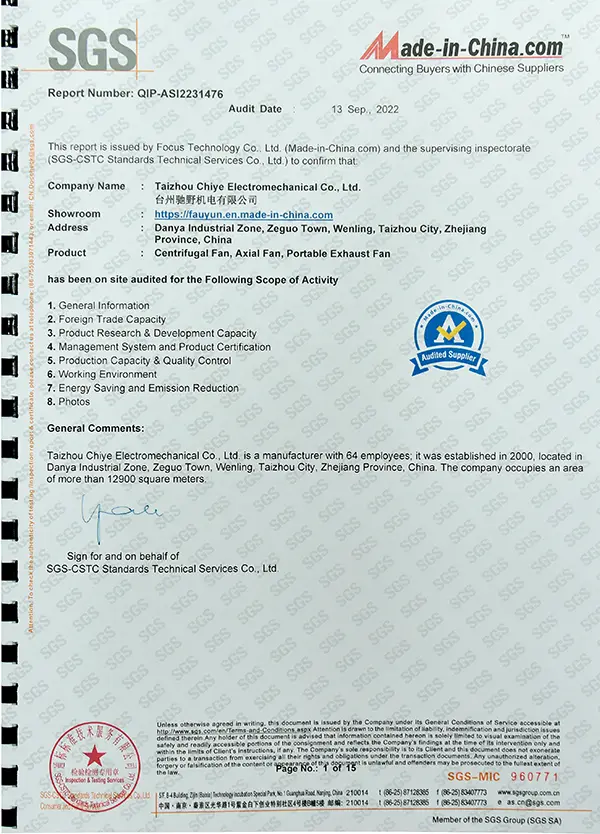
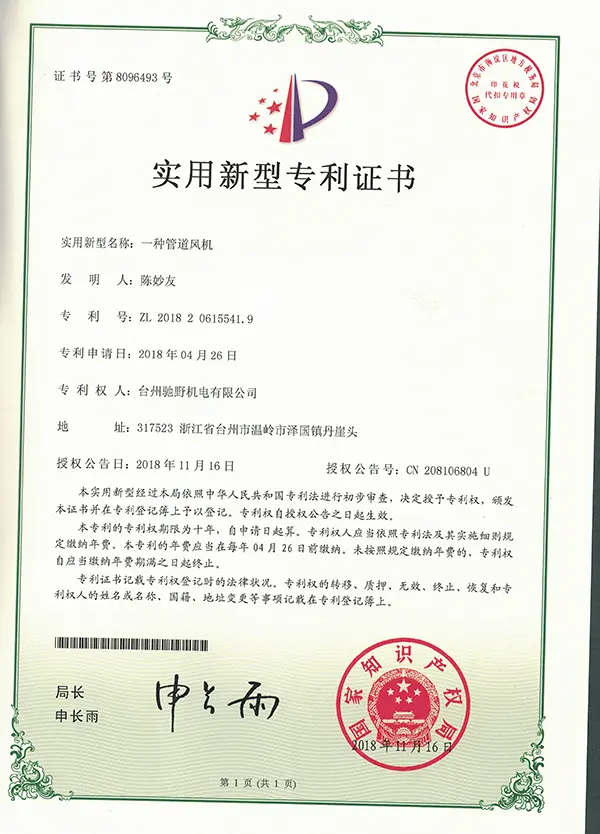
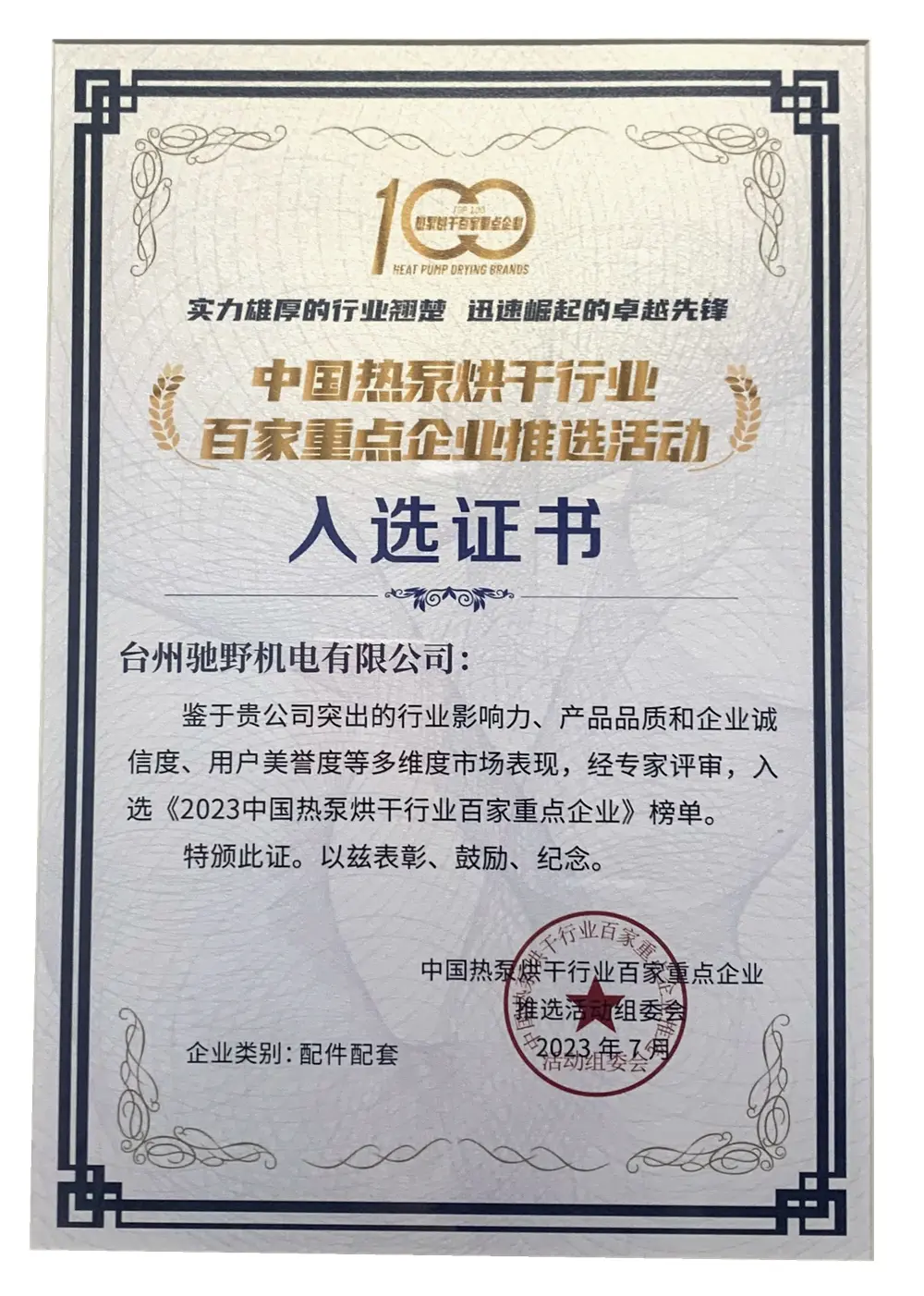
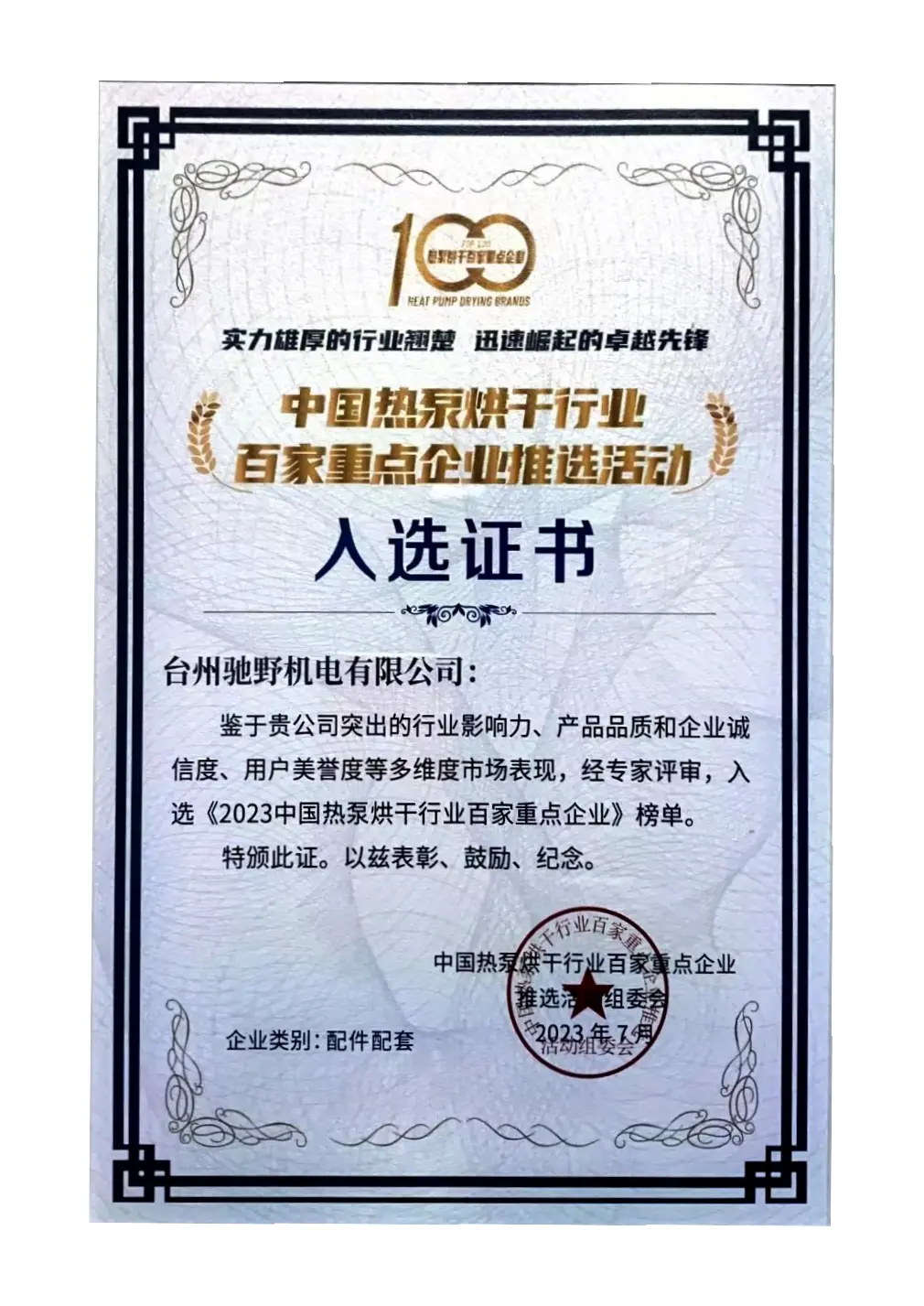
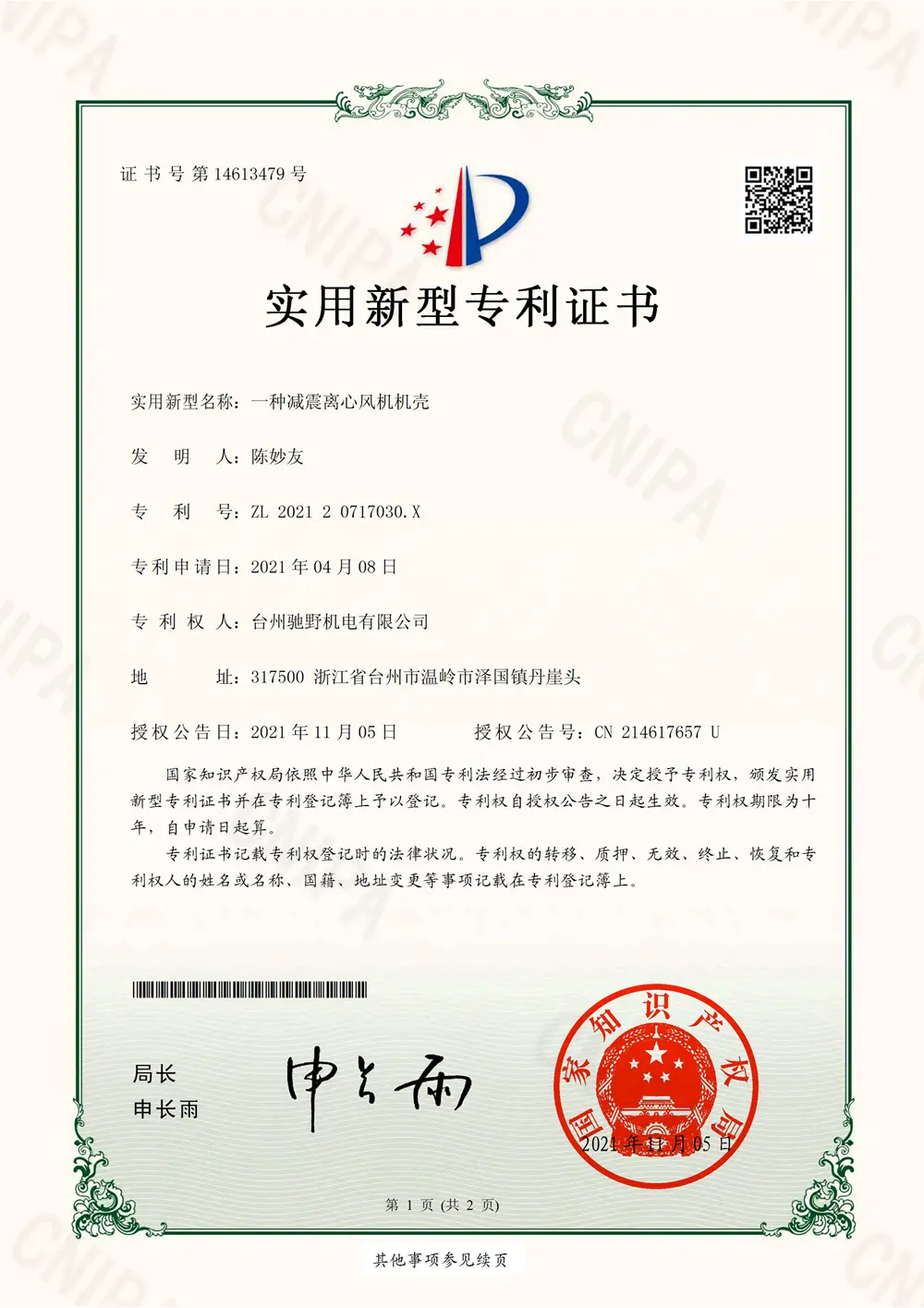
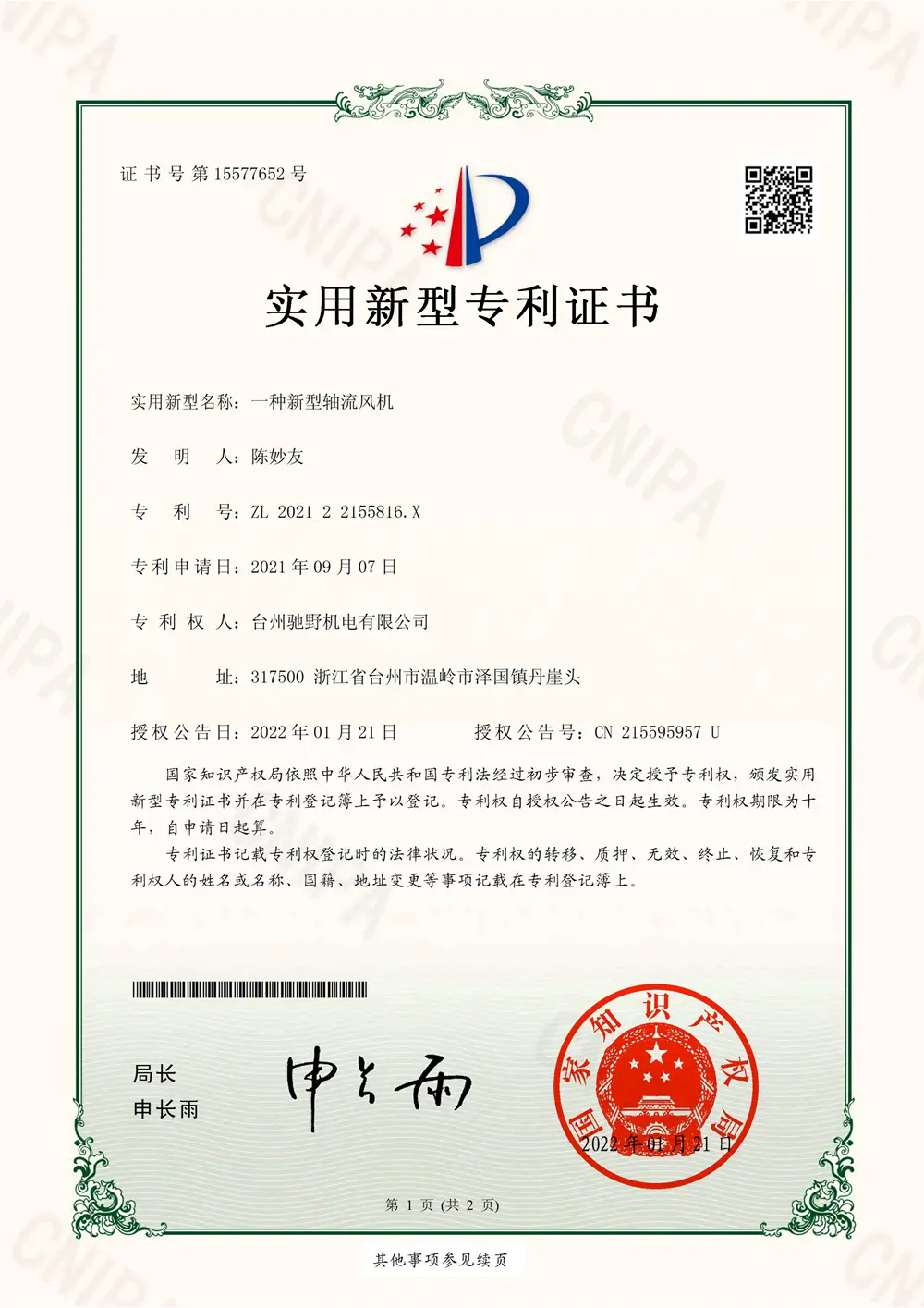
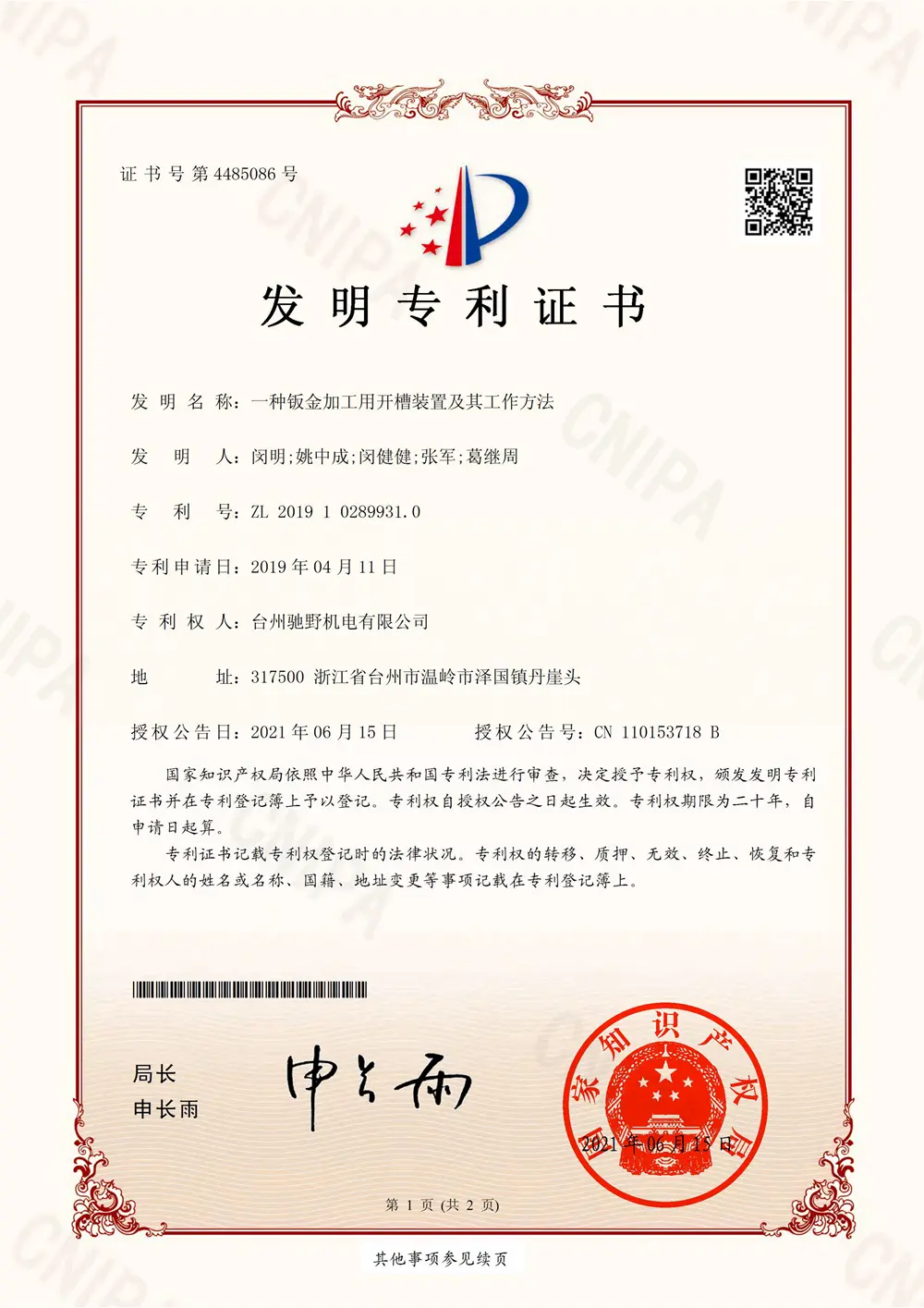
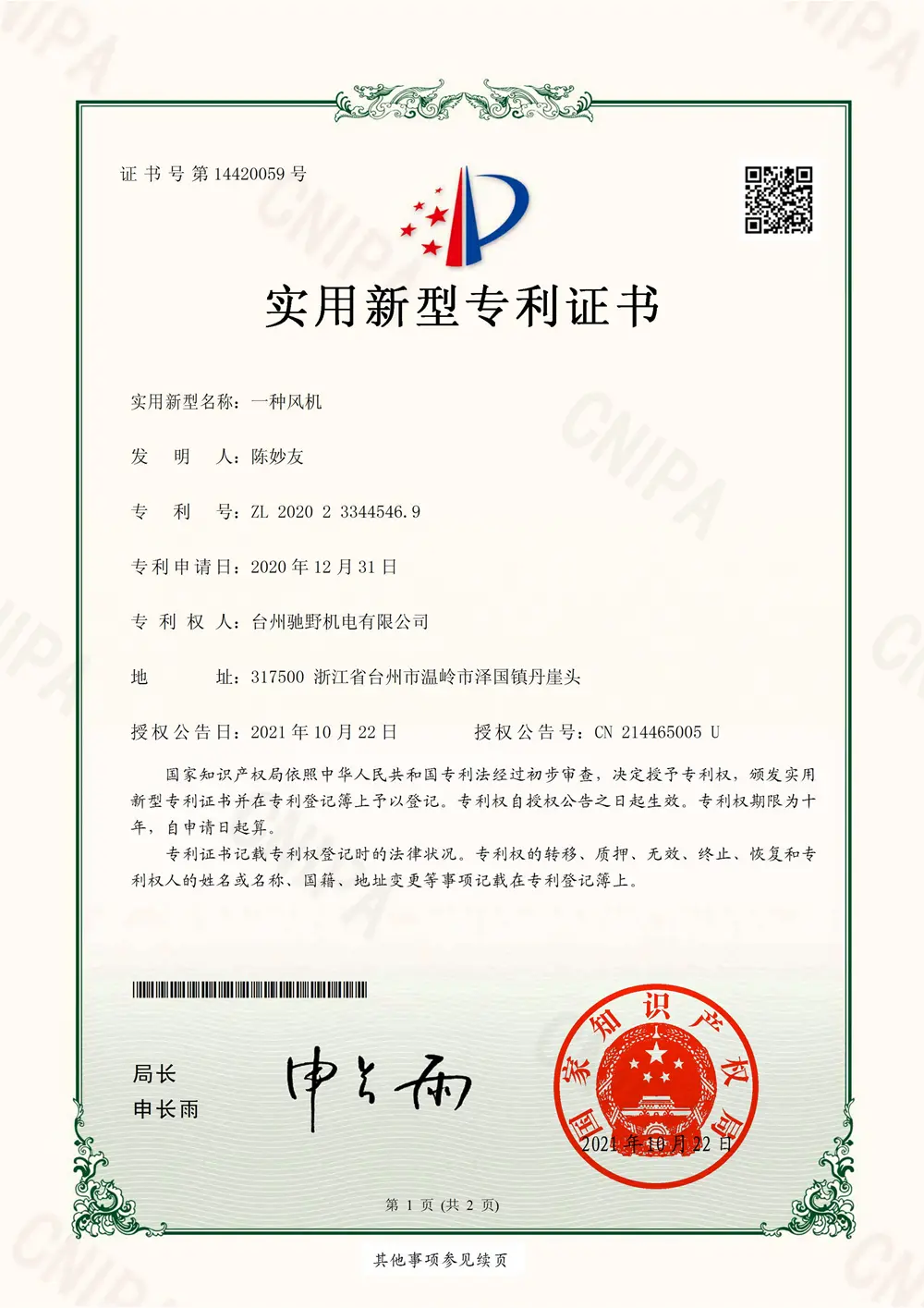
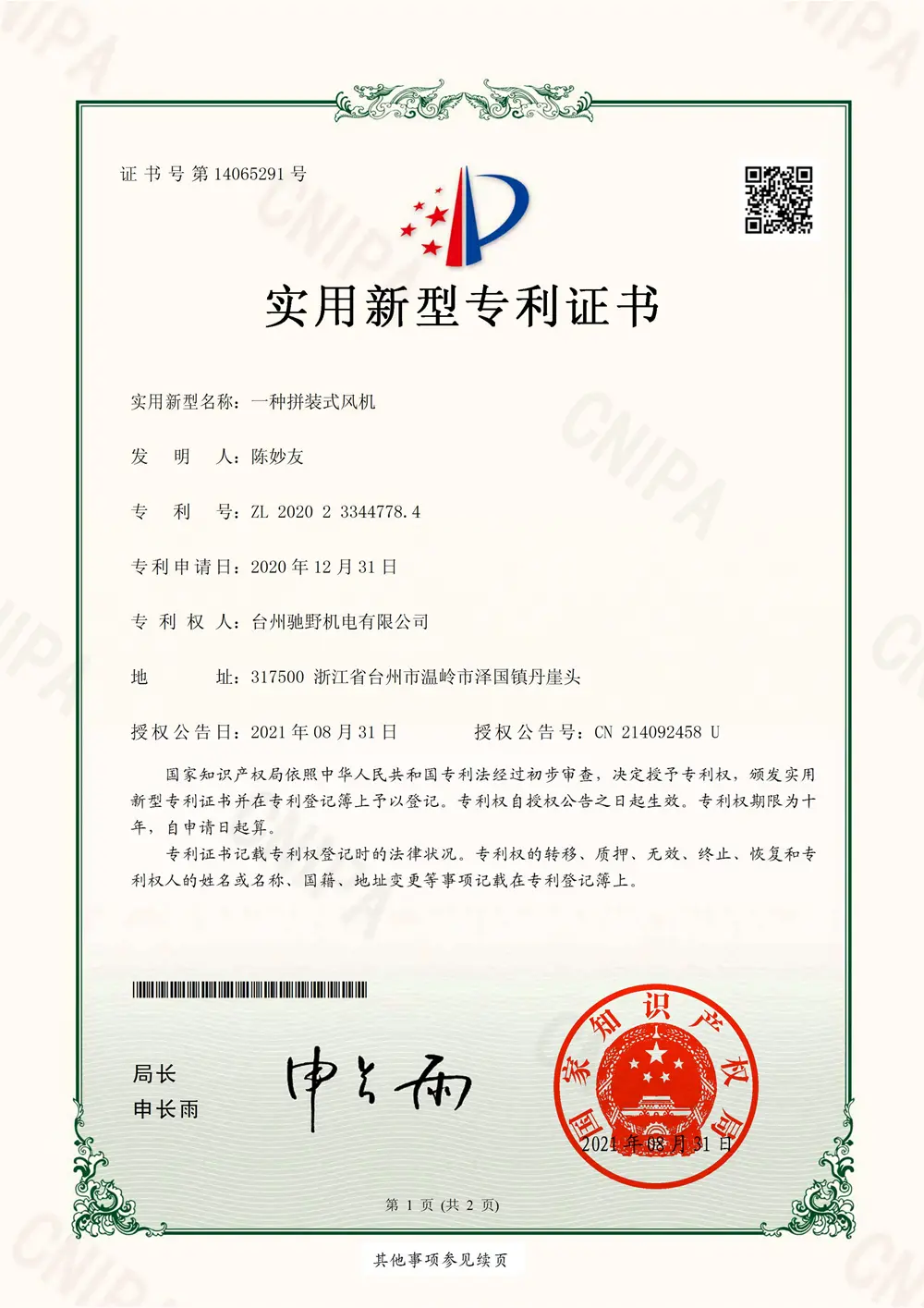
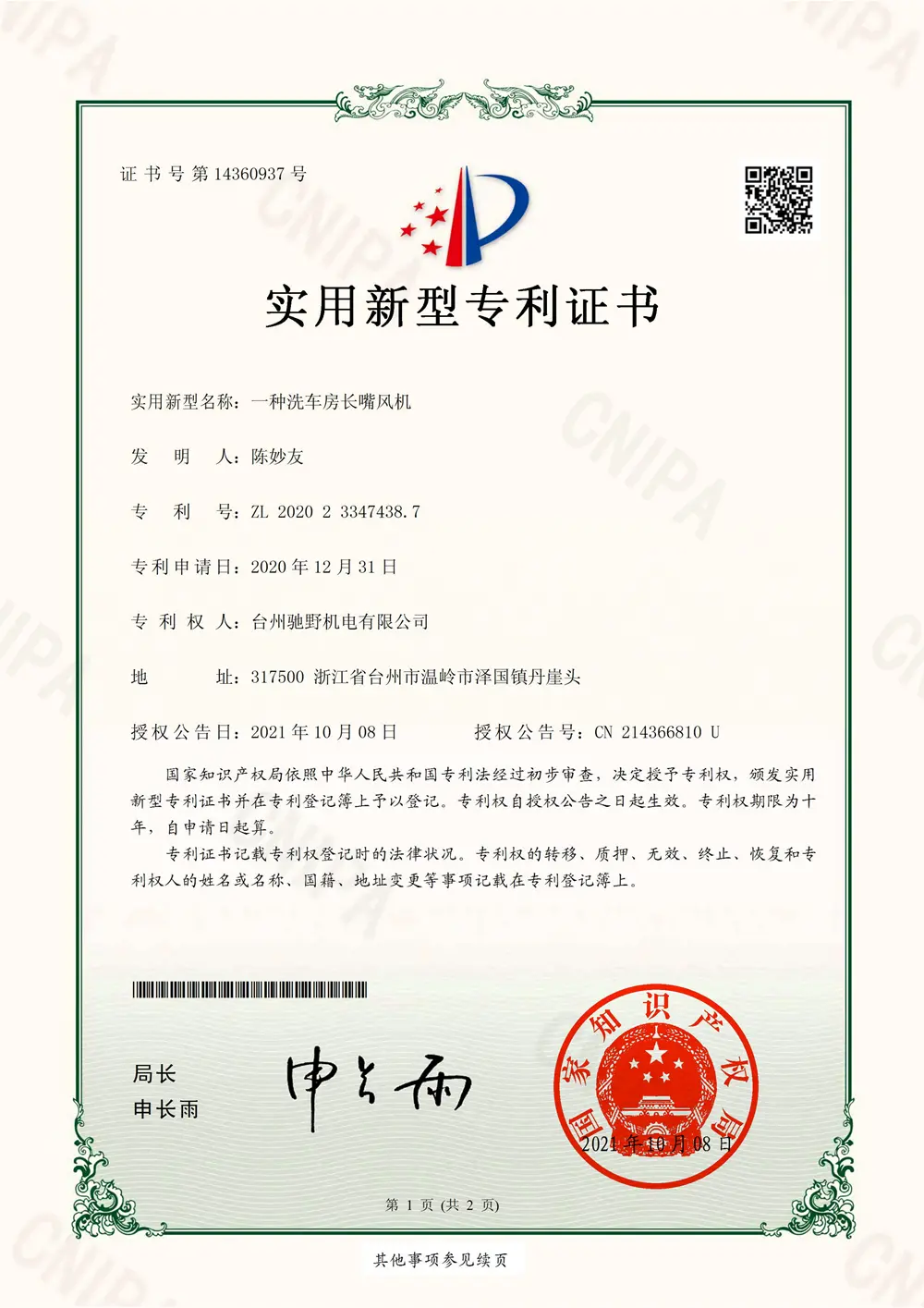
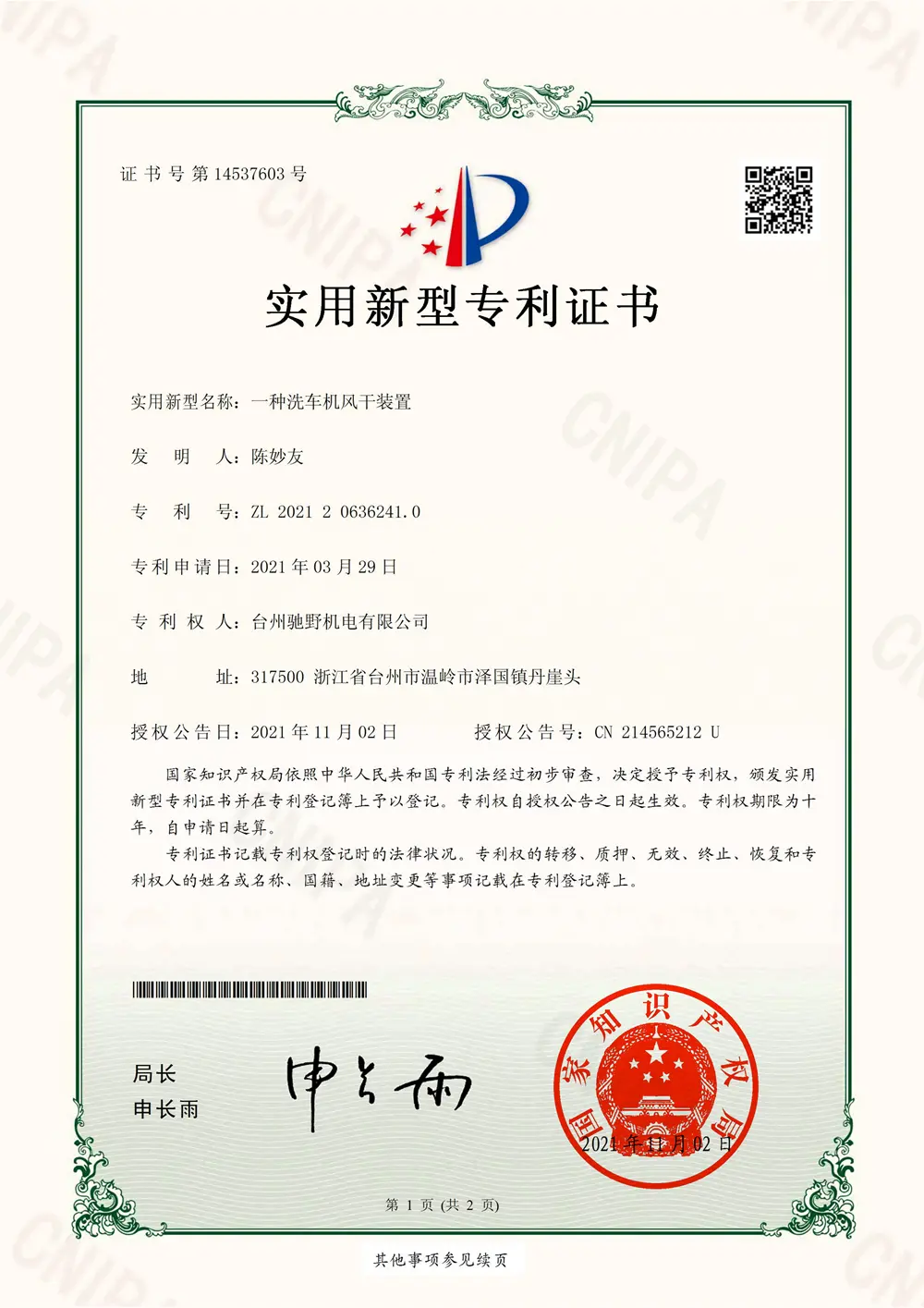
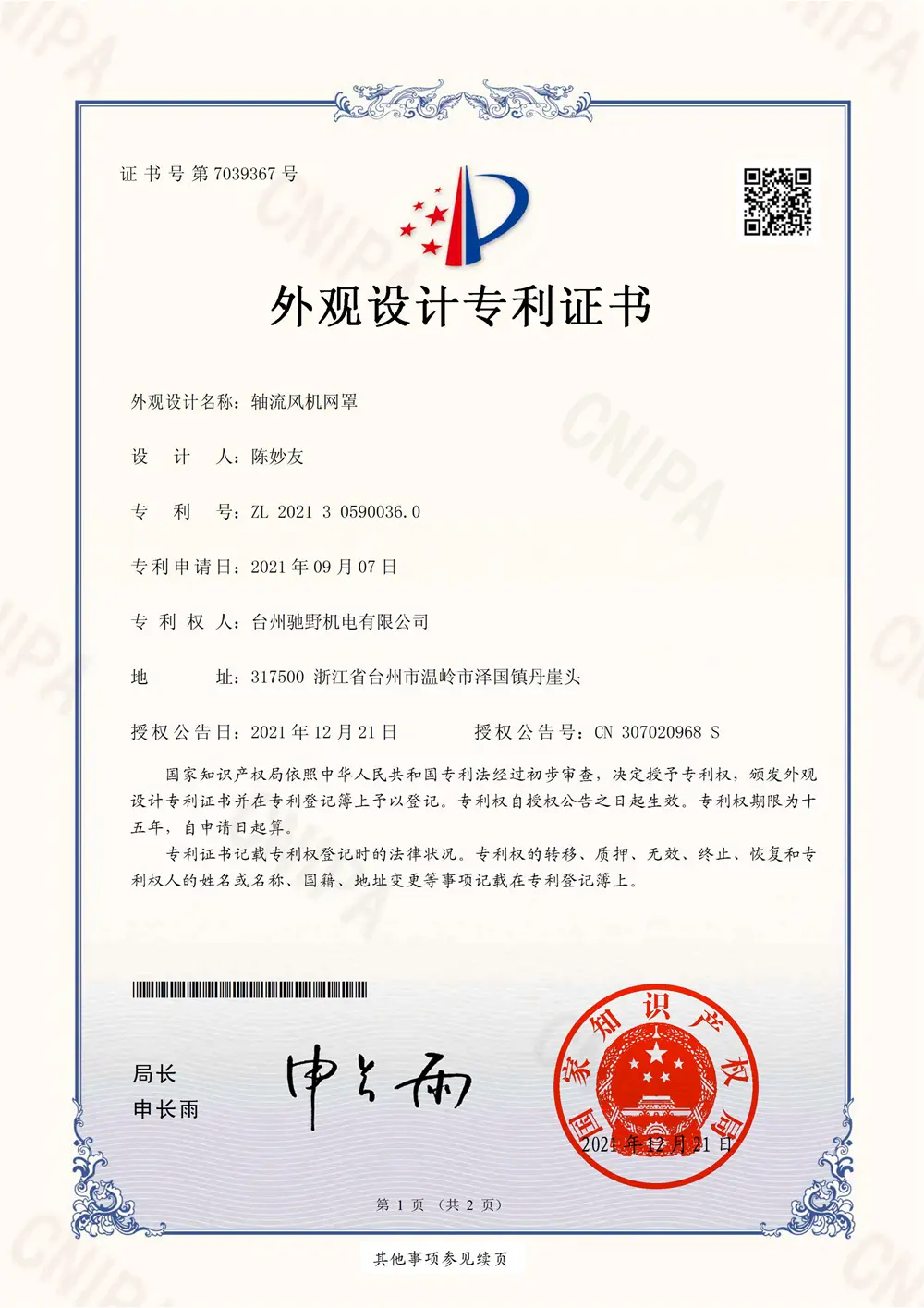
Quality Management & Regulatory Compliance
Our products are manufactured under strict ISO guidelines, holding multiple certifications for domestic and global markets.
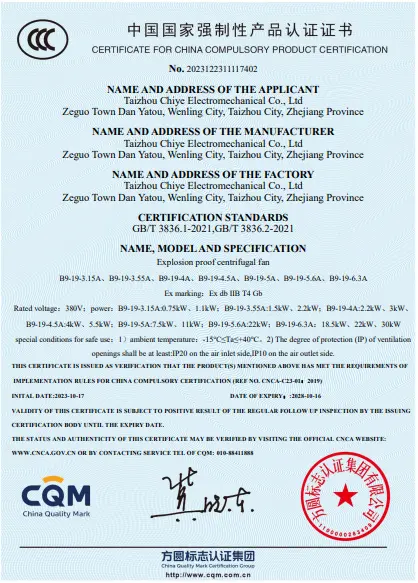
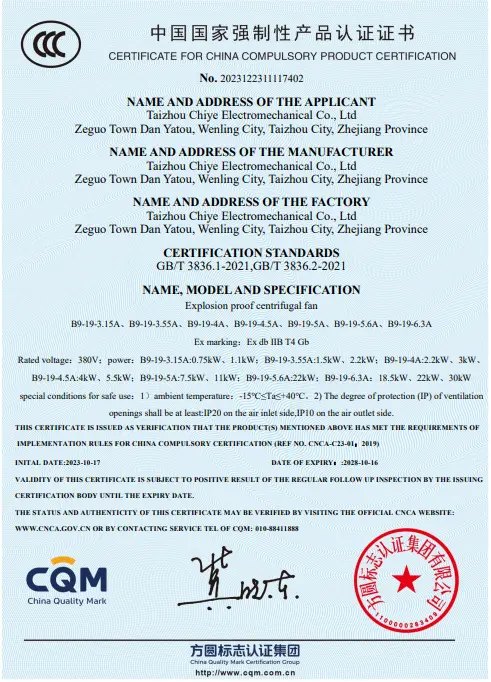
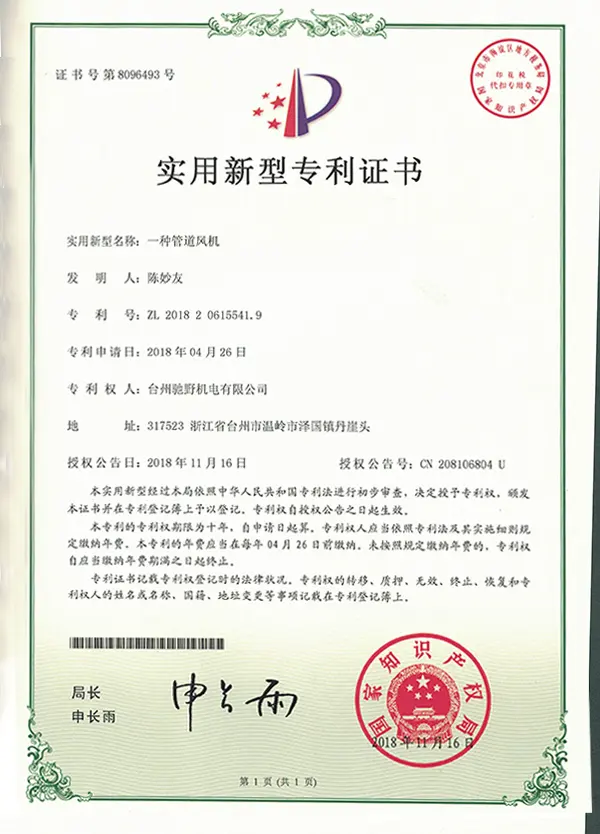
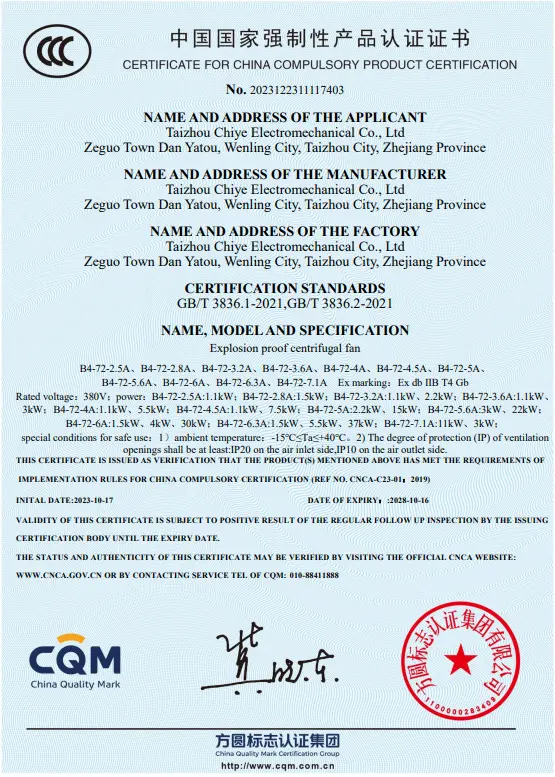

Macro Ventilation Solutions: From Residential to Industrial Kitchens
Addressing the different air extraction requirements of home ranges, large-scale food service operations, and industrial manufacturing plants.
Commercial Kitchen Ventilation Challenges
Unlike residential kitchens, commercial and food service operations generate constant heat, smoke, and moisture. A standard B2B solution for a 36-inch range hood hood in a busy kitchen requires consistent air velocity across the capture area.
To prevent smoke from spilling into the kitchen, the fan must maintain adequate velocity at the face of the hood, drawing grease particles into the filtration system. We design our multi-wing centrifugal fans to deliver high static pressure, helping to overcome the resistance of grease-laden filters and long duct runs.
Industrial Fume Control & Air Filtration
In manufacturing and industrial processing environments, fans must handle more than grease. They must move airborne particulate matter, dust, and process fumes. Our heavy-duty fans (such as the 9-19A and 4-72A series) are built with robust housings and dynamic impellers to withstand challenging industrial conditions.
Video Demonstration: Blower production processes and automated balancing verification at the Chiye factory floor.
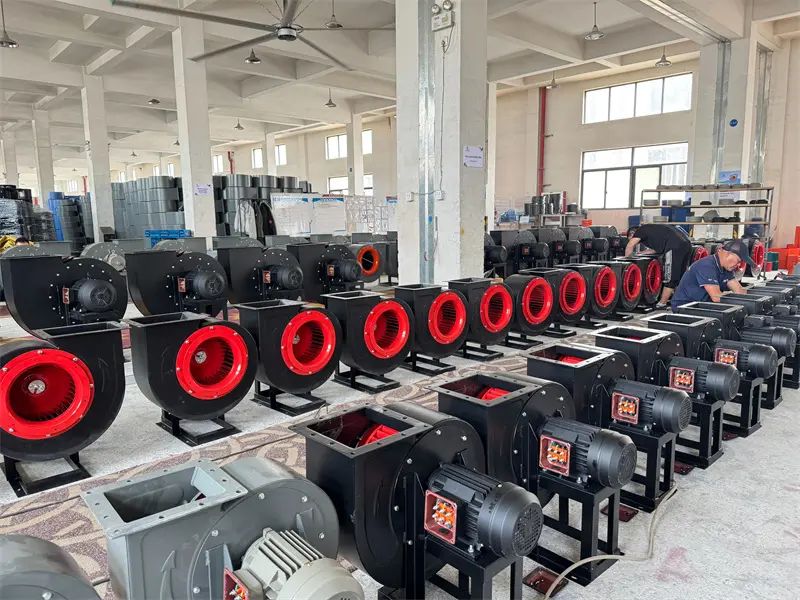
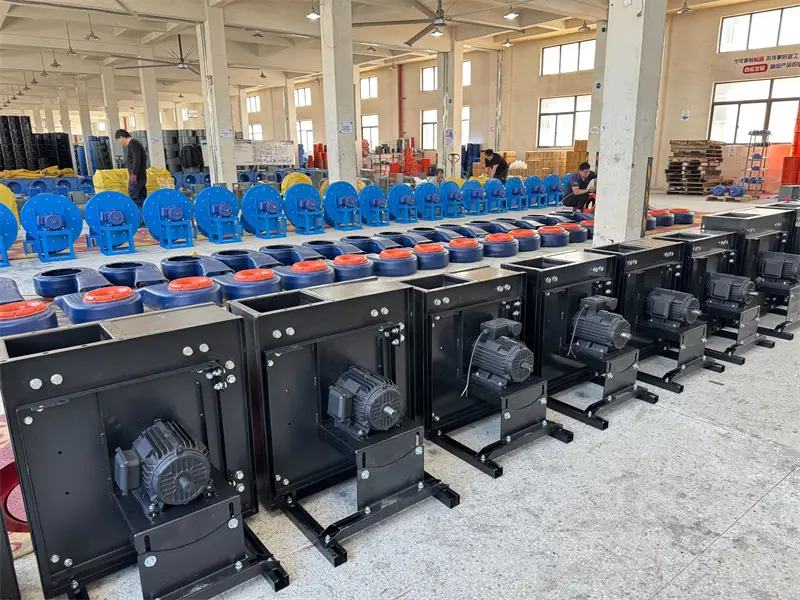
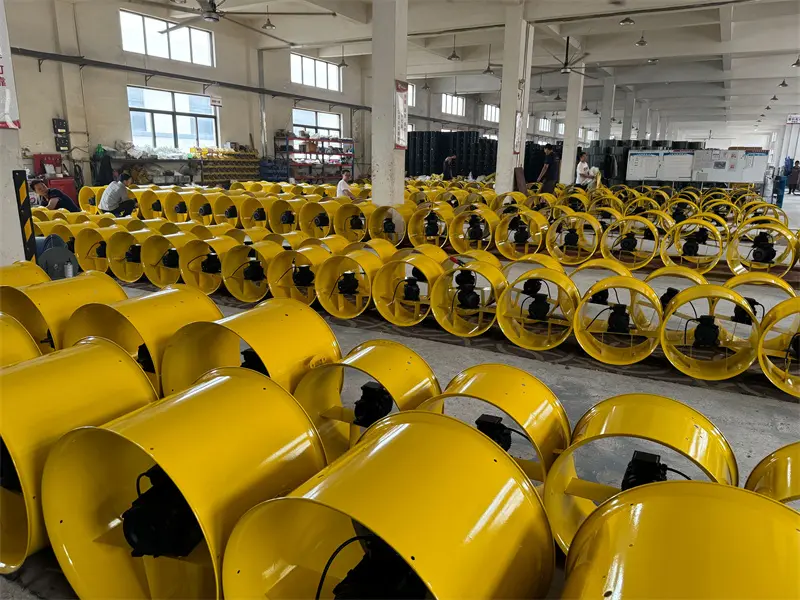
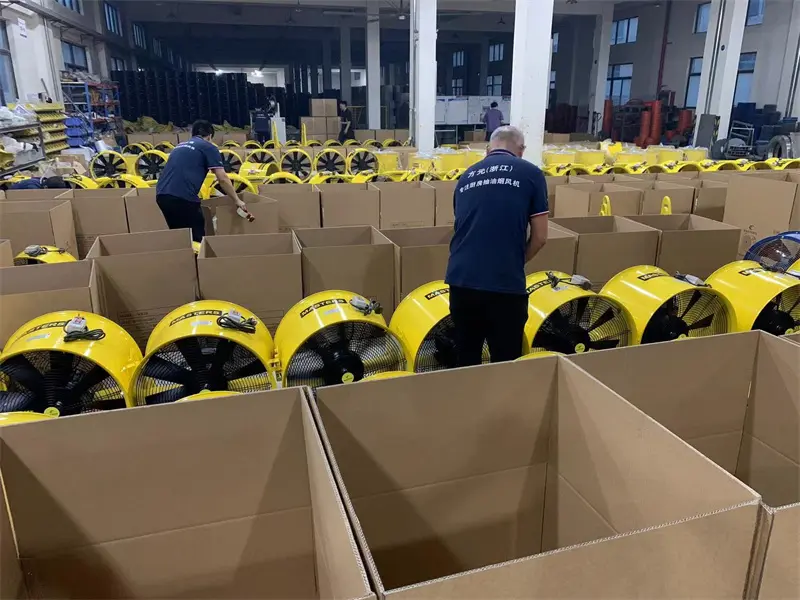
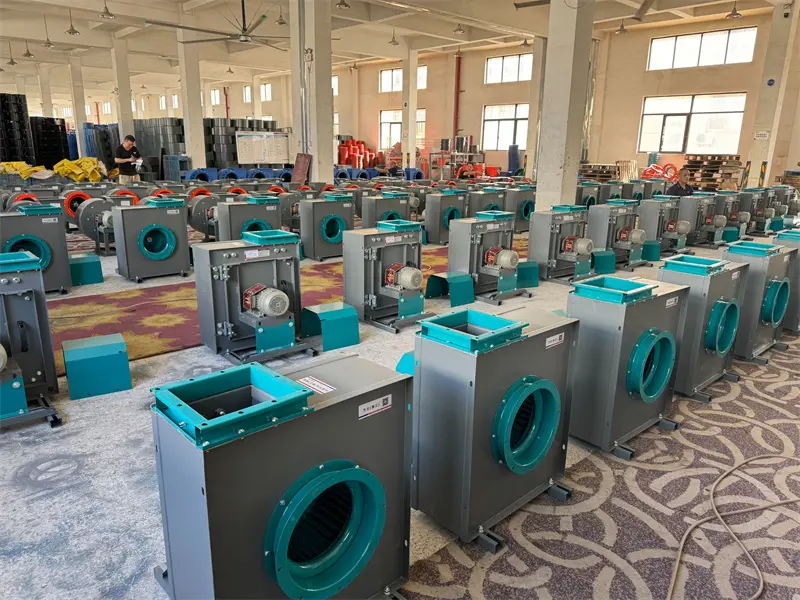
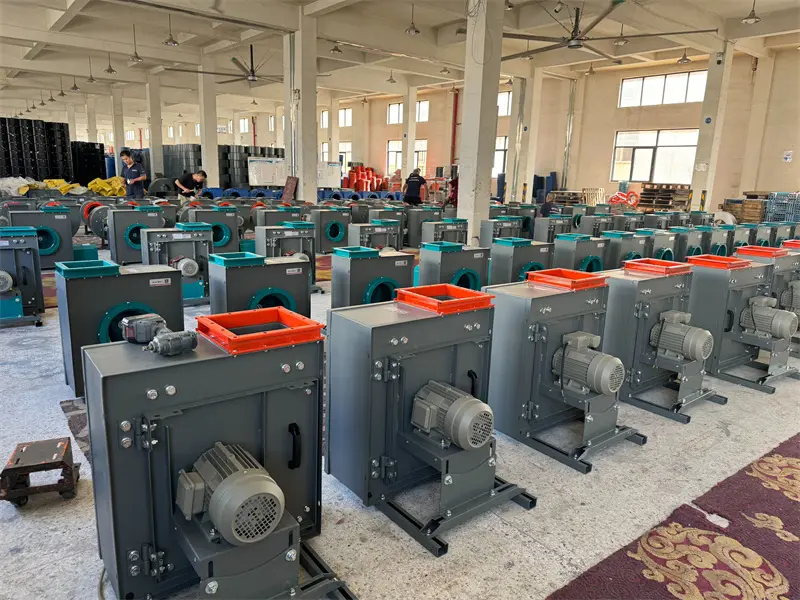
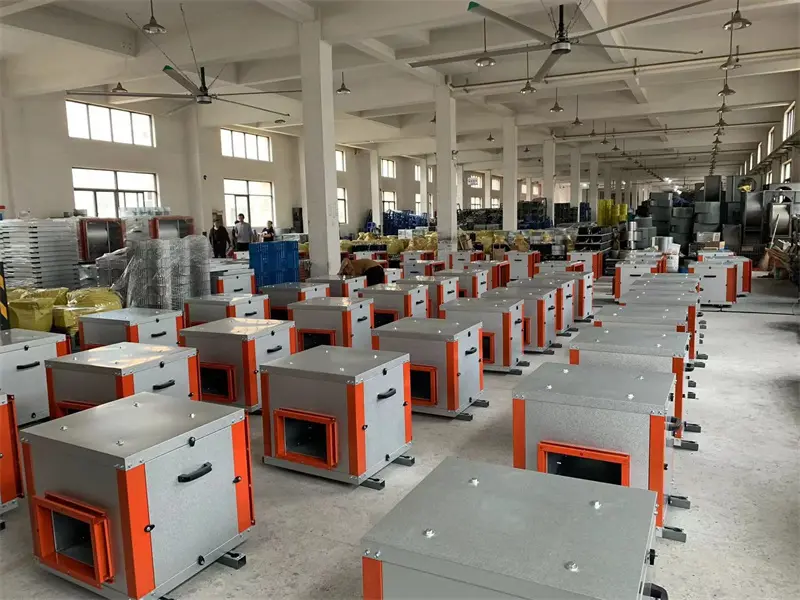
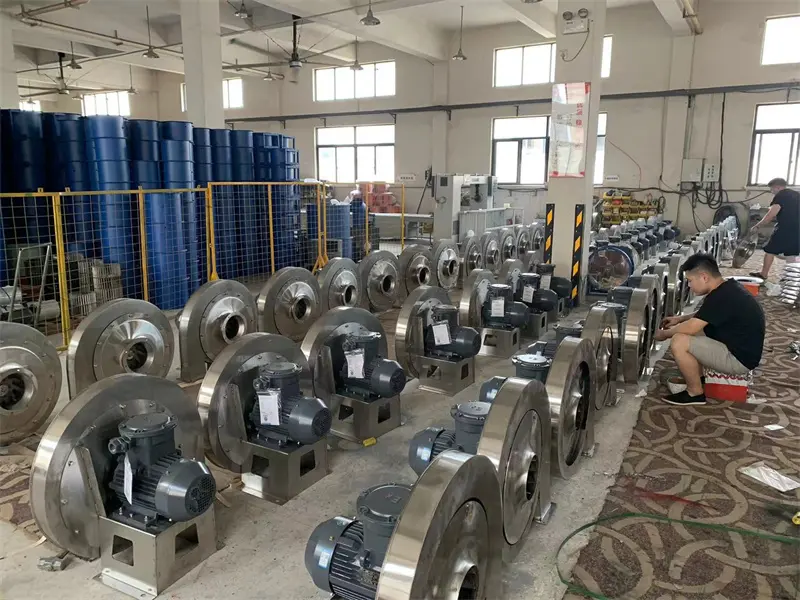
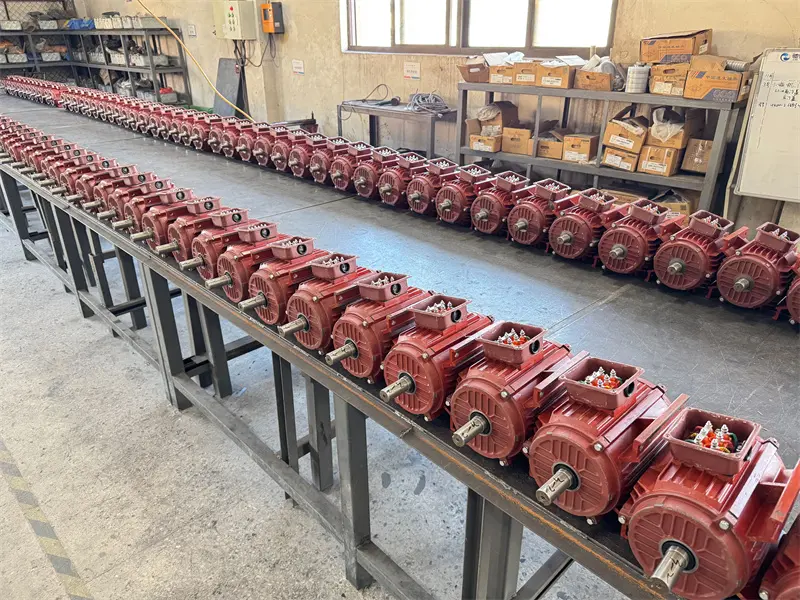
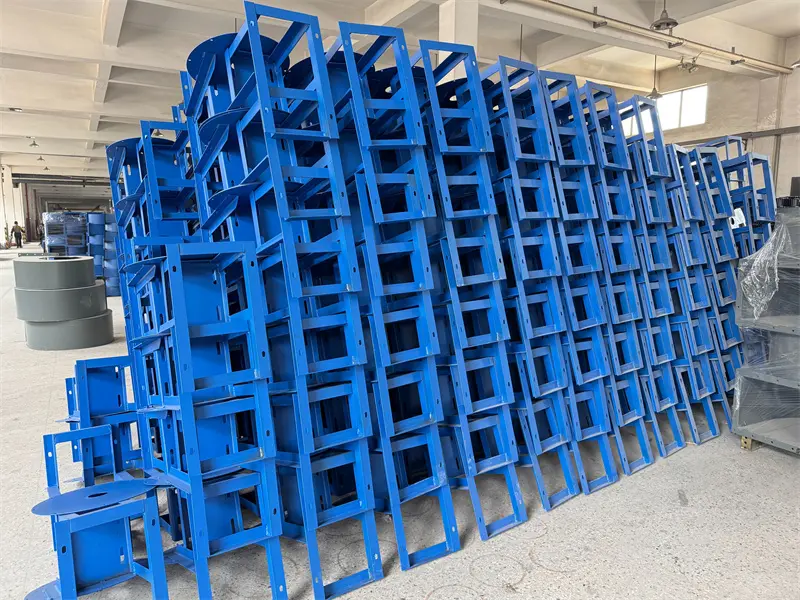
Installed Project Showcase
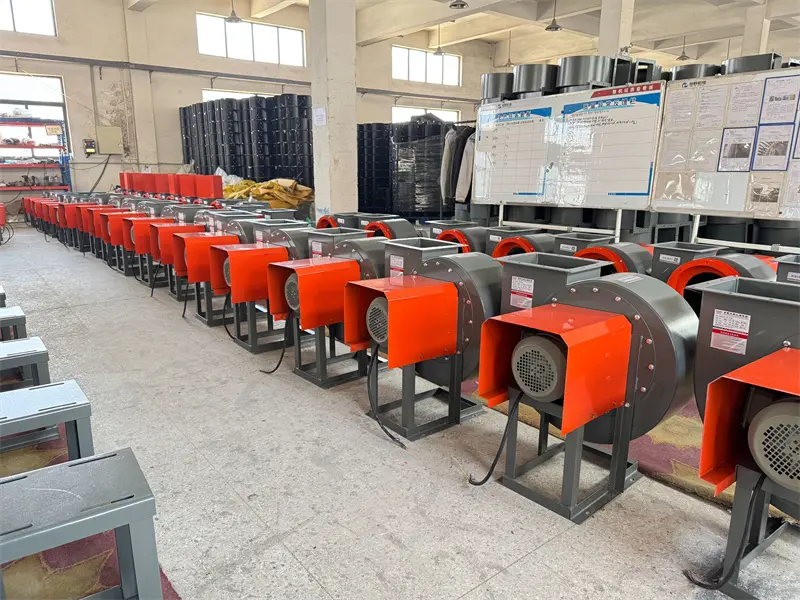
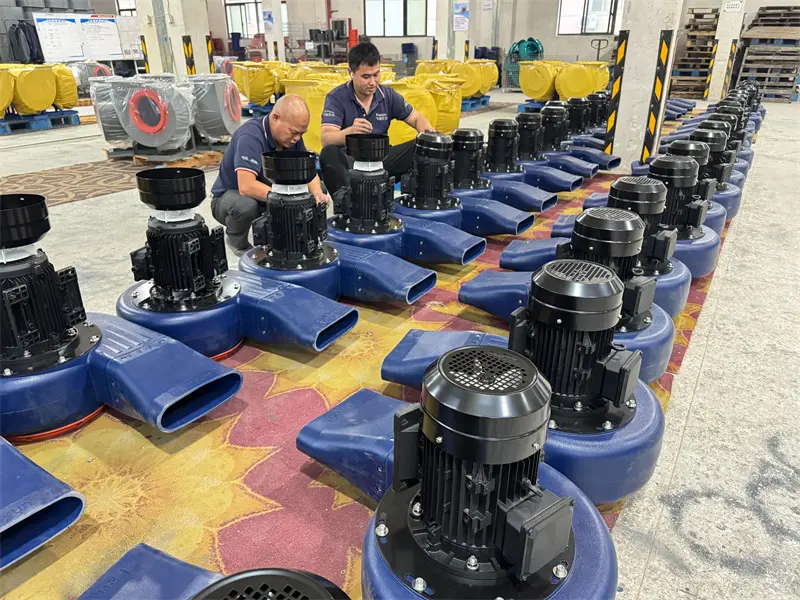
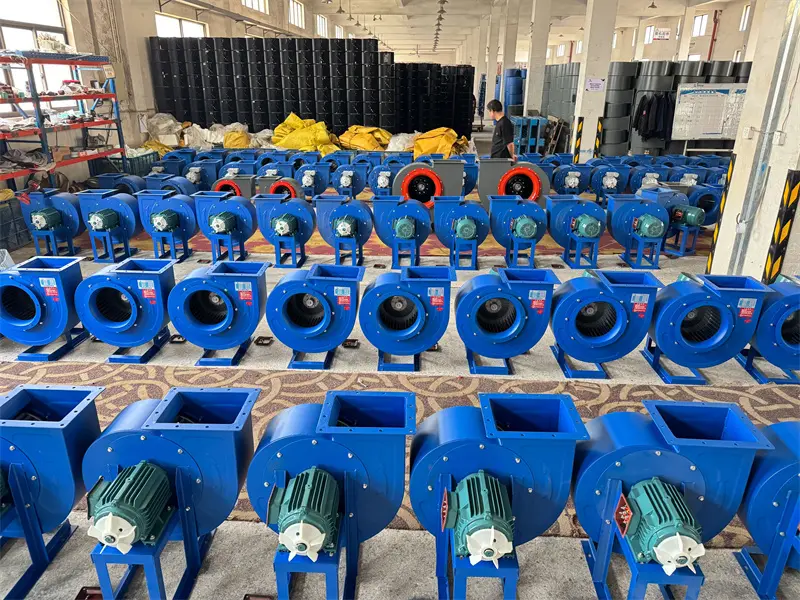
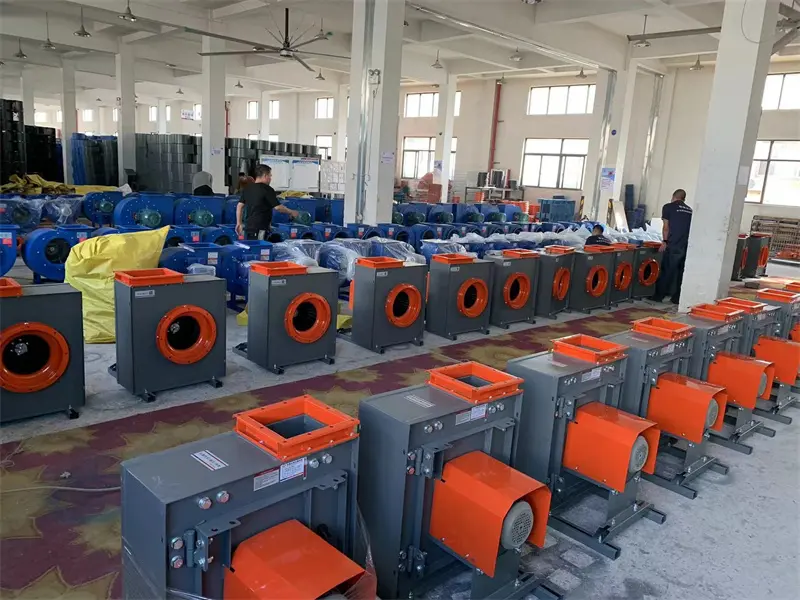
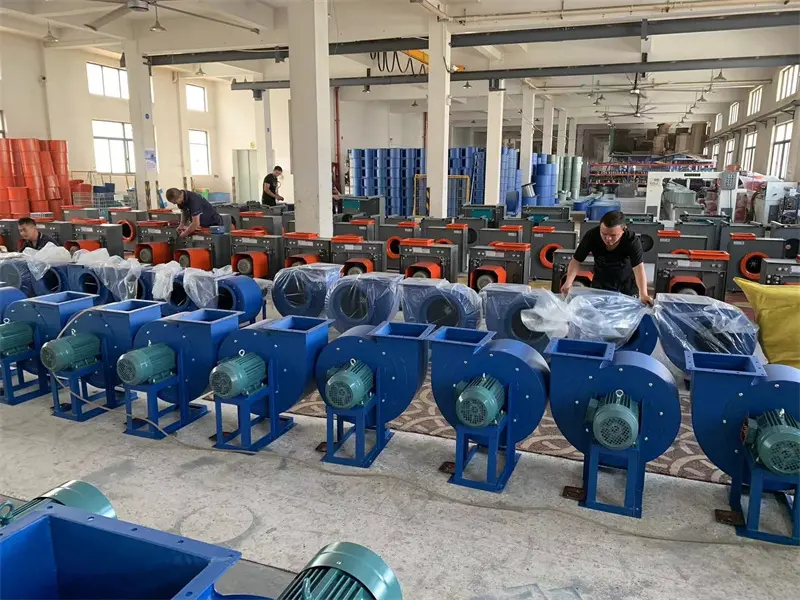
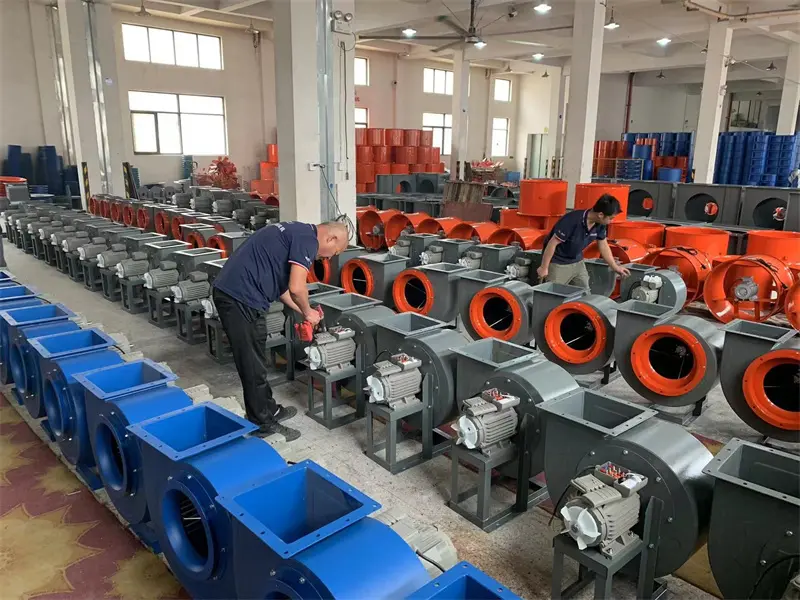
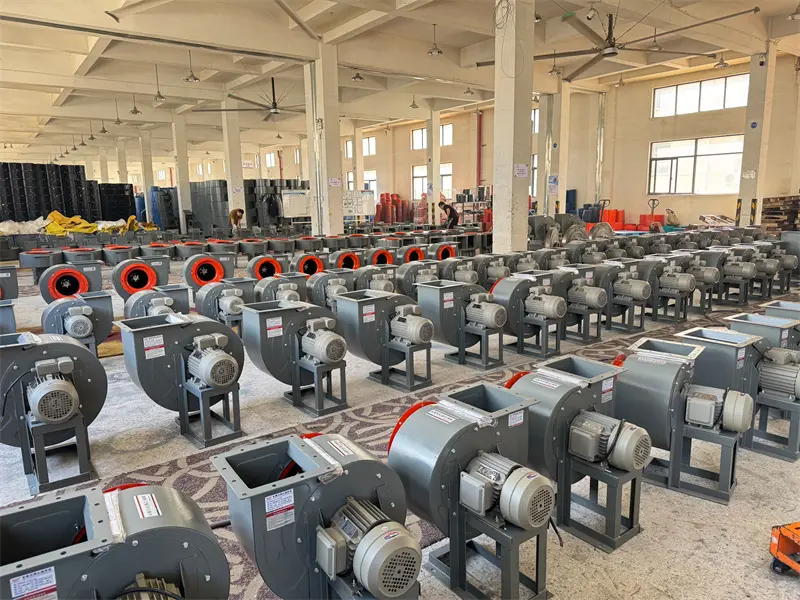
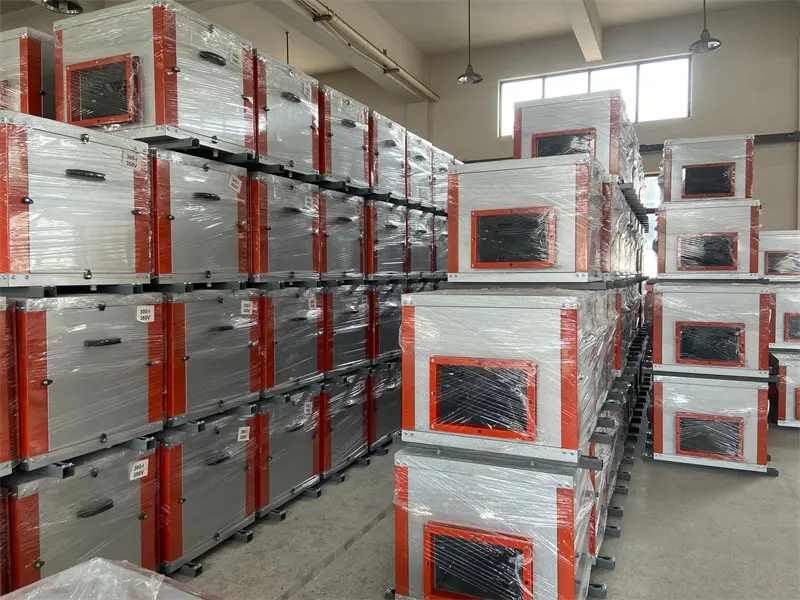
Our ventilation systems are integrated into various industrial plants, commercial kitchens, and environmental systems worldwide.
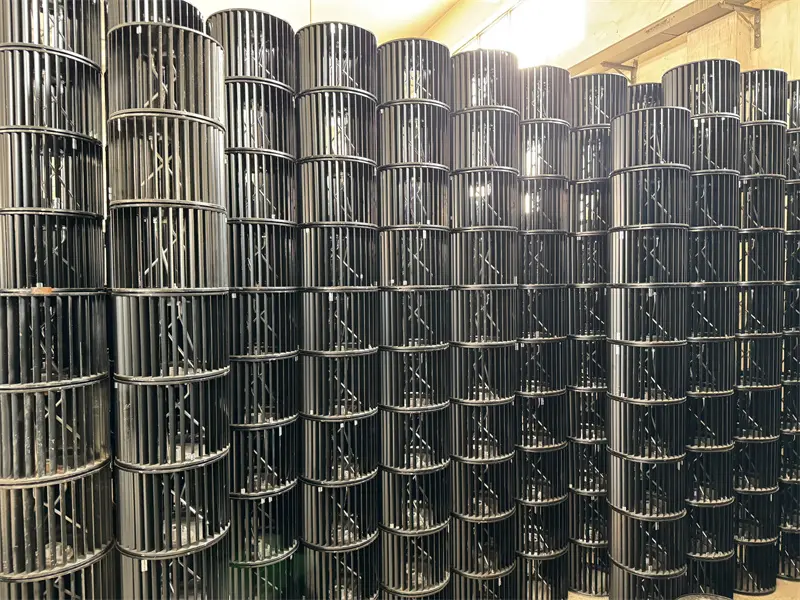
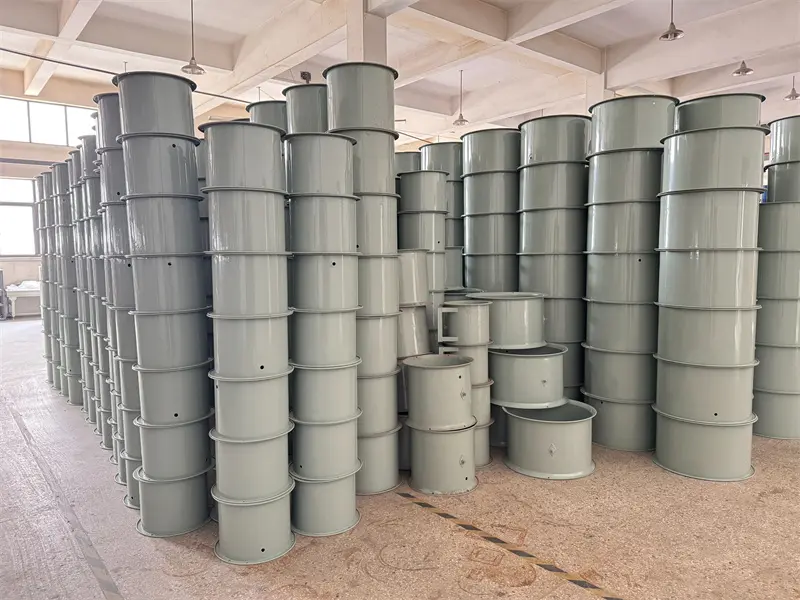
Technical FAQ & Engineering Q&A
Addressing common technical and procurement questions from range hood manufacturers and engineering contractors.
How do you calculate the airflow requirements (CFM) for a 36-inch range hood?
For residential applications, standard recommendations are 100 CFM per linear foot of range width, resulting in 300 CFM for a 36-inch hood. However, for professional ranges or high-heat cooking, requirements increase to 150-200 CFM per foot, which equates to 450-600 CFM. For commercial cooking setups, airflow calculation must also account for the thermal plume velocity and filter resistance to ensure proper containment.
What is the difference between forward-curved and backward-inclined impellers in kitchen ventilation?
Forward-curved (multi-wing) impellers move larger volumes of air relative to their size, making them suitable for compact range hood enclosures. They operate at lower rotational speeds, which helps keep low-frequency noise down. Backward-inclined impellers are more energy-efficient and handle static pressure resistance well, but they require higher rotational speeds and are typically used in larger external blower housings.
Why is dynamic balancing critical for high-CFM kitchen blowers?
Any slight weight distribution error in a fast-spinning impeller causes mechanical vibration. This vibration is transmitted to the range hood frame, generating structural noise and placing uneven loads on the motor bearings. We balance our assemblies using computerized balancing machines to ensure long-term mechanical reliability and quiet operation.
Do your kitchen dedicated fans support custom OEM/ODM motor voltages?
Yes. We build motors to match local electrical grid requirements, including 110V-120V (60Hz) for North America, 220V-240V (50Hz) for Europe and Asia, and three-phase power options for commercial kitchen installations. All motor configurations can be built with thermal overload protection and customized wiring harnesses.
How does Chiye ensure rust and chemical resistance in greasy exhaust systems?
We use grade 304 or 316 stainless steel for impellers and housings destined for high-corrosion environments. For standard steel components, we apply electroplated coatings and specialized powder finishes that resist moisture, grease, and mild acids, preventing surface rust over the operating life of the fan.
What is your standard production lead time for bulk B2B container shipments?
Standard production lead time ranges from 25 to 40 days, depending on the model and customization requirements. Our raw material supply chain and automated production capacity help us maintain stable lead times even during periods of high demand.
More Specialized Exhaust Fans & Industrial Solutions
Browse our range of high-efficiency fan solutions for commercial kitchens, dust removal systems, and industrial exhaust applications.
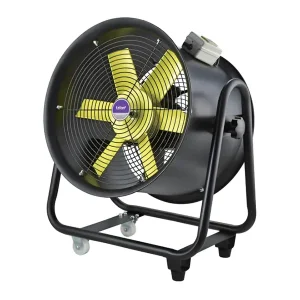
Custom CMF Series Two-Way Ventilation And Low Noise Axial Fan Service, Exporters
Explore Product Specifications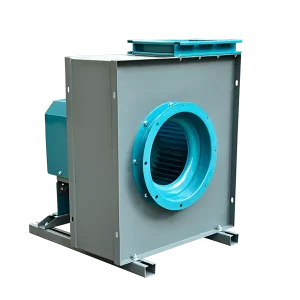
OEM SRE Commercial Kitchen Specific Multi Wing Low-noise Centrifugal Fan Manufacturer
Explore Product Specifications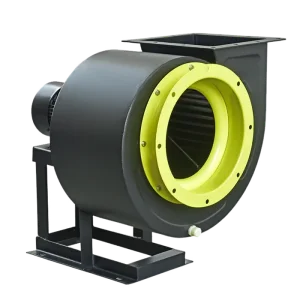
ODM Kitchen Fan 11-62 Service, Suppliers
Explore Product Specifications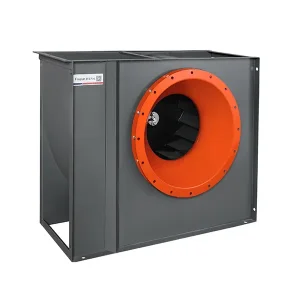
Wholesale 4-82 Multi Wing Low Noise Centrifugal Fan Companies, Supplier
Explore Product Specifications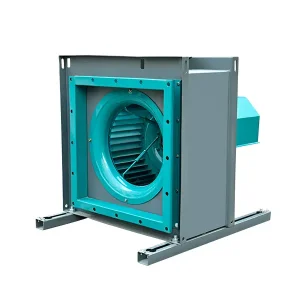
Custom CY-16 Specialized Centrifuge For Oil Fume Purification Exporter, Factory
Explore Product Specifications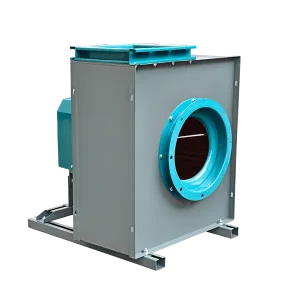
Wholesale SRF Kitchen Specific Centrifugal Fan Manufacturer, Companies
Explore Product Specifications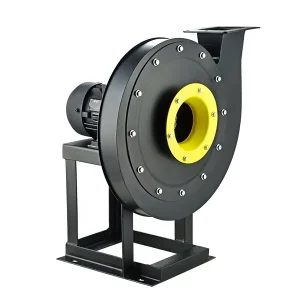
Wholesale 9-19A High Pressure Centrifugal Fan Factory, Manufacturers
Explore Product Specifications