 Chiye Fan
Our Premium Ventilation Systems
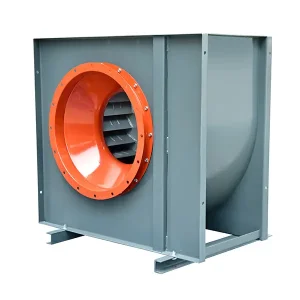
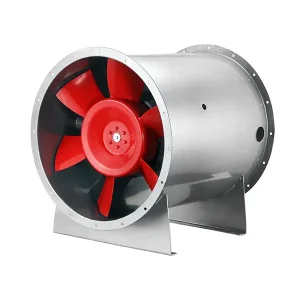
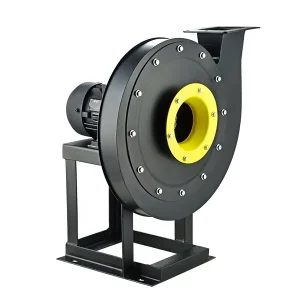
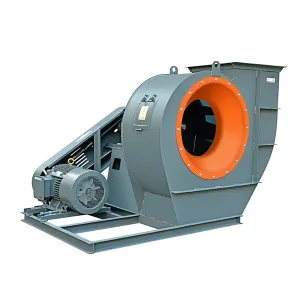
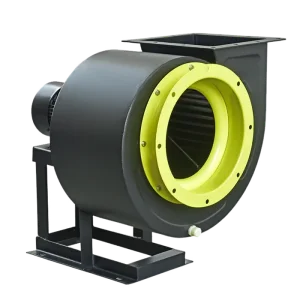
The 2024 Whitepaper: Evolution of Commercial Ventilation
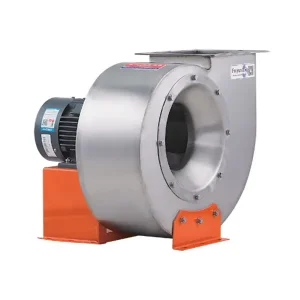
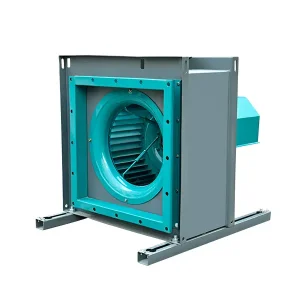
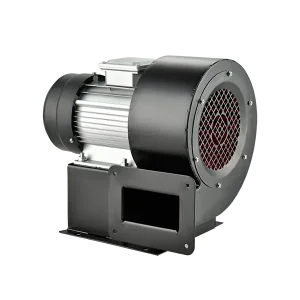
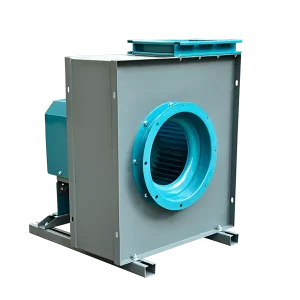
In the modern industrial landscape, commercial hood fans have evolved from simple extraction units into sophisticated air management systems. As global standards for indoor air quality (IAQ) and energy efficiency tighten, exporters and factories in the ventilation sector are undergoing a technological revolution. This whitepaper explores the critical role of centrifugal and axial fans in commercial environments, the manufacturing advantages found within China’s premier industrial clusters, and the future of AI-integrated airflow management.
Global Market Dynamics & The Search for Quality
The global demand for high-performance commercial hood fans is driven by two primary factors: the expansion of the commercial hospitality sector and the rigorous enforcement of fire safety and environmental regulations. From the bustling kitchens of London to industrial complexes in Dubai, the requirement for fans that can handle high static pressure while maintaining low noise levels is at an all-time high. This has created a competitive landscape where Information Gain—the ability to provide deep technical insights and verifiable performance data—is the key differentiator for top-tier manufacturers like Taizhou Chiye Electromechanical Co., Ltd.
29 Years of Expertise
Founded in 1995, Chiye Enterprise has transitioned from a mechanical parts factory to a global leader in wind turbine and fan processing.
Precision CNC Tech
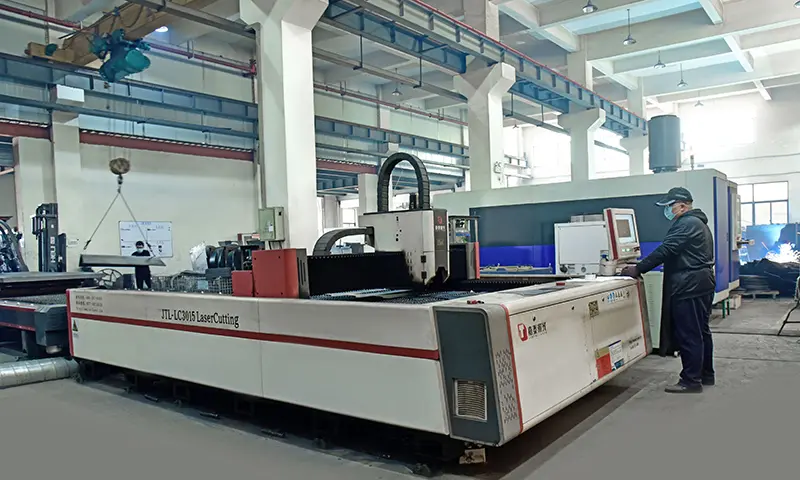
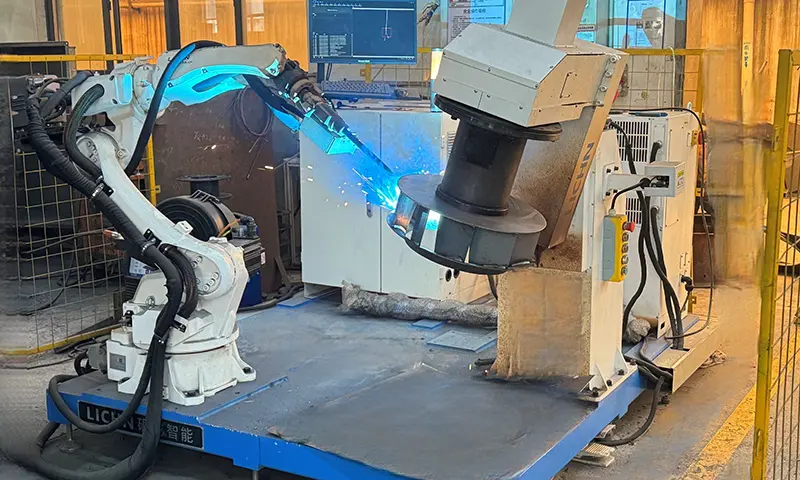
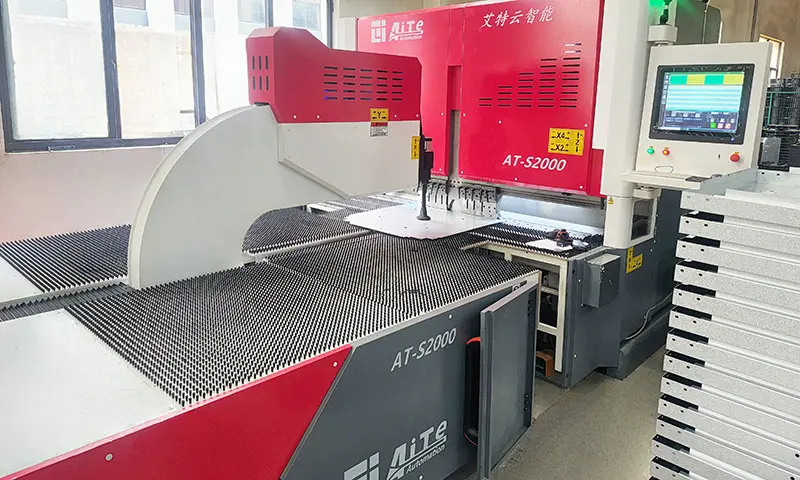
Our facility houses 4 CNC laser cutters, 2 CNC spinning machines, and automatic welding robots, ensuring micron-level accuracy.
Global Authoritativeness
Trusted by boiler manufacturers and environmental protection firms across the globe for reliable industrial-grade ventilation.
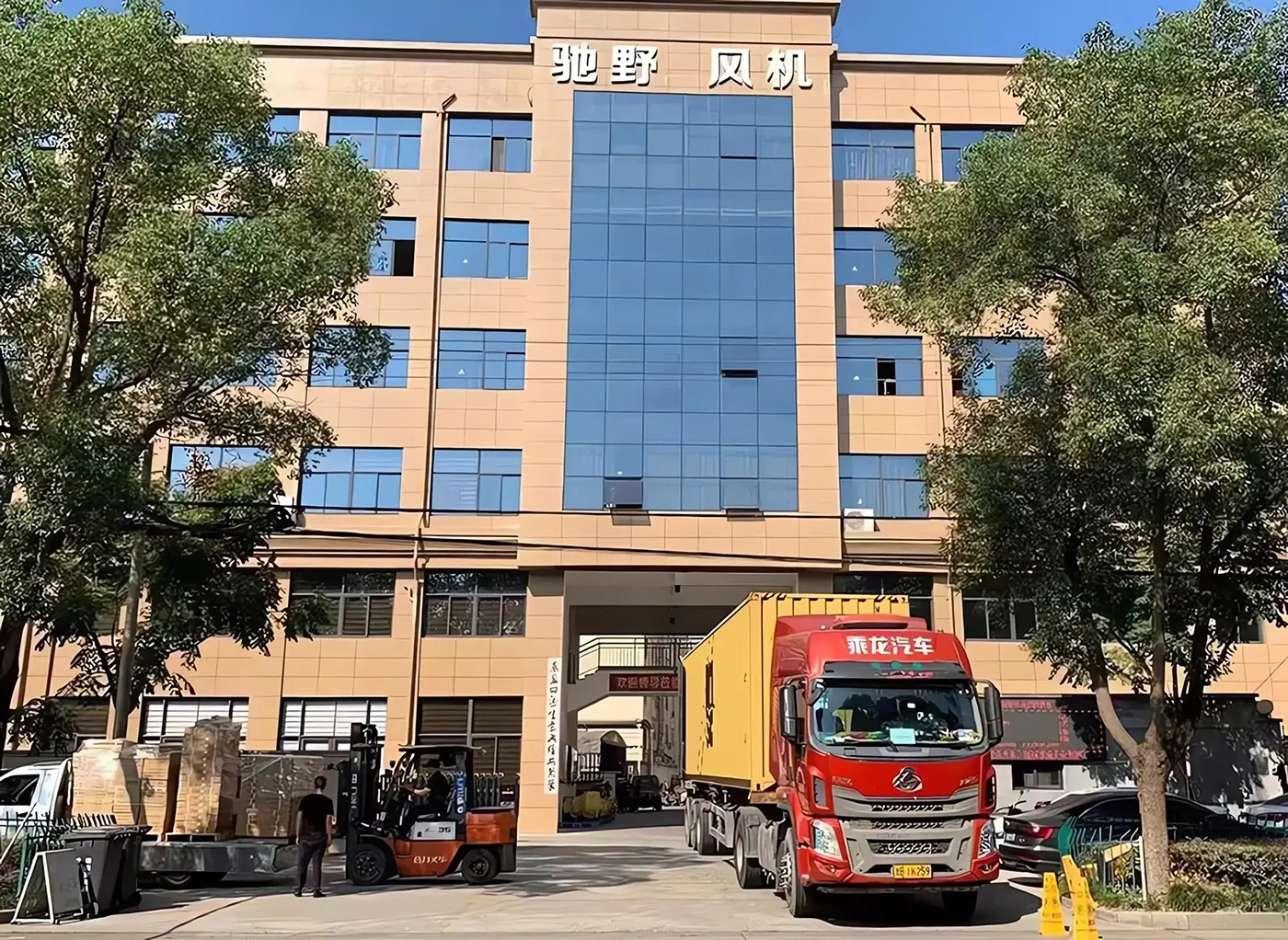
About Chiye Enterprise
TAIZHOU CHIYE ELECTROMECHANICAL CO., LTD.
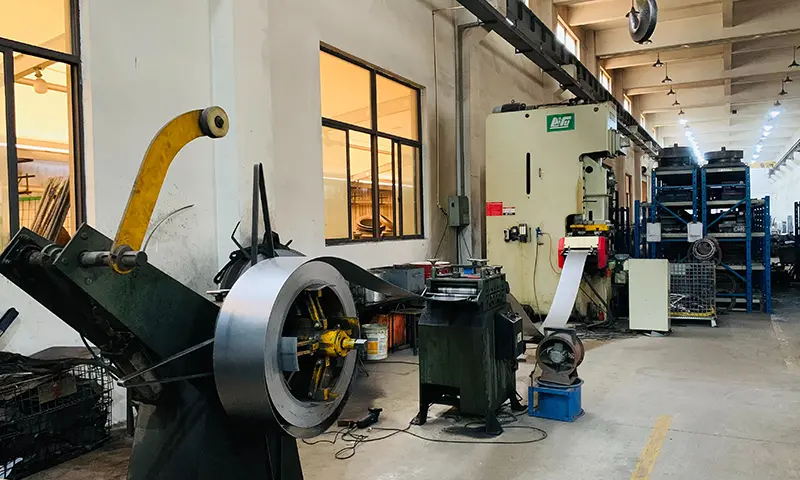
Chiye Enterprise was founded in 1995, formerly known as Wenling Zeguo Wanfang Mechanical and Electrical Parts Factory. The company has standard factory buildings and warehouses, a strong technological center, and a specialized wind turbine processing center. It now has 4 CNC laser cutting machines, 2 CNC spinning machines, 2 bending machines, 2 shearing machines, 1 turret punch machine, 6 computer digital balancing machines, and purchased automatic welding robots and a complete set of automatic welding equipment in 2013.
The "China Advantage" in Commercial Hood Fan Manufacturing
China has solidified its position as the global hub for ventilation equipment. Factories in regions like Taizhou benefit from a mature industrial ecosystem, allowing for rapid OEM/ODM prototyping and cost-effective scaling. However, the modern "China Advantage" is no longer just about cost; it is about technological integration. By utilizing advanced CNC automation and computerized balancing, Chinese factories like Chiye provide products that rival European engineering in terms of low noise output and thermodynamic efficiency.
Macro Industry Solutions: Beyond the Kitchen
While often associated with commercial kitchens, high-capacity centrifugal fans are critical in diverse macro-industrial scenarios:
- Environmental Protection: Dust removal and air filtration in chemical processing plants.
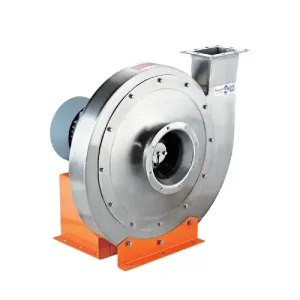
- Boiler Systems: Forced draft and induced draft fans for efficient combustion and thermal management.
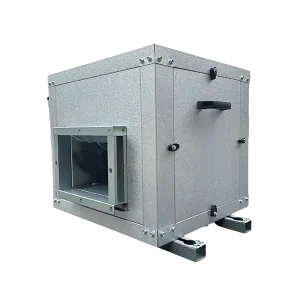
- Fire Safety: HTF series fans designed for emergency smoke extraction in high-rise buildings and subways.
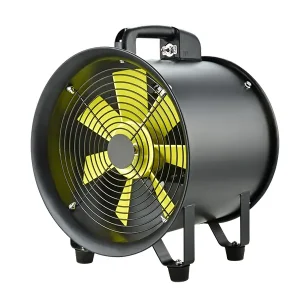
- Marine Application: Specialized axial fans with anti-corrosive coatings for maritime ventilation.
Future Trend: Smart & Green Ventilation
The industry is moving toward "Demand-Controlled Ventilation" (DCV). By integrating IoT sensors and variable frequency drives (VFD), modern hood fans can adjust their speed based on air quality metrics, reducing energy consumption by up to 40%. Our vision is to assist in the optimization of the global energy structure through these sustainable wind turbine solutions.
Advanced Manufacturing Facility
Precision Engineering Through Digital Automation
B2B Procurement Insights & FAQ
Addressing the Key Concerns of Global Sourcing Directors
Global procurement for commercial ventilation equipment requires a focus on Compliance (CE, ISO), Logistics, and Technical Support. Enterprise buyers are increasingly looking for "Solution Providers" rather than mere "Component Suppliers." This means looking for factories that can provide CAD designs, performance curves, and long-term maintenance cycles.
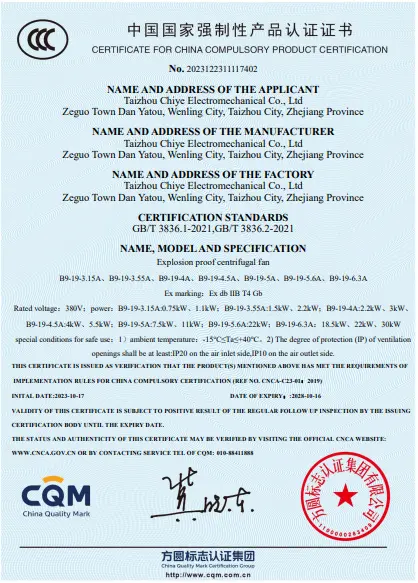
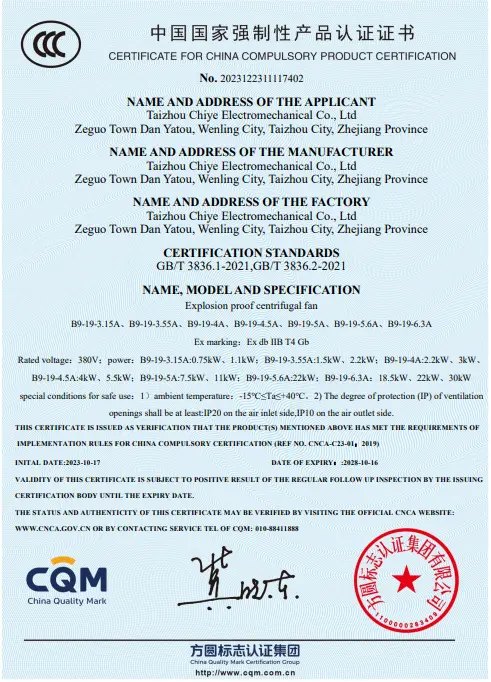
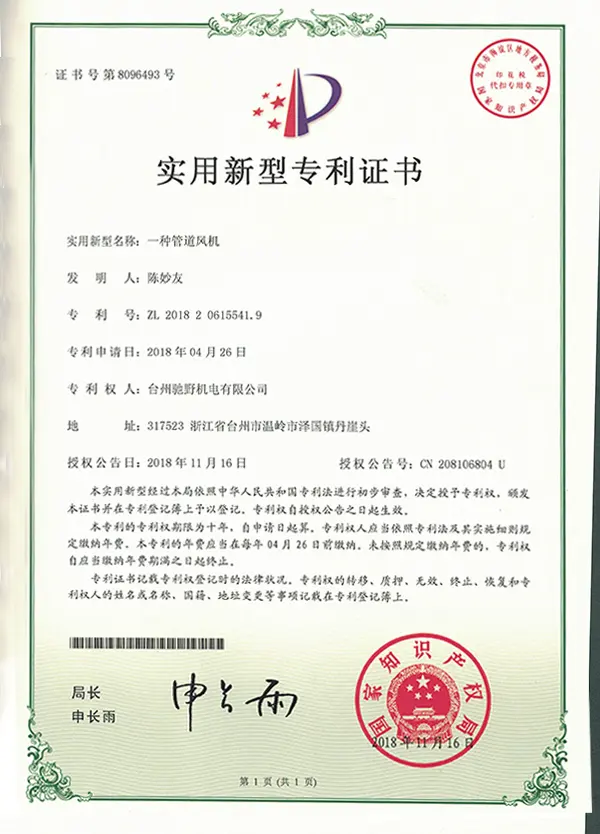
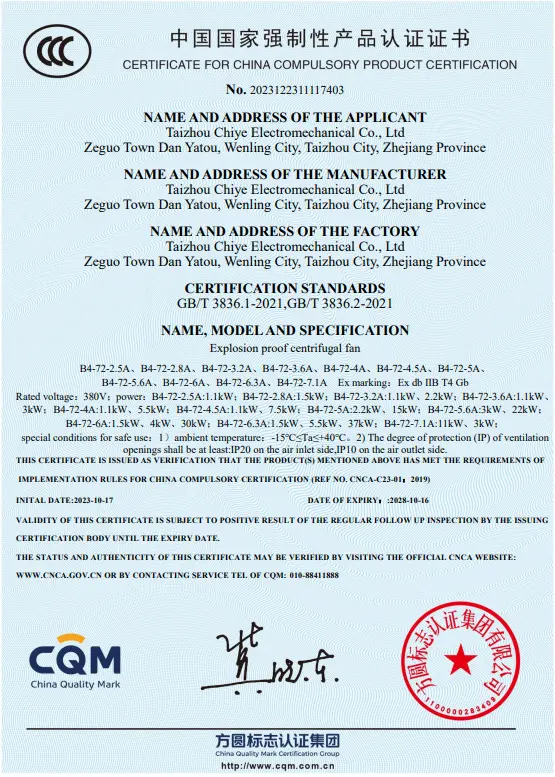
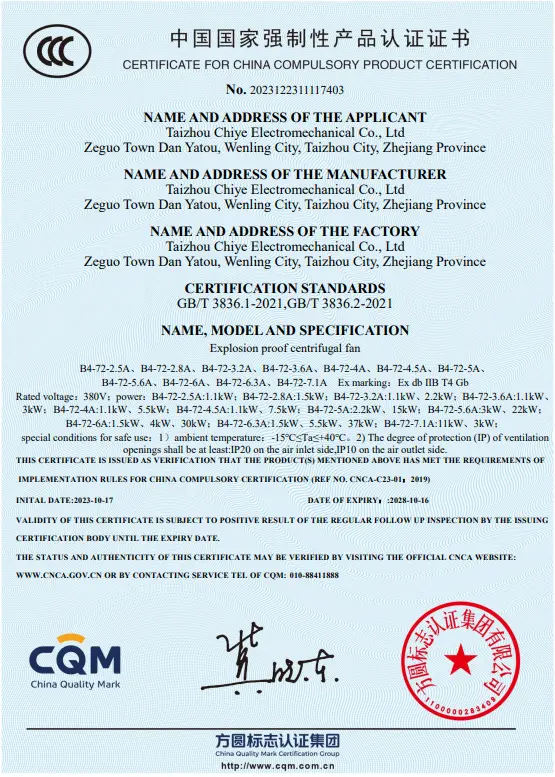
Certified Excellence
Adhering to International Standards of Safety and Quality