 Chiye Fan
Top-Tier Engineering Solutions
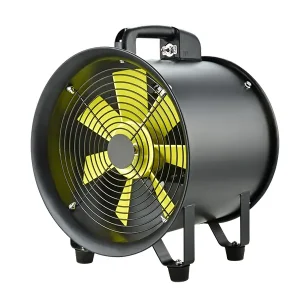
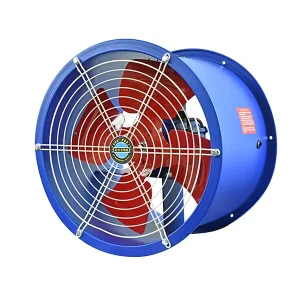
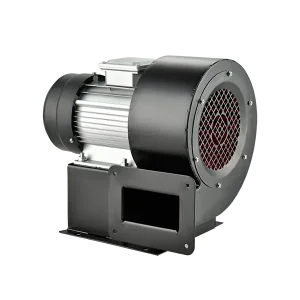
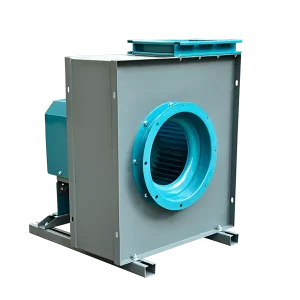
Explore our highly engineered range of industrial centrifugal fans and axial flow solutions, built on 29+ years of impeller aerodynamics and structural excellence.
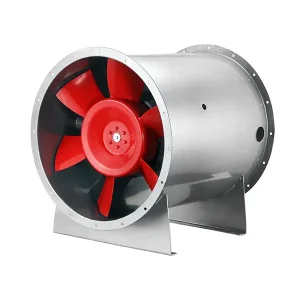
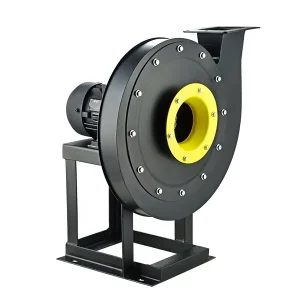
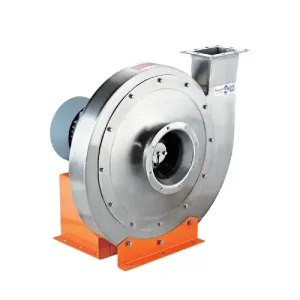
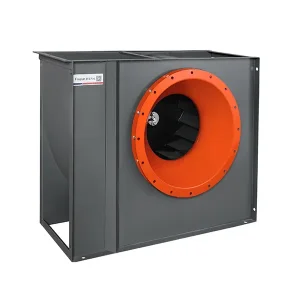
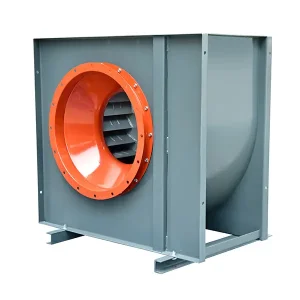
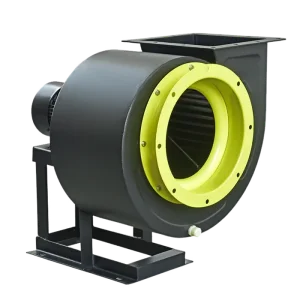
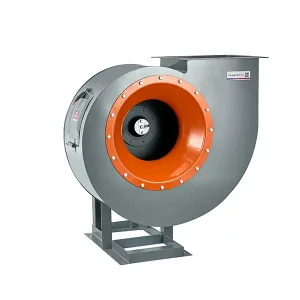
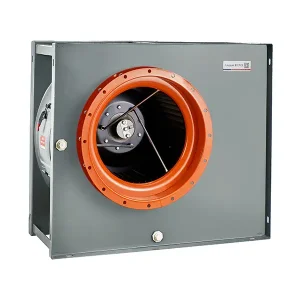
The Nexus of Dynamic Impeller Engineering
Within modern industrial infrastructure, the management of fluid dynamics—whether accelerating high-temperature gaseous effluents or pumping viscous fluids—relies heavily on the design of the rotating impeller. Impeller pumps and industrial centrifugal blowers operate on the fundamental physical principle of centrifugal force transference, converting mechanical rotational kinetic energy into static pressure and velocity within fluid systems.
As global environmental regulations tighten, the demand for highly efficient impeller architectures has increased dramatically. Industrial procurers and engineering teams no longer evaluate pumps and fans simply as commodity hardware. They view them as highly specialized assets whose efficiency directly determines the operational profitability and carbon footprint of entire facilities.
Computational Fluid Dynamics (CFD) Validation
Every impeller geometry undergoes strict virtual modeling to eliminate aerodynamic turbulence, minimize frictional drag, and maximize volumetric output relative to energy consumption.
Global Technological Trajectories & Evolution
How modern fluid mechanics and advanced manufacturing are reshaping the impeller pump and blower industries.
Aerodynamic Blade Optimization
By shifting from flat-plate designs to complex multi-wing configurations (such as the 4-82 and BCF low-noise series), modern factories reduce boundary-layer separation. This maximizes airflow and head pressure while minimizing structural vibration and noise.
Corrosion and Thermal Resistance
Procurers look for high-grade metallurgy, such as SUS304 and SUS316L stainless steel, to prevent premature component failure. This is critical in demanding systems like custom high-temperature smoke exhaust fans (HTF series).
IoT-Enabled Smart Monitoring
Next-generation impeller machinery integrates vibration, temperature, and current sensors directly into the bearing blocks. This facilitates predictive maintenance programs, reducing unplanned downtime in continuous process industries.

China Factory 4.0: Resilient Production & Structural Efficiencies
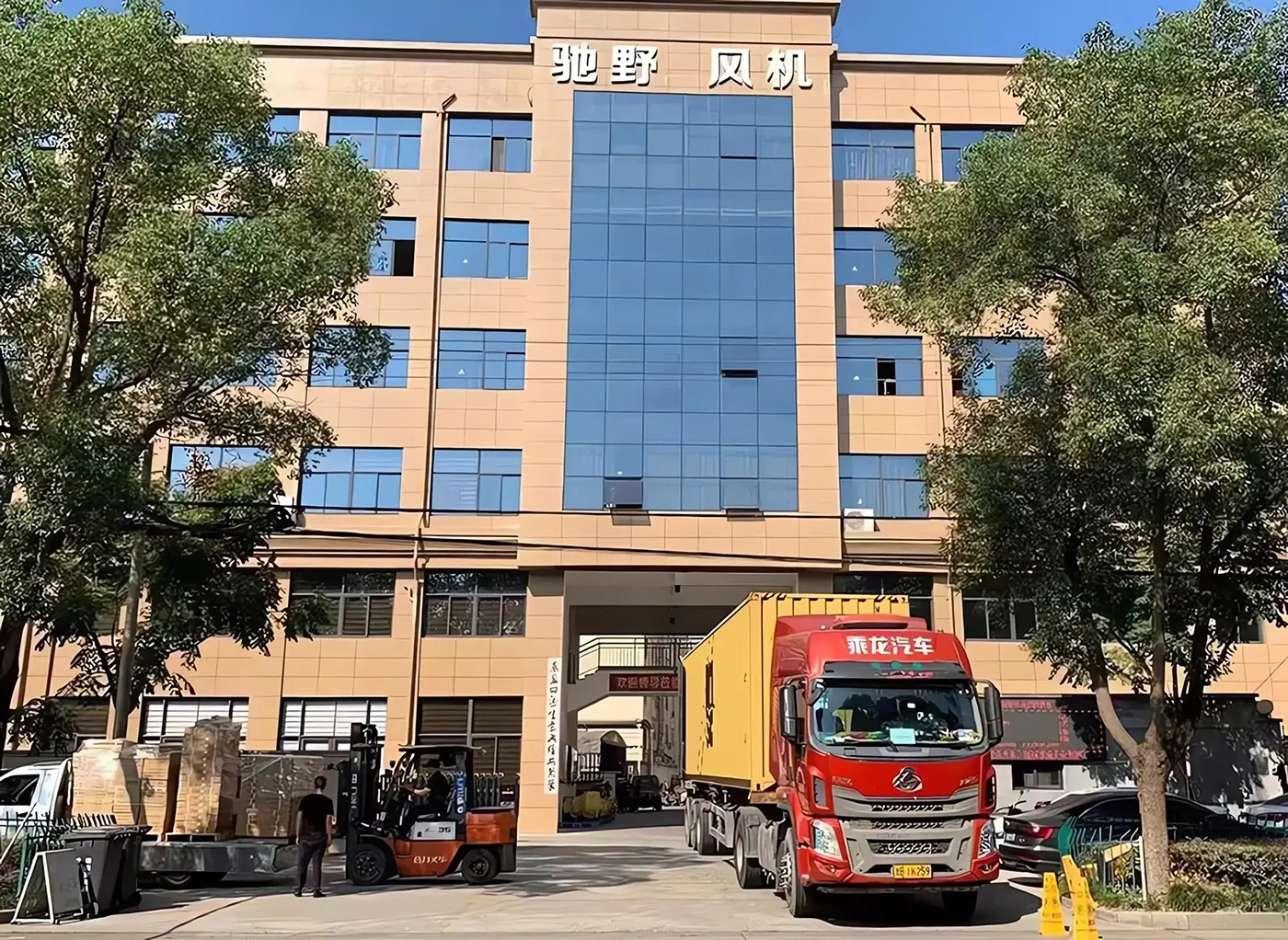
Taizhou Chiye Electromechanical Co., Ltd. was established in 1995 (formerly known as Wenling Zeguo Wanfang Mechanical and Electrical Parts Factory). Over the last three decades, it has evolved from a specialized component machine shop into a leading industrial blower and impeller manufacturing enterprise. Our facility spans 20,000 square meters of state-of-the-art manufacturing space.
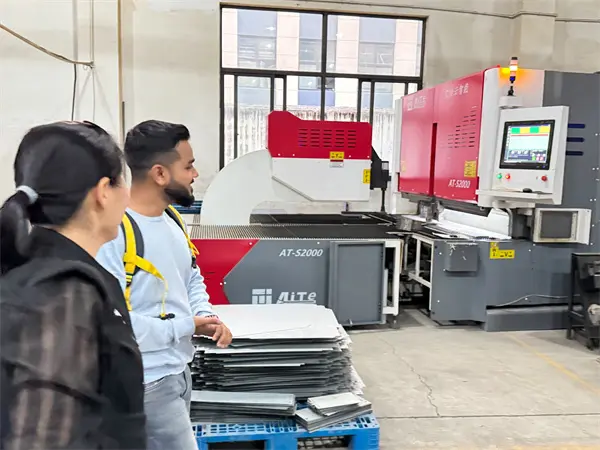
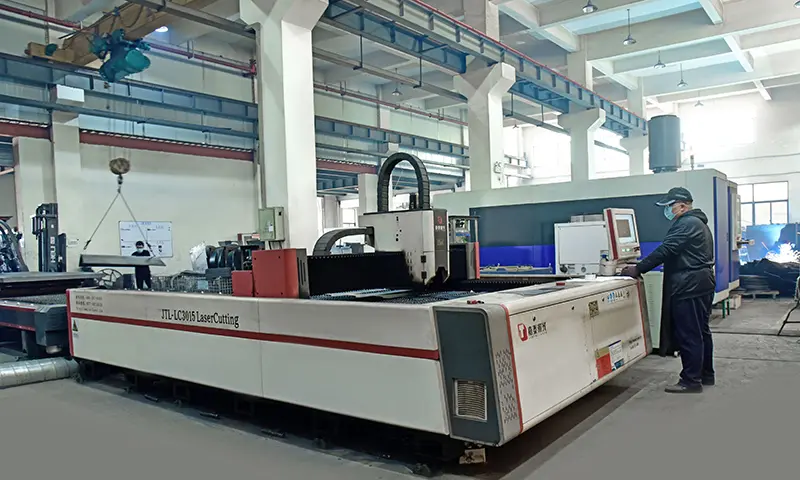
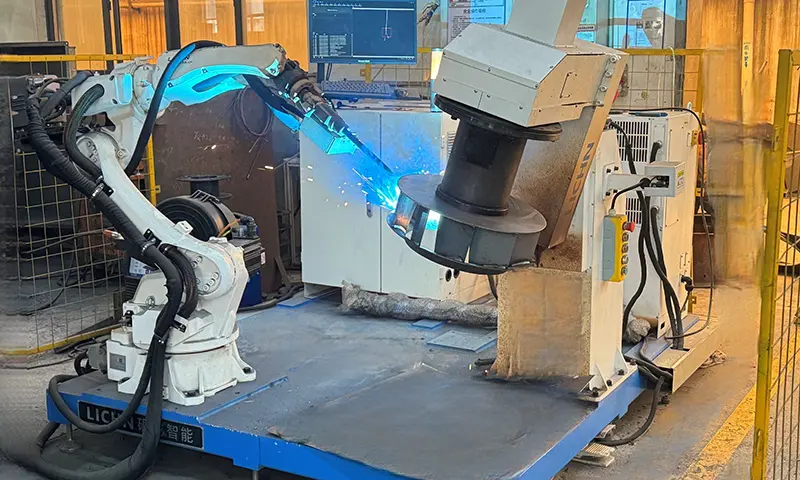
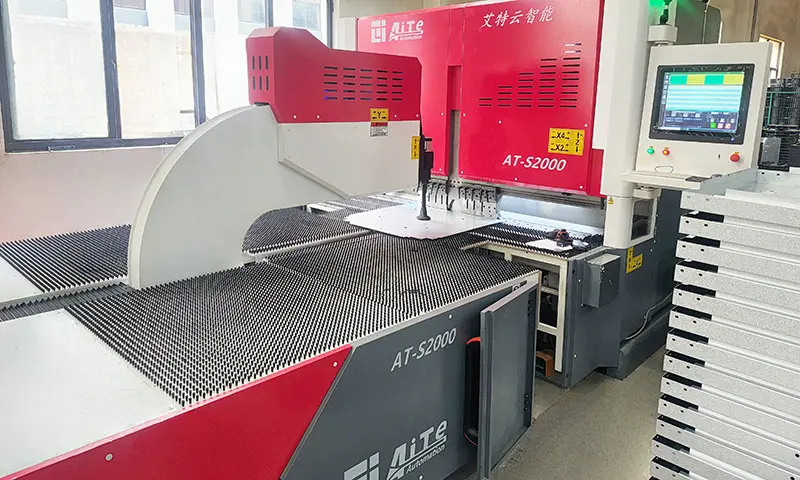
Our commitment to Industry 4.0 protocols is anchored by a significant capital investment in advanced manufacturing technology. In 2013, Chiye acquired heavy-duty automatic welding robots alongside a full suite of automated welding machinery. Additionally, the company developed 4 sets of specialized CNC welding equipment specifically optimized for high-pressure wind turbine and impeller fabrication. Today, our facility houses 4 CNC laser cutting machines, 2 CNC metal spinning machines, 2 automated bending machines, 2 shear units, 1 advanced turret punch, and 6 high-precision computerized digital balancing rigs.
This automated infrastructure guarantees exceptional mechanical precision and guarantees manufacturing consistency across large-scale production runs. By standardizing high-end fabrication processes, we provide international clients with a reliable supply chain, shorter lead times, and competitive, direct-from-factory pricing.
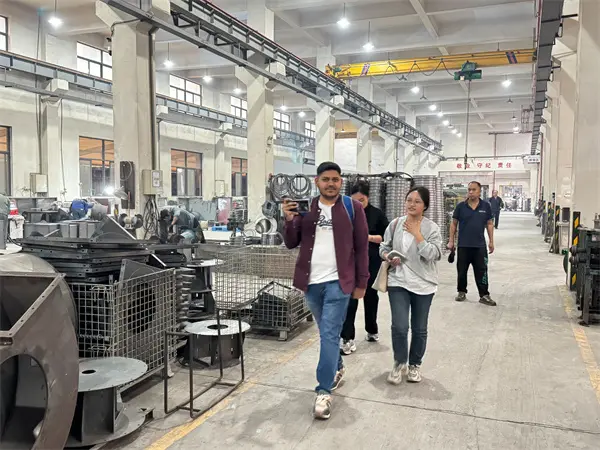
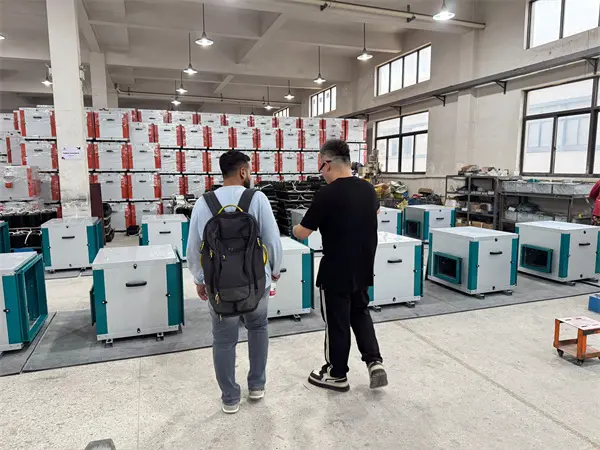
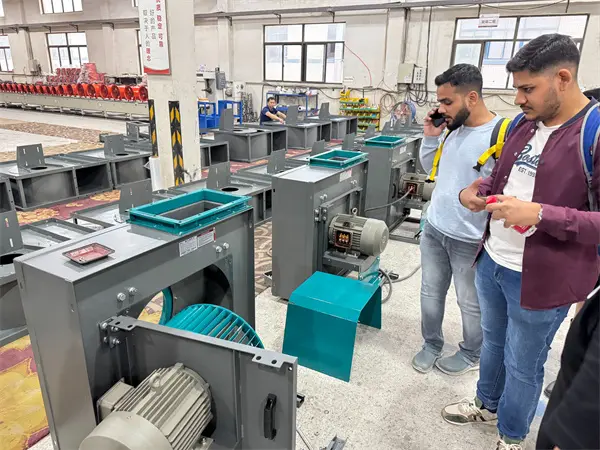
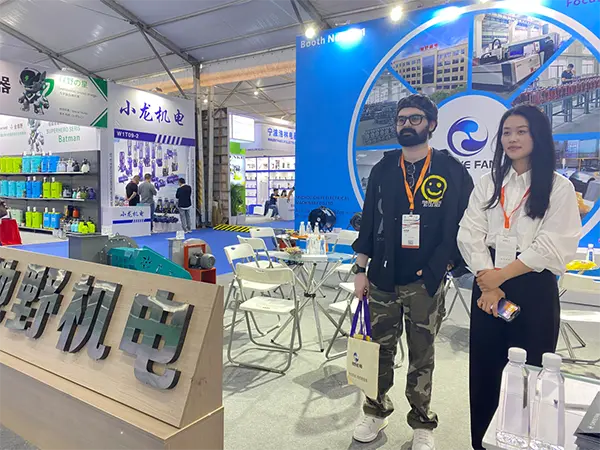
Global Collaboration & Industrial Exchanges
Welcoming international procurers, quality control officers, and engineering consultants to inspect our production capacities.
Uncompromised Reliability & Industry Milestones
A statistical perspective on our long-term commitment to manufacturing excellence, global distribution, and rigorous engineering compliance.
Targeted Industrial Applications
Fluid dynamics machinery must be engineered to meet the unique challenges of its operating environment. Generic, off-the-shelf ventilation units often fail when subjected to specific industrial demands. Our customized centrifugal and axial systems are engineered for high performance across a wide range of challenging, real-world applications:
Commercial Fume Purification & Commercial Kitchen Ventilation
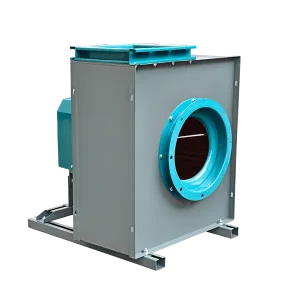
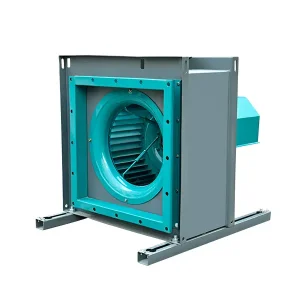
Heavy oil vapors and high humidity in commercial kitchens require robust, reliable ventilation. The CY-16 specialized centrifugal separator and the 11-62/SRF kitchen series prevent grease accumulation, maintaining clean, safe kitchen air quality.
Emergency Fire Protection and High-Temperature Smoke Extraction
In high-temperature fire emergencies, structural safety depends on rapid smoke extraction. The HTF Dedicated Fire Fan is engineered to operate continuously in extreme thermal environments, providing critical safety support.
Industrial Process Exhaust & Boiler Air Feeding
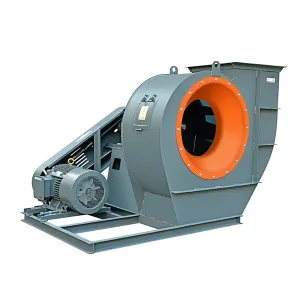
Heavy manufacturing, chemical processing, and boilers require high static pressures to move air and gases. The 9-19A high-pressure centrifugal fan series delivers reliable positive pressure, ensuring efficient process operations.
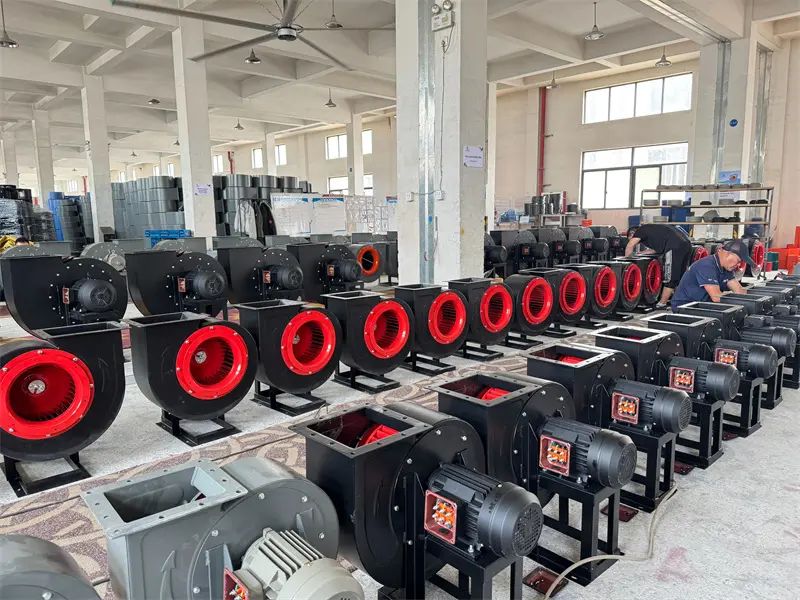
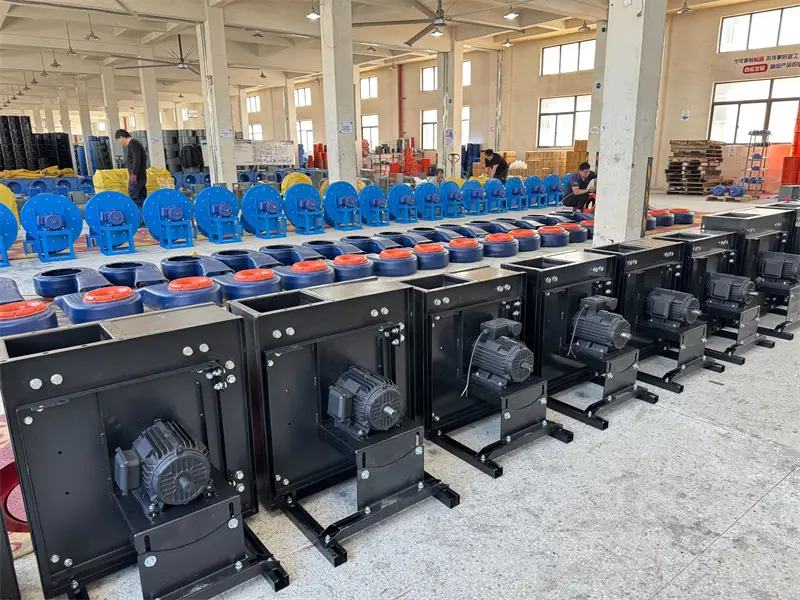
Precision Production Equipment
An inside look at the advanced machinery that drives Chiye's manufacturing capabilities, ensuring exceptional quality and engineering precision.
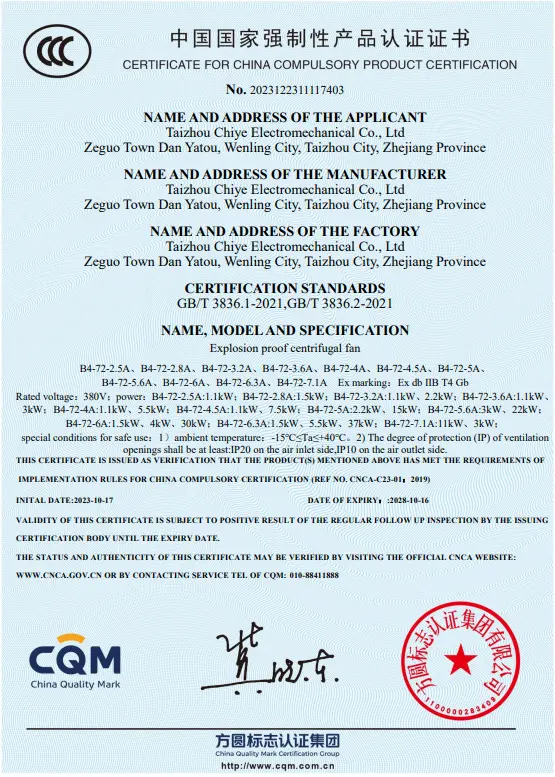
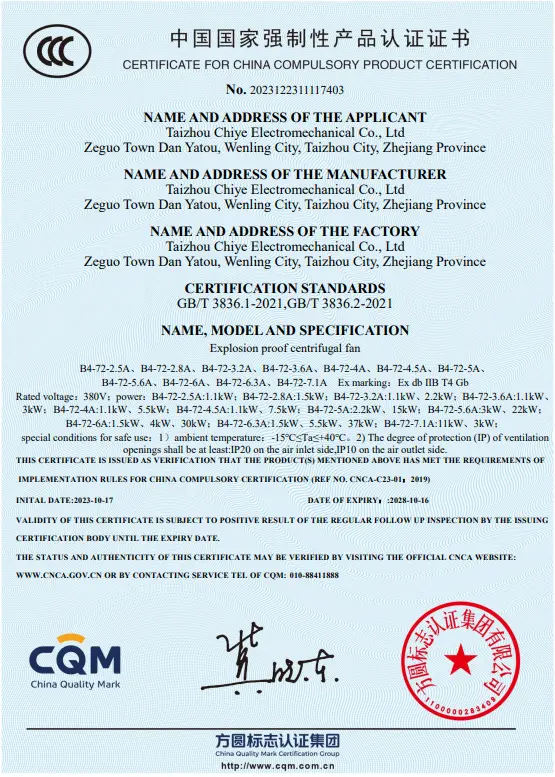
Certified Quality & Regulatory Compliance
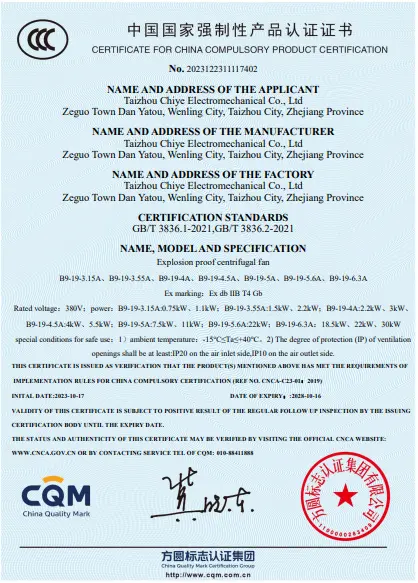
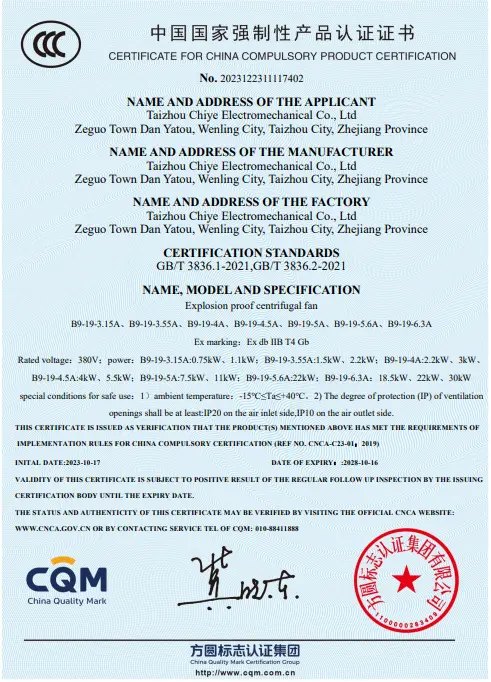
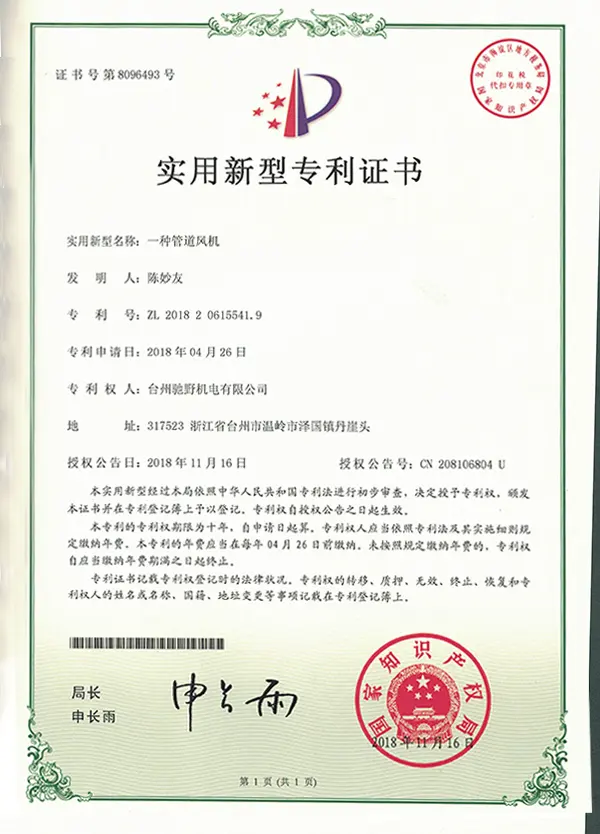
Our commitment to quality is backed by comprehensive industry certifications, validating our engineering standards for the global market.
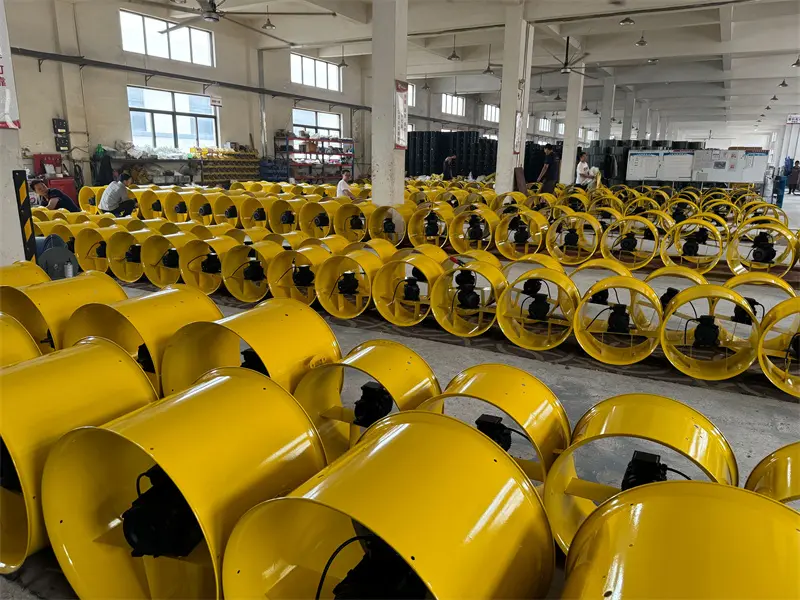
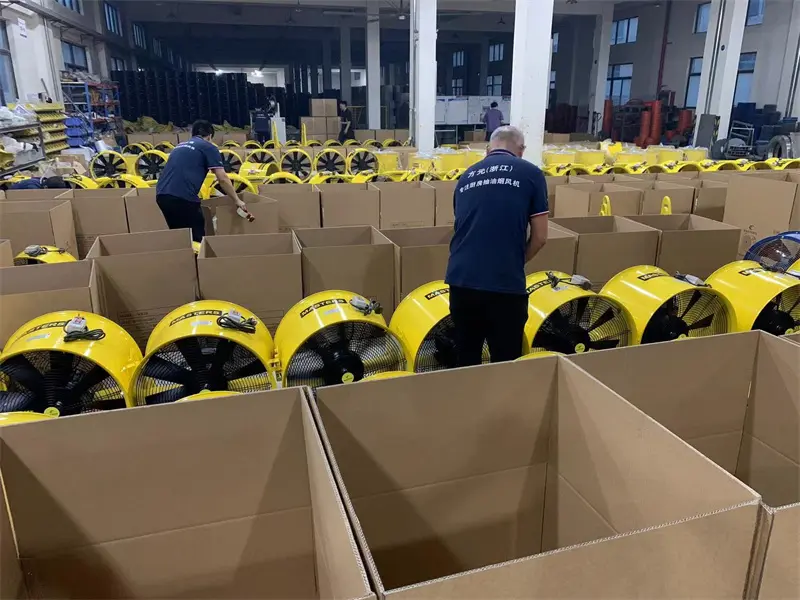
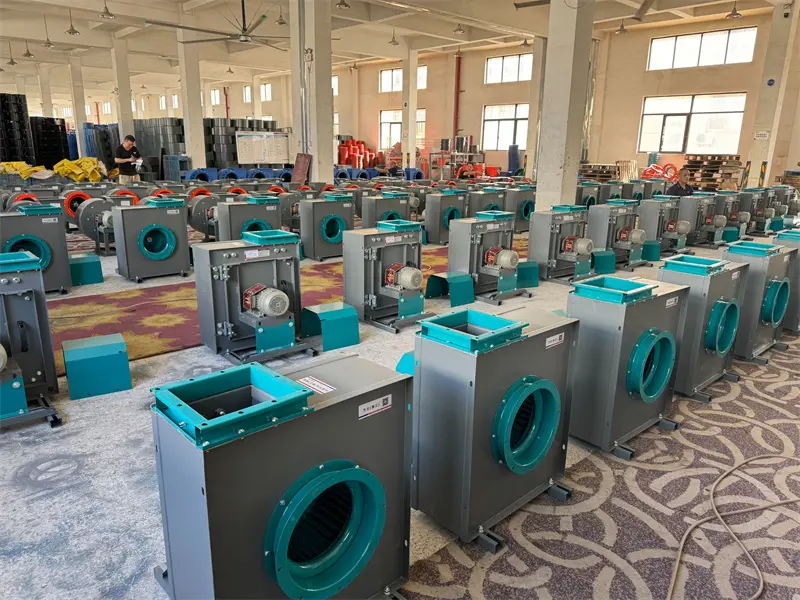
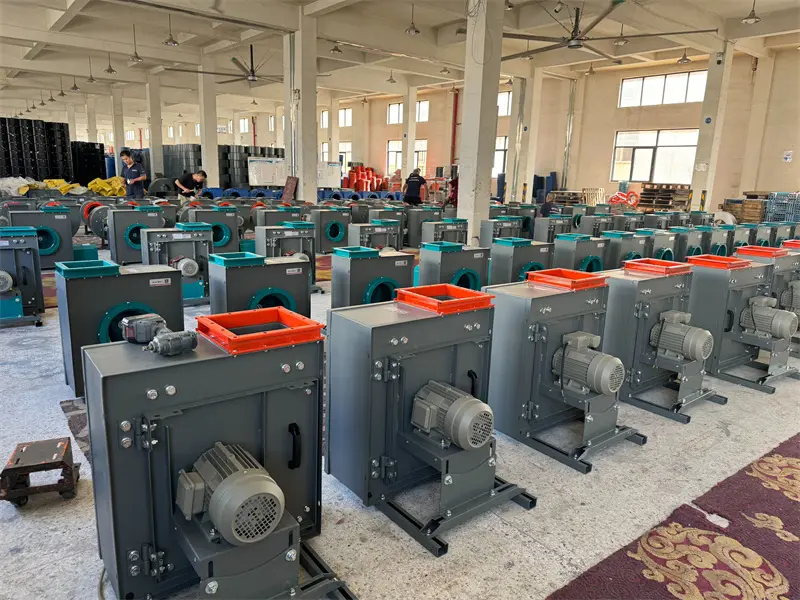
Complete Installations & Field Configurations
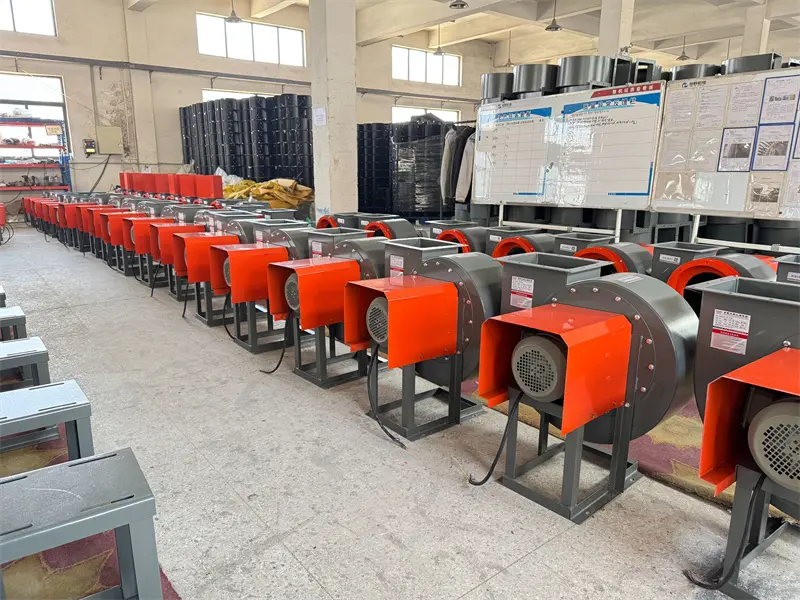
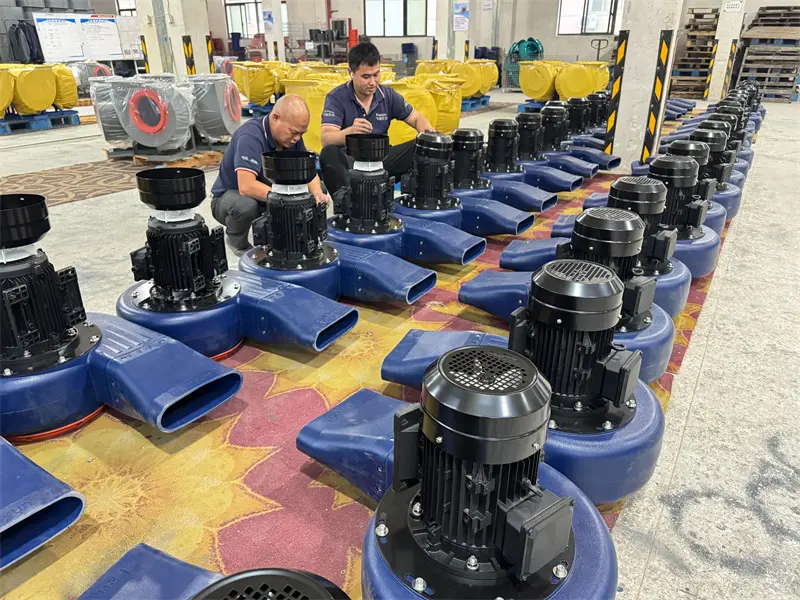
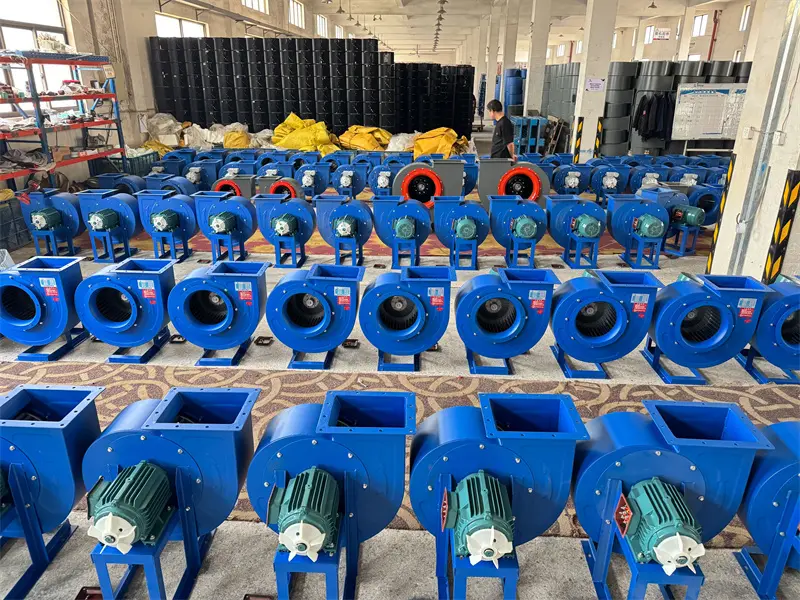
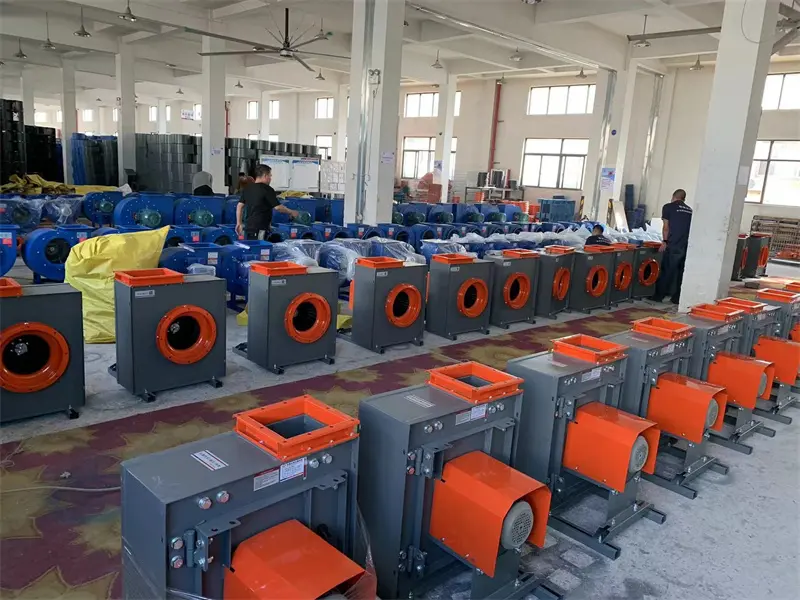
A comprehensive gallery showcasing our impellers and industrial blower units deployed across global manufacturing facilities.
Our Core Values
The core operating principles that guide our day-to-day work, ensuring high-quality, high-purity systems for partners worldwide.
Innovation Leadership
Continuous exploration of new materials, advanced mechanics, and automated systems helps us deliver innovative solutions to the wind and fluid dynamics sectors.
Quality First
We source premium raw materials and execute extensive automated testing protocols to guarantee consistent mechanical performance across all production runs.
Customer Centricity
We actively listen to clients, engineering specialized, custom solutions to optimize their localized operational environments.
Uncompromising Integrity
Honest cooperation, regulatory compliance, and transparency build trusted, long-term relationships with global industrial procurers.
Green Sustainable Development
By engineering high-efficiency impellers and optimizing energy usage in our manufacturing facilities, we help build a sustainable future.
Expert Q&A: Impeller & Blower Engineering
Addressing the technical, operational, and procurement queries of global buyers and fluid systems engineers.
High-Efficiency Industrial Blowers
Discover our range of industrial centrifugal fans and axial systems, engineered for demanding commercial and heavy industrial applications.