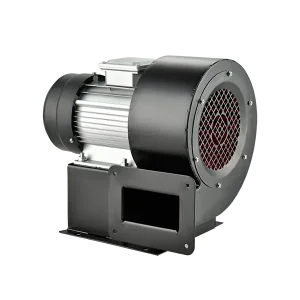
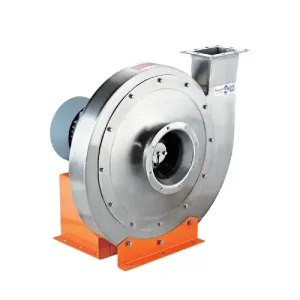
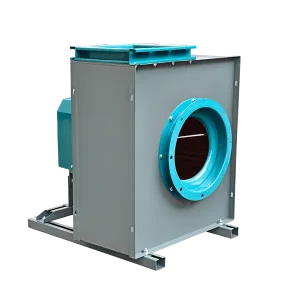
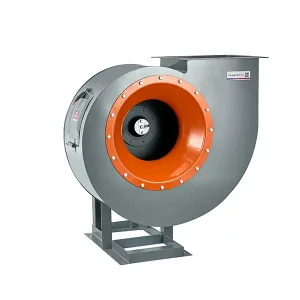
 Chiye Fan
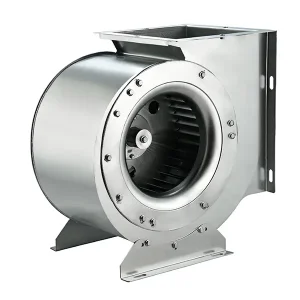
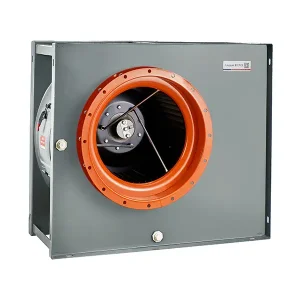
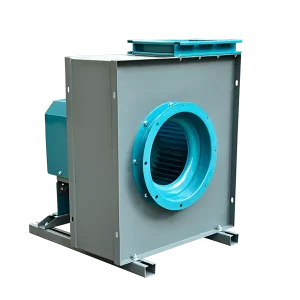
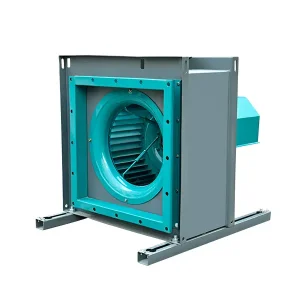
Primary Industrial Air Circulation & Ventilation Product Showcase
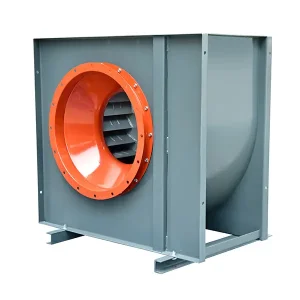
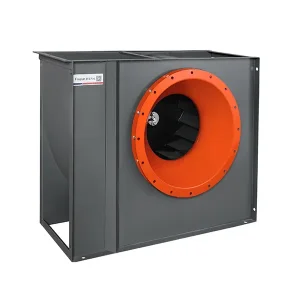
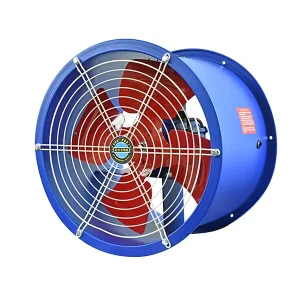
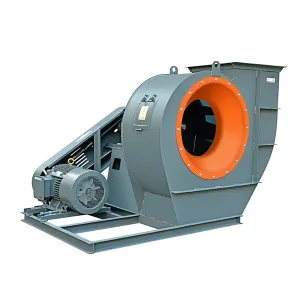
Global Industrial Status & Applications of Passive & Hybrid Ventilation Systems
As the global regulatory focus transitions toward net-zero building envelopes, carbon neutrality, and low-energy industrial facilities, the role of Passive Air Ventilation Systems has evolved from simple architectural design features to critical, engineered solutions. Standard active HVAC systems account for up to 40% of a commercial facility's electrical footprint. Modern sustainable engineering mitigates this footprint by optimizing airflow paths using passive thermodynamic principles—such as the wind-driven cross-ventilation effect and thermal buoyancy (or stack effect).
However, pure passive ventilation is bound by unpredictable environmental variables like local ambient wind speeds and temperature gradients. This has led to the development of highly optimized Hybrid (Mixed-Mode) Ventilation Systems. These systems integrate low-power, high-efficiency centrifugal fans, specialized multi-wing low-noise axial blowers, and smart damper controls to supplement passive systems. Whenever natural ventilation is insufficient, these high-efficiency mechanical systems engage automatically to maintain indoor air quality (IAQ) and pressure differentials.
Key Technical Insight: Structural Integration of Passive Ventilation
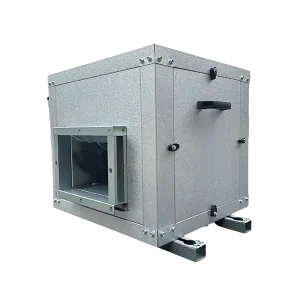
By using customized two-way mechanical circulation units (like the CMF Series or SF AxialFlow fans), procurement engineers can design hybrid buildings that maximize passive cooling while ensuring steady CFM flow rate metrics regardless of outdoor weather anomalies.
Thermal Buoyancy & Stack Optimization
Utilizes air density differentials created by temperature differences to draw cool air through low-level intakes and expel hot exhaust through roof-mounted vents, reinforced with quiet centrifugal impellers.
Wind-Driven Aerodynamic Louvers
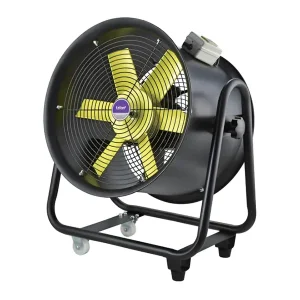
Engineered path channels that capture ambient pressure variations across the facade to force continuous cross-ventilation, optimized with auxiliary inline axial fan modules.
Decarbonization Compliance
Direct alignment with LEED v4.1, BREEAM Outstanding, and green building standards, focusing on high volumetric flow rates with minimized electrical wattage consumption.
China Advanced Manufacturing & ODM Efficiency: Taizhou Chiye
About TAIZHOU CHIYE ELECTROMECHANICAL CO., LTD.
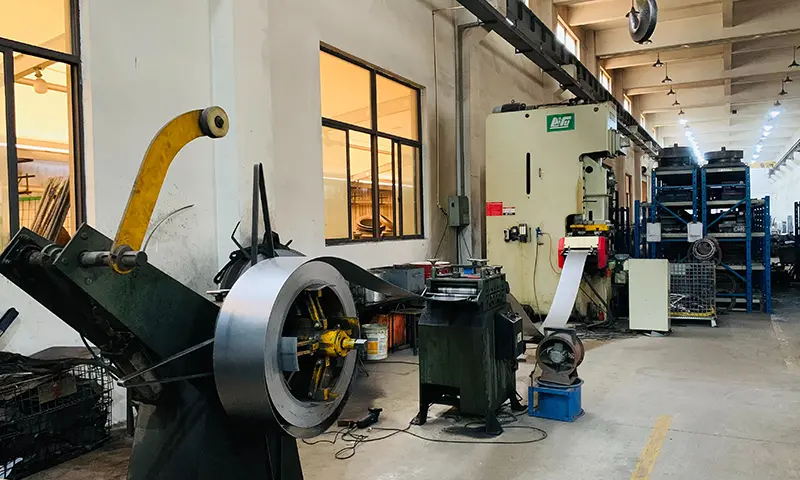
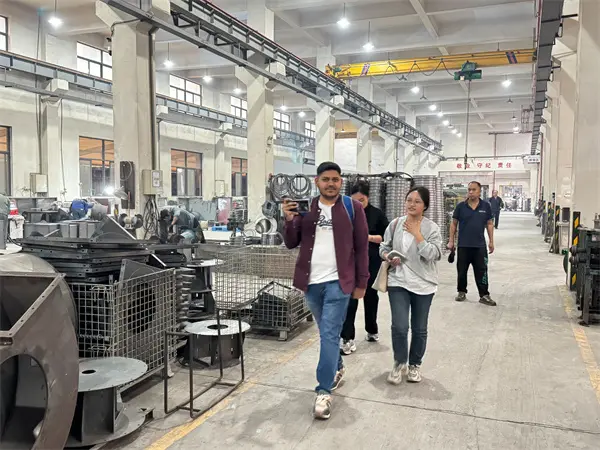
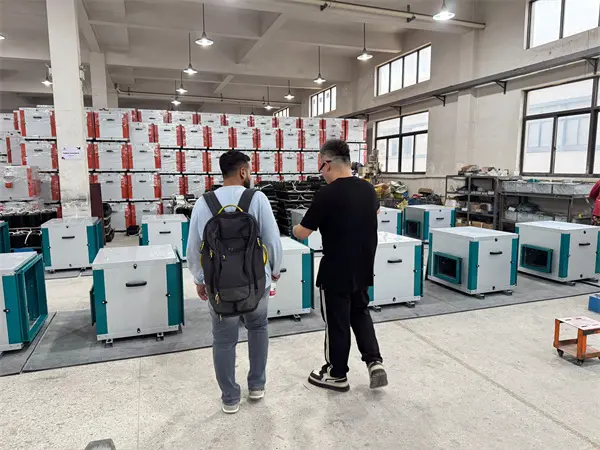
Chiye Enterprise was founded in 1995, formerly known as Wenling Zeguo Wanfang Mechanical and Electrical Parts Factory. The company operates standard modern factory buildings and expansive warehouses, spanning over 20,000 square meters of plant area.
Equipped with a dedicated, high-tier technological R&D center and a specialized wind turbine processing facility, the company currently deploys:
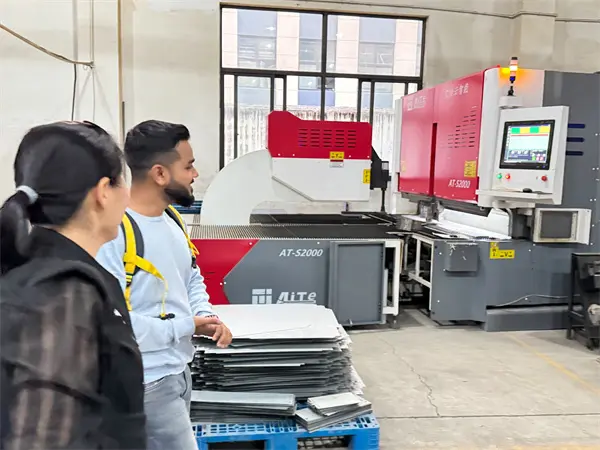
- 4 Advanced CNC Laser Cutting Machines for tight-tolerance sheet metal cutting.
- 2 High-precision CNC Spinning Machines and 2 Heavy-duty Bending Machines.
- 2 Shearing Machines and 1 Turret Punch Machine.
- 6 Computer Digital Balancing Machines to eliminate rotational vibration.
- Industrial Automatic Welding Robots and specialized welding equipment since 2013.
- 4 sets of independently developed CNC automation equipment for wind turbines.
Chiye specializes in fabricating high-quality industrial fans, air conditioning fans, and kitchen exhaust fans. These units support boiler manufacturers, dust removal specialists, and HVAC system designers across the globe.
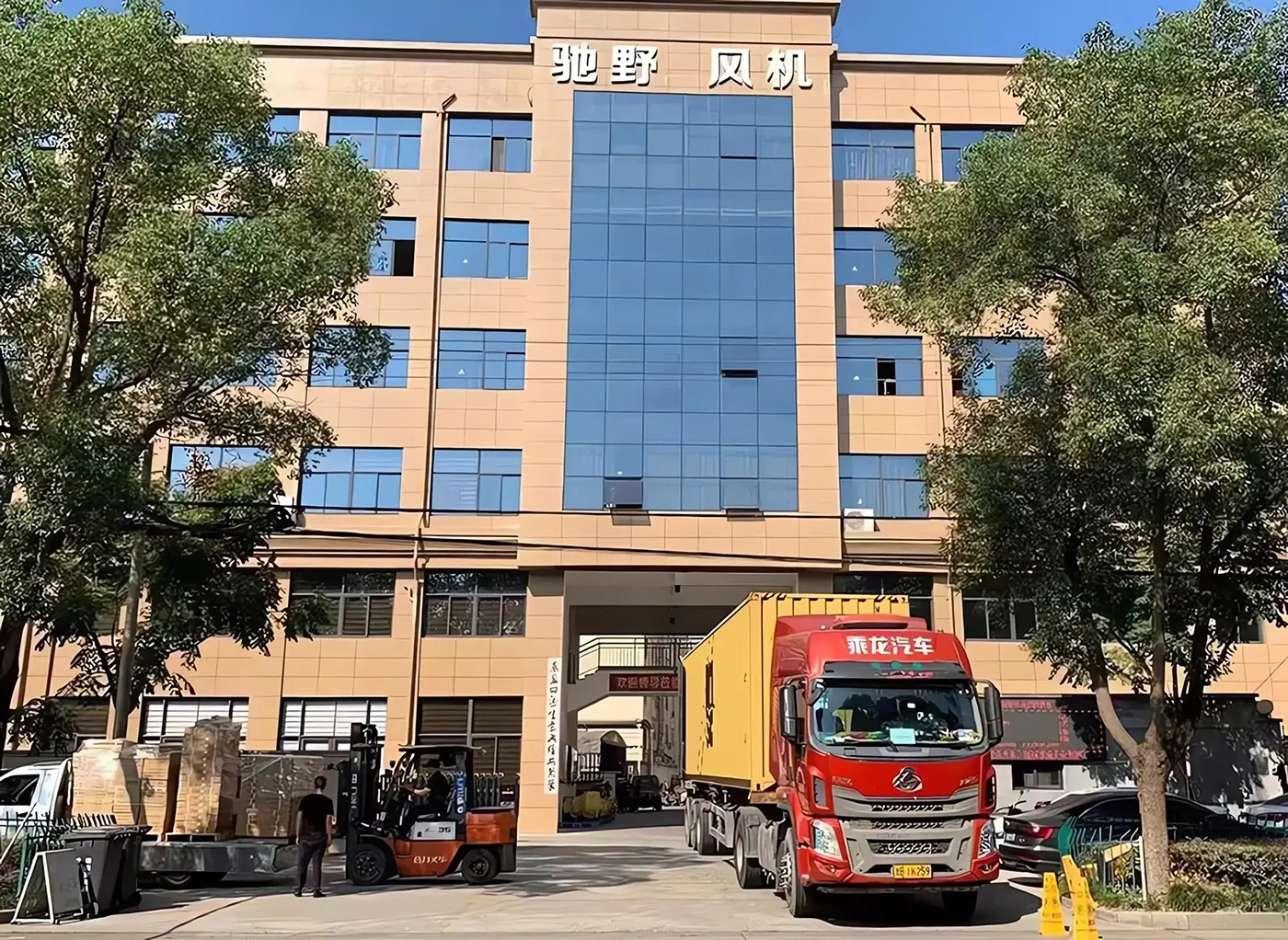
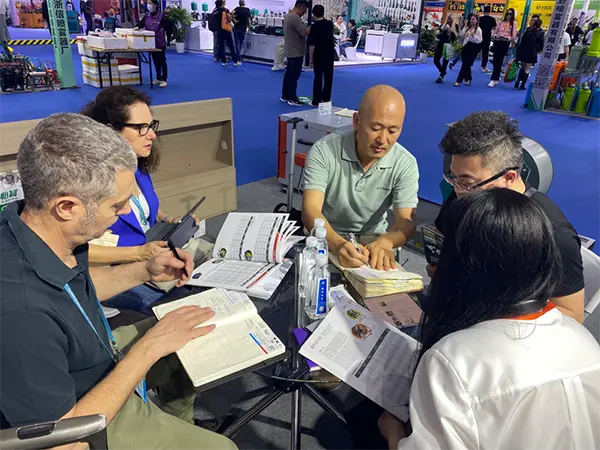
Production Infrastructure & Global Negotiations
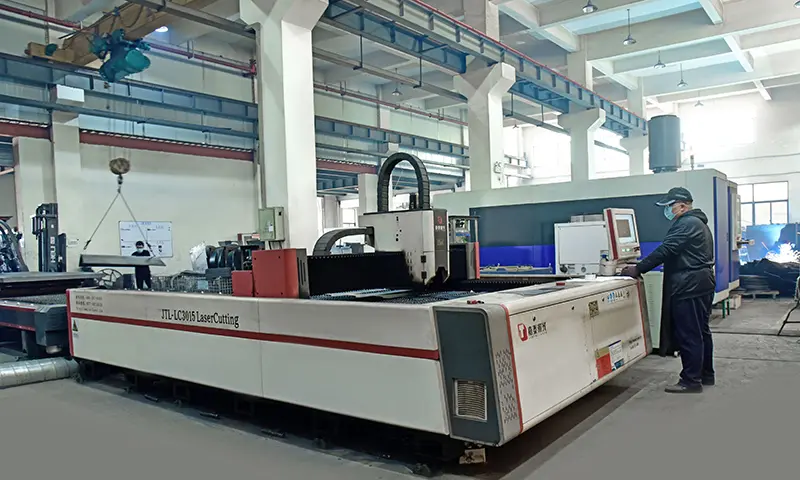
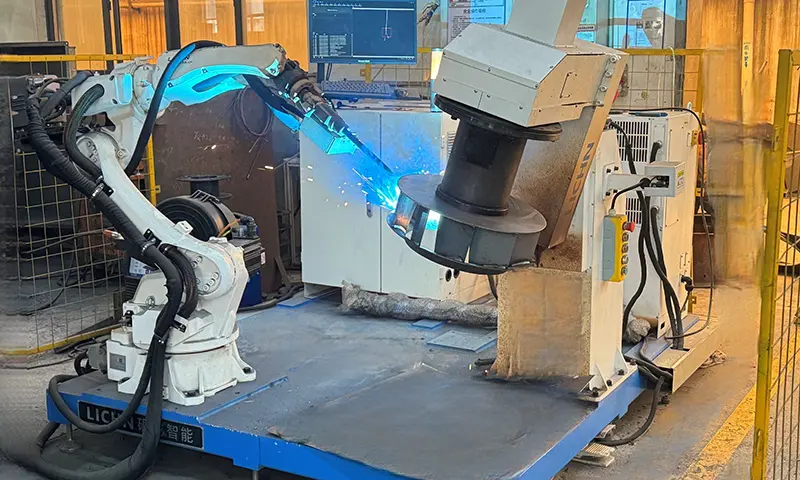
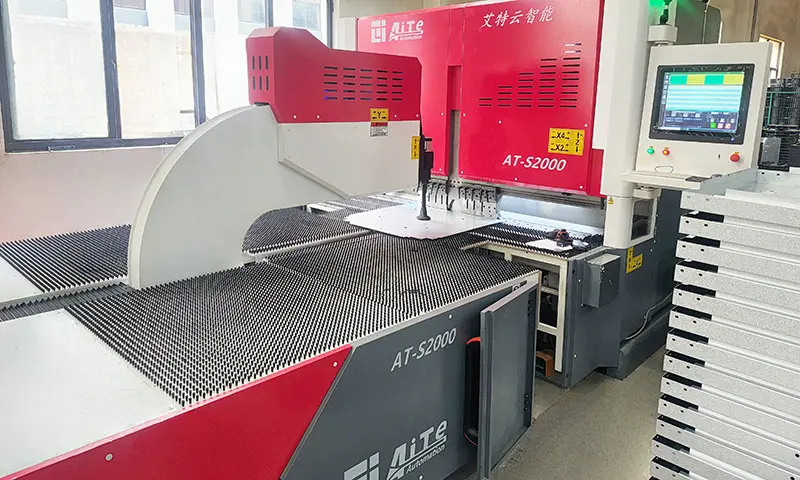
29+
Years of HVAC Engineering Experience
20K
Square Meter Standard Plant Area
22+
Advanced CNC Manufacturing Machineries
59+
Proprietary Fan & Impeller Designs
Local Application Scenarios & Advanced Aerodynamic Specifications
Ventilation dynamics must match the specific structural requirements of their local environments. Here is how modern industrial, residential, and commercial projects deploy custom ODM airflow units:
1. High-Temperature & Smoke Control
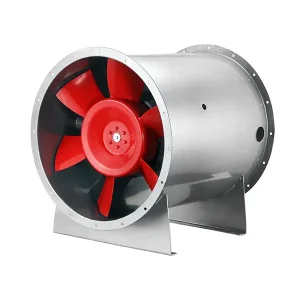
In fire protection engineering, standard passive systems fail under smoke accumulation. Incorporating specialized HTF High-Temperature dedicated exhaust fans guarantees swift thermal displacement, maintaining visibility and low carbon monoxide levels along egress corridors.
2. Commercial Kitchen Grease Filtration
Commercial kitchens produce dynamic particulate smoke, moisture, and VOCs. Incorporating highly structured centrifugal fans like the DFA or I3-48 series provides the high static pressure required to force heavy oil fumes through filtration systems, using minimal electrical energy.
3. Heavy Industry & Dust Extraction
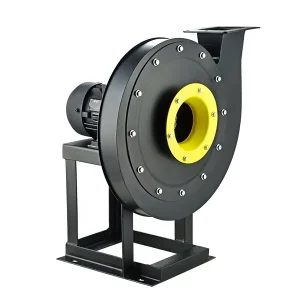
Industrial processes require dynamic dust removal. High-pressure centrifugal blowers (such as the 9-19A series) generate the suction power needed to draw ambient dust through multi-stage baghouse filters, optimizing natural cooling cycles in the factory floor.
Typical Operational Parameters of Custom Hybrid Fan Assemblies
| Fan Type / Model series | Static Pressure Range (Pa) | Volumetric Flow Rate (m³/h) | Structural Material | Primary Industrial Applications |
|---|---|---|---|---|
| 9-19A High-Pressure Series | 2900 - 15000 | 800 - 120000 | Stainless Steel (304 / 316) / Carbon Steel | Boiler Forced Draft, Material Pneumatic Transport, Smelters |
| HTF High-Temperature Smoke | 120 - 900 | 1200 - 95000 | Thermal Heat-Resistant Steel Alloy | Fire Safety Smoke Exhaust, Underground Tunnel Purge |
| CMF Two-Way Low-Noise Axial | 80 - 320 | 1500 - 28000 | Standard Galvanized Sheet & Aluminum Impellers | Mixed-mode HVAC Supply, Cabinet Enclosures, HVAC booster |
| 11-62 & DFA Kitchen Specific | 150 - 850 | 1200 - 35000 | Oil-resistant Corrosion Proof Painted Steel | Restaurant Hood Extraction, Grease Vapour Scrubbers |
| SF AxialFlow Fans | 50 - 220 | 2000 - 45000 | Lightweight Structural Steel / FRP Options | Warehouse Cross-ventilation, Painting Booth exhaust |
Uncompromising Quality Assurance & International Certifications
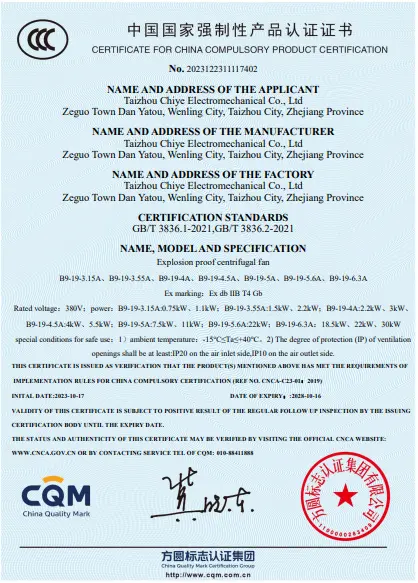
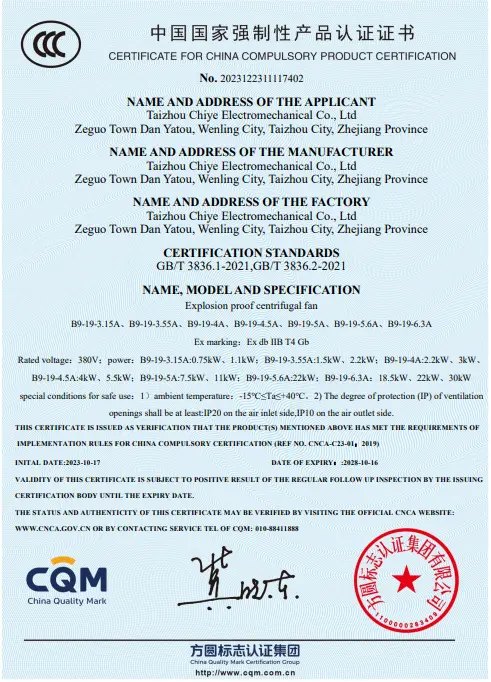
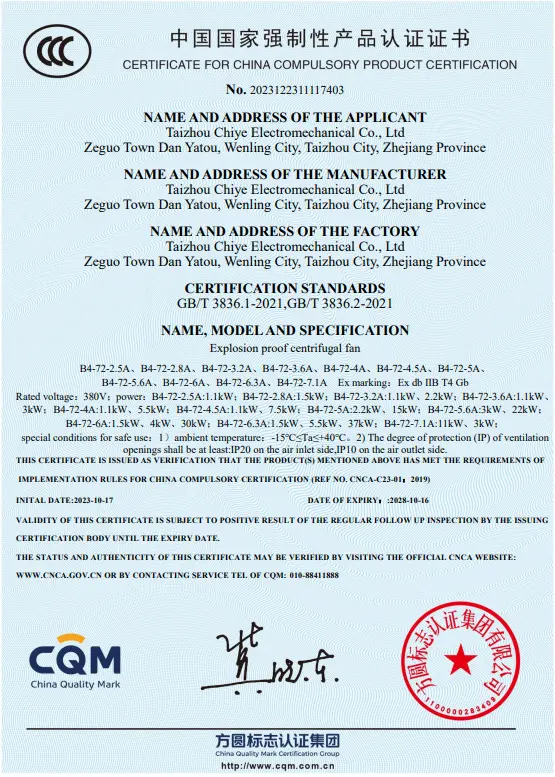
Operating globally means meeting varying certification standards. Taizhou Chiye maintains a strict Quality Management System (QMS) aligned with ISO9001 requirements. Our products are rigorously balanced using state-of-the-art computer digital dynamic balancers. This ensures that every fan impeller conforms to ISO 1940 standard grades, eliminating structural vibration, reducing bearing wear, and lowering mechanical noise.
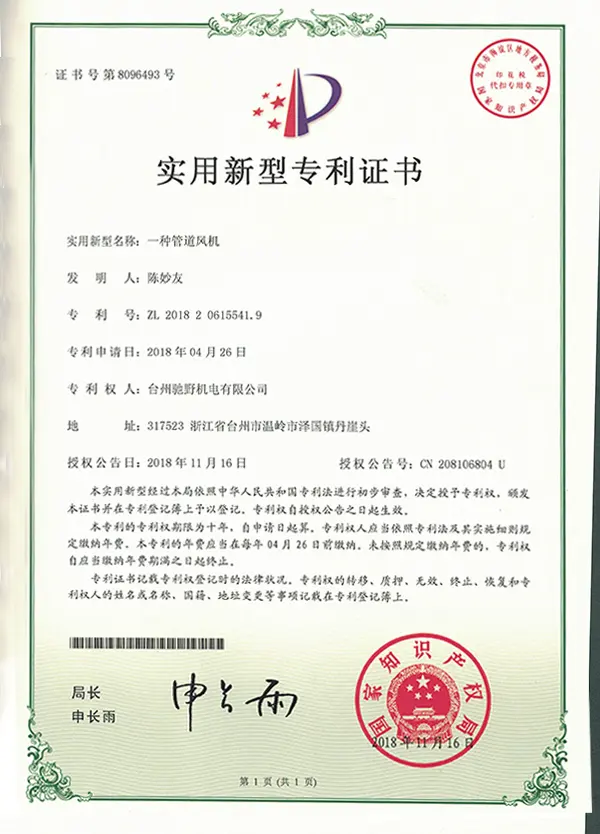
Verified Quality Certificates & Patents
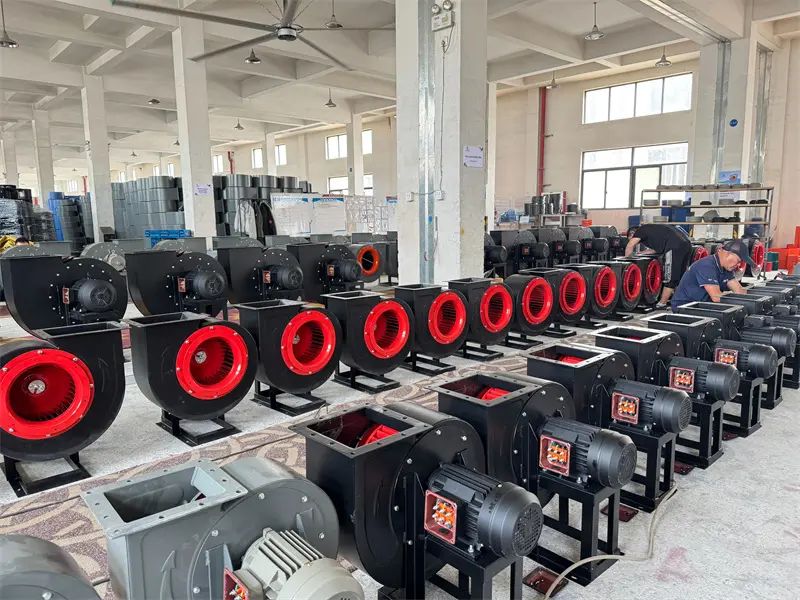
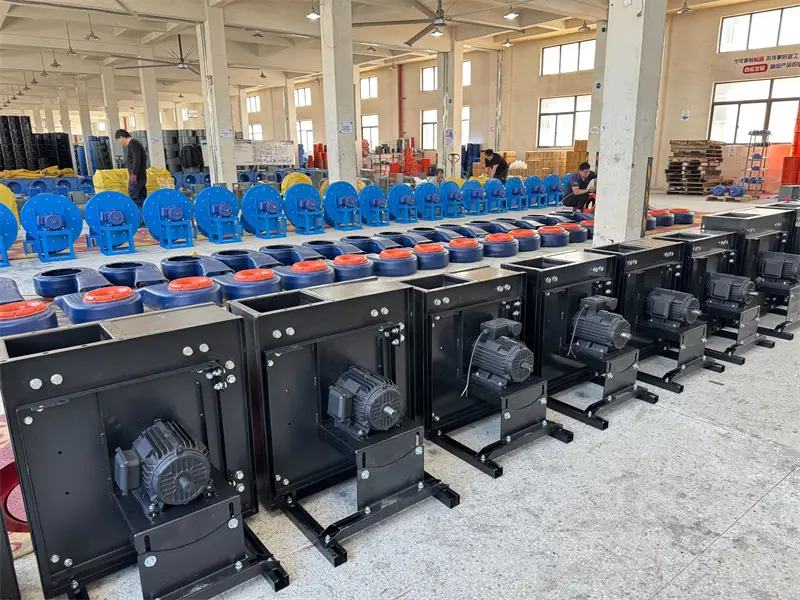
Production Assembly Line & Complete Installation
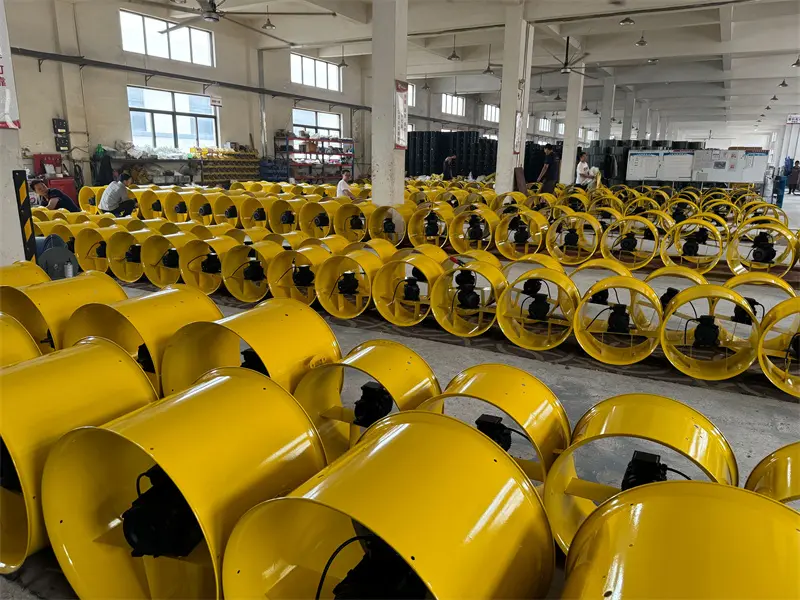
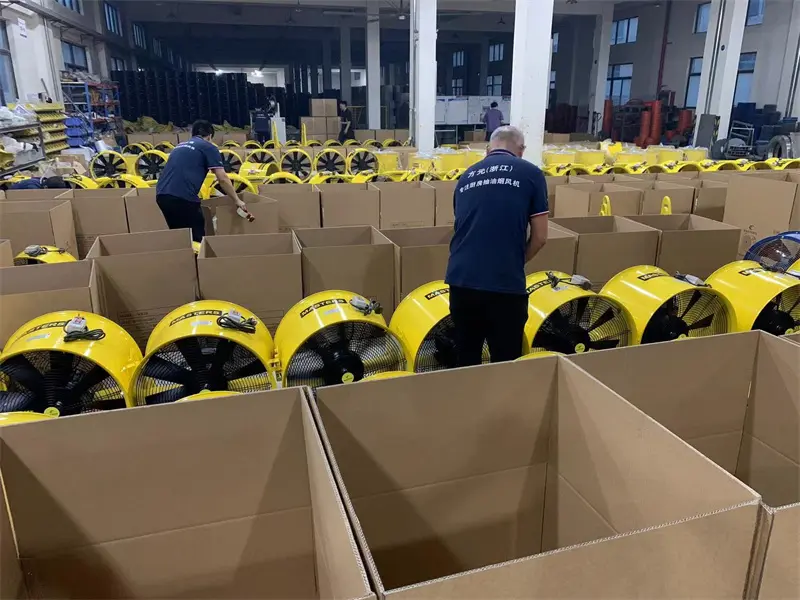
Innovation Leadership
We continuously research new manufacturing processes and fluid dynamics models to improve structural fan efficiency.
Quality First
Strict inspection controls process steps from raw metal sheet cutting to dynamic balancing before shipping.
Green Development
Promoting sustainable product designs that minimize carbon footprint in compliance with global standards.
The Global Sourcing Blueprint: ODM Procurement Criteria
For engineering procurement managers (EPCs) and HVAC system builders, selecting the right ODM manufacturing partner determines system reliability and limits project cost overruns. To optimize long-term efficiency, procurement processes should evaluate key operational variables:
A. System Static Pressure (SP) vs. Air Flow Volume (CFM)
A common mistake in ventilation design is matching fans solely on volumetric air flow capacity (CFM/m³/h). The system must overcome the static pressure resistance of ducts, dampers, filters, and thermal exchangers. Using custom 9-19A high-pressure centrifugal fans allows engineers to maintain flow volumes in high-resistance environments.
B. Material Science for Corrosive or Hazardous Air Streams
Exhaust gas composition dictates shell and impeller materials. Standard kitchens require oil-resistant, easy-to-clean structures, while industrial chemical processes require 304/316 Stainless Steel centrifugal fans to resist corrosion. Fire safety installations mandate high-temperature alloys to maintain integrity during emergency cycles.
C. Dynamic Balance & Vibration Management
Unbalanced fans generate noise and transmit structural vibrations through building walls. Modern automated welding robots and digital balancing machines ensure long-term mechanical stability, preventing wear on motor bearings and reducing operational maintenance costs.
Frequently Asked Questions (FAQ) - Technical Engineering
Q1: How do passive and active ventilation systems work together in industrial settings?
A1: In a hybrid (mixed-mode) setup, passive design elements (such as skylight louvers and structural vents) handle basic daily air changes. When internal heat load or dust concentrations exceed limits, active pressure-controlled centrifugal or axial fans activate to rapidly restore indoor air quality.
Q2: Why is dynamic balancing crucial for multi-wing centrifugal fans?
A2: Multi-wing impellers operate at high rotational velocities. Even a tiny weight imbalance can generate strong centrifugal forces, causing vibration, mechanical noise, and early bearing failure. Using computerized balancing systems ensures long-term operational reliability.
Q3: What makes 304 Stainless Steel essential for the 9-19A series high-pressure fans?
A3: 304 Stainless Steel protects against structural degradation caused by acid/alkaline vapors, moisture, or particulate abrasion. This material choice extends operational lifetimes in harsh environments, reducing lifetime maintenance costs.
Q4: How do automated welding processes improve fan shell structural integrity?
A4: Automated welding robots produce consistent, high-integrity weld seams. This eliminates weld porosity, micro-cracks, and weak points, enabling fan shells to safely handle high operating pressures and temperature cycles.
Q5: What certifications are necessary for high-temperature smoke exhaust fan exports?
A5: Fire safety codes require high-temperature fans (like the HTF series) to be certified to operate reliably under extreme conditions—typically 280°C for up to 30 minutes, backed by recognized third-party test reports.
Q6: Can you customize fan designs to fit specific dimensional or acoustic constraints?
A6: Yes. Our manufacturing facility uses CNC laser cutters, spinning machines, and bending units to adapt dimensions, impeller angles, and motor configurations to meet specific physical limits and noise targets.
Q7: How do two-way ventilation systems save energy?
A7: Two-way systems utilize reversible axial fans to alternate between supply and exhaust modes based on seasonal needs. This allows buildings to leverage natural ambient temperatures, reducing the thermal load on main HVAC systems.
Q8: What lead times apply to large-scale ODM orders?
A8: Thanks to our 20,000 square meter plant and automated CNC machinery, standard custom orders are typically manufactured, tested, and balanced within 25 to 35 days, depending on raw material and volume requirements.
Secondary Commercial & Specialized Ventilation Product Range