 Chiye Fan
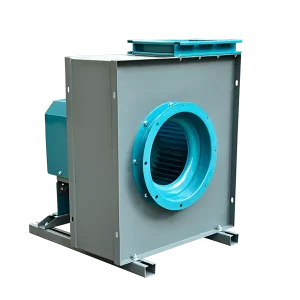
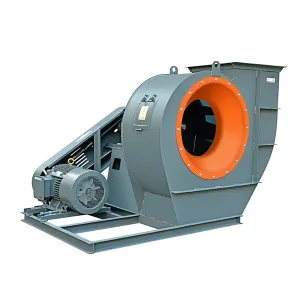
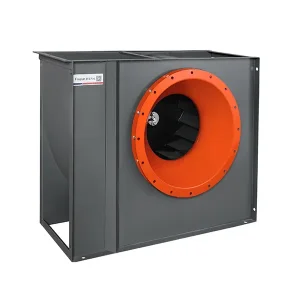
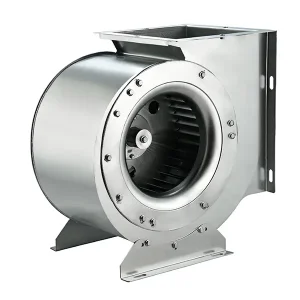
Featured Ventilation Solutions
The Evolution of Global Cross Ventilation Industry
Global Market Dynamics
In the post-pandemic era, "Air Quality" and "Thermal Control" have shifted from secondary considerations to mission-critical industrial requirements. The global cross ventilation market is projected to grow at a CAGR of 6.5%, driven by the expansion of data centers, smart factories, and green building regulations.
Energy Efficiency & Sustainability
Modern procurement demands "Information Gain" in efficiency. As energy costs soar, OEM manufacturers are pivoting towards EC motors and computational fluid dynamics (CFD) to optimize blade geometry, reducing power consumption by up to 35% compared to legacy systems.
AI-Driven Smart Ventilation
The integration of IoT and AI allows for real-time adjustments based on CO2 levels and heat density. Our factories are now producing fans compatible with building management systems (BMS), ensuring predictive maintenance and optimized airflow cycles.
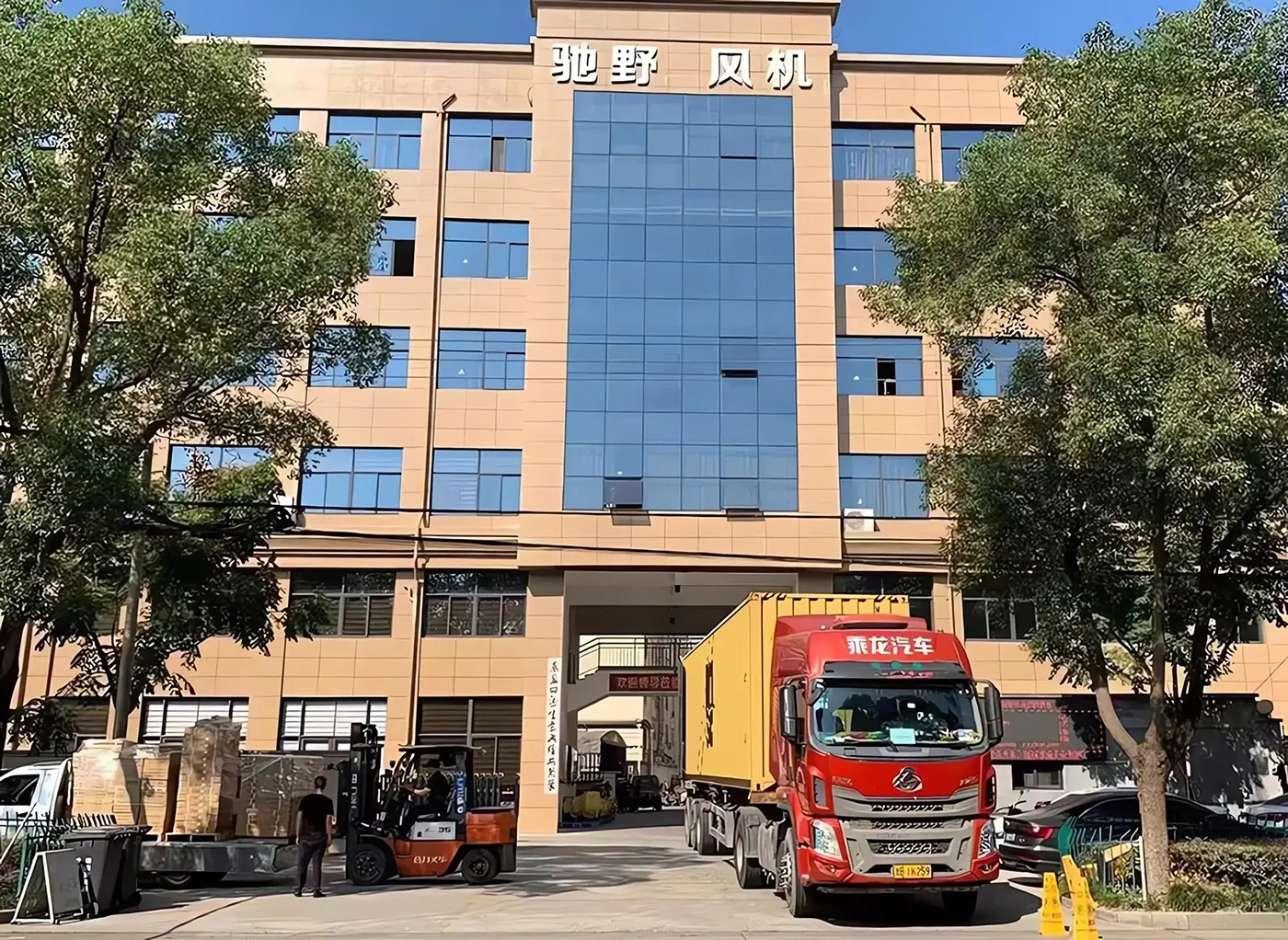
China Factory 4.0: Efficiency Meets Reliability
TAIZHOU CHIYE ELECTROMECHANICAL CO., LTD. exemplifies the "China Factory 4.0" initiative. Founded in 1995, we have transitioned from manual assembly to a high-tech specialized wind turbine processing center.
- Precision CNC Integration: 4 CNC laser cutting machines and 2 CNC spinning machines ensure tolerances within 0.01mm.
- Robotic Consistency: Our 2013 investment in automatic welding robots guarantees structural integrity for high-pressure applications.
- Advanced Digital Balancing: 6 computer digital balancing machines eliminate vibration, extending fan lifespan by 40%.
- Scale & Capability: A 20,000 square meter plant area capable of supporting major environmental protection and boiler equipment manufacturers nationwide.
Strategic Sourcing & Localized Application
Commercial Kitchens
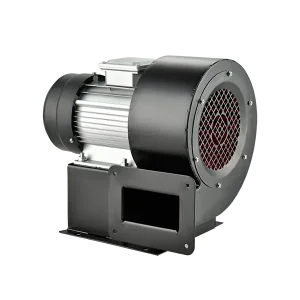
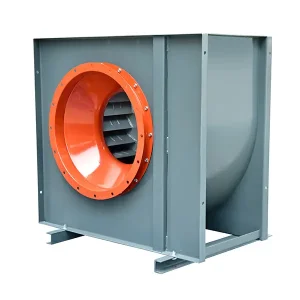
Our DFA and SRE series are specifically engineered for oil fume purification. With high-purity materials and easy-clean designs, we solve the "grease accumulation" bottleneck in localized kitchen scenarios.
Industrial Warehousing
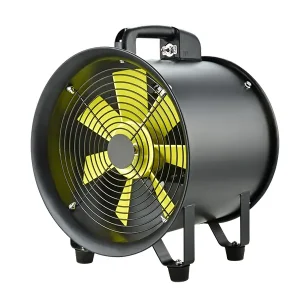
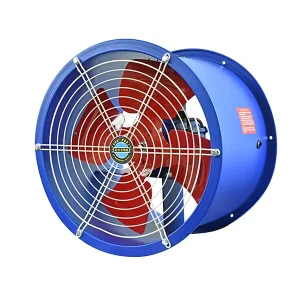
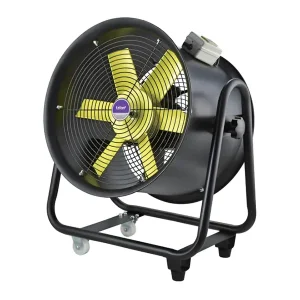
Utilizing the SF and CMF axial flow series to create cross-ventilation corridors, preventing heat stagnation in large-scale logistics hubs, especially in tropical climates.
Custom OEM Manufacturing
We provide "Design for Manufacturability" (DFM) services, allowing global brands to outsource complex fan components while maintaining strict IP protection and quality standards.
Years of Experience
Square Meter Facility
Proprietary Fan Types
Advanced CNC Units
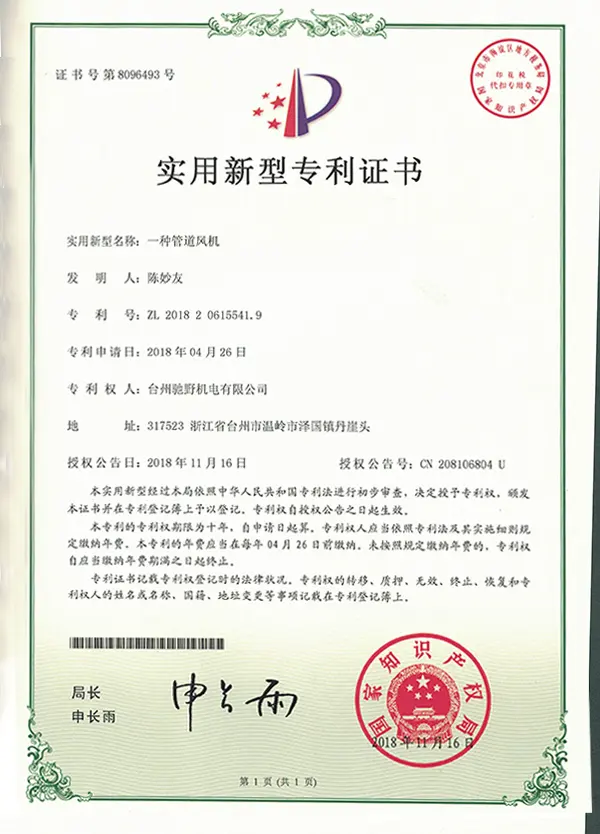
Certified Authority (E-E-A-T)
Reliability is built on verified standards. Our products meet rigorous international benchmarks.

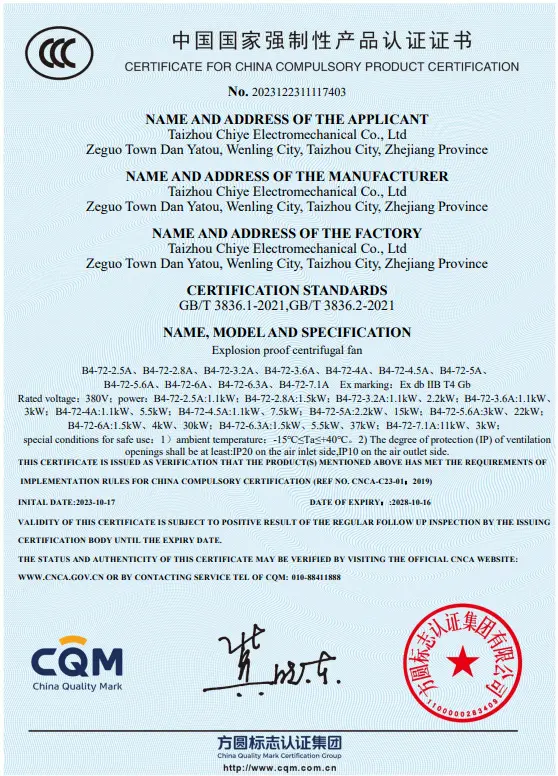
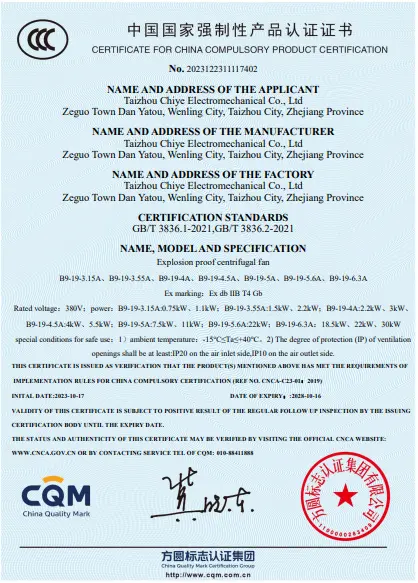
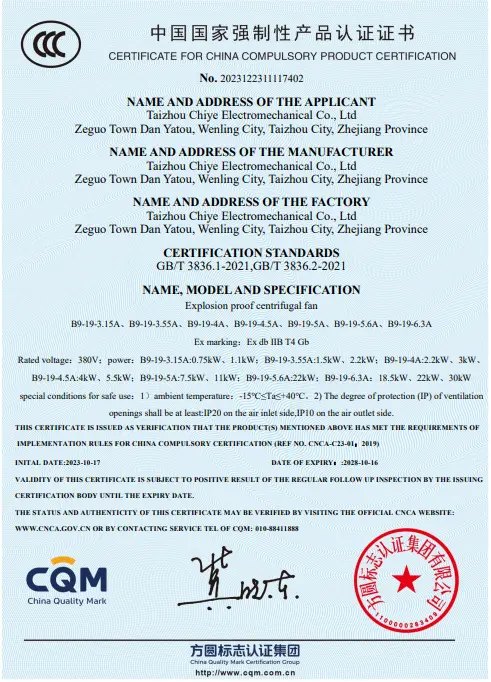
State-of-the-Art Production Facility
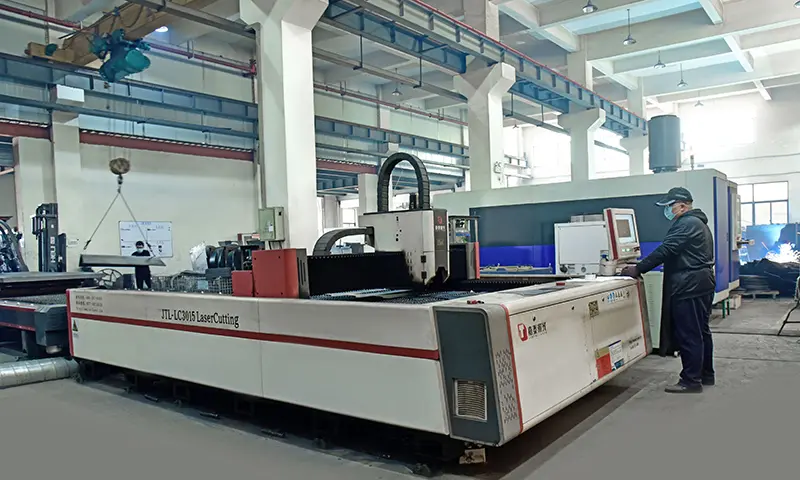
Laser Cutting Precision
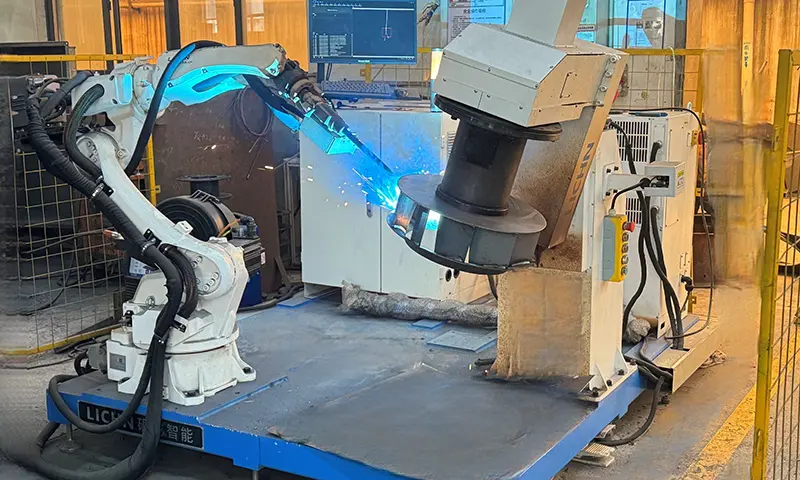
Robotic Welding Stability
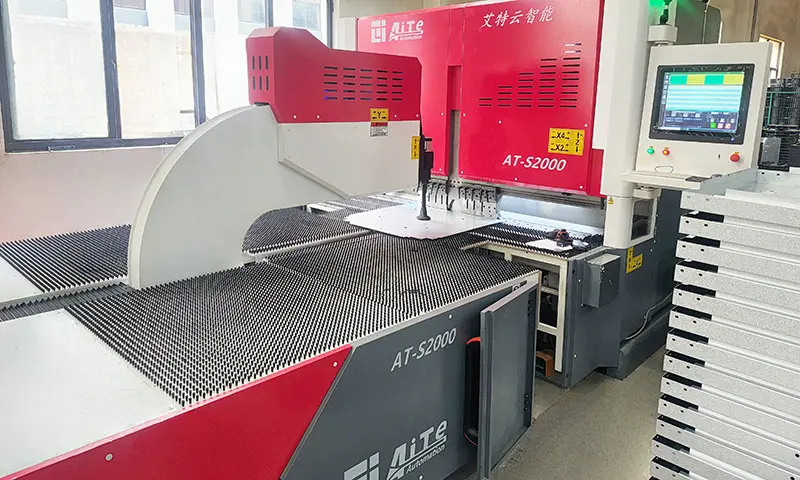
Automated Bending
Expert Insights & FAQ
1. What is the difference between cross ventilation and standard exhaust?
Standard exhaust focuses on point-source removal, whereas cross ventilation utilizes high-performance axial or centrifugal fans (like our SF or CMF series) to create a consistent airflow path across an entire space, effectively lowering ambient temperature and removing pollutants more uniformly.
2. How does Taizhou Chiye ensure the longevity of fans in corrosive environments?
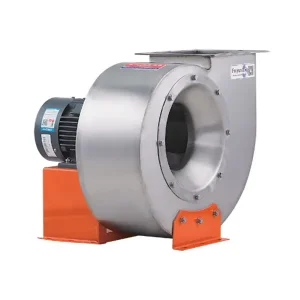
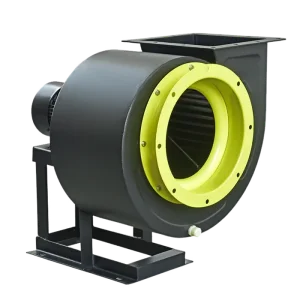
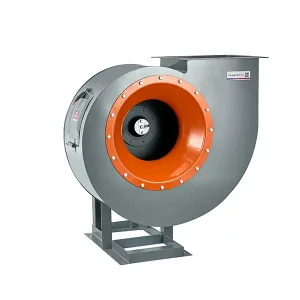
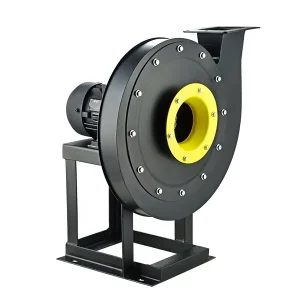
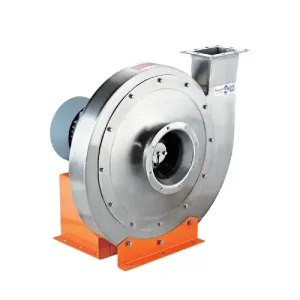
We utilize 304 Stainless Steel and specialized anti-corrosion coatings for our high-pressure centrifugal fans. Our 9-19A series is specifically designed for high-heat and chemically active environments often found in boiler and industrial processing plants.
3. Can you handle custom OEM/ODM requests for specific fan dimensions?
Yes. With our in-house CNC laser cutting and specialized welding robots, we can modify housing dimensions, blade pitch, and motor specifications to meet unique architectural or mechanical constraints without the long lead times typical of traditional factories.
4. Why is digital balancing critical for industrial fans?
Unbalanced fans cause mechanical stress, noise pollution, and premature bearing failure. Our 6 computer digital balancing machines ensure that every impeller meets G2.5 or higher balancing standards, ensuring "Low Noise" operation as requested by modern commercial standards.