 Chiye Fan
High-Efficiency Centrifugal & Axial Fan Integrations
Discover our industrial-grade air handling units designed to interface seamlessly with modern high-pressure duct systems.
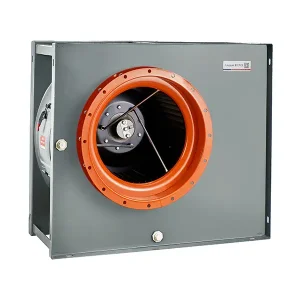
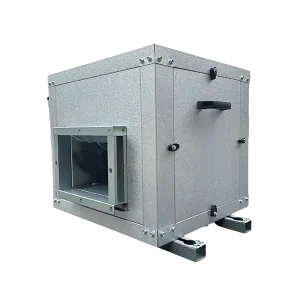
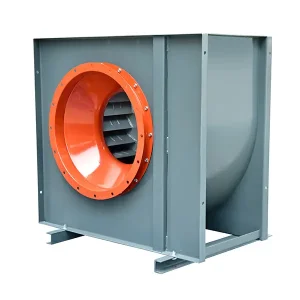
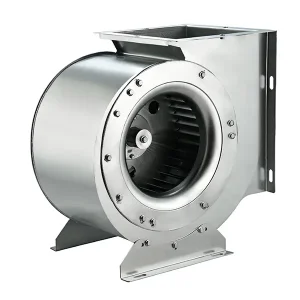
Manufacturing Authority: Taizhou Chiye Electromechanical Co., Ltd.
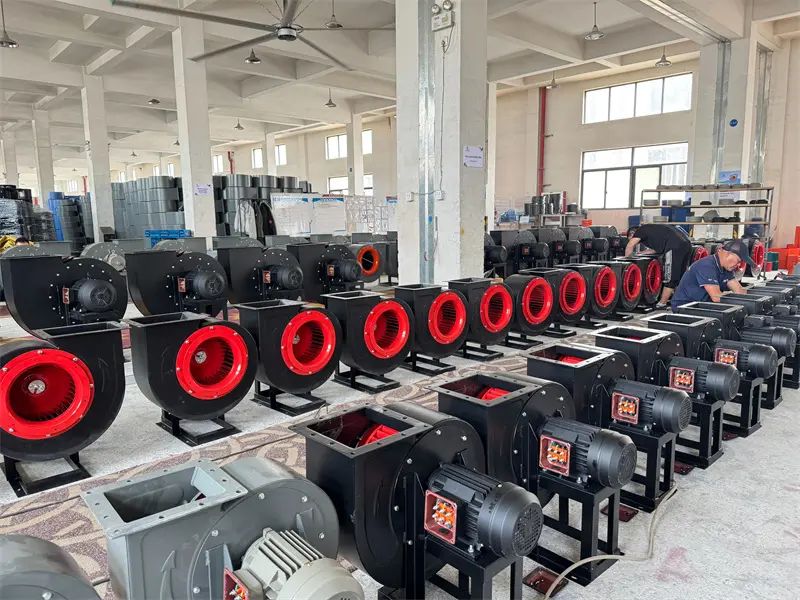
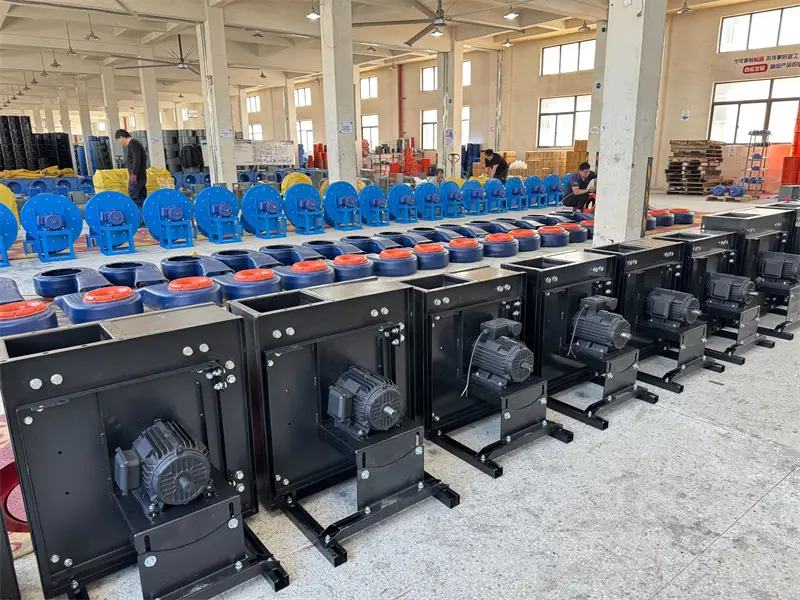
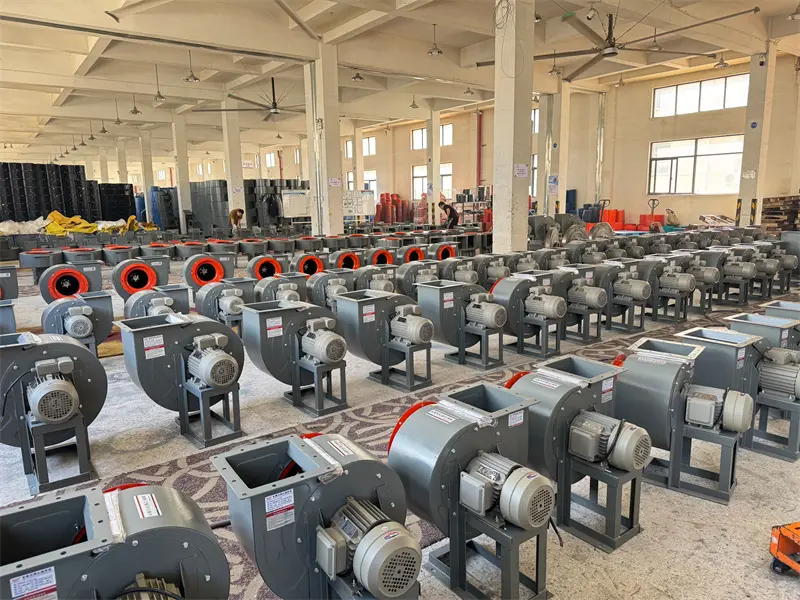
Originating in 1995 as the Wenling Zeguo Wanfang Mechanical and Electrical Parts Factory, Chiye Enterprise has spent nearly three decades scaling up its custom manufacturing ecosystem. Today, we occupy a massive 20,000 square meter plant area designed specifically to supply the global market with premium industrial wind turbines, customized fan systems, and robust structural parts that drive large-scale HVAC installations.
Through targeted investment in modern, high-precision industrial tooling, our manufacturing infrastructure is equipped to handle strict dynamic balances, clean welding interfaces, and intricate sheet metal designs. With 4 advanced CNC laser cutting machines, 2 CNC spinning machines, 2 high-torque bending machines, and 6 computer digital balancing machines, Chiye provides reliable mechanical products that meet precise international regulatory metrics.
In 2013, our engineering capabilities took a massive step forward with the addition of automated welding robots and full-system robotic assembly lanes. This technological shift enabled us to create 4 sets of proprietary, custom-engineered wind turbine welding setups, ensuring each piece of ventilation equipment we export maintains consistent balance, minimal structural fatigue, and low noise thresholds.
Proven Production Capacity
Corporate Vision & Market Strategy
Committed to becoming a premier name in the international wind turbine and industrial air ventilation landscape, we supply high-performance, robust, and environmentally compliant equipment. By focusing on smart mechanical engineering, dynamic balance certification, and zero-defect manufacturing, we assist our partners in meeting global decarbonization and efficiency mandates.
Global HVAC Ductwork & Ventilation Development Trends
As structural green initiatives and strict regional code compliance gain global traction, modern air distribution networks require specialized manufacturing standards.
1. Energy Performance & Aerodynamic Design
Modern mechanical codes demand minimal air leakage and low friction losses. Using smooth, high-precision sheet metal and tight tolerances reduces overall system static pressure requirements, cutting operational energy costs.
2. Material Selection & Corrosion Resistance
From food-grade kitchen exhausts to high-moisture chemical processing environments, selecting specialized grades of stainless steel (like SUS304 and SUS316) is essential to resist oxidation and structural wear.
3. Dynamic Noise Mitigation (Acoustics)
Strict building codes require low decibel levels in occupied areas. Incorporating dynamically balanced fans and smooth transition elbows prevents turbulent noise from propagating down duct lines.
Addressing the Global Demand for High-Static Systems
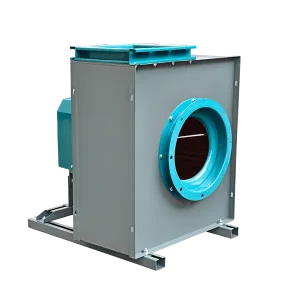
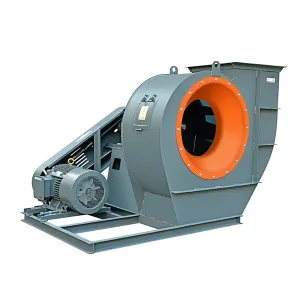
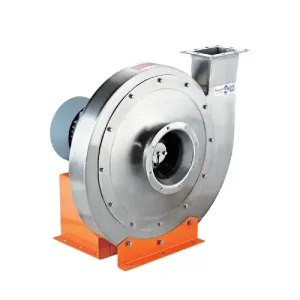
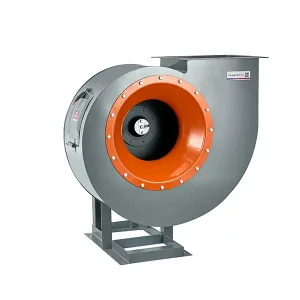
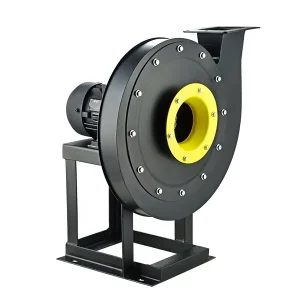
Large industrial spaces, multi-story hotels, and industrial manufacturing plants require higher static pressure to push air through complex, long duct runs. Standard residential equipment fails under these high-pressure loads. By combining robust ducting designs with industrial-grade centrifugal fan configurations (such as the 9-19A High-Pressure series or the 4-72A Stainless Steel series), engineering groups can construct optimized high-flow duct layouts that operate reliably for decades.
Advanced Plant Infrastructure & Quality Machinery
Chiye's specialized machinery ensures exact sheet metal tolerances and clean weld lines for all custom designs.
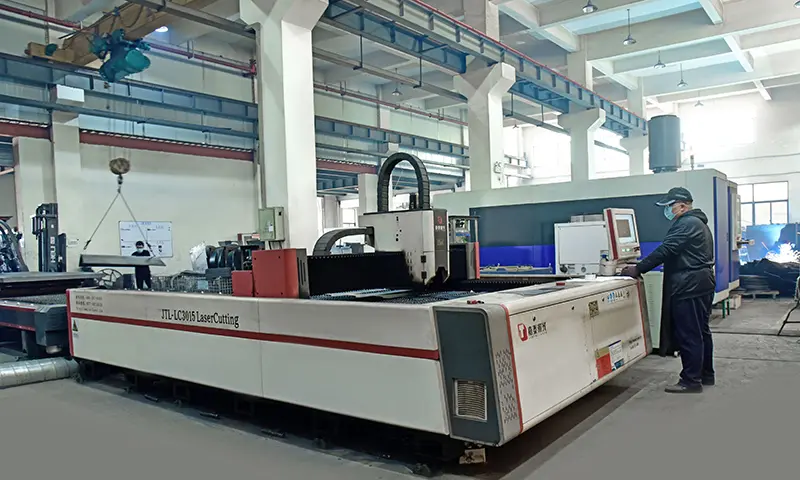
Laser Cutting Precision
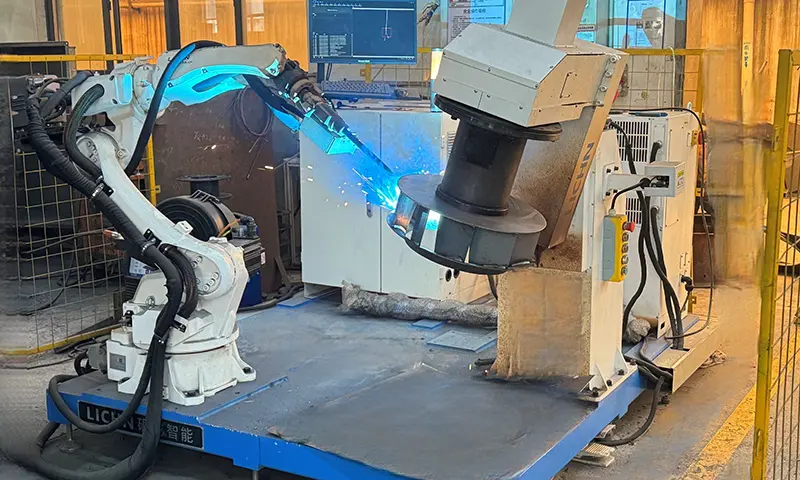
Robotic Welding Systems
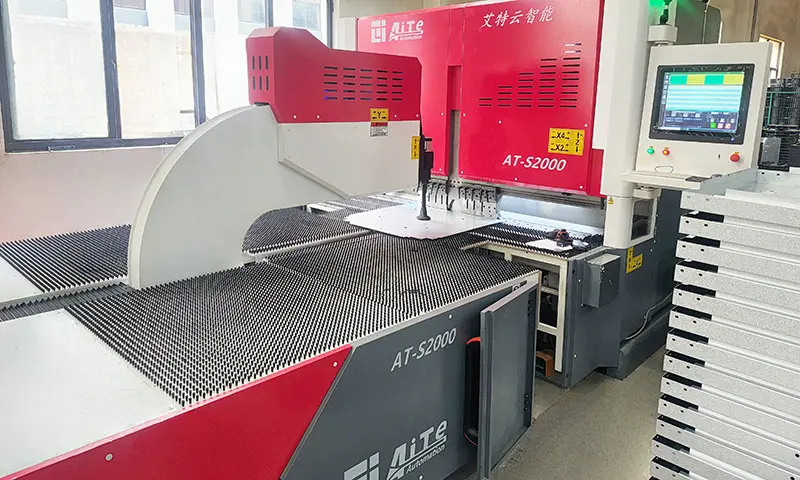
Automated Bending
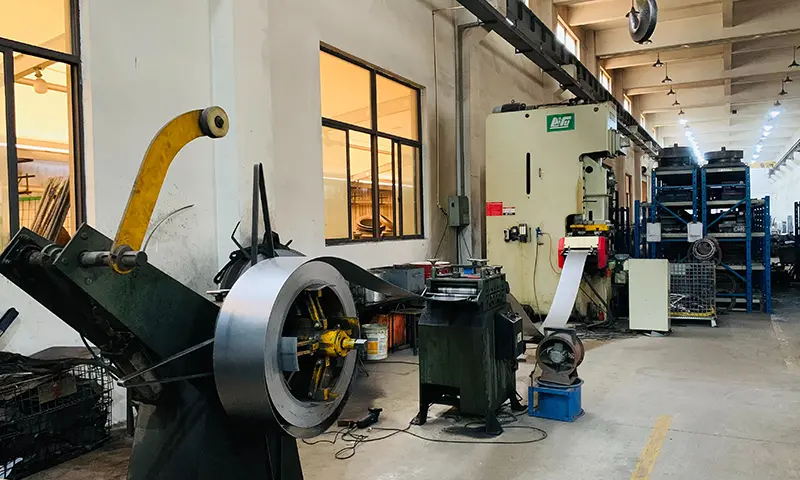
High-Speed Coiler Systems
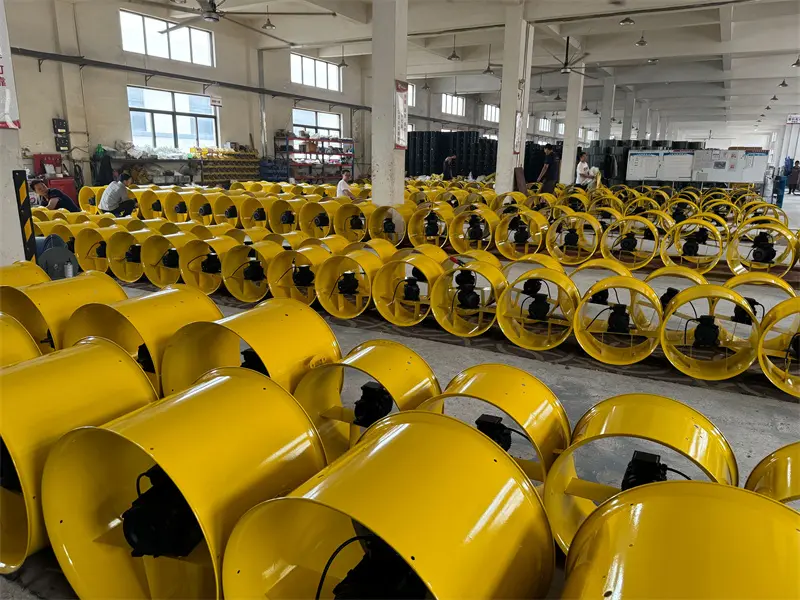
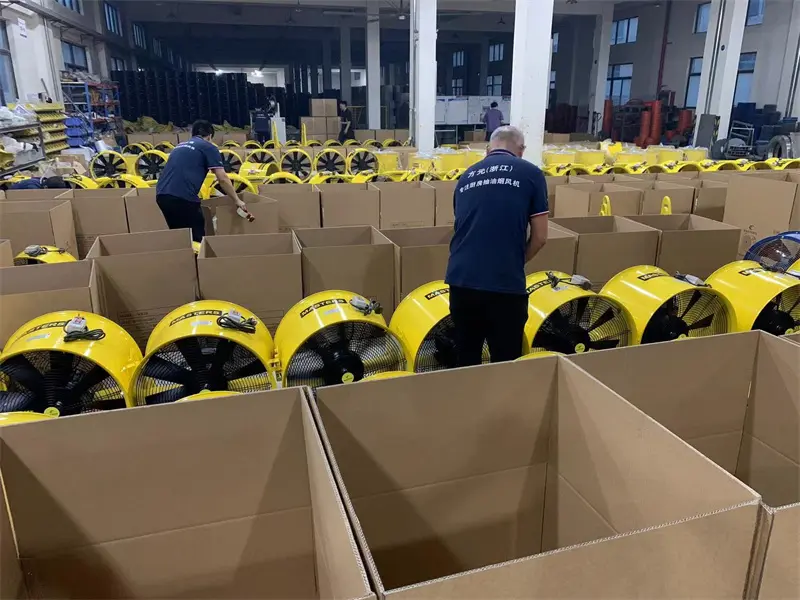
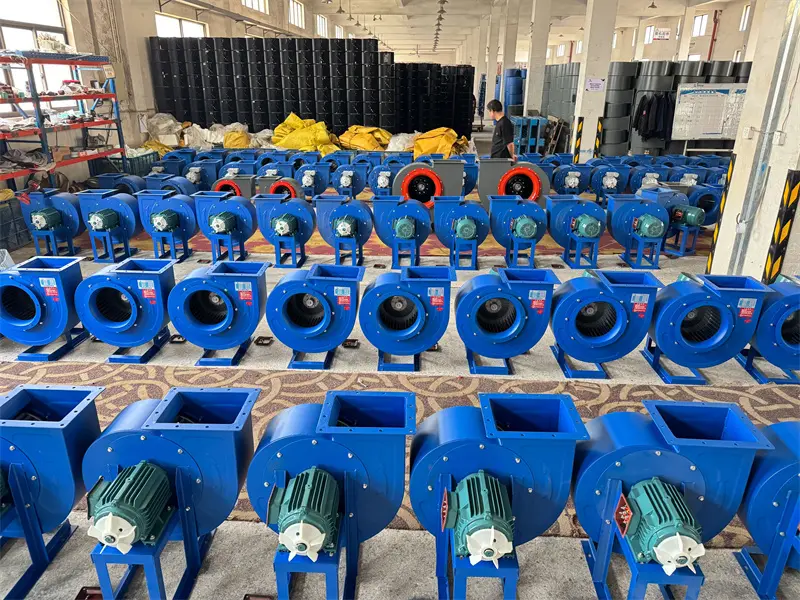
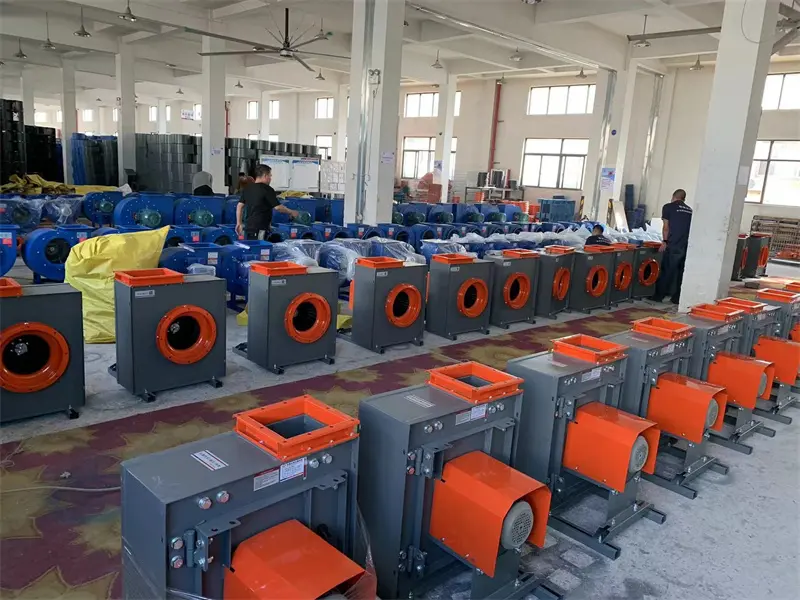
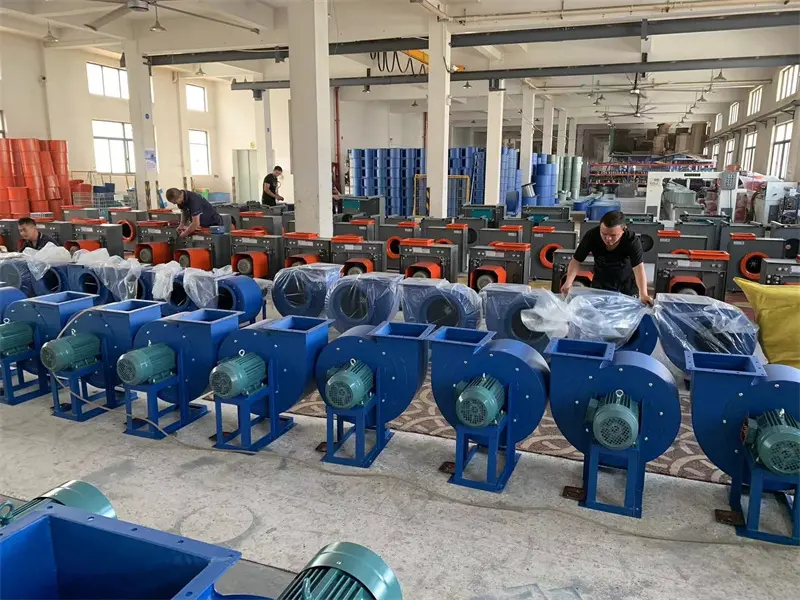
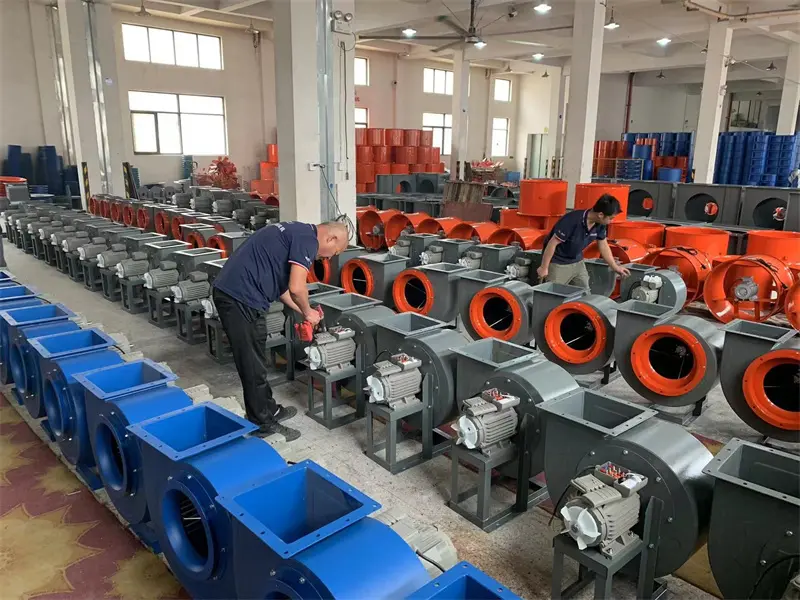
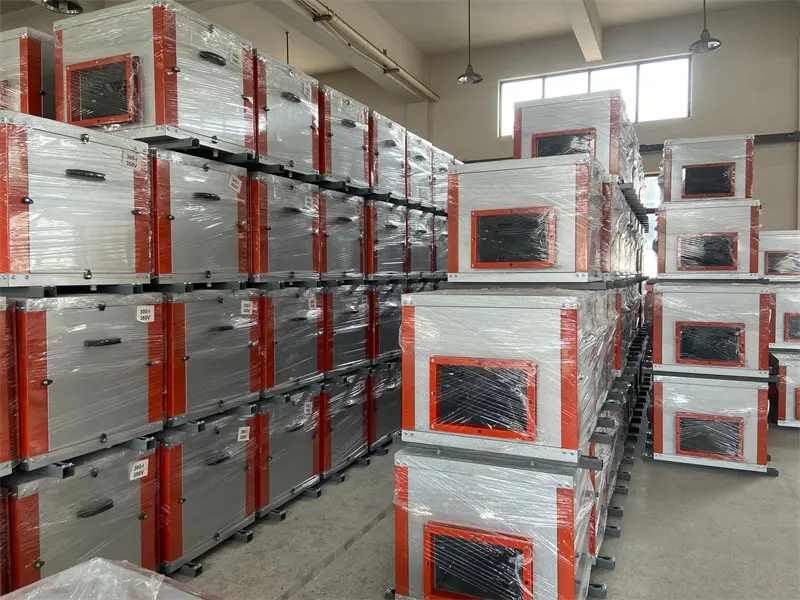
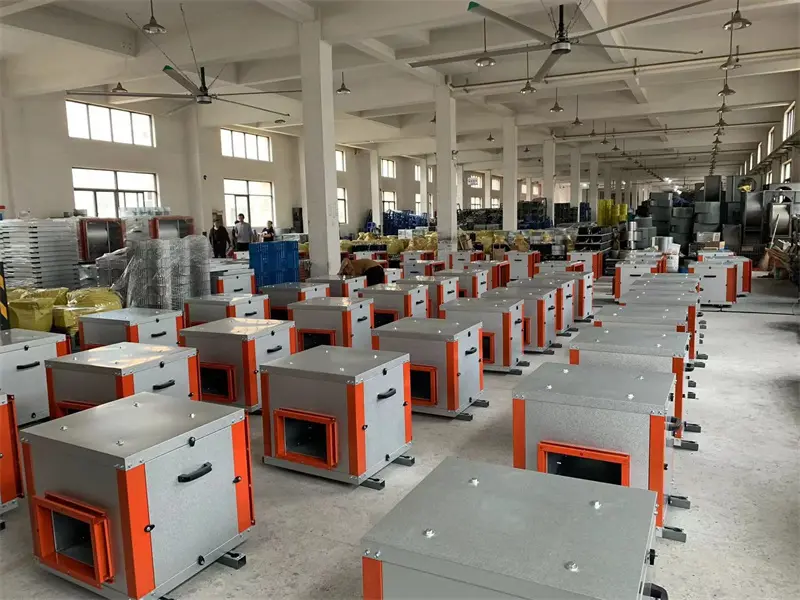
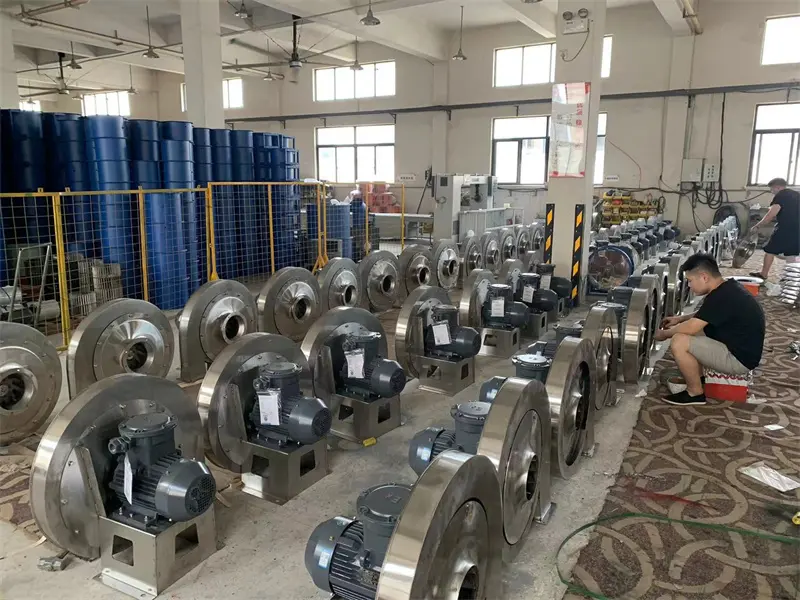
Complete Mechanical Assemblies & Installation Showcase
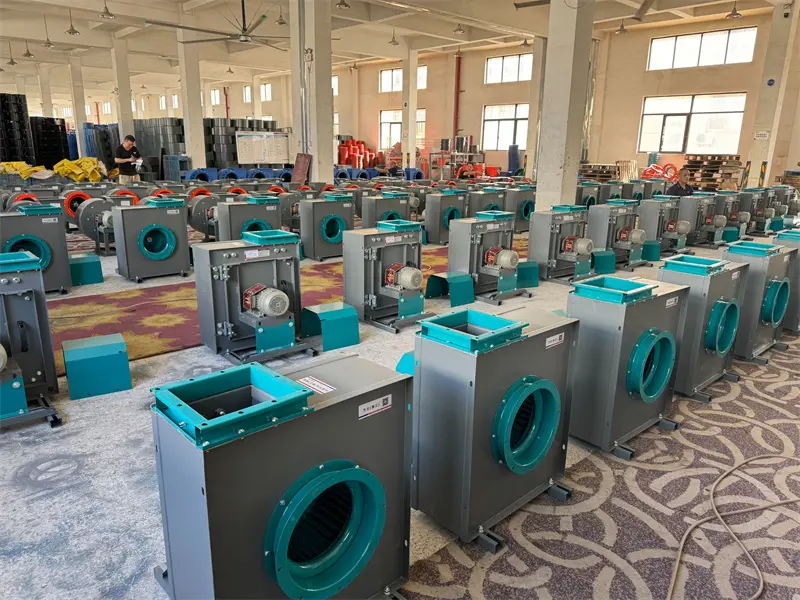
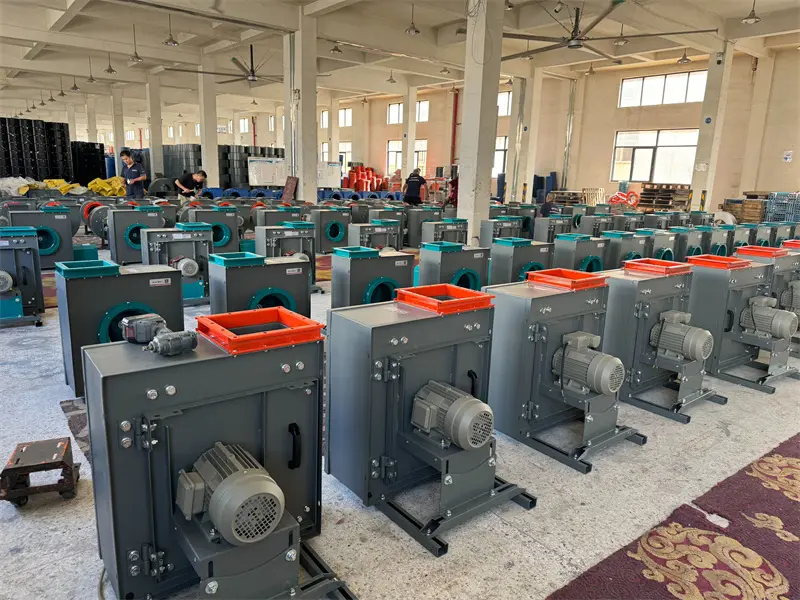
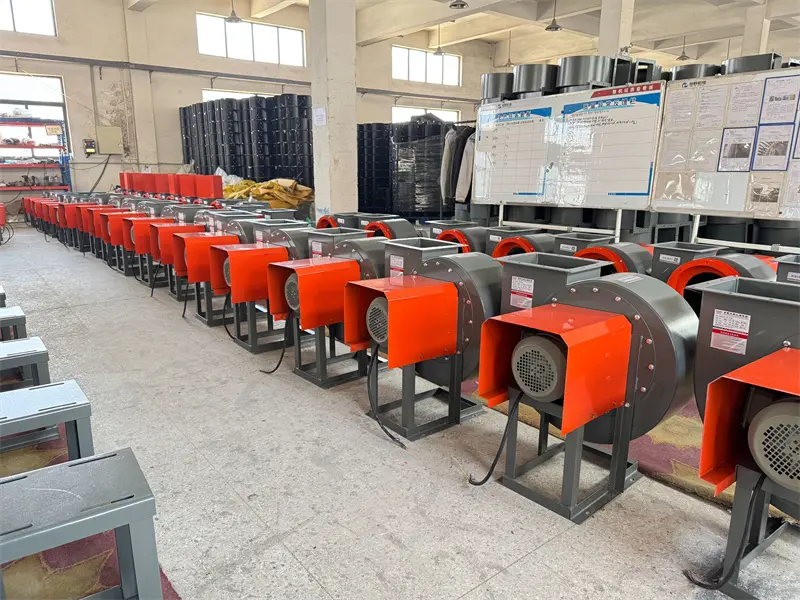
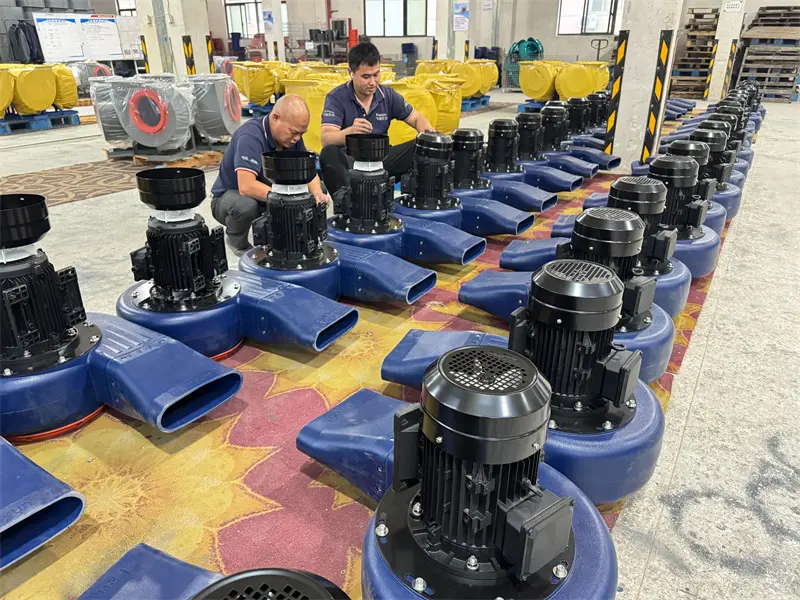
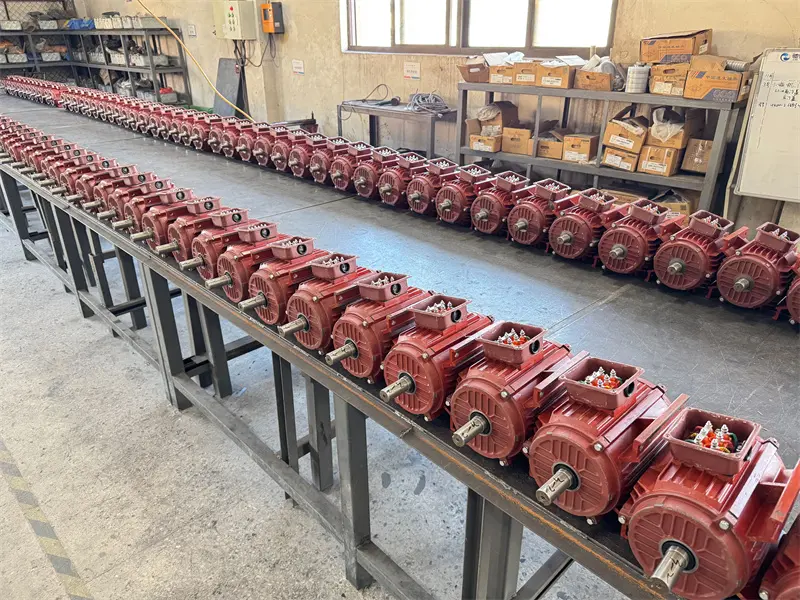
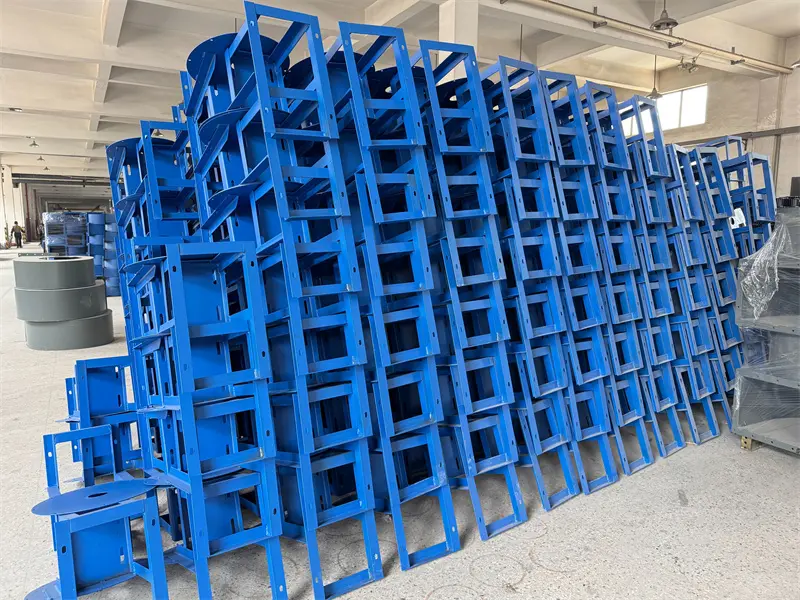
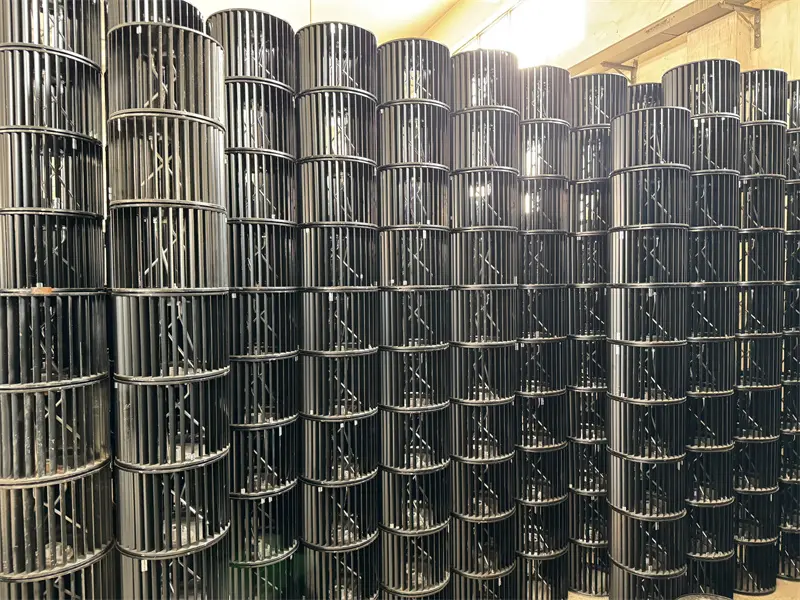
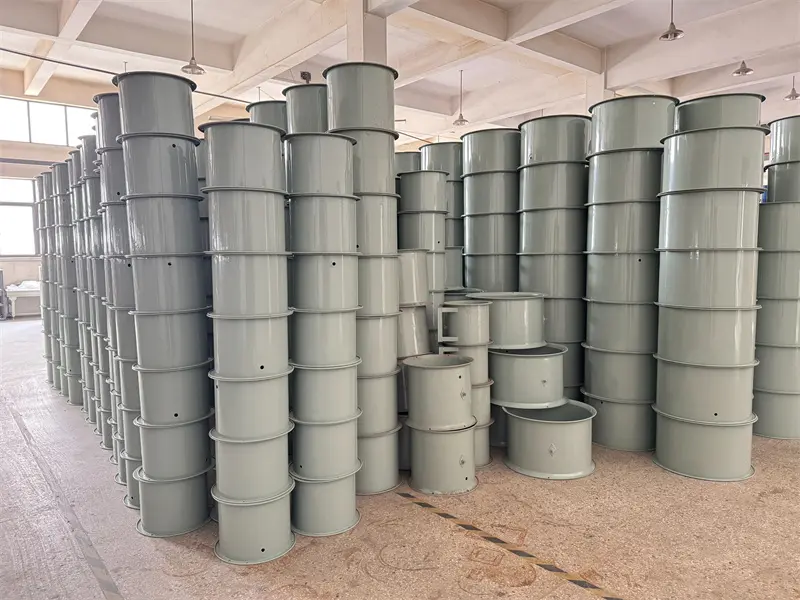
High-Performance Mechanical Engineering Solutions
Providing specialized systems designed for industrial facilities, commercial operations, and demanding ventilation environments.
Commercial Kitchen Exhaust & Grease Transport
Commercial kitchen exhausts handle high-temperature air, dense smoke, vaporized grease, and variable moisture. Standard components degrade quickly under these conditions.
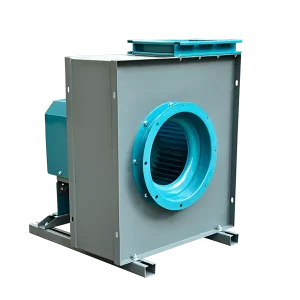
Our SRF Kitchen Centrifugal Fans and DFA Grease Extraction systems are built with heavy-gauge, oil-resistant coatings and include quick-access drainage ports. Combined with clean, smooth stainless steel duct layouts, they prevent grease buildup and minimize fire risks, helping operators meet UL 762 and NFPA 96 codes.
Industrial Fume Extraction & Acid/Alkali Resistance
Processing plants and chemical operations often transport highly corrosive air, requiring chemical-resistant materials to ensure reliable safety.
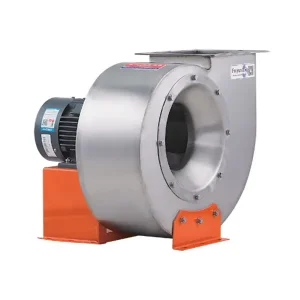
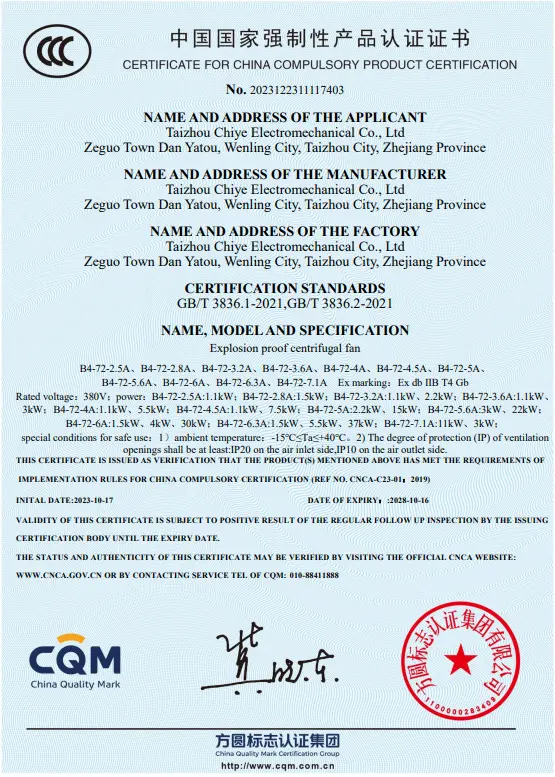
We offer customized 4-72A series fans crafted from high-grade SUS304 or SUS316 stainless steel. These units feature tight physical seals, non-reactive finishes, and spark-resistant construction. They integrate smoothly with specialized round industrial ducting to safely exhaust chemical vapors, protecting both staff and structural equipment.
Emergency Smoke Extraction & High-Temperature Integrity
In fire emergencies, structural ventilation systems must function reliably at high temperatures to extract smoke and maintain safe escape routes.
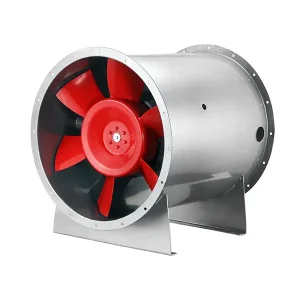
Our HTF High-Temperature Fire Smoke Exhaust Fans are rated to operate continuously in environments up to 280°C for at least 30 minutes. Designed with heat-resistant materials and robust motors, these systems interface directly with emergency fire dampers and smoke exhaust ducts to keep air paths open when safety is critical.
High-Pressure Industrial Fans & Ventilation Systems
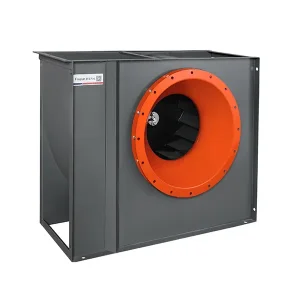
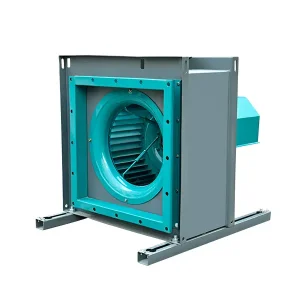
Explore our technical-grade high-pressure fans, specialized exhaust assemblies, and ventilation hardware.
International Compliance & Engineering Quality
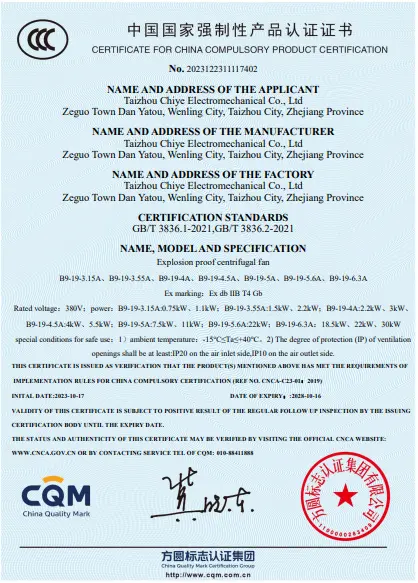
Chiye's ventilation products are engineered to align with global standards and strict regional performance specifications.
ISO 9001 Production Standards
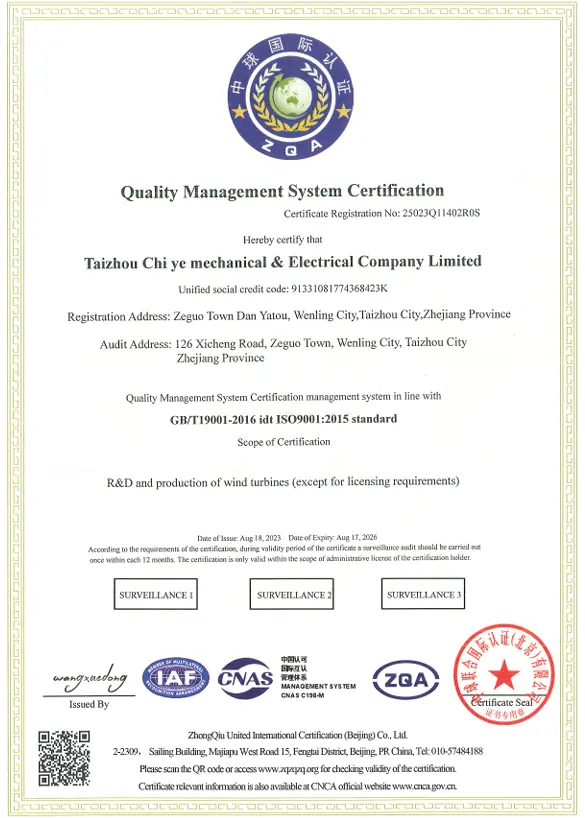
Every stage of our manufacturing process—from raw steel inspection to laser cutting, robotic welding, and final assembly—is documented under a verified ISO 9001 Quality Management System, ensuring consistent structural integrity.
Dynamic Rotor Balancing
Excessive vibration causes structural noise and bearing wear. Using computerized balancing systems, we balance each impeller to the ISO 1940 G2.5 standard, reducing mechanical stress and ensuring quiet operation.
Global Export Standards
We manufacture ventilation equipment to meet CE and regional regulatory markers. This ensures smooth customs clearance and straightforward integration with building automation grids across Europe, the Americas, and Asia-Pacific.
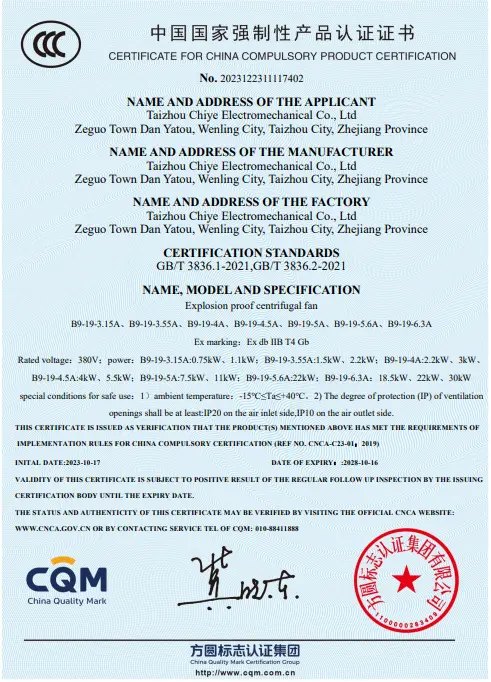
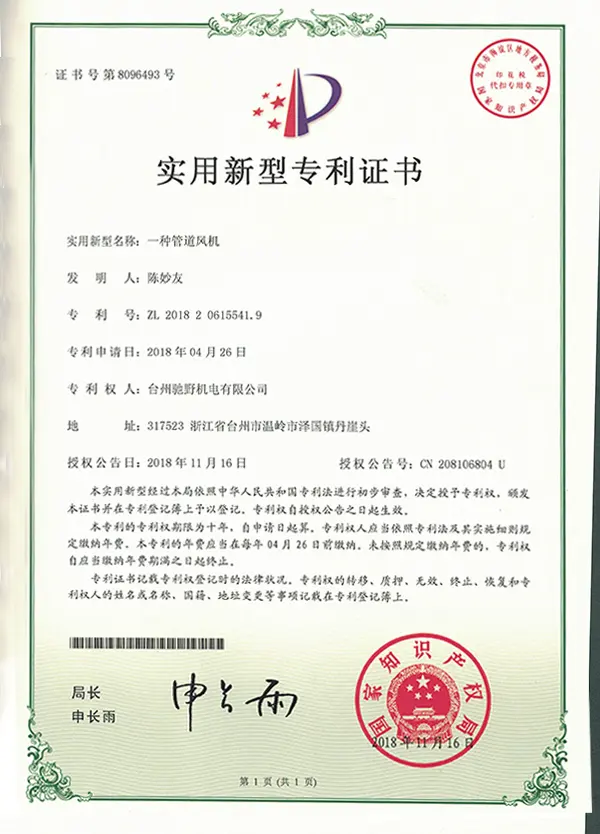
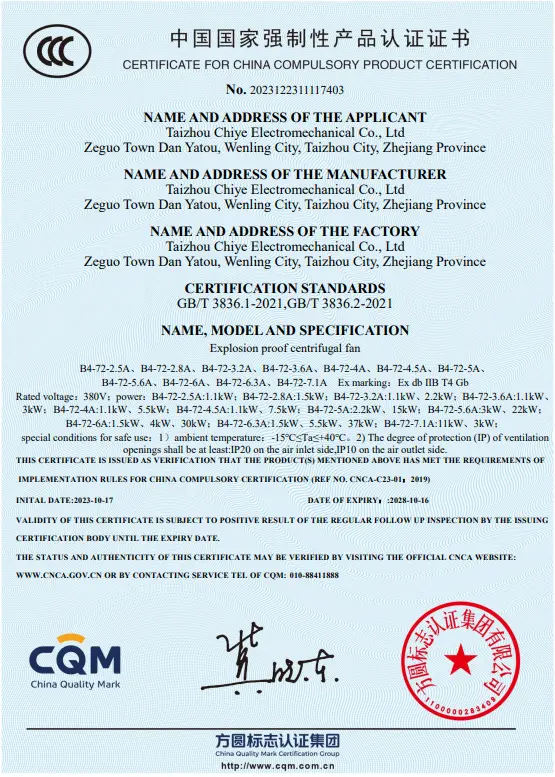
Quality Certifications
Aerodynamic Engineering & Installation Guidelines
Technical considerations for specifying mechanical fans, sizing ductwork runs, and mitigating pressure losses.
Key Factors in Fan Selection
Selecting the right industrial fan requires matching the system's static pressure profile with the fan's performance curve. The total system static pressure ($P_s$) is calculated by summing the friction losses across straight duct sections, transition fittings, filters, silencers, and discharge dampers:
Overestimating static pressure can lead to oversized fans that consume excess energy, while underestimating pressure can result in insufficient air delivery.
Centrifugal vs. Axial Configuration
Centrifugal Fans (e.g., 4-72, 4-79, 9-19A): Best suited for medium to high static pressure applications. These units pull air radially into the housing, redirecting and compressing it, which makes them ideal for complex, multi-branch duct networks.
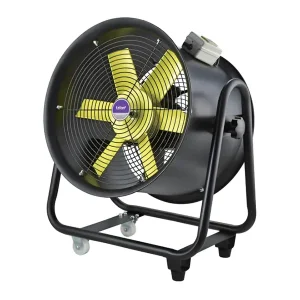
Axial Flow Fans (e.g., CTF, CMF):
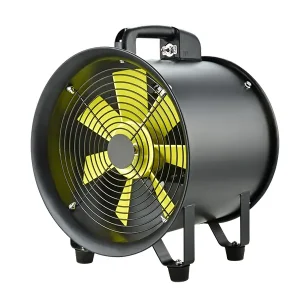
Best suited for low-resistance, high-volume ventilation. They move air parallel to the impeller shaft, offering an efficient solution for short, straight duct sections, direct exhaust setups, and temporary portable extraction.
Our Commitment to Sustainable Quality
Chiye operates under five core principles that guide our manufacturing processes, environmental decisions, and business relations:
1. Innovation-Driven Engineering
We continuously refine our wind turbine designs, spinning tolerances, and automatic welding programs to deliver reliable performance.
2. Zero-Defect Manufacturing
We enforce strict quality control at every stage, using advanced CNC laser cutting and precise balancing to ensure reliable, long-term performance.
3. Environmental Stewardship
We focus on reducing energy consumption, raw material waste, and plant emissions to align our operations with global green initiatives.
Have questions about a project or need custom duct components and fans? Contact our engineering team for support.
HVAC Ductwork & Ventilation FAQ
Answers to common technical, design, and purchasing questions from engineers and procurement teams.
SUS304 provides excellent resistance to moisture, oils, and general heat, making it the standard choice for most commercial kitchen exhaust applications. SUS316 contains 2-3% molybdenum, which offers superior resistance to chlorides and corrosive chemicals, making it ideal for marine environments or industrial chemical hoods.
Under ISO 1940 G2.5, dynamic balancing minimizes mechanical vibrations. Unbalanced impellers create cyclical stresses that accelerate bearing wear and can transmit structural vibrations down the duct line, loosening seams, compromising seals, and increasing low-frequency noise.
The 9-19A series is engineered for high static pressures, typically operating between 3,000 Pa and 15,000 Pa depending on the model and motor speed. These units are built with thick carbon steel or stainless steel housings to handle dense particulates and high resistance without buckling.
Friction loss is determined by duct roughness, air velocity, air density, and duct length. It is calculated using the Darcy-Weisbach equation or standard ASHRAE friction charts:
Fittings like elbows and transitions are calculated using equivalent duct length values or dynamic loss coefficients ($C_o$).
Standard configurations are typically completed within 15 to 25 business days. Larger or fully customized OEM projects—which require specific laser cutting setups, custom stamping, and multi-stage balancing tests—take approximately 30 to 45 days, depending on material requirements.
HTF series fans are built with specialized motors and heat-tolerant impellers. They are certified to run at 280°C for at least 30 minutes, keeping emergency paths clear of smoke and lowering building temperatures to assist evacuation efforts.