 Chiye Fan
🚀 High-Performance Ventilation Systems
📘 Industry Insight: The Evolution of Island Exhaust Technology
In the modern architectural landscape, the "island" configuration has transitioned from a luxury trend to a standard in both high-end residential and professional culinary spaces. However, the open nature of island cooking presents unique aerodynamic challenges. As a leading Wholesale Island Exhaust Hood Manufacturer, we recognize that capturing smoke, grease, and heat in an open area requires significantly higher static pressure and optimized airflow patterns compared to traditional wall-mounted units.
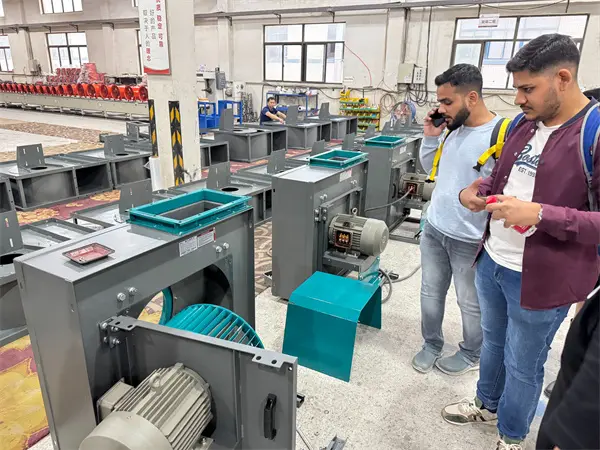
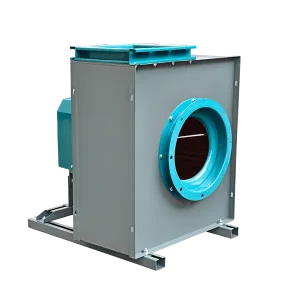
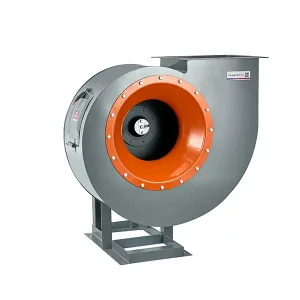
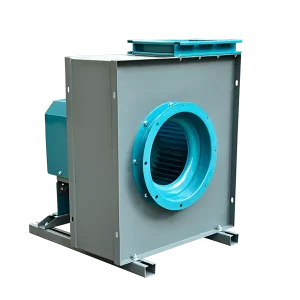
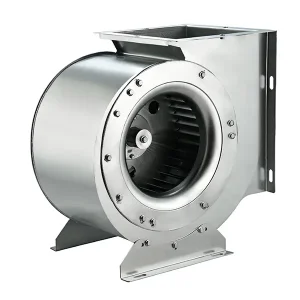
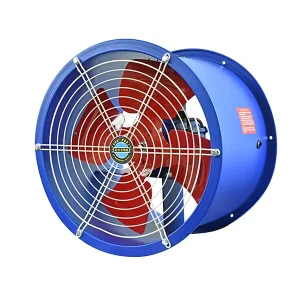
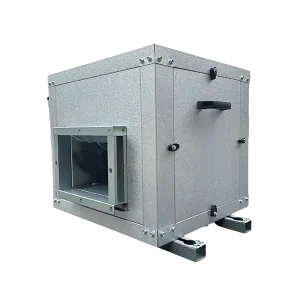
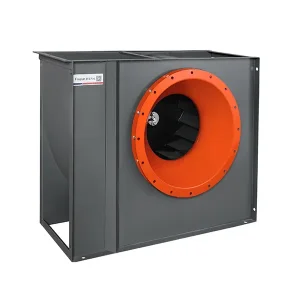
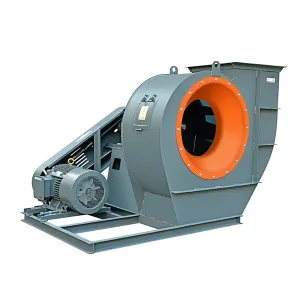
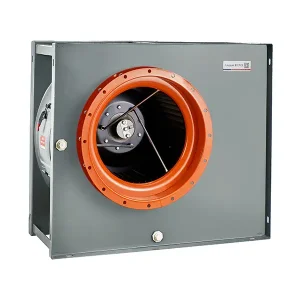
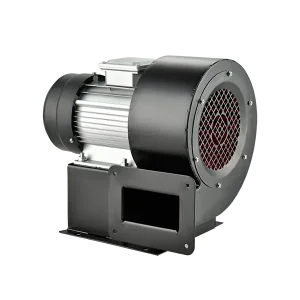
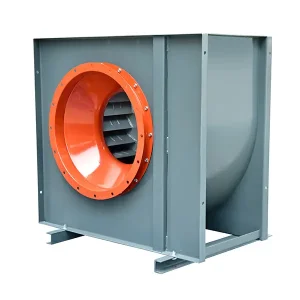
Information Gain: Why Centrifugal Power Matters. Unlike basic axial fans, our island-specific solutions utilize high-performance centrifugal fan technology (such as the DFA and 4-72C series). These units are engineered to overcome the resistance of long duct runs often required in island installations. By leveraging multi-wing impellers and precision-balanced rotors, our hoods provide the "Capture Velocity" necessary to prevent lateral air currents from dispersing contaminants into the living or dining area.
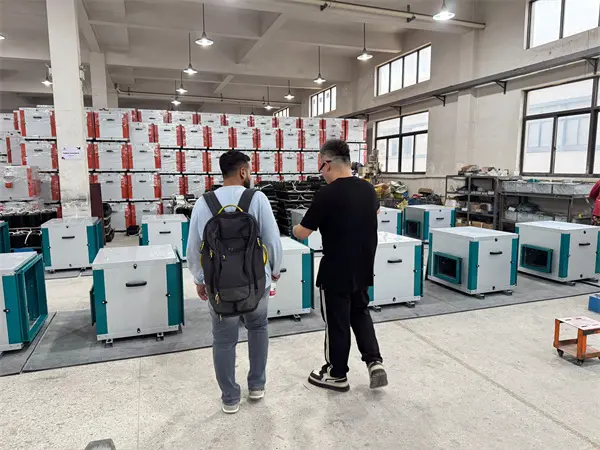
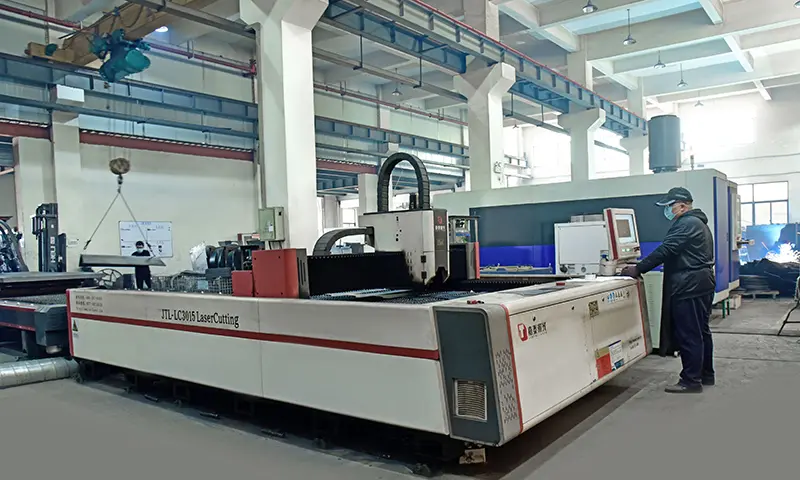
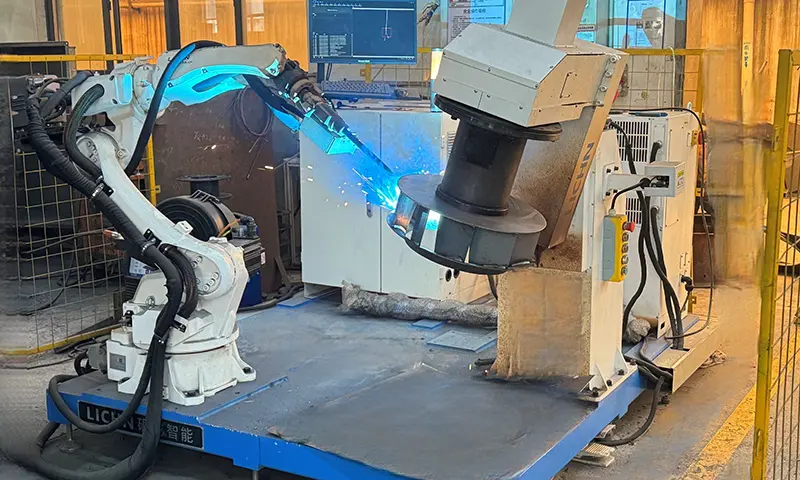
E-E-A-T Integration: Our expertise is backed by 29 years of electromechanical innovation at Taizhou Chiye. We don't just assemble; we engineer the core components—from the laser-cut housings to the robotic-welded turbines—ensuring a level of reliability that only a true manufacturer can provide. This white-paper approach focuses on the thermal plume dynamics: as heat rises from the center of the kitchen, our island hoods create a low-pressure zone that effectively "anchors" the smoke, ensuring 99% extraction efficiency.
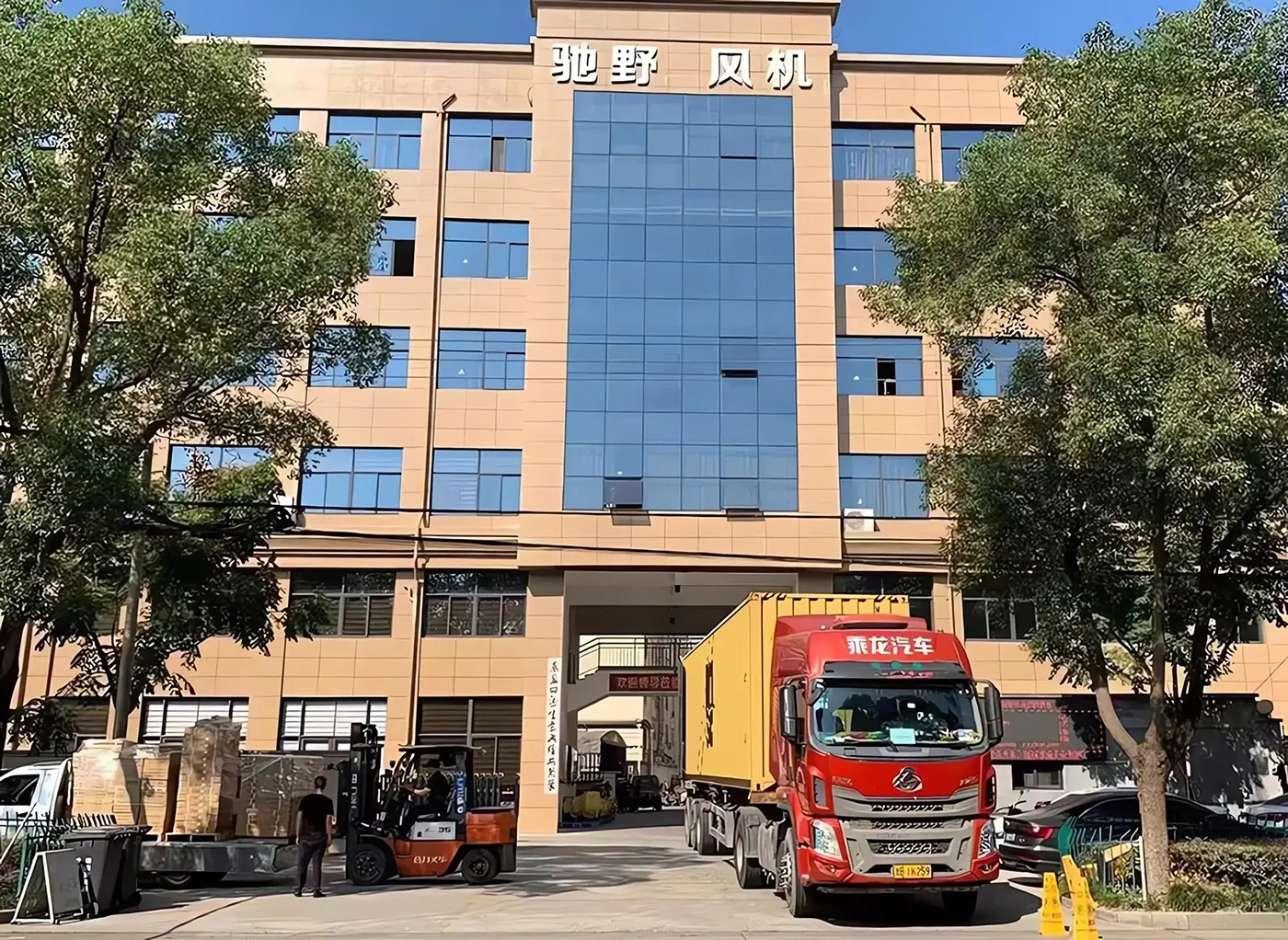
ABOUT TAIZHOU CHIYE ELECTROMECHANICAL CO.,LTD.
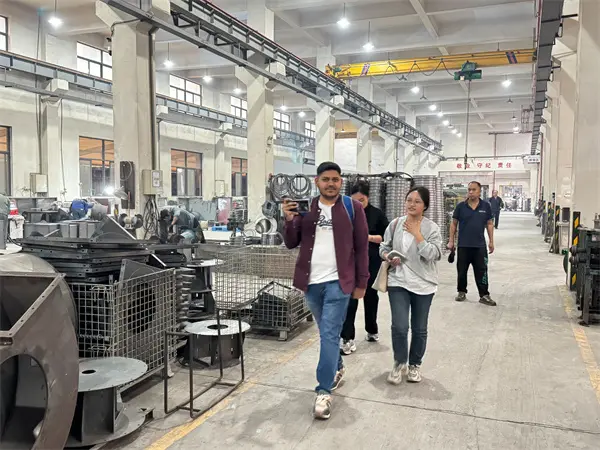
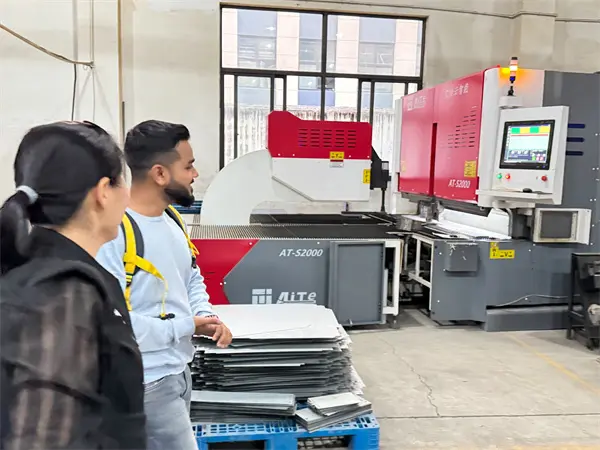
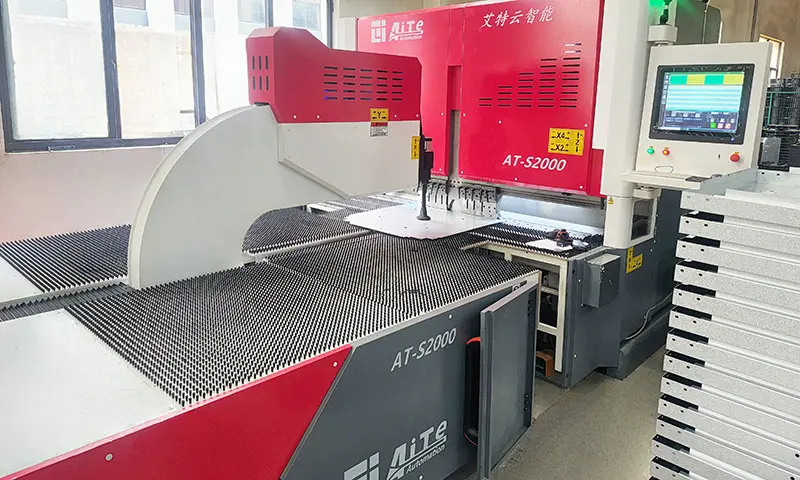
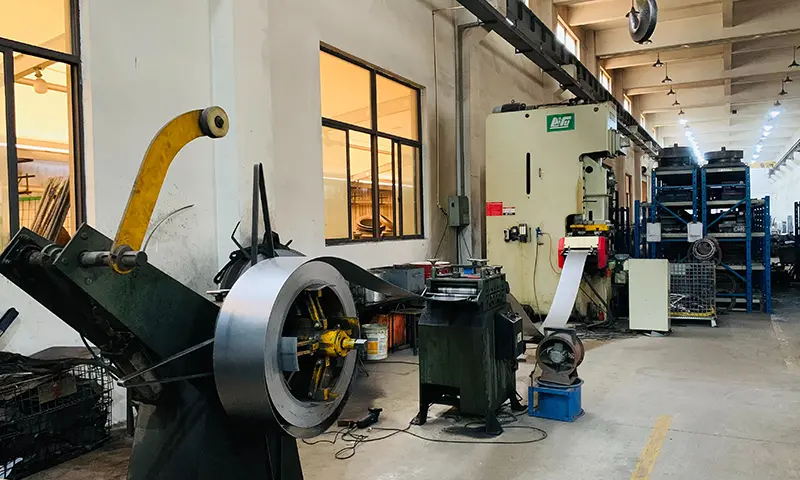
Chiye Enterprise was founded in 1995, formerly known as Wenling Zeguo Wanfang Mechanical and Electrical Parts Factory. The company has standard factory buildings and warehouses, a strong technological center, and a specialized wind turbine processing center. It now has 4 CNC laser cutting machines, 2 CNC spinning machines, 2 bending machines, 2 shearing machines, 1 turret punch machine, 6 computer digital balancing machines, and purchased automatic welding robots and a complete set of automatic welding equipment in 2013.
We independently develop advanced CNC automation equipment such as 4 sets of specialized welding equipment for wind turbines. We mainly produce various types of fans, industrial fans, air conditioning fans, and kitchen dedicated fans, supporting major manufacturers nationwide with a high reputation for environmental protection and dust removal.
🛠️ Technical Roadmap: The Future of Island Extraction
Smart AI Sensors
Integration of infrared and VOC sensors to automatically adjust fan speed based on smoke density and heat signature, optimizing energy consumption by up to 40%.
Active Noise Cancellation
Utilizing bionic impeller designs inspired by owl feathers to reduce turbulence and lower decibel levels to under 45dB even at high suction modes.
IoT Connectivity
Real-time monitoring via mobile apps for filter saturation, motor health, and centralized control for large-scale commercial kitchen fleets.
Brushless DC Motors
Transitioning to ultra-efficient BLDC motors that provide precise speed control and a longer lifecycle compared to traditional AC induction motors.
🛡️ China Factory Resilience & Global Supply Chain
The global commercial kitchen market demands not just quality, but agility. Our factory in Taizhou, China, represents the pinnacle of supply chain resilience. By integrating the entire manufacturing process—from raw sheet metal processing with CNC laser cutting to final dynamic balancing—we minimize external dependencies. This vertical integration allows us to maintain a stable lead time of 15-25 days, even during global logistics fluctuations.
Furthermore, our efficiency is driven by robotic automation. The implementation of welding robots since 2013 has ensured 100% weld consistency, which is critical for the high-vibration environment of an island exhaust hood. For our global partners, this translates to lower RMA (Return Merchandise Authorization) rates and a significantly lower Total Cost of Ownership (TCO).
🌍 Localized Applications & Compliance Support
📍 North America & Europe
Adherence to UL, ETL, and CE standards. Our island hoods focus on noise reduction and aesthetics for open-concept European kitchens and high-BTU American ranges.
📍 Southeast Asia & Middle East
Specially reinforced motors with high-temperature insulation to handle the intense heat and humidity. Focus on heavy-grease filtration for stir-fry intensive cuisines.